Advanced Filters for Bacteria‑Free Humidified Air: Technologies, Benefits, and Buying Guide
Discover how advanced filters keep humidified air bacteria-free. Learn about HEPA, UV-C, antimicrobial wicks, and demineralization cartridges, plus expert tips on choosing and maintaining a hygienic humidifier for healthier indoor air.
Indoor air quality has become a critical health topic, especially as more people spend extended time inside homes and offices. Humidifiers are a popular solution for dry air, but without proper filtration, they can unintentionally spread bacteria, mold spores, and other contaminants. This is where advanced filters for bacteria‑free humidified air play a vital role.
Modern filtration technologies can transform your humidifier from a simple comfort device into an important part of your home health strategy. In this article, we will explore how advanced humidifier filters work, what types exist, how they protect you from harmful microorganisms, and how to choose the right solution for your needs.
Why Filtration Matters in Humidifiers
Humidifiers increase moisture levels in the air, which can relieve dry skin, irritated eyes, and respiratory discomfort. However, the combination of standing water and warm temperatures inside a humidifier can create an ideal breeding ground for bacteria and mold if not properly managed.
Without effective filtration and regular maintenance, humidifiers can disperse:
- Bacteria that may aggravate respiratory conditions or cause infections.
- Mold spores that trigger allergies and asthma symptoms.
- Mineral dust (white dust) from hard water, which can irritate lungs and settle on surfaces.
- Allergens and fine particles that undermine the benefits of using a humidifier in the first place.
Advanced filters are designed to interrupt this cycle. They trap or neutralize microorganisms before they can be released into the air, helping ensure that the humidity you add is clean, safe, and comfortable to breathe.
How Advanced Humidifier Filters Work
Advanced humidifier filters use a combination of mechanical, chemical, and sometimes physical processes to remove or inactivate contaminants. The exact mechanisms depend on the filter type, but most systems target three key categories:
- Microorganisms such as bacteria, viruses, and mold spores.
- Particulate matter such as dust, pollen, and pet dander.
- Dissolved minerals and chemicals present in tap water.
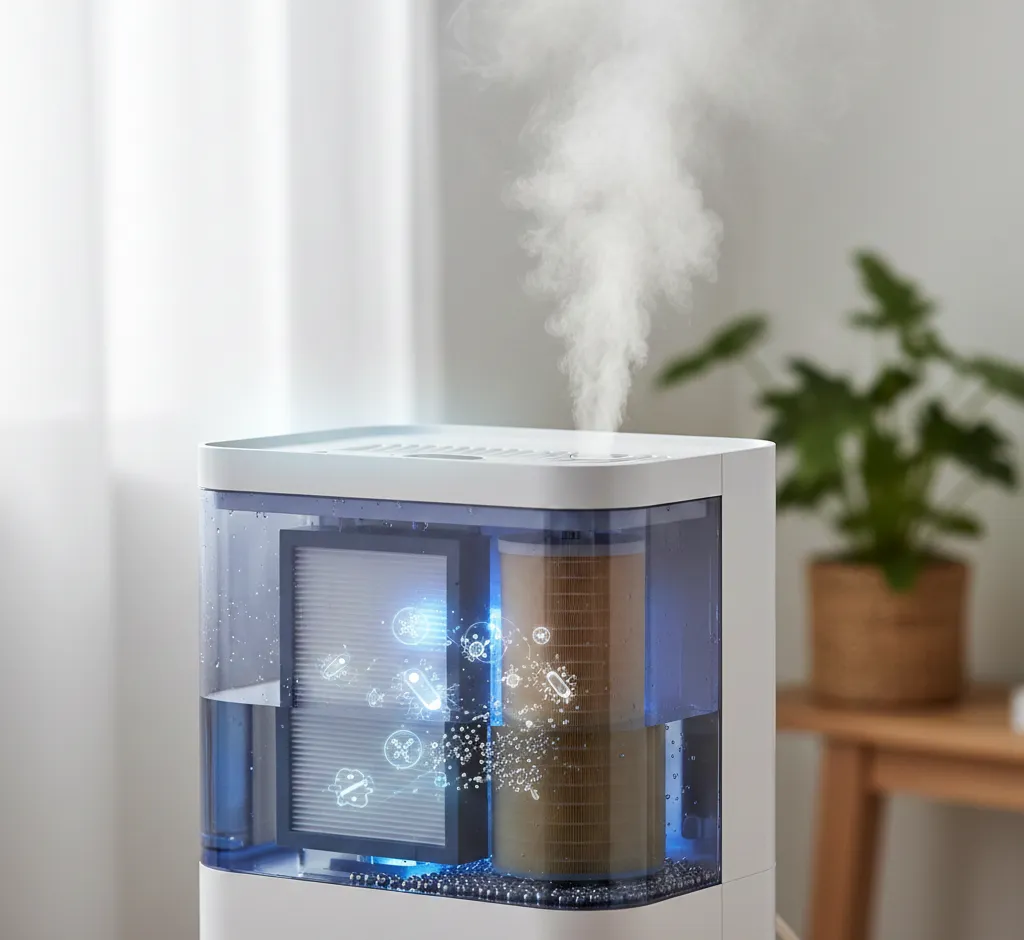
Many advanced systems layer multiple technologies in one unit. For example, a humidifier might combine a mechanical filter to trap particles, a UV‑C light to neutralize microbes, and a demineralization cartridge to reduce white dust. This multi‑barrier approach significantly lowers the risk of bacterial contamination in the humidified air.
Main Types of Advanced Filters for Bacteria‑Free Humidified Air
When evaluating humidifiers or standalone filtration accessories, you will encounter several core filter types. Understanding their strengths and limitations helps you make an informed choice.
1. HEPA Filters (High-Efficiency Particulate Air)
HEPA filters are widely used in air purifiers and are increasingly integrated into hybrid humidifier–purifier systems. A true HEPA filter is capable of capturing at least 99.97% of particles down to approximately 0.3 microns, including many bacteria and allergens.
- How they work: HEPA filters use a dense fiber mat that traps particles through interception, impaction, and diffusion. As air passes through, contaminants get caught while clean air continues through the system.
- Advantages: Highly effective against airborne particles such as dust, pollen, pet dander, and many bacteria and mold spores.
- Limitations: HEPA filters do not directly kill bacteria; they trap them. Proper maintenance is crucial to avoid microbial growth on the filter media.
HEPA technology is ideal when you want both air purification and humidification in a single device, particularly in homes with allergy or asthma sufferers.
2. Antibacterial or Antimicrobial Wick Filters
Evaporative humidifiers typically use wick filters made of paper, fiberglass, or synthetic material. Advanced models incorporate antimicrobial treatments to inhibit bacterial and mold growth directly on the filter surface.
- How they work: Water is drawn up through the wick by capillary action. A fan blows air across the wet surface, allowing only water molecules to evaporate while larger particles and some microorganisms remain trapped.
- Advantages: Naturally limits aerosolization of minerals (reducing white dust) and, with antimicrobial coatings, reduces microbial growth in the filter itself.
- Limitations: Efficiency depends on regular replacement. Overused wicks can harbor bacteria and lose effectiveness, even with antimicrobial treatment.
These filters are a practical, cost‑effective option for many households, especially when combined with the use of distilled or demineralized water.
3. UV‑C Disinfection Systems
UV‑C light (ultraviolet light in the 200–280 nm range) is a powerful tool for inactivating bacteria, viruses, and fungi. Humidifiers with built‑in UV‑C systems expose water or passing air to this light, damaging the DNA or RNA of microorganisms so they cannot reproduce.
- How they work: UV‑C lamps or LEDs are installed in the water reservoir, in the mist chamber, or in the air path. As water or air passes by, microbes receive a disinfecting dose of UV‑C radiation.
- Advantages: Reduces microbial load directly in the humidifier. UV‑C works continuously as long as the lamp or LED is functioning correctly.
- Limitations: Effectiveness depends on exposure time, water clarity, and lamp maintenance. UV‑C does not remove minerals, so it should be combined with other filtration methods.
UV‑C is particularly beneficial in warm or ultrasonic humidifiers, where stagnant water can become a microbial hotspot without active disinfection.
4. Silver Ion and Other Antimicrobial Technologies
Some advanced humidifier filters incorporate silver ions or other antimicrobial agents into the plastic, ceramic, or filter material. Silver has long been known for its ability to disrupt bacterial cell membranes and inhibit growth.
- How they work: Silver ions are gradually released on the surface of the filter or cartridge, creating an environment that is hostile to bacteria and mold. This slows or prevents their proliferation.
- Advantages: Passive, continuous antimicrobial protection that does not require electricity or user intervention.
- Limitations: These systems usually complement, rather than replace, physical filtration. Their performance can diminish over time as the active coating is consumed.
Silver ion technology is often found in water tanks, filter housings, and cartridges marketed as "germ‑resistant" or "antibacterial" components.
5. Demineralization Cartridges and Resin Filters
While minerals from tap water are not bacteria, they are a major source of white dust in ultrasonic humidifiers. This dust can carry trace contaminants and irritate sensitive airways. Demineralization cartridges use ion‑exchange resins to remove calcium, magnesium, and other dissolved minerals from the water before it is atomized.
- How they work: As water flows through the cartridge, mineral ions are exchanged or trapped within the resin media, reducing hardness and total dissolved solids (TDS).
- Advantages: Less white dust, cleaner internal components, and reduced scale buildup that can harbor bacteria and biofilm.
- Limitations: They do not directly kill microorganisms and must be replaced periodically to remain effective.
For ultrasonic humidifiers, pairing demineralization cartridges with either UV‑C or antimicrobial components can significantly improve overall hygiene.
Key Benefits of Bacteria‑Free Humidified Air
Investing in advanced filters and hygiene technologies offers tangible benefits that go beyond comfort.
- Improved respiratory health: Cleaner humidified air supports people with asthma, allergies, chronic bronchitis, and other respiratory conditions by reducing exposure to triggers.
- Lower risk of infections: Minimizing bacteria and mold in indoor air can help reduce the frequency of respiratory infections and irritation, especially in children and older adults.
- Better sleep quality: Proper humidity paired with clean air can ease snoring, dry throat, and nasal congestion, promoting more restorative sleep.
- Protection for home and belongings: Balanced humidity helps prevent cracking of wood and furniture while reducing the chance of mold growth on walls and fabrics.
- Peace of mind: Knowing your humidifier is actively filtering and disinfecting the air provides confidence, particularly during cold and flu seasons.
How to Choose an Advanced Filtered Humidifier
With many models on the market, choosing the right bacteria‑free humidified air solution can feel overwhelming. Use the following criteria to guide your decision.
1. Match the Device to Room Size
Every humidifier is designed for a specific coverage area, usually expressed in square meters or square feet. Using an undersized device can lead to poor performance, while an oversized unit may over‑humidify and encourage mold growth.
- Check the manufacturer’s recommended room size and match it to your actual room dimensions.
- For open‑plan spaces, consider higher‑capacity units or multiple smaller devices.
2. Evaluate the Filtration and Hygiene Features
Look for models that combine more than one technology for optimal protection:
- HEPA or high‑grade particle filters for airborne allergens and bacteria.
- Antimicrobial wicks or silver‑ion components to limit microbial growth inside the unit.
- UV‑C disinfection to inactivate microorganisms in water or mist.
- Demineralization cartridges to reduce white dust in ultrasonic units.
Product descriptions and manuals often highlight these features using terms like "bacteria‑free mist," "germ‑killing technology," or "hygienic humidification." Be sure to verify these claims by checking independent tests or certifications when available.
3. Check Filter Availability and Replacement Costs
Advanced filters are only effective if they are replaced according to the manufacturer’s schedule. Before buying a device, consider:
- How often the filters need to be replaced (e.g., every 2–6 months).
- The cost of replacement filters, cartridges, or UV‑C lamps.
- Whether genuine parts are easy to order in your region.
A humidifier with slightly higher upfront cost but affordable, readily available filters can be more economical and reliable over the long term.
4. Consider Noise Level and Energy Use
Because humidifiers often run at night or for many hours at a time, noise and energy efficiency matter:
- Look for devices with "quiet" or "sleep" modes and check decibel ratings if available.
- Choose energy‑efficient models, especially if they incorporate UV‑C lamps or fans that run continuously.
A quiet, efficient unit encourages consistent use, which is essential to maintaining stable humidity and air quality.
5. Smart Features and Controls
Many advanced humidifiers include smart functions that improve both performance and safety:
- Built‑in hygrometers to monitor and maintain target humidity levels.
- Automatic shutoff when the tank is empty or optimal humidity is reached.
- Filter change reminders to ensure timely maintenance.
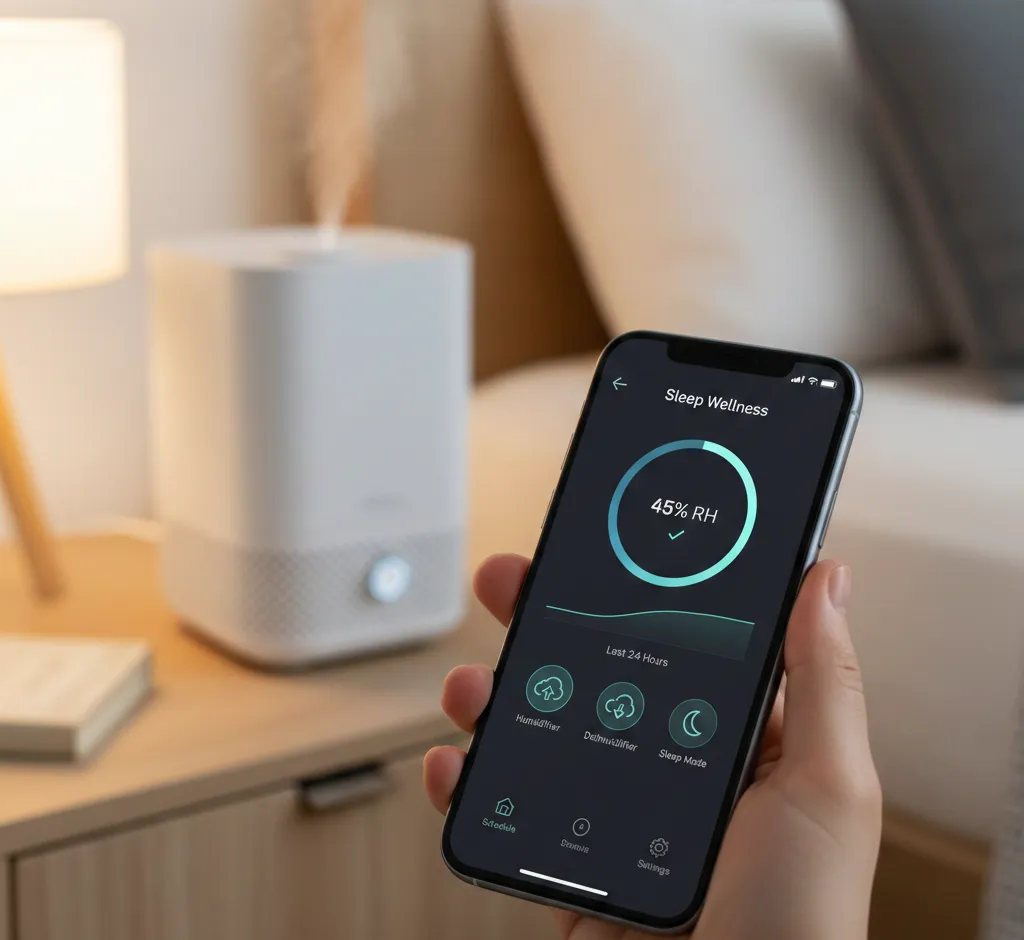
- App connectivity for remote monitoring, scheduling, and alerts.
While not strictly necessary for bacteria‑free air, these features reduce user error and help keep the system operating in a hygienic range.
Best Practices for Maintaining Bacteria‑Free Humidified Air
Even the most advanced filter cannot compensate for poor maintenance. To truly enjoy bacteria‑free humidified air, follow a consistent cleaning and maintenance routine.
1. Use the Cleanest Water Possible
The quality of the water you put into your humidifier directly affects the purity of the mist. Consider these options:
- Distilled or demineralized water to minimize mineral content and white dust.
- Filtered water as a compromise when distilled water is not feasible.
- Avoid untreated well water with unknown microbial or mineral content.
Using cleaner water reduces the workload on filters and the risk of scale buildup where bacteria and biofilm can accumulate.
2. Clean the Tank and Internal Surfaces Regularly
Manufacturers typically recommend weekly cleaning at minimum, and more frequent maintenance during heavy use. A simple routine includes:
- Unplug the humidifier and disassemble removable parts.
- Empty any remaining water and rinse the tank thoroughly.
- Use a mild, manufacturer‑approved cleaning solution or diluted white vinegar to remove scale and biofilm.
- Rinse all components thoroughly to remove any cleaning residues.
- Allow parts to dry completely before reassembly.
Regular cleaning supports your advanced filters by minimizing the microbial load in the reservoir and internal pathways.
3. Replace Filters and Cartridges on Schedule
Every filter has a service life, usually defined in months or hours of operation. Ignoring replacement intervals can turn filters into breeding grounds for bacteria. To avoid this:
- Mark replacement dates on a calendar or set reminders on your phone.
- Follow the manufacturer’s instructions for disposal and installation.
- Look for visual signs of wear, discoloration, or odors that indicate a filter should be changed sooner.
Diligent filter replacement is one of the most effective steps you can take to maintain bacteria‑free humidified air.
4. Monitor Indoor Humidity Levels
Maintaining humidity in the ideal range of about 40–60% strikes a balance between comfort and hygiene. Levels that are too low cause dryness and irritation, while excessive humidity encourages mold growth.
- Use a separate digital hygrometer if your humidifier does not include one.
- Adjust the output settings or runtime to keep humidity within the recommended range.
- Ventilate occasionally by opening windows or using exhaust fans, especially in bathrooms and kitchens.
Stable, moderate humidity supports both respiratory health and the effectiveness of your filtration system.
Who Benefits Most from Advanced Bacteria‑Free Humidification?
While everyone can enjoy cleaner, properly humidified air, certain groups benefit especially from advanced filtration and hygienic design.
- Allergy and asthma sufferers: Reducing airborne allergens, mold spores, and irritants can significantly ease symptoms.
- Families with infants or young children: Babies have more sensitive airways and immune systems, making clean humidified air particularly important in nurseries.
- Older adults and individuals with chronic illnesses: Cleaner air helps protect those with reduced immunity or underlying respiratory conditions.
- Home offices and remote workers: Spending long hours indoors increases exposure to indoor air pollutants; advanced humidification helps create a healthier workspace.
- People in dry or cold climates: Regions with long heating seasons often experience extremely dry indoor air, making reliable humidification and filtration crucial.
Future Trends in Bacteria‑Free Humidification
The market for advanced humidification is evolving rapidly, with several trends shaping the next generation of devices:
- Integrated air purifier–humidifier systems that combine HEPA filtration, activated carbon, and humidification in a single smart appliance.
- Self‑cleaning designs that use automatic rinsing cycles, UV‑C, or ultrasonic cleaning to reduce manual maintenance.
- Advanced sensors and AI‑driven controls to automatically adjust output based on indoor air quality, occupancy, and outdoor conditions.
- More sustainable filter materials and recyclable cartridges to minimize environmental impact.
As these technologies mature, it will become even easier to maintain bacteria‑free humidified air with minimal effort and maximum reliability.
Conclusion: Make Humidity Work for Your Health
Humidifiers offer significant comfort and wellness benefits, but only when paired with proper filtration and hygiene practices. Advanced filters for bacteria‑free humidified air – including HEPA systems, antimicrobial wicks, UV‑C disinfection, silver‑ion technology, and demineralization cartridges – work together to ensure that the moisture you add to your indoor environment is clean and safe.
By choosing the right device for your space, paying attention to filter quality and availability, and following a consistent maintenance routine, you can enjoy the advantages of balanced humidity without the hidden risks of microbial contamination. For households focused on health, especially those with vulnerable family members, investing in advanced humidifier filtration is not just a comfort upgrade – it is a proactive step toward better indoor air quality and long‑term wellbeing.