Allergic Reactions to Essential Oils: Symptoms, Risks, and Prevention
Learn how and why allergic reactions to essential oils occur, from skin rashes to respiratory symptoms, and discover practical steps to prevent and manage these reactions safely.
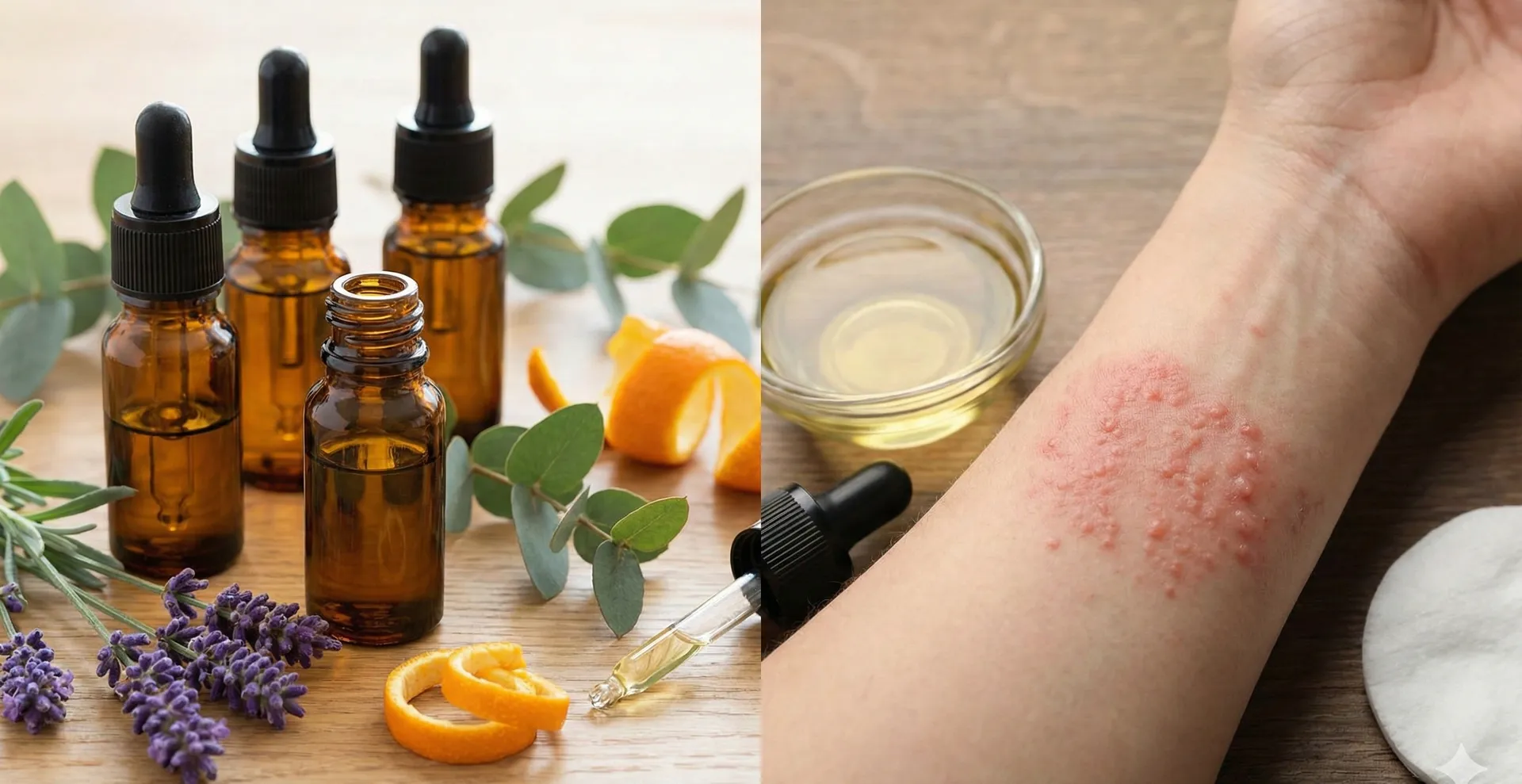
Essential oils are often marketed as natural and gentle, but their concentrated plant compounds can trigger significant allergic reactions in sensitive individuals. Understanding how these reactions occur, what symptoms to watch for, and how to prevent them is crucial for anyone who uses essential oils on the skin, in diffusers, or in household products.
What Are Essential Oil Allergies?
Allergic reactions to essential oils occur when the immune system misidentifies certain components of the oil as harmful and mounts a defensive response. This can happen after skin contact, inhalation, or, more rarely, ingestion of products containing these oils. Over time, repeated exposure can lead to sensitization, meaning a person who once tolerated an oil may later become allergic to it.
It is important to distinguish between irritant reactions and true allergies. Irritation happens when an oil is too strong or applied undiluted and directly damages the skin, causing burning or stinging. An allergy involves the immune system and may cause delayed or systemic symptoms such as itchy rashes, swelling, or respiratory issues.
Common Types of Reactions
Allergic Contact Dermatitis
Allergic contact dermatitis is one of the most frequent reactions to essential oils. It appears as an itchy, red, and sometimes blistering rash at the area where the oil touched the skin. The reaction usually develops hours to a couple of days after exposure, rather than immediately.
The affected skin may become scaly, cracked, or thickened if exposure continues or if the reaction becomes chronic. Because essential oils are found in many personal care products, people may not realize that their facial cream, shampoo, or massage oil is the true source of the rash.
Irritant Contact Dermatitis
Irritant contact dermatitis is not a true allergy but is still a common problem. It occurs when an essential oil is too concentrated or inherently harsh for the skin, leading to burning, redness, and pain. This reaction often appears quickly after application and worsens the longer the oil stays on the skin.
Even people without allergies can experience irritant dermatitis, especially if they apply undiluted oils, use them on damaged skin, or combine multiple potent oils at once. Reducing the concentration, limiting contact time, and using proper carrier oils can help reduce this risk.
Contact Urticaria (Hives)
Contact urticaria presents as raised, red, itchy welts or hives that develop shortly after the skin touches an essential oil or a product containing it. The reaction is rapid and often resolves within hours once exposure stops. While some episodes remain localized, others may spread beyond the area of contact.
Because contact urticaria can occasionally be a sign of a more serious systemic reaction, recurring or widespread hives after essential oil exposure warrant medical evaluation. People with a history of other allergies may be more prone to this type of response.
Phototoxic and Photosensitive Reactions
Certain essential oils become more irritating or damaging when exposed to sunlight or tanning beds, leading to phototoxic or photosensitive reactions. Citrus oils such as lemon, lime, bergamot, and some others are particularly known for this effect. When these oils are applied to the skin and then exposed to ultraviolet (UV) light, they can cause intense redness, discoloration, burning, and blistering.
These reactions can resemble severe sunburn and may leave long-lasting dark patches of skin. To reduce risk, it is recommended to avoid sun exposure for a specific period after using known phototoxic oils on the skin and to follow safety instructions provided by manufacturers or qualified professionals.
How Allergic Reactions Develop
Many essential oil allergies arise through a process called sensitization. During the first exposures, the immune system becomes primed to react to particular compounds in the oil, often without obvious symptoms. With later exposures, the immune system recognizes these substances and triggers an inflammatory response, resulting in visible and sometimes severe reactions.
Each essential oil may contain dozens or even hundreds of different chemical components. Some of these, such as certain fragrance molecules, oxidized terpenes, or naturally occurring allergens, are more likely to provoke immune reactions, especially after the oil has aged or been improperly stored.
Essential Oils Most Often Implicated
While any essential oil has the potential to cause allergy or irritation, some are more commonly associated with reactions. Oils that contain strong sensitizing components or that oxidize easily tend to be more problematic for sensitive skin or for those with existing eczema or allergies.
- Citrus oils (such as lemon, lime, and bergamot), which are frequent triggers of skin irritation and phototoxic reactions.
- Tea tree oil, widely used for its antimicrobial properties but also linked to allergic contact dermatitis in some individuals.
- Ylang-ylang, jasmine, and certain spicy or resinous oils, which may contain potent fragrance compounds capable of provoking allergic skin responses.
Individuals who react to one essential oil may also react to others with similar chemical structures or overlapping fragrance components. For this reason, patch testing with a healthcare professional can be helpful when reactions occur.
Who Is at Higher Risk?
Anyone can develop an allergic reaction to essential oils, but some groups face higher risk due to frequent exposure or underlying conditions. People who work with fragrances, cosmetics, massage therapy, aromatherapy, or natural skin-care products often handle concentrated oils regularly and therefore have more opportunities for sensitization.
Those with existing skin conditions such as eczema, psoriasis, or very dry skin also tend to be more vulnerable. Their skin barrier is often compromised, allowing irritants and allergens to penetrate more easily. Infants, young children, older adults, and people with asthma or respiratory conditions should be approached with extra caution when it comes to essential oil use.
Recognizing Symptoms of an Essential Oil Allergy
Skin Symptoms
The skin is the most common site of essential oil reactions. Typical signs include redness, itching, burning, and visible rash at the contact area. In allergic contact dermatitis, the rash may spread beyond the initial site and can develop blisters, scaling, or cracking.
In milder irritant reactions, the skin may simply feel tight, warm, or mildly painful. Persistent or worsening symptoms after several uses of the same oil or product should raise suspicion of either irritation or allergy and prompt discontinuation.
Respiratory Symptoms
When essential oils are inhaled, either directly or via diffusers, they can irritate the airways or trigger respiratory allergies in susceptible individuals. Symptoms may include coughing, sneezing, nasal congestion, runny nose, or a feeling of tightness in the chest.
People with asthma or chronic lung disease may experience wheezing or asthma attacks after exposure to strong fragrances or essential oils. These individuals should consult a healthcare provider before using diffusers, steam inhalations, or heavily fragranced products at home.
Eye and Mucous Membrane Symptoms
Essential oils can cause significant discomfort if they come into contact with the eyes or sensitive mucous membranes. Symptoms often include redness, tearing, burning, and a gritty sensation in the eyes. Even touching the eyes after handling oils can be enough to provoke irritation.
Similarly, oils applied near the nose or mouth can cause stinging, swelling, or redness in these sensitive areas. Because essential oils are highly concentrated, they should never be applied directly to or inside the eyes, ears, or other mucous membranes.
Systemic and Severe Reactions
In rare cases, essential oils can contribute to more serious, systemic allergic reactions. Symptoms may include widespread hives, swelling of the lips or face, dizziness, rapid heartbeat, or difficulty breathing. These signs can indicate a potentially life-threatening reaction that requires immediate emergency care.
Although severe reactions are uncommon, the possibility underscores the need for respect and caution when using concentrated plant extracts. Individuals with a history of severe allergies or anaphylaxis to other substances should be particularly careful.
Diagnosis and Medical Evaluation
When someone experiences repeated or severe reactions after using essential oils, a healthcare provider or dermatologist can help determine the cause. A detailed history of products used, areas of application, and timing of symptoms is often the first step. Photographs of the rash can also be useful, especially if symptoms change over time.
In some cases, patch testing is used to identify specific allergens. Small amounts of suspected substances, including fragrance mixes and common essential oil components, are applied to the skin under patches and observed for delayed reactions. A confirmed diagnosis can guide future avoidance strategies and product choices.
Immediate Steps When a Reaction Occurs
If an allergic or irritant reaction to an essential oil is suspected, the first step is to stop using the product immediately. Removing the oil from the skin can help limit further absorption and damage. Gentle cleansing with a mild soap and water, or wiping with a suitable carrier oil before washing, can be helpful.
For mild skin symptoms, over-the-counter topical treatments such as soothing emollients or low-strength corticosteroid creams may be recommended by a healthcare professional. Oral antihistamines may help reduce itching and hives in some cases. Any reaction involving difficulty breathing, swelling of the face or throat, or severe pain should be treated as a medical emergency.
How to Prevent Allergic Reactions to Essential Oils
Use Proper Dilution and Carrier Oils
One of the most effective ways to reduce the risk of irritation and allergy is to properly dilute essential oils before applying them to the skin. Most topical applications call for a few drops of essential oil per tablespoon of a neutral carrier oil, such as jojoba, sweet almond, or fractionated coconut oil. Using undiluted oils directly on the skin significantly increases the likelihood of adverse reactions.
People who are new to essential oils or have sensitive skin should start with lower concentrations and smaller test areas. Avoiding application on broken or inflamed skin also helps minimize risk.
Perform Patch Tests
A patch test can help identify potential problems before applying an oil more widely. To perform a basic patch test, a properly diluted blend is applied to a small area of healthy skin, such as the inner forearm, and left in place for 24–48 hours without washing. The area is then monitored for any redness, itching, or swelling.
If irritation or rash occurs, the oil should not be used on larger areas. While patch tests cannot guarantee that no reaction will ever occur, they are a simple and practical precaution, particularly for individuals with a history of allergies or sensitive skin.
Store and Handle Oils Correctly
Essential oils can change chemically over time, especially if exposed to heat, light, or air, and these changes may increase their potential to irritate or sensitize the skin. Storing oils in tightly closed, dark glass bottles away from direct sunlight and extreme temperatures helps preserve their stability and reduce the formation of irritating oxidation products.
Paying attention to expiration dates and discarding old, oxidized, or off-smelling oils is another key step in prevention. Good hygiene when handling oils—such as washing hands after use and avoiding contact with the eyes—also lowers the risk of accidental reactions.
Be Cautious with Diffusers and Inhalation
While diffusers and inhalers are popular ways to enjoy essential oils, they can still provoke respiratory or systemic reactions. Using only a few drops at a time, limiting diffusion sessions, and ensuring good room ventilation all help reduce risk. People with asthma, chronic respiratory disease, or fragrance sensitivity should consult healthcare professionals before using diffused oils.
Essential oils should never be ingested unless under the direct guidance of a qualified practitioner with appropriate training. Oral use can lead to poisoning, irritation of the digestive tract, and systemic reactions that go far beyond simple skin allergy.
Safer Alternatives and Best Practices
For individuals who are prone to allergies or who have already reacted to essential oils, there are several strategies for continuing to enjoy pleasant scents and self-care rituals more safely. Fragrance-free or hypoallergenic products, hydrosols (floral waters), and gently scented, well-formulated skincare can offer milder options.
Reading labels carefully, choosing products from reputable brands that follow safety guidelines, and consulting medical or dermatology professionals when in doubt are all important best practices. Ultimately, respecting the potency of essential oils and using them thoughtfully is the best way to benefit from their properties while minimizing the risk of allergic reactions.