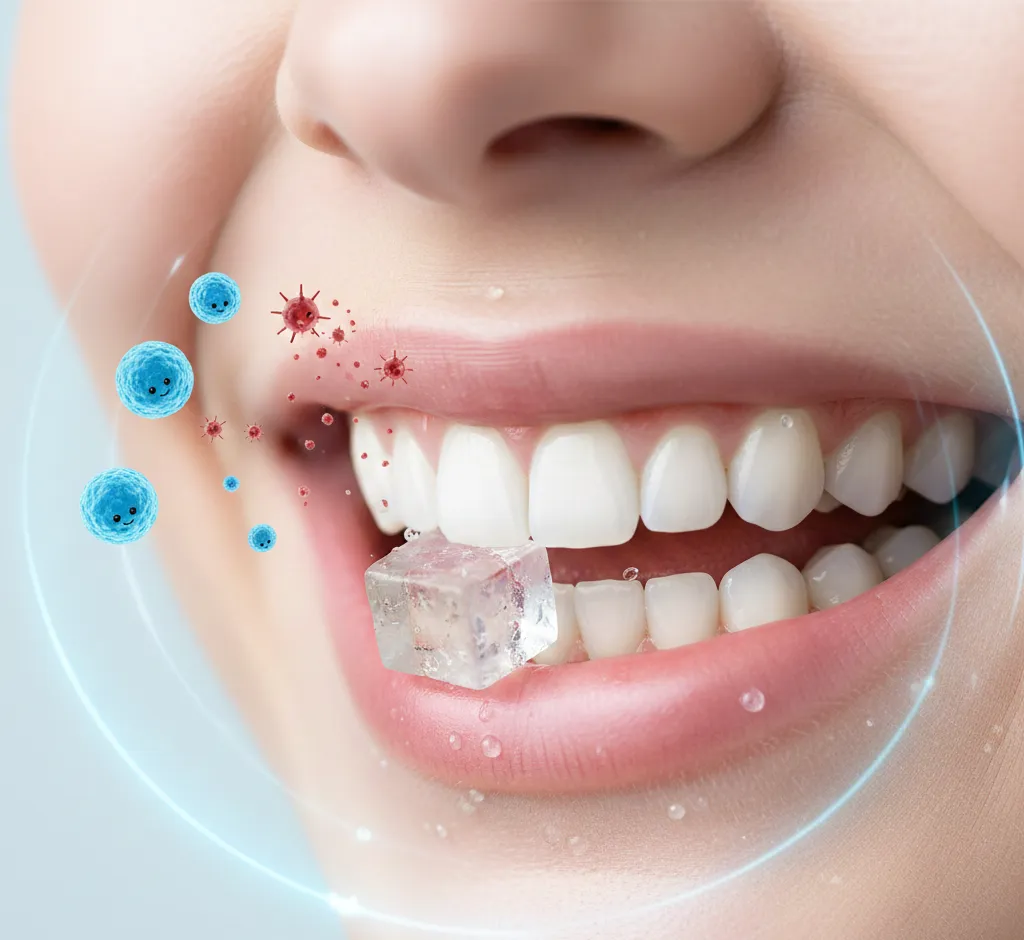
Aloe Vera Gel for Gum Health: Benefits, Uses, and Safety Guide
Discover how aloe vera gel can support gum health. Learn about its benefits for inflammation, healing, and oral hygiene, plus how to use it safely in your daily routine.
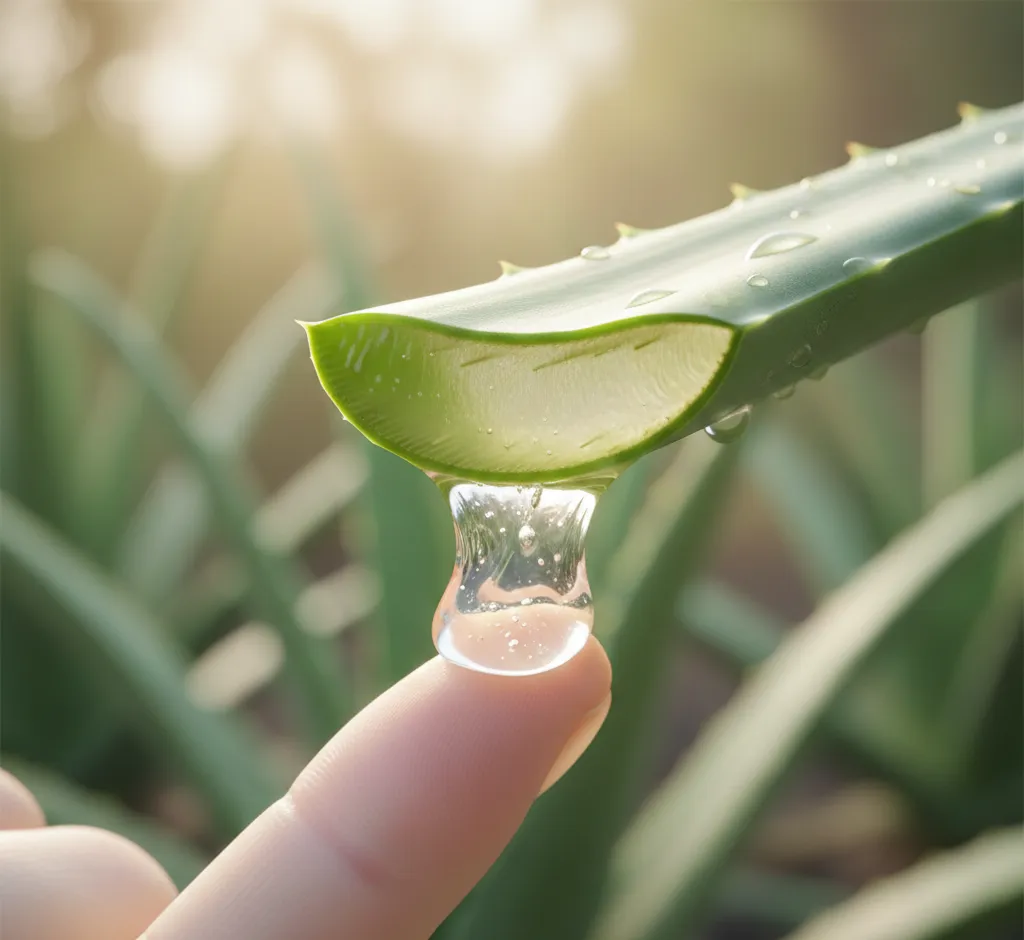
What Is Aloe Vera Gel and Why It Matters for Your Gums
Aloe vera is a succulent plant that has been used for thousands of years to soothe skin, support wound healing, and calm irritation. In recent decades, researchers have also started to explore its potential benefits for oral health, especially for gum tissue. Aloe vera gel contains a rich mix of vitamins, minerals, antioxidants, and bioactive compounds that may help reduce gum inflammation, support healing, and improve overall gum health.
While aloe vera is not a replacement for brushing, flossing, or professional dental care, it can be a useful natural complement to your daily oral hygiene routine. When used correctly and safely, aloe vera gel may help relieve symptoms of gingivitis, support recovery from dental procedures, and keep your gums feeling more comfortable.
Key Benefits of Aloe Vera Gel for Gum Health
Aloe vera gel offers several potential advantages for the gums. Most of these benefits come from its anti-inflammatory, antimicrobial, and soothing properties, as well as its ability to support tissue repair.
1. Helps Reduce Gum Inflammation
Inflamed gums are one of the earliest and most common signs of gum problems. Redness, swelling, and tenderness often indicate gingivitis or irritation caused by plaque buildup, harsh brushing, or ill-fitting dental appliances. Aloe vera gel contains compounds such as polysaccharides and antioxidants that can help calm inflamed tissue.
- Soothe irritated gums: Aloe gel can provide a cooling and calming effect when applied directly to swollen or sore areas.
- Support gingivitis care: When used alongside brushing and flossing, aloe vera may help reduce gum bleeding and discomfort associated with early gum disease.
- Comfort after dental work: Some people use aloe vera gel under guidance from a dentist to ease gum irritation following scaling, root planing, or other treatments.
2. Gentle Antimicrobial Support Against Harmful Bacteria
Gum disease is strongly linked to bacterial plaque, which accumulates around the gumline and between the teeth. If left unchecked, these bacteria can irritate the gums, cause inflammation, and eventually damage the supporting structures of the teeth. Aloe vera gel has been shown in some studies to have mild antimicrobial properties that may help reduce harmful bacteria in the mouth.
- Targets plaque-forming bacteria: Some research suggests aloe vera mouth rinses can be comparable to mild antiseptic mouthwashes in reducing plaque and gingivitis when used regularly.
- Gentler alternative for sensitive mouths: People who find alcohol-based mouthwashes too harsh sometimes tolerate aloe-based products better.
- Supports a healthier oral environment: By helping to limit bacterial growth, aloe vera may indirectly support fresher breath and healthier gums.
3. Supports Tissue Healing and Gum Repair
Aloe vera is widely known for its role in wound healing on the skin, and similar principles apply to delicate gum tissue. Its gel contains vitamins such as vitamin C, as well as amino acids and enzymes that may support regeneration and repair.
- Post-procedure comfort: Under professional guidance, aloe vera gel may be used to support recovery after procedures such as extractions, deep cleanings, or gum surgery.
- Minor irritations: Small abrasions from food, braces, or rough brushing may feel more comfortable when treated with a thin layer of pure aloe gel.
- Moisturizing effect: Aloe helps keep soft tissue hydrated, which is important for maintaining the integrity and resilience of gum tissue.
4. Natural Relief for Sore or Sensitive Gums
If your gums often feel sore or sensitive, especially when brushing or eating, aloe vera gel may provide a soothing, cooling sensation. This can make it easier to maintain regular oral hygiene without discomfort.
- Calms burning sensations: Aloe gel can be especially comforting if your gums feel hot, raw, or irritated.
- Supports consistent brushing: When your gums are less painful, you are more likely to brush and floss properly, which is essential for long-term gum health.
- Non-abrasive option: Unlike some medicated gels, pure aloe vera is typically gentle and non-irritating for most people when used correctly.
How to Use Aloe Vera Gel for Gum Health
To get the most out of aloe vera for your gums, you need to choose the right product and apply it properly. Below are several safe and practical ways to add aloe vera to your oral care routine.
1. Direct Application to the Gums
One of the simplest methods is to apply a thin layer of aloe vera gel directly onto your gum tissue. This can be especially helpful for targeted relief in specific areas.
Step-by-step guide
- Brush and floss first: Clean your teeth and gums thoroughly to remove plaque and food debris.
- Wash your hands: Always start with clean hands to avoid introducing new bacteria into your mouth.
- Apply a small amount: Place a pea-sized amount of pure aloe vera gel on a clean fingertip or cotton swab.
- Massage gently: Rub the gel onto your gumline and any areas that feel sore or inflamed.
- Let it sit: Avoid eating or drinking for 20–30 minutes to give the gel time to act.
You can repeat this process 1–3 times a day, depending on your level of discomfort and your dentist’s advice.
2. Aloe Vera Mouth Rinse
Another popular way to use aloe vera for gum health is as a mouth rinse. Aloe-based rinses can reach areas that are difficult to target with direct application, such as between teeth and around the back molars.
Simple homemade aloe rinse
Always consult your dentist before using homemade oral care products, especially if you have gum disease, dental restorations, or ongoing treatments.
- Choose safe aloe gel: Use a food-grade, pure aloe vera gel that is free from artificial colors, fragrances, and alcohol.
- Dilute with water: Mix approximately 1 part aloe vera gel with 3–4 parts clean, lukewarm water in a clean glass.
- Swish gently: Take a small sip and swish it around your mouth for 30–60 seconds, focusing on the gumline.
- Spit, do not swallow: Spit the mixture out and avoid eating or drinking for 15–20 minutes afterward.
Use this rinse once or twice daily, unless your dental professional recommends otherwise.
3. Aloe Vera with Your Toothpaste
Many natural toothpaste brands now include aloe vera as a key ingredient. These formulas are designed to gently clean while supporting soft tissue health.
- Look for fluoride: If you are prone to cavities, choosing an aloe-based toothpaste that also contains fluoride can help protect your enamel.
- Check the ingredients: Avoid products with harsh abrasives, artificial dyes, or high levels of alcohol if you have sensitive gums.
- Use as usual: Brush twice a day with an aloe-enriched toothpaste, using a soft-bristled brush and gentle technique.
4. Combining Aloe Vera with Professional Care
Aloe vera works best as part of a broader gum care strategy, not as a standalone treatment. Always combine aloe use with proven oral hygiene practices.
- Regular cleanings: Continue to visit your dentist or hygienist for professional cleanings and check-ups.
- Treatment for gum disease: If you have moderate or advanced periodontitis, aloe vera can be a supportive therapy but not a substitute for scaling, root planing, or other procedures.
- Follow your dentist’s instructions: Ask your dentist if aloe vera is appropriate for your specific gum condition and how often you should use it.
How to Choose a Safe Aloe Vera Gel for Your Gums
Not all aloe vera products are suitable for use in the mouth. Many gels are formulated for external skincare and may contain ingredients that should not be applied to gum tissue or ingested.
1. Check the Ingredient List
Reading the label carefully is essential before using any aloe product orally.
- Look for high aloe content: Aloe vera should be listed among the first ingredients, ideally as "Aloe Barbadensis Leaf Juice" or similar.
- Avoid unnecessary additives: Steer clear of products with artificial fragrances, dyes, parabens, or strong preservatives intended for cosmetic use.
- Food-grade or oral-safe: Choose a gel clearly labeled as food-grade or safe for oral use whenever possible.
2. Choose the Right Form
Aloe vera comes in several forms, including fresh leaf gel, bottled gel, and aloe juice.
- Fresh leaf gel: Can be used if harvested hygienically, but you must remove the yellow latex layer, which can be irritating and should not be ingested.
- Bottled gel: More convenient and consistent, especially if labeled for food or oral use.
- Aloe juice: Sometimes used in mouth rinses, but must be pure, properly stored, and used according to product instructions.
3. Look for Quality and Safety Certifications
Quality can vary widely between brands, so look for signs of safe manufacturing.
- Reputable brands: Choose companies with transparent ingredient lists and good reviews.
- Certifications: Organic certifications and quality seals from independent organizations can be helpful indicators.
- Expiration dates: Always check the expiry date and avoid using products that have changed color, texture, or smell.
Potential Risks and Precautions When Using Aloe Vera on Gums
Although aloe vera is generally considered safe for topical use, it is still important to understand potential side effects and limitations, especially when applying it inside the mouth.
1. Allergic Reactions and Sensitivities
Some people may be sensitive or allergic to aloe vera. Reactions can include itching, burning, or rash.
- Patch test first: Apply a small amount of aloe gel to the inside of your wrist or forearm and wait 24 hours to check for any reaction.
- Test on a small gum area: When using in the mouth for the first time, start with a tiny amount on a limited area of your gums.
- Discontinue if irritated: If you experience pain, burning, or swelling, rinse your mouth thoroughly and stop using the product.
2. Do Not Swallow Large Amounts
Pure aloe vera gel used topically in small amounts is usually safe for most people, but swallowing significant quantities is not recommended without medical guidance.
- Spit out rinses: Always spit out aloe-based mouth rinses rather than swallowing them.
- Avoid aloe latex: The yellow latex portion found just under the leaf skin has a laxative effect and can cause stomach discomfort or diarrhea.
- Talk to your doctor: If you are pregnant, breastfeeding, taking medications, or have digestive conditions, consult a healthcare professional before using aloe internally.
3. Aloe Vera Is Not a Replacement for Dental Treatment
It is important to remember that aloe vera cannot cure gum disease on its own. Gingivitis and periodontitis are complex conditions that require professional diagnosis and treatment.
- Seek professional help: If you notice persistent bleeding, swelling, gum recession, or loose teeth, see your dentist as soon as possible.
- Use aloe as a supplement: Treat aloe vera as a supportive, natural addition to your oral care routine, not as a stand-alone solution.
- Follow recommended care: Maintain brushing twice a day, daily flossing, and regular dental visits even when using aloe vera.
Who Can Benefit Most from Aloe Vera for Gum Health?
Aloe vera may be especially useful for people dealing with mild gum irritation or those who prefer gentler, more natural oral care options. However, it can be suitable for many different situations when used correctly.
1. People with Early Gum Problems
If you have early-stage gum issues such as gingivitis, aloe vera might help ease symptoms and support healing alongside professional care.
- Bleeding when brushing: Aloe may help calm inflamed tissue so your gums bleed less as they heal.
- Red or puffy gums: Regular application can support a reduction in redness and swelling.
- Sensitivity: Aloe’s soothing properties may make brushing less uncomfortable.
2. Individuals with Sensitive Mouths
Some people cannot tolerate conventional mouthwashes or medicated gels due to burning, dryness, or strong flavor. Aloe vera often feels gentler.
- Alcohol-free option: Aloe rinses and gels are typically free from alcohol, which can dry and irritate soft tissue.
- Mild taste: Pure aloe products usually have a subtle, mild taste compared to strong mint or medicinal flavors.
- Less stinging: Aloe is often better tolerated on raw or sensitive gum tissue.
3. People Recovering from Dental Procedures
After certain dental treatments, your gums may feel sore and delicate. With your dentist’s approval, aloe vera gel can sometimes support comfort and recovery.
- After deep cleanings: Aloe may help soothe areas that feel tender after scaling and root planing.
- Denture or brace irritation: If your dentures or orthodontic appliances rub against your gums, a thin layer of aloe can reduce friction and discomfort.
- Minor soft tissue injuries: Bumps or cuts from hard foods may feel better with temporary aloe application.
Daily Gum Care Routine with Aloe Vera
To use aloe vera effectively, integrate it into a consistent, balanced oral hygiene routine that supports both teeth and gums.
Sample morning routine
- Brush: Use a soft-bristled toothbrush and fluoride toothpaste (optionally aloe-based), brushing gently for at least two minutes.
- Floss: Clean between all teeth to remove plaque and food particles that brushes cannot reach.
- Aloe application: Apply a small amount of aloe gel directly to your gums or use an aloe mouth rinse as described earlier.
Sample evening routine
- Brush again: Gently brush to remove plaque that has built up throughout the day.
- Floss or use interdental brushes: Focus on areas where plaque tends to accumulate, such as between back teeth.
- Targeted aloe treatment: Massage aloe into any areas that feel particularly sore, then avoid eating or drinking for at least 20–30 minutes.
Frequently Asked Questions About Aloe Vera Gel for Gum Health
Can aloe vera cure gum disease?
No. Aloe vera cannot cure gum disease on its own. It may help reduce inflammation and support healing, but periodontal disease requires professional evaluation and treatment. Aloe is best used as a supportive therapy alongside regular dental visits, proper brushing, and flossing.
How often can I use aloe vera on my gums?
For most people, applying aloe vera gel 1–3 times per day is reasonable. However, frequency can vary based on your individual needs and the specific product used. If you have ongoing gum problems, ask your dentist for personalized guidance.
Is it safe to use aloe vera on children’s gums?
Aloe vera is generally safe when used properly, but children are more likely to swallow products applied in the mouth. Always consult a pediatric dentist before using aloe vera gel or rinses on a child’s gums, and supervise them closely.
Can I use aloe vera from a fresh plant directly on my gums?
In some cases, yes, but you must do so carefully. Remove the green outer skin and the yellow latex layer completely, then use only the clear inner gel. Rinse it thoroughly to remove any bitter residue, and apply a small amount to your gums. If you are unsure, it is safer to use a high-quality, food-grade aloe product designed for oral use.
When should I stop using aloe vera and see a dentist?
If your gums continue to bleed, swell, or hurt after a week or two of regular aloe use, or if you notice pus, bad breath, loose teeth, or receding gums, stop self-treating and consult a dentist promptly. These can be signs of more serious gum disease that requires professional care.
Final Thoughts: Aloe Vera as a Natural Ally for Healthy Gums
Aloe vera gel can be a valuable ally in your gum health routine. Its soothing, anti-inflammatory, and gentle antimicrobial properties may help calm irritated gums, support healing, and make daily oral hygiene more comfortable. By choosing a safe, high-quality aloe product and using it correctly, you can naturally support your gums while still relying on proven dental care practices.
Remember that aloe vera is a complement—not a substitute—for brushing, flossing, and regular dental visits. If you have ongoing gum problems or are unsure whether aloe vera is right for you, talk to your dentist. Together, you can design a personalized plan that supports your gum health today and helps protect your smile for years to come.