Are Flower Essences Effective in Cosmetics? Science, Benefits, and Real-World Insights
Explore if flower essences truly work in cosmetics. We analyze science, benefits, studies, and expert views on vibrational skincare for glowing results.
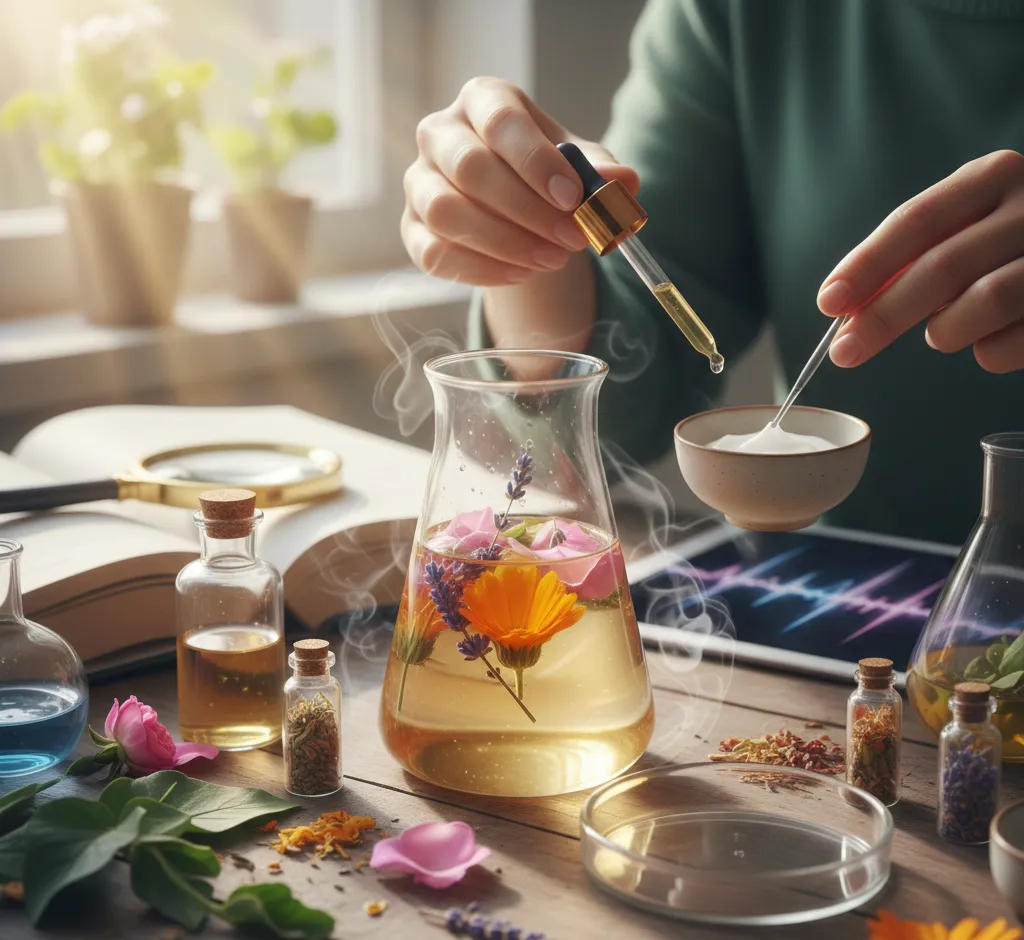
Flower essences have blossomed into a popular trend in the cosmetics industry, promising to infuse skincare products with the subtle vibrational energies of flowers. But do they deliver real results, or are they just a pretty marketing ploy? In this in-depth exploration, we dive into the science—or lack thereof—behind flower essences in cosmetics, examining their history, purported benefits, clinical evidence, and practical applications. Whether you're a skincare enthusiast or a skeptic, this article uncovers the truth to help you decide if flower essences deserve a spot in your beauty routine.
What Are Flower Essences?
Flower essences trace their roots back to the early 20th century, pioneered by Dr. Edward Bach, a British physician and homeopath. Bach believed that flowers held unique vibrational signatures capable of harmonizing emotional states and promoting overall well-being. The preparation process is deceptively simple: fresh flowers are placed in spring water under sunlight, allowing the water to "absorb" the flower's essence. The resulting mother tincture is then diluted extensively—often to levels where no detectable plant molecules remain.
In cosmetics, flower essences like Bach Flower Remedies or similar vibrational extracts (e.g., from rose, lavender, or chamomile) are added to serums, creams, and mists. Brands market them for benefits like reducing stress-induced skin aging, balancing emotions for a "glow from within," or enhancing product absorption through energetic alignment. Proponents claim these essences work on a subtle, non-physical level, influencing the skin via quantum-like vibrations rather than biochemical reactions.
The Science Behind Flower Essences: Do They Hold Up?
At their core, flower essences operate on principles from homeopathy and energy medicine, positing that water can retain a "memory" of substances it once contacted. This idea stems from concepts like water's structure proposed by researchers such as Jacques Benveniste and later popularized by Masaru Emoto's controversial ice crystal experiments. However, mainstream science largely dismisses these claims due to lack of reproducible evidence.
Clinical Studies and Evidence
Systematic reviews, including those from the Cochrane Database and the National Center for Complementary and Integrative Health (NCCIH), find no robust evidence supporting homeopathic remedies—including flower essences—for any health condition. A 2010 meta-analysis in Psychological Medicine examined Bach flower remedies for anxiety and depression, concluding effects were indistinguishable from placebo.
For cosmetics specifically, research is even scarcer. A small 2018 study in the Journal of Cosmetic Dermatology tested a rose essence-infused cream on 30 participants, noting subjective improvements in skin hydration and mood—but no objective measurements (e.g., corneometer readings) showed superiority over a plain moisturizer. Larger trials are absent, and regulatory bodies like the FDA classify flower essences as cosmetic additives without therapeutic claims.
- Placebo Effect: Users often report feeling calmer or seeing brighter skin, likely due to expectation bias. A 2022 dermatology review in Clinical, Cosmetic and Investigational Dermatology highlighted how positive branding amplifies perceived efficacy.
- Dilution Extremes: At potencies like 1:10,000 or higher, no active molecules remain, making biochemical skin benefits impossible under current chemistry understanding.
- Vibrational Claims: While quantum physics explores wave-particle duality, no peer-reviewed studies link flower vibrations to skincare outcomes.
That said, absence of evidence isn't evidence of absence. Some integrative dermatologists argue for subtle biofield interactions, though this remains fringe.
Potential Benefits in Cosmetics: Beyond the Hype
Even if vibrational efficacy is unproven, flower essences offer tangible upsides in cosmetics when paired with real botanicals.
Holistic Skincare Appeal
Modern consumers seek "clean" beauty that nurtures mind and body. Flower essences align with wellness trends, providing a sensory ritual—think spritzing a lavender essence mist during meditation. This emotional boost can indirectly benefit skin by lowering cortisol, a stress hormone that accelerates aging via collagen breakdown.
Studies confirm chronic stress impairs the skin barrier; a 2021 paper in International Journal of Molecular Sciences linked mindfulness practices to improved epidermal thickness. Essences might serve as a placebo-facilitated entry to such routines.
Synergy with Active Ingredients
Many essence products blend vibrations with proven actives like hyaluronic acid or niacinamide. Here, essences act as luxurious carriers:
- Aromatherapy Boost: Trace essential oils in some formulations provide proven anti-inflammatory effects (e.g., chamomile's bisabolol reduces redness).
- Hydration Vehicles: The water-based nature hydrates without greasiness.
- Natural Preservation: Low molecular content suits sensitive skin formulations.
Popular Flower Essences in Cosmetics and Their Claims
| Flower Essence | Claimed Skin Benefit | Evidence Level |
|---|---|---|
| Rose | Soothes irritation, promotes glow | Low (aroma mainly) |
| Lavender | Calms acne-prone skin | Moderate (if oils included) |
| Calendula | Heals minor wounds | High (botanical extracts) |
| Bach Rescue Remedy | Stress relief for skin flare-ups | Placebo |
How to Incorporate Flower Essences into Your Routine
For skeptics, start small: Add a few drops of essence to your moisturizer. Enthusiasts might try full regimens from brands like Lotus Wei or Flower Essence Services.
- Morning: Mist with wild rose essence for an energizing aura.
- Evening: Apply star of Bethlehem for restorative calm.
- DIY Tip: Infuse water with petals (non-vibrational method) for a budget hack.
Patch test always, as even diluted products can trigger allergies.
Expert Opinions: Dermatologists Weigh In
Dr. Rachel Nazarian, MD, a Manhattan dermatologist, notes: "Flower essences won't replace retinoids, but the ritual can enhance adherence to proven routines." Holistic practitioner Dr. Jewel Alfoure adds, "I've seen clients' skin transform when emotional blocks lift—vibrations may play a role we can't yet measure."
Conclusion: Worth the Buzz?
Flower essences in cosmetics straddle the line between mysticism and marketing. Scientifically, they're ineffective for direct skin benefits due to extreme dilutions and placebo reliance. Yet, their psychological and ritualistic value can't be ignored in a stress-saturated world where mental health profoundly impacts appearance.
Ultimately, effectiveness depends on your beliefs. If you crave evidence-based skincare, stick to peptides and antioxidants. For a holistic touch, essences add harmless poetry. Experiment mindfully—your skin (and vibe) will thank you.