Are Herbal Remedies Better for Acne? A Science‑Backed Look at Natural Treatments
Are herbal remedies really better for acne? Discover the science behind natural treatments like tea tree oil, aloe vera, and green tea, how they compare with conventional acne medications, and how to safely combine them for clearer skin.
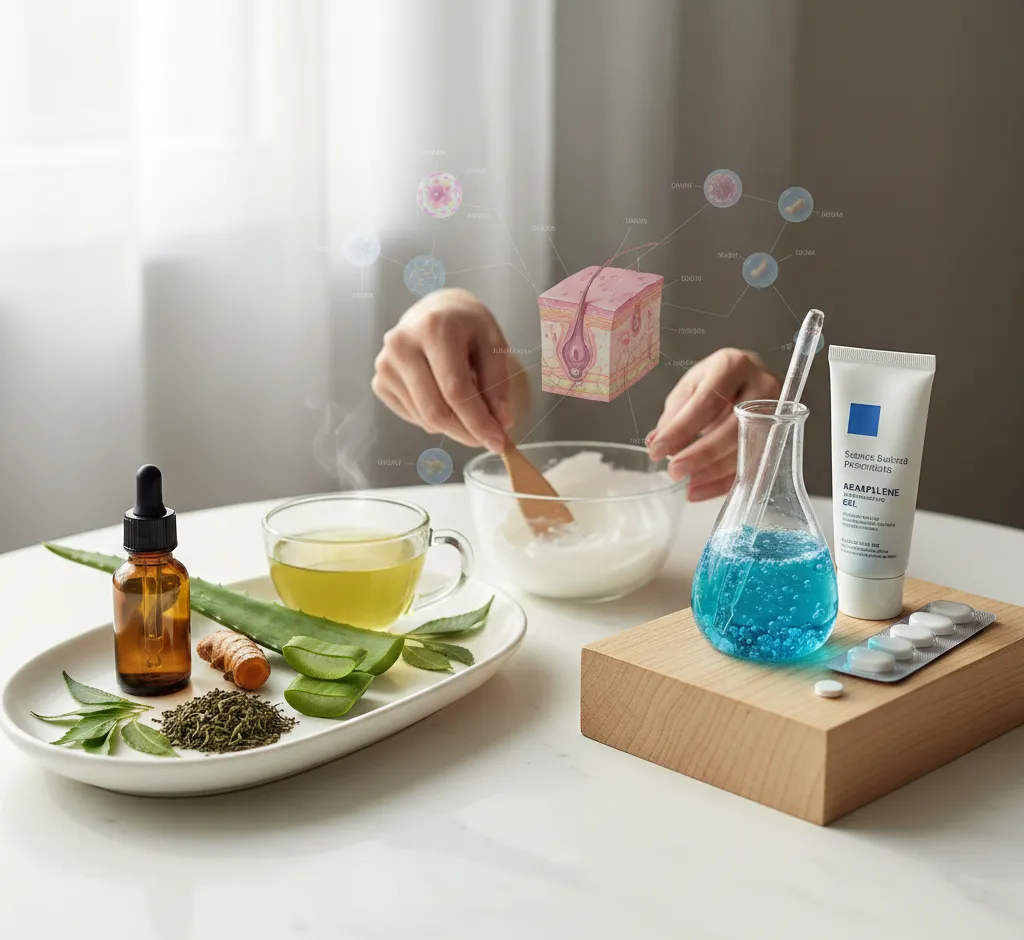
Acne is one of the most common skin concerns in the world, affecting teenagers and adults alike. As more people worry about side effects from conventional medications, interest in natural and herbal remedies has exploded. But are herbal remedies really better for acne, or is this just a trend driven by marketing and social media?
In this article, we take an evidence-based look at popular herbal treatments for acne, how they compare with standard therapies, and what you should know before changing your skincare routine.
What Causes Acne in the First Place?
Before comparing herbal and conventional treatments, it helps to understand what actually causes acne. Acne develops when several factors come together:
- Excess oil (sebum) production – often driven by hormones, especially androgens.
- Clogged pores – dead skin cells and oil plug the hair follicles.
- Bacteria overgrowth – particularly Cutibacterium acnes (formerly Propionibacterium acnes).
- Inflammation – the immune system reacts, causing redness, swelling, and sometimes pain.
Effective acne treatments usually target one or more of these factors: they reduce oil, unclog pores, control bacteria, or calm inflammation. Both herbal and conventional options can play a role here—but not all are equally powerful or well-studied.
Conventional Acne Treatments: Pros and Cons
Dermatologists commonly recommend a mix of topical and, sometimes, oral medications. These include:
- Topical retinoids (like adapalene or tretinoin) to unblock pores and improve skin turnover.
- Benzoyl peroxide to kill acne-causing bacteria and reduce inflammation.
- Topical or oral antibiotics to control bacterial overgrowth.
- Hormonal treatments (e.g., certain birth control pills, spironolactone) for hormonally driven acne.
- Isotretinoin (oral) for severe, resistant acne.
These treatments are often effective and backed by many clinical trials, but they are not perfect.
Advantages of conventional treatments
- Strong scientific evidence for many of them.
- Often faster and more predictable results.
- Clear dosing guidelines and safety information.
Disadvantages and concerns
- Common side effects, such as dryness, redness, peeling, or irritation.
- Risk of antibiotic resistance with overuse of antibiotics.
- Some oral medications can have serious risks and require monitoring.
- Not everyone wants to use synthetic or prescription drugs long term.
These drawbacks drive many people to explore herbal or “natural” remedies. But natural does not automatically mean better—or even safer.
What Do We Mean by Herbal Remedies for Acne?
Herbal remedies are treatments derived from plants, including:
- Whole herbs (fresh or dried).
- Extracts in creams, gels, or serums.
- Teas, tinctures, capsules, or powders taken internally.
- Essential oils (highly concentrated plant oils).
These remedies may work through several mechanisms: antibacterial, anti-inflammatory, antioxidant, mild exfoliating, or hormone-modulating effects. However, herbal products vary widely in quality, concentration, and purity, which makes it harder to compare them or guarantee results.
Popular Herbal Remedies for Acne (and the Evidence)
Some herbs have more research support than others. Here are several commonly used herbal options and what studies suggest about their effectiveness.
Tea tree oil
Tea tree oil is one of the best-known natural treatments for acne. It has documented antibacterial and anti-inflammatory properties. Small clinical trials have found that:
- Topical tea tree oil gels can reduce the number of acne lesions.
- Results may be comparable to lower-strength benzoyl peroxide in mild to moderate acne, though typically slower.
Pros: Naturally antibacterial, may be less drying than benzoyl peroxide for some people.
Cons: Can cause irritation, allergic reactions, or contact dermatitis, especially if not diluted properly. Essential oils should never be applied undiluted directly to the skin.
Aloe vera
Aloe vera gel is widely used for soothing irritated or inflamed skin. Some research suggests that:
- Aloe combined with conventional acne medications (like tretinoin) can improve effectiveness and reduce side effects.
- Aloe alone may have mild anti-inflammatory and wound-healing benefits for acne-prone skin.
Pros: Generally well tolerated, soothing, hydrating, and can support skin barrier recovery.
Cons: Unlikely to clear moderate or severe acne on its own; effectiveness depends strongly on product formulation and concentration.
Green tea (topical or oral)
Green tea contains polyphenols with antioxidant and anti-inflammatory effects. Topical formulations with green tea extract have shown:
- Reduced sebum production in some studies.
- Possible improvement in inflammatory acne lesions.
Drinking green tea may offer systemic antioxidant and mild anti-androgen benefits, but evidence specifically for acne is still limited.
Pros: May reduce oiliness, offers antioxidant protection, and is usually gentle.
Cons: Clinical data are relatively small and not as robust as for standard acne drugs. Results tend to be modest.
Witch hazel
Witch hazel is a plant extract often used as a natural toner. It has astringent and anti-inflammatory properties that can make pores appear tighter and reduce redness.
Pros: Can temporarily reduce shine and soothe mild irritation.
Cons: Many commercial witch hazel products contain alcohol, which can dry and irritate acne-prone skin, potentially worsening breakouts if overused.
Neem
Neem is used in traditional Ayurvedic medicine for skin conditions. Laboratory studies suggest neem may have antibacterial and anti-inflammatory actions, but clinical evidence for acne is still limited.
Pros: Potential antibacterial effects against acne-related microbes.
Cons: Lack of strong human trials, and some people may experience irritation or allergic reactions.
Turmeric (curcumin)
Turmeric contains curcumin, a powerful anti-inflammatory and antioxidant compound. In topical form, turmeric extracts may help calm redness and support healing. Taken orally, curcumin supplements may influence systemic inflammation, but they are not a stand-alone acne cure.
Pros: Strong anti-inflammatory potential, supports overall skin health.
Cons: Can stain skin and clothing, and bioavailability in supplement form is a challenge. Evidence for acne is promising but still developing.
Are Herbal Remedies Really Better Than Conventional Treatments?
The key question is not whether herbal remedies can help—they can—but whether they are better than standard acne treatments. For most people and most types of acne, the honest answer is: not usually better, but potentially helpful as part of a combined approach.
Where herbal remedies may shine
- Mild acne or occasional breakouts: For minor blackheads, whiteheads, or a few pimples, gentle herbal products may be enough, especially when combined with a solid skincare routine.
- Supporting skin barrier health: Soothing botanicals like aloe, colloidal oatmeal, and certain plant oils can help repair irritation caused by stronger actives.
- People with sensitive skin: Some individuals tolerate well-formulated herbal products better than harsh conventional treatments, although sensitivities to plant ingredients are also possible.
- Complementary care: Herbal ingredients can sometimes boost results or reduce side effects when used alongside dermatologist-prescribed medications.
Where conventional treatments usually perform better
- Moderate to severe acne: Deep, cystic, or widespread acne almost always requires evidence-based medical treatments for meaningful improvement and scar prevention.
- Hormonal acne: When breakouts are clearly tied to hormones (for example, along the jawline or around the menstrual cycle), herbal remedies alone are rarely enough.
- Scarring risk: Delaying effective medical therapy in favor of unproven herbal options can increase the risk of permanent scars.
In short, herbal remedies can be a useful part of an acne strategy, but they are not a universal replacement for conventional dermatologic care.
Safety Considerations for Herbal Acne Treatments
Herbal does not automatically mean safe. Just like conventional medications, plant-based products can cause side effects, allergic reactions, or interactions with other treatments.
Common risks to watch for
- Skin irritation and allergies: Essential oils, fragrance components, and certain plant extracts can trigger redness, itching, or rashes.
- Photosensitivity: Some herbs make your skin more sensitive to sunlight, increasing the risk of sunburn or pigmentation.
- Contamination and quality issues: Poor manufacturing practices may lead to contamination with heavy metals, pesticides, or incorrect plant species.
- Interactions with medications: Oral herbal supplements can interact with hormones, blood thinners, or other drugs.
How to use herbal remedies more safely
- Patch test first: Apply a small amount to a discreet area of skin and wait 24–48 hours to check for a reaction.
- Avoid undiluted essential oils: Always use them in properly diluted, professionally formulated products.
- Choose reputable brands: Look for clear ingredient lists, concentration information, and, when possible, third-party testing.
- Consult a professional: If you have moderate to severe acne, other health conditions, or take regular medications, talk to a dermatologist or qualified healthcare provider before starting oral herbal supplements.
Designing an Acne Routine that Blends Herbal and Conventional Care
Instead of asking whether herbal remedies are better, a more practical question is: how can I combine the best of both worlds for my skin?
Step 1: Build a gentle foundation routine
- Cleanser: Use a mild, non-stripping cleanser twice daily. Over-washing or harsh soaps can worsen oil production and irritation.
- Moisturizer: Even oily, acne-prone skin needs moisture. Look for lightweight, non-comedogenic formulas. Aloe vera, green tea, or niacinamide can be helpful additions.
- Sunscreen: Daily broad-spectrum SPF is critical, especially when using actives (botanical or synthetic) that can increase sensitivity.
Step 2: Add targeted actives
Here is where you can strategically combine herbal and conventional options:
- Conventional actives: A low-strength retinoid at night or benzoyl peroxide as a spot treatment can tackle clogged pores and bacteria.
- Herbal actives: A serum with green tea extract, a gel with properly diluted tea tree oil, or a moisturizer rich in botanical antioxidants can support anti-inflammatory and oil-modulating effects.
Step 3: Monitor and adjust
Acne treatment is a process, not a one-time fix. Track your skin's response over several weeks:
- If irritation increases, scale back on the number or strength of actives.
- If breakouts persist or worsen after 8–12 weeks, consult a dermatologist rather than continually adding more herbal products.
When You Should See a Dermatologist
While herbal remedies may be appealing, there are clear situations where professional help is essential:
- Severe, painful, or cystic acne.
- Rapidly worsening breakouts despite over-the-counter care.
- Signs of scarring or dark marks that are not fading.
- Significant psychological impact—for example, avoiding social situations because of your skin.
A dermatologist can diagnose the type and cause of your acne, rule out underlying medical issues, and create a plan that may still incorporate some herbal or over-the-counter options if you prefer a more natural-leaning routine.
Key Takeaways: Are Herbal Remedies Better for Acne?
- Herbal remedies like tea tree oil, aloe vera, and green tea can help with mild acne and support overall skin health.
- For moderate to severe acne, or acne with a strong hormonal component, conventional medical treatments usually work better and faster.
- Herbal does not automatically mean safer; plant-based products can still irritate skin or interact with medications.
- The most effective approach for many people is a balanced, personalized routine that may combine gentle herbal ingredients with well-studied medical treatments.
Ultimately, the best acne treatment is not strictly herbal or strictly conventional—it is the one that is safe, evidence-based, and works consistently for your skin, ideally under the guidance of a qualified professional.