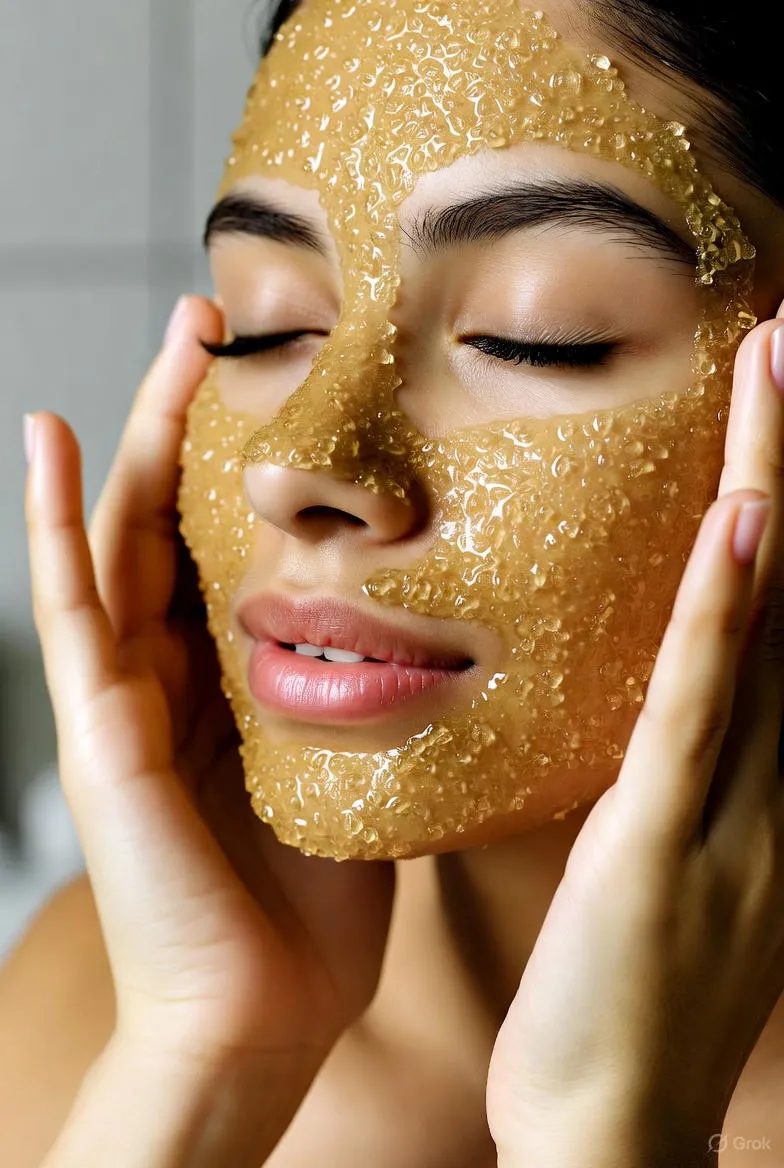
Are Superfoods in Skincare Actually Beneficial? Evidence, Hype and How to Choose Wisely
Discover whether superfoods in skincare are genuinely beneficial or mostly marketing hype. Learn how plant-based antioxidants, oils and herbal extracts affect your skin, what the science really says, and how to choose effective superfood products for your routine.

Superfood skincare is everywhere: cleansers infused with kale, serums packed with berries, and masks boasting turmeric or matcha are now staples on beauty shelves. While these ingredients sound healthy and appealing, the real question is whether superfoods in skincare actually benefit the skin or simply serve as clever marketing. Understanding what these ingredients do, how they work, and where the hype begins helps you make smarter choices for your skin.
What “Superfood” Means in Skincare
The term “superfood” originally comes from nutrition and describes foods with a high density of beneficial nutrients like vitamins, minerals, and antioxidants relative to their calorie content. In skincare, the same word is used much more loosely to describe plant or food-derived ingredients that are rich in antioxidants, essential fatty acids, or other compounds believed to support skin health. This can include fruits like berries, leafy greens like kale, seeds, oils, and herbal extracts.
Unlike in nutrition science, there is no strict regulatory definition of a “superfood” in cosmetics, so brands are free to use the term mainly as a positioning or marketing hook. As a result, two different products can both advertise superfoods while containing very different types and concentrations of active ingredients. Recognizing that “superfood” itself is not a guarantee of effectiveness is the first step toward evaluating any product more critically.
How Superfoods Can Help Skin
Many ingredients labeled as superfoods are rich in antioxidants such as polyphenols, vitamins C and E, carotenoids, and other plant compounds that help neutralize free radicals generated by UV light and pollution. Scientific reviews show that plant-derived antioxidants can support skin by reducing oxidative stress, which is closely linked with premature aging, uneven tone, and dullness. Experimental work in models of skin damage also indicates that antioxidant compounds can help protect skin barrier function and reduce inflammation triggered by environmental insults.
Some superfood ingredients also provide essential fatty acids and other lipids that replenish the skin’s barrier and improve hydration. Oils rich in linoleic acid and balanced fatty acid profiles tend to support barrier repair better than formulations dominated by certain monounsaturated fats that can disrupt barrier function when overused. In practice, this means that superfood-based oils and butters can help soften the skin, reduce transepidermal water loss, and improve comfort, especially when formulated thoughtfully with the overall lipid balance in mind.
Popular Superfood Ingredients and Their Claimed Benefits
Not all superfood ingredients are equal, but several commonly used ones have promising data or well-understood mechanisms. Many berry extracts, such as goji, acai, or blueberries, contain high levels of antioxidants that can help protect against free radical damage and may support a more even skin tone. Evidence suggests that certain superfood extracts, including goji berry, can influence pathways related to pigmentation, which may help reduce the formation of dark spots when used consistently in well-formulated products.
Other frequently highlighted ingredients include green tea, matcha, and herbal extracts like Centella asiatica. Green tea components such as epigallocatechin gallate (EGCG) have been shown in research settings to help protect the skin barrier, improve hydration, and reduce inflammation in response to pollutants. Centella asiatica extracts contain bioactive compounds associated with antioxidant, anti-inflammatory, and wound-healing effects, supporting their use in formulas aimed at calming sensitive or compromised skin.
Berries, Fruits and Pigment Control
Colorful fruits and berries are often included in brightening serums and anti-aging creams thanks to their high vitamin and polyphenol content. Certain berry extracts have been studied for their ability to modulate enzymes involved in melanin production, which is the process that leads to brown spots and uneven tone. For example, goji berry extract has been linked with reduced activity of tyrosinase, an enzyme central to melanin synthesis, suggesting a potential role in improving overall radiance when combined with broad-spectrum sun protection and other supportive ingredients.
At the same time, these brightening effects depend heavily on concentration, formulation stability, and the presence of complementary ingredients such as UV filters and other antioxidants. A product containing only a trace amount of fruit extract for marketing purposes is unlikely to deliver visible pigment control compared with clinically tested actives like stabilized vitamin C, niacinamide, or certain exfoliating acids. For hyperpigmentation, superfoods can be helpful supporting players rather than stand-alone solutions.
Seeds, Nuts and Healthy Fats
Superfood oils from seeds and nuts, such as chia, pumpkin, and other nutrient-dense sources, contribute essential fatty acids that help reinforce the skin’s lipid barrier. These oils often contain omega-3 and omega-6 fatty acids, along with vitamin E and phytosterols that work together to reduce dryness and improve suppleness. Maintaining a strong barrier is crucial because it minimizes water loss, keeps irritants out, and supports overall resilience against environmental stressors.
Research on topical plant oils highlights that oils dominated by oleic acid can sometimes increase skin permeability and irritation, whereas those with more balanced or linoleic-rich profiles tend to support barrier integrity better. For people with dry or mature skin, formulas that balance different superfood oils can provide emollience and comfort, while those with very reactive or acne-prone skin may benefit from lighter, non-comedogenic oils and patch-testing before full use.
Herbal and Leafy Extracts
Leafy “greens” like kale, spinach, and matcha are increasingly featured in cleansers, masks, and serums as superfood ingredients. These plants are rich in vitamins, minerals, and chlorophyll, and their extracts can offer antioxidant support that helps protect against daily environmental stress and contributes to a healthier-looking complexion. Herbal extracts such as Centella asiatica and others have been characterized as containing a range of bioactive compounds with antioxidant, anti-inflammatory, and antimicrobial effects, making them valuable for soothing, barrier-supportive formulations.
Adaptogenic and plant-based ingredients are also popular in modern skincare marketing because they align with consumer interest in holistic wellness and natural lifestyles. When backed by thoughtfully designed formulas and reasonable claims, these ingredients can complement core actives by calming irritation, providing a mild protective effect, and enhancing overall comfort in daily routines.
The Real Science: Antioxidants, Barrier Support and Aging
Beyond the superfood label, the key scientific concepts in many of these products revolve around antioxidants, anti-inflammatory actions, and barrier repair. Oxidative stress from pollutants, UV radiation, and lifestyle factors contributes significantly to skin aging by damaging lipids, proteins, and DNA in skin cells. Studies indicate that applying antioxidant-rich formulations can help reduce this damage, improve visible signs of aging, and support a healthier skin appearance when used consistently alongside sun protection.
One experimental study using antioxidants such as resveratrol, EGCG, and other plant-derived compounds found that these ingredients helped preserve skin hydration, reduced inflammatory markers, and improved barrier-related proteins in models of skin exposed to particulate pollution. While such data cannot be directly translated one-to-one to every cosmetic cream, it supports the idea that well-formulated antioxidant products, including those using superfood extracts, can contribute to a more resilient, hydrated, and less inflamed skin barrier over time.
Do Superfoods Replace Clinical Actives?
Despite their benefits, superfoods do not automatically replace more established dermatological actives. Ingredients like retinoids, niacinamide, peptides, and well-studied exfoliating acids have a strong track record supported by extensive clinical research for improving wrinkles, firmness, texture, and discoloration. Superfood extracts, by contrast, often have lighter evidence, smaller studies, or are extrapolated from nutritional rather than topical data, which makes their effects less predictable.
In many cases, the best approach is synergy: combining moderately dosed superfood extracts with proven actives can allow for supportive antioxidant and soothing effects without relying solely on trendy ingredients. For example, formulations that pair plant antioxidants with sunscreen, humectants like hyaluronic acid, or barrier-repairing lipids often provide a more comprehensive approach to aging and sensitivity than superfoods on their own. The most effective product is the one with a balanced overall formula rather than a single heroic ingredient.
Marketing Hype vs. Real Benefits
The cosmetic industry often leans heavily on food-related and wellness trends to promote products, using smoothie-style language and imagery to suggest that what is good for the body is automatically good for the skin. This can make products feel healthier and more wholesome, even when the actual concentration of active plant compounds is low. Some reports note that consumers, especially younger audiences, are drawn to the aesthetic and lifestyle story of superfood skincare as much as to any promised clinical benefits.
Regulators and advertising standards bodies emphasize that objective skincare claims, whether about hydration, anti-aging, or cosmetic appearance, still require robust evidence regardless of whether a product features food-derived ingredients. When a cream claims to significantly reduce wrinkles, even if it contains superfoods, those claims must be backed by credible testing rather than marketing language alone. This means that the presence of kale, berries, or other trendy ingredients is not a substitute for data showing real-world results.
Label Reading and Ingredient Positioning
Many superfood ingredients appear low on the ingredient list, indicating that they are present in small amounts mostly for marketing appeal. When a berry, seed, or herbal extract is listed near the end of a long list of components, its concentration is likely too low to drive meaningful change by itself. Instead, the performance of the product will depend more on core ingredients like emollients, humectants, surfactants, and preservatives that shape texture, stability, and tolerability.
Paying attention to the first several ingredients can give a better sense of a product’s true function. If a formula claims intense hydration yet relies mainly on fragrance and minimal humectants, the presence of a token superfood extract will not transform its performance. Conversely, a product that combines well-documented humectants, barrier lipids, and a reasonable level of botanical antioxidants near the top or middle of the list is more likely to deliver tangible benefits, even if the marketing is understated.
Are Superfoods in Skincare Actually Worth It?
Overall, superfoods in skincare can be beneficial when they provide meaningful levels of antioxidants, essential fatty acids, and other supportive compounds within a well-designed formula. Evidence from studies on plant-derived antioxidants and barrier-supporting ingredients suggests these compounds can help reduce oxidative stress, calm inflammation, and improve hydration, all of which contribute to healthier-looking skin. The benefit is most pronounced when such products are used consistently alongside everyday essentials like sunscreen, gentle cleansing, and moisturizers suited to the skin type.
However, the superfood label by itself does not guarantee superior results compared with standard skincare ingredients. Products that rely heavily on trendy wording without sufficient active concentration, formulation quality, or testing may offer little more than a pleasant sensorial experience. The best strategy is to treat superfoods as potentially helpful supporting ingredients rather than miracle cures and to prioritize evidence-based formulas that align with individual skin concerns and tolerance.
How to Choose Superfood Skincare Wisely
Choosing superfood-based skincare is easier when you focus on ingredient lists, brand transparency, and your own skin’s needs. Look for products that clearly highlight concentrations of key actives, provide information on testing or clinical data, and avoid making unrealistic promises about completely reversing aging or eliminating all imperfections. This kind of transparency is a positive signal that a brand treats superfoods as part of a broader skin health approach instead of a gimmick.
At the same time, listen to your skin: even natural or food-derived ingredients can trigger irritation or allergic responses in some people. Patch-testing new products, especially those with strong herbal or fruit extracts, can help minimize the risk of adverse reactions. When in doubt, consulting a dermatologist is advisable, particularly if you have chronic skin conditions or are using prescription treatments and want to avoid interactions with potent actives.
Practical Tips for Everyday Routines
- Start with basics: Prioritize a gentle cleanser, daily broad-spectrum sunscreen, and a moisturizer that suits your skin type before layering on superfood serums or masks.
- Add antioxidants strategically: Use a serum or moisturizer with clearly identified antioxidant superfood extracts in the morning to help defend against pollution and UV-generated free radicals, alongside sunscreen.
- Support the barrier at night: Reach for superfood-rich oils or creams that focus on barrier-repairing lipids and soothing botanicals to help skin recover while you sleep.
- Combine with proven actives: Pair superfood products with clinically backed ingredients like retinoids or niacinamide if your skin tolerates them, using them on alternate days or in different steps of your routine.
- Be skeptical of extreme claims: Treat any product promising dramatic transformations from a single exotic fruit or seed with caution and look for supporting evidence or professional recommendations.
Key Takeaways on Superfoods in Skincare
Superfoods in skincare are not pure hype, but their benefits depend heavily on formulation quality, ingredient concentration, and how the product fits into your broader routine. Plant-derived antioxidants, healthy fats, and calming herbal extracts can provide real support for barrier function, hydration, and defense against environmental stress when used thoughtfully. The most effective approach is to treat superfoods as valuable allies that enhance a solid, evidence-based routine rather than miracle ingredients that can replace sunscreen, proven actives, or consistent care.
For consumers, the smartest strategy is to look past the buzzwords and assess each product by its INCI list, brand transparency, and realistic claims. When you combine that critical eye with an understanding of how antioxidants, lipids, and soothing botanicals influence skin health, superfood skincare can become a useful and enjoyable part of your regimen without falling for marketing myths.