Are Tea Tree Oils Harmful? Benefits, Risks, And Safe Use Explained
Are tea tree oils harmful or helpful? Learn the science-backed benefits, potential risks, side effects, and safe-use guidelines for tea tree oil in skincare, haircare, and home remedies.
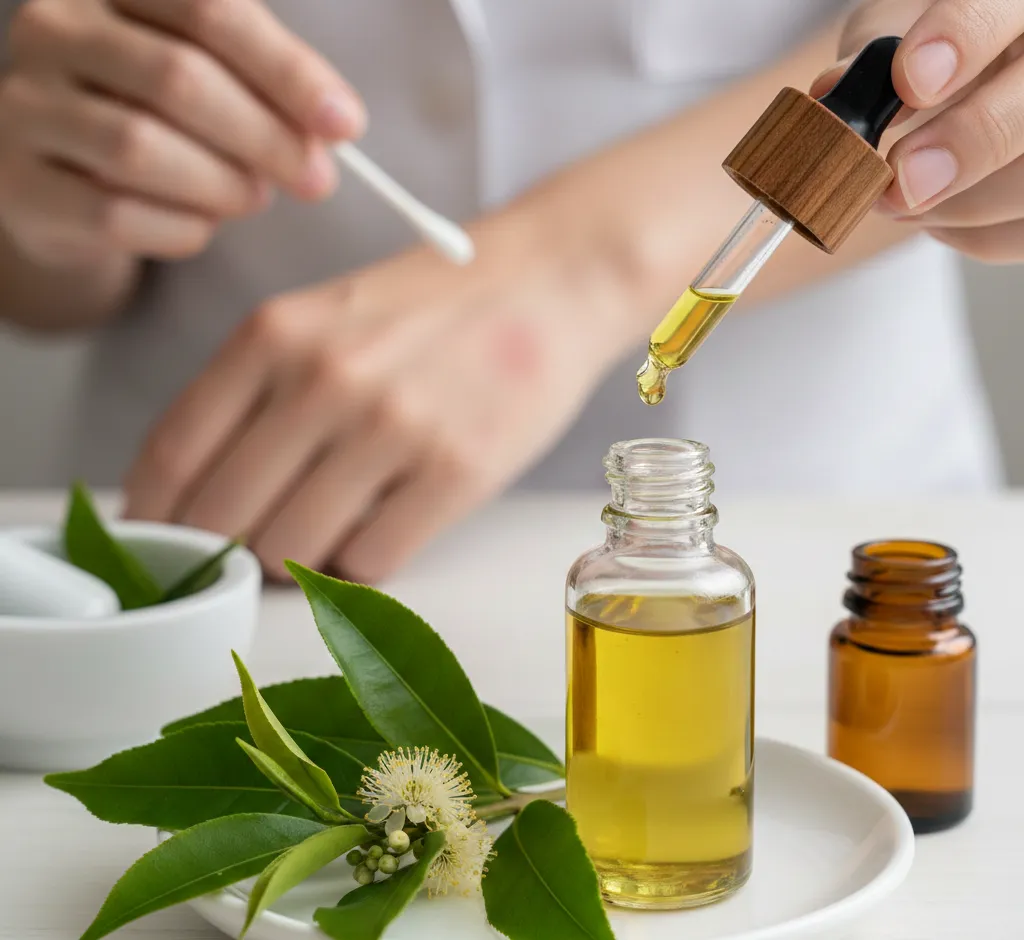
Tea tree oil has become a popular ingredient in natural skincare, haircare, and household products. From acne spot treatments to dandruff shampoos and DIY cleaning sprays, this essential oil is often marketed as a gentle but powerful, plant-based solution. However, many people are now asking an important question: are tea tree oils harmful?
The short answer is that tea tree oil can be both helpful and harmful, depending on how it is used. It offers proven antimicrobial and anti-inflammatory properties, but it also carries real risks if used incorrectly—especially in high concentrations, on sensitive skin, or if swallowed. Understanding these benefits and risks is essential for safe, informed use.
What Is Tea Tree Oil?
Tea tree oil (also called Melaleuca alternifolia oil) is an essential oil extracted from the leaves of the tea tree, a plant native to Australia. It has been used traditionally for generations by Indigenous communities for its antiseptic and healing properties.
Today, tea tree oil is widely used in:
- Skincare products (for acne, blemishes, minor cuts)
- Hair and scalp treatments (for dandruff, itching)
- Foot care (for athlete’s foot and nail issues)
- Household cleaning solutions (for its antimicrobial effects)
- Aromatherapy blends (for a fresh, medicinal scent)
Despite its natural origin, tea tree oil is a highly concentrated chemical mixture. That means it must be handled with the same caution you would use with any potent active ingredient.
How Tea Tree Oil Works: Key Benefits
Tea tree oil’s popularity is rooted in science-backed benefits. Research has shown that tea tree oil, in the right concentration and formulation, can provide several useful effects.
Antimicrobial and antiseptic properties
Tea tree oil contains compounds such as terpinen-4-ol that have antibacterial, antifungal, and antiviral activity. This is why it is commonly used in products aimed at:
- Reducing acne-causing bacteria on the skin
- Managing fungal infections like athlete’s foot or nail fungus
- Cleaning minor cuts, scrapes, and insect bites (when properly diluted)
Because of these properties, many people view tea tree oil as a natural alternative to harsher chemical antiseptics. However, natural does not automatically mean risk-free.
Anti-inflammatory effects
Some components of tea tree oil also appear to have anti-inflammatory effects, which may help reduce redness and swelling. This is one reason acne products and soothing gels often include a low concentration of tea tree oil.
Potential benefits for skin and scalp
When properly diluted and used on healthy, non-sensitive skin, tea tree oil may help with:
- Mild acne breakouts
- Oily or blemish-prone skin
- Itchy, flaky scalp or dandruff
- Occasional fungal issues on feet or nails
For many people, these benefits are real and noticeable. Yet the same concentration that makes tea tree oil effective is also what can make it irritating or harmful if misused.
Are Tea Tree Oils Harmful? Understanding The Risks
Tea tree oil is not harmless just because it is natural. In fact, health authorities and dermatology experts consistently warn that tea tree oil can cause significant side effects when used incorrectly. The main risks involve skin irritation, allergic reactions, toxicity if swallowed, and hormone-disrupting potential.
Skin irritation and chemical burns
Undiluted tea tree oil is very strong. Applying it directly to the skin can lead to:
- Redness and burning sensations
- Dryness, peeling, or flaking
- Stinging or itching
- Blistering or rash in severe cases
This is especially risky for:
- People with sensitive or reactive skin
- Children and older adults
- Areas with thin skin (face, genitals, around the eyes)
Even when diluted, some people still experience irritation. This is why patch testing a new product on a small area of skin is strongly recommended.
Allergic reactions and sensitization
Tea tree oil is also a known allergen for some individuals. Allergic contact dermatitis can develop, resulting in:
- Itchy red rash
- Swelling
- Blisters or oozing skin
- Worsening symptoms over time with repeated use
Another concern is sensitization. A person might tolerate tea tree oil at first, but over time and with repeated exposure, the immune system can become sensitized and start reacting strongly—even to small amounts. Oxidized (old or improperly stored) tea tree oil is more likely to cause allergic reactions.
Toxic if swallowed
One of the most serious risks is ingestion. Tea tree oil is toxic when swallowed, especially in children and pets. Even small amounts can cause:
- Drowsiness or confusion
- Loss of coordination
- Nausea or vomiting
- Coma or serious central nervous system effects in large doses
For this reason, tea tree oil should never be taken by mouth unless under direct medical supervision (which is very rare). It should also be stored safely out of reach of children and animals.
Possible hormone-disrupting effects
There have been case reports linking repeated topical use of tea tree oil and lavender oil to breast tissue growth (gynecomastia) in prepubescent boys. While research is ongoing and not all studies agree, some data suggest these oils may have weak estrogen-like and anti-androgen effects.
This does not prove that tea tree oil is dangerous for everyone, but it is a reason for extra caution in children and during hormonal development. Many experts recommend avoiding frequent or long-term use of concentrated tea tree oil products on children, especially on large skin areas.
Risks for pets
Tea tree oil can also be harmful to pets, particularly cats and dogs. Signs of toxicity in animals may include:
- Weakness or difficulty walking
- Drooling or vomiting
- Tremors or seizures
- Low body temperature
Never apply pure tea tree oil directly to a pet’s skin or fur, and avoid using concentrated diffusions of tea tree oil in small, unventilated rooms around animals.
Common Misuses That Make Tea Tree Oil Harmful
In many cases, the harm from tea tree oil comes not from the ingredient itself, but from how it is used. Below are some common mistakes that increase risk.
Using undiluted tea tree oil directly on skin
Applying 100% tea tree oil straight from the bottle to a blemish, bug bite, or fungal spot is one of the biggest causes of irritation and chemical burns. Social media often promotes this as a quick fix for acne, but dermatologists strongly advise against it.
High concentrations in DIY recipes
Homemade skincare and cleaning recipes often include tea tree oil, but without proper knowledge of safe concentrations, it is easy to overdo it. Excessive amounts in face masks, body oils, or toners can damage the skin barrier, leading to dryness, redness, and sensitivity.
Long-term daily use on large areas
Even if a product is well-formulated, using tea tree oil repeatedly over large skin areas every single day can increase the risk of irritation, sensitization, or hormonal effects—especially in children and those with eczema or compromised skin.
Using old or improperly stored oil
Tea tree oil oxidizes over time when exposed to air, heat, and light. Oxidized oil is more likely to trigger allergic reactions. Using very old oil, storing it with the cap off, or keeping it in a warm, bright place can make it harsh on the skin.
How To Use Tea Tree Oil Safely
With mindful use, many people can enjoy the benefits of tea tree oil while minimizing risks. Below are practical guidelines for safer use.
1. Always dilute before skin application
As a rule, never apply undiluted tea tree oil directly to the skin. Instead, dilute it in a carrier oil (such as jojoba, almond, or coconut oil) or choose products that already contain tea tree oil at safe concentrations.
General dilution guidelines for adults:
- For facial use: about 0.5–1% tea tree oil (roughly 1–2 drops per teaspoon of carrier oil)
- For body use: up to 2% (about 6 drops per teaspoon of carrier oil)
- For spot treatment: some people tolerate slightly higher concentrations, but this should be approached cautiously and stopped if irritation appears
For children, use much lower concentrations or avoid tea tree oil altogether unless guided by a healthcare professional.
2. Do a patch test
Before using any new product containing tea tree oil, perform a patch test:
- Apply a small amount of the diluted product to a discreet area (such as the inner forearm).
- Wait 24–48 hours.
- If redness, itchiness, or burning occurs, wash it off and do not use the product.
This simple step can help you avoid more serious full-face or full-body reactions.
3. Follow product instructions and avoid overuse
If using a store-bought product that contains tea tree oil (such as shampoo, cleanser, or gel), follow the usage directions carefully. More is not always better. Avoid layering multiple tea tree products at once, especially if you already use other active ingredients like retinoids, benzoyl peroxide, or acids.
4. Store properly and watch the expiry date
To reduce oxidation and preserve quality:
- Keep the bottle tightly closed when not in use.
- Store in a cool, dark place away from direct sunlight and heat.
- Note the expiry date and avoid using old oil with a sharp, rancid, or strange smell.
5. Keep away from children, pets, and the mouth
Given its toxicity when ingested, tea tree oil should always be:
- Stored out of reach of children and animals
- Labeled clearly
- Kept away from drinks, food, or oral products
If ingestion occurs, do not induce vomiting. Contact a poison control center or seek urgent medical help immediately.
6. Talk to a healthcare or skin professional
If you have chronic skin conditions (such as eczema, psoriasis, or rosacea), are pregnant, breastfeeding, or planning to use tea tree oil products on children, consult a dermatologist or healthcare provider first. They can help determine whether tea tree oil is appropriate for your situation and suggest safer alternatives if needed.
Who Should Be Especially Careful With Tea Tree Oil?
While healthy adults with resilient skin may tolerate low concentrations of tea tree oil, some groups should be extra cautious.
People with sensitive or damaged skin
If you already struggle with redness, dryness, eczema, or a compromised skin barrier, tea tree oil may be too irritating—even when diluted. In many cases, gentler, fragrance-free skincare options are safer and more effective.
Children and adolescents
Because of thinner skin, developing bodies, and potential hormone-disrupting concerns, frequent or high-dose use of tea tree oil on children is not recommended without medical guidance. For teenage acne, consult a dermatologist rather than relying on strong DIY tea tree solutions.
People prone to allergies
If you have a history of fragrance allergies, eczema, or reactions to essential oils, your risk of reacting to tea tree oil may be higher. A patch test is essential, and in many cases, it may be safer to avoid it.
Pregnant or breastfeeding individuals
Evidence regarding tea tree oil in pregnancy and breastfeeding is limited. While occasional topical use of low concentrations may be low risk for some, it is always best to discuss with a healthcare provider before regular use.
Safer Alternatives To Consider
If your main goal is clearer skin, a healthier scalp, or cleaner surfaces, there are other options that may carry fewer risks than concentrated tea tree oil.
For acne and blemishes
- Over-the-counter ingredients like salicylic acid or benzoyl peroxide (used as directed)
- Gentle, fragrance-free cleansers and moisturizers that support the skin barrier
- Prescription treatments from a dermatologist for persistent or severe acne
For dandruff and scalp issues
- Medicated shampoos containing zinc pyrithione, ketoconazole, or selenium sulfide
- Gentle scalp exfoliation with appropriate products
- Dermatology guidance if symptoms are chronic or worsening
For household cleaning
- Simple solutions like vinegar and mild detergents for many surfaces
- Approved disinfectants that list clear, standardized active ingredients
- Fragrance-free or low-fragrance options if sensitivity is a concern
While tea tree oil can play a role, it does not have to be the first or only option, especially if you have sensitive skin or allergies.
So, Are Tea Tree Oils Harmful Or Helpful?
The reality is nuanced. Tea tree oil is neither purely safe nor purely dangerous. It is a potent, biologically active substance with the ability to help or harm depending on how it is used.
Tea tree oil may be helpful when:
- Used in low, controlled concentrations
- Formulated by reputable brands with safety testing
- Applied to intact skin in moderation
- Patch tested and well tolerated by the individual
Tea tree oil may be harmful when:
- Used undiluted directly on the skin
- Ingested by humans or pets
- Applied frequently over large areas, especially in children
- Used despite signs of irritation or allergy
- Stored poorly and allowed to oxidize
If you choose to use tea tree oil, treating it with the same respect you would give to any strong active ingredient is essential. Read labels carefully, follow dilution and usage guidelines, and listen to your skin. When in doubt, seek professional advice rather than relying solely on trends or anecdotal tips.
Key Takeaways
- Tea tree oil has real antimicrobial and anti-inflammatory benefits but is also a common cause of irritation and allergic reactions.
- It is toxic if swallowed and can be dangerous for children and pets.
- Undiluted use on the skin is a major source of harm and should be avoided.
- Proper dilution, patch testing, and moderation are critical for safe use.
- Certain groups—children, people with sensitive skin, pregnant individuals, and those with allergies—should be especially cautious.
- There are many safer, well-studied alternatives for acne, scalp issues, and cleaning that may suit sensitive users better.
Ultimately, the question is not simply "Are tea tree oils harmful?" but rather "How can tea tree oil be used safely, and is it the right choice for you?" By understanding both benefits and risks, you can make an informed, balanced decision that protects your health and your skin.