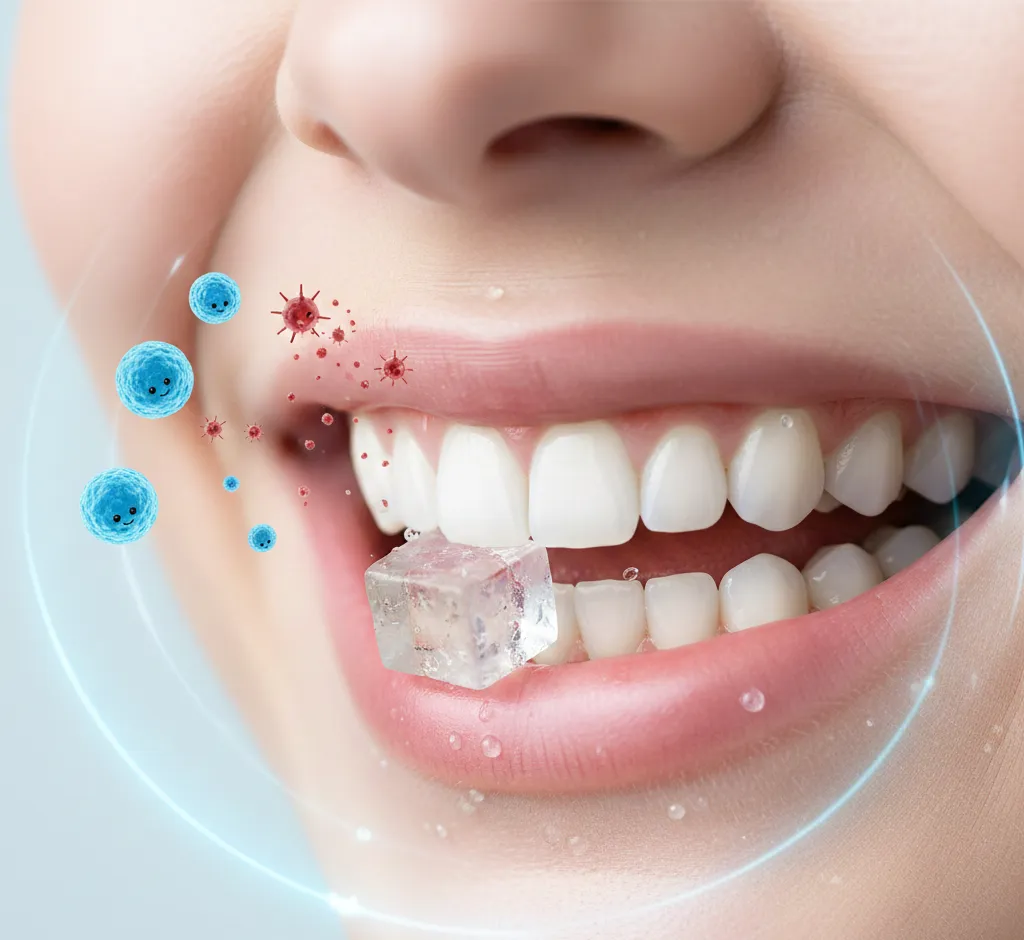
Benefits of Oil Pulling for Oral Health: Science, Myths, and How to Start
Discover the evidence-based benefits of oil pulling for oral health, including how it may reduce bacteria, plaque, and gingivitis, plus step-by-step instructions and safety tips for adding it to your daily dental routine.
Oil pulling has moved from an obscure Ayurvedic ritual to a mainstream wellness trend, promising fresher breath, fewer cavities, and healthier gums. While it is not a magic cure-all, a growing body of research suggests that, when used alongside regular brushing and flossing, oil pulling may support better oral health and a cleaner mouth. [web:1][web:3]
What Is Oil Pulling?
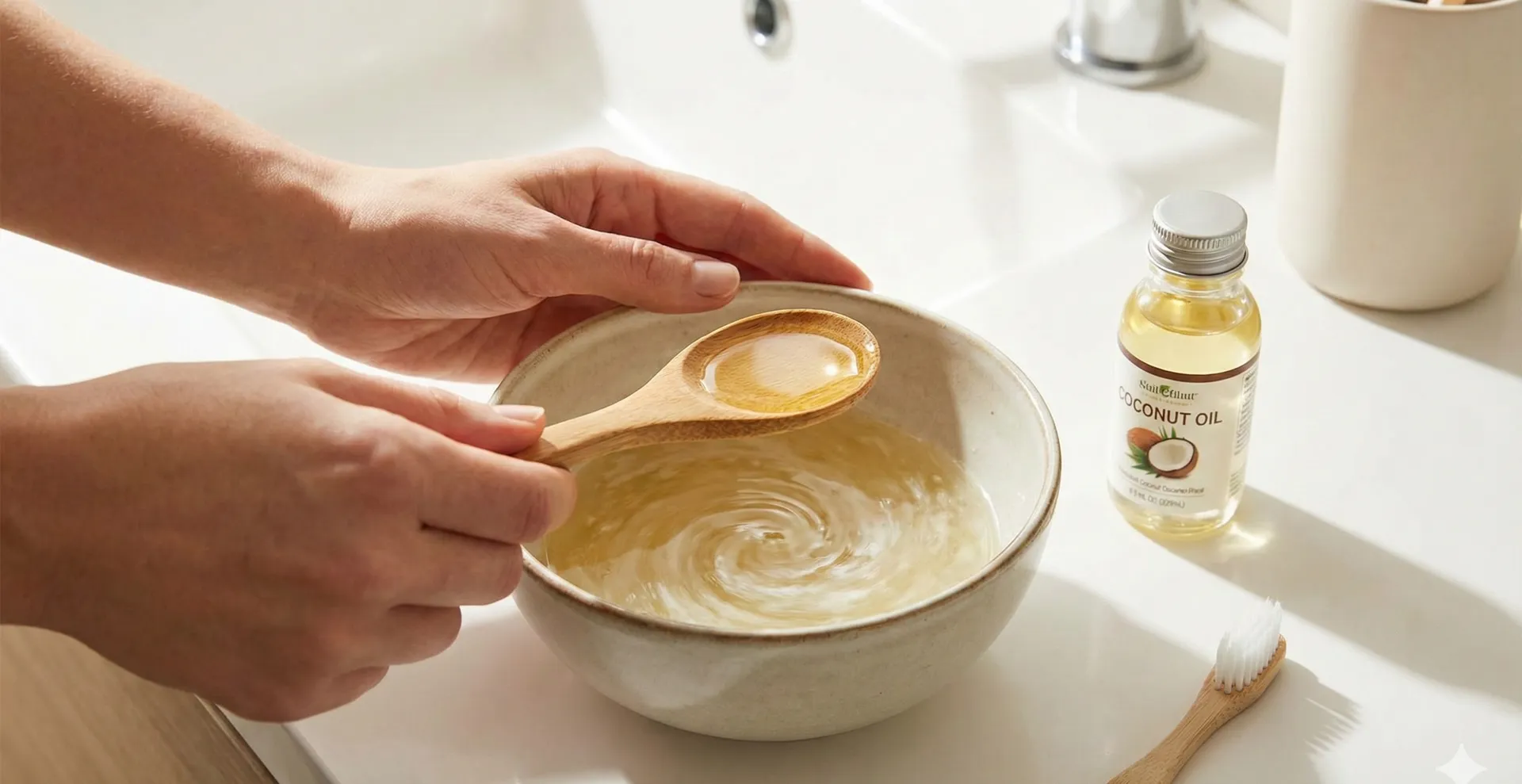
Oil pulling is an ancient practice rooted in Ayurvedic medicine that involves swishing edible oil around the mouth for a set period, then spitting it out. Traditionally, sesame oil was used, but today coconut, sunflower, and other plant-based oils are also popular choices because of their taste and potential antibacterial properties. [web:8][web:18]
During oil pulling, the oil moves between the teeth and around the gums, mixing with saliva and oral debris. After several minutes, this emulsion contains bacteria, food particles, and dissolved plaque components, which are then removed from the mouth when the oil is expelled. [web:1][web:3]
How Oil Pulling Works
Possible mechanisms in the mouth
Researchers suggest that oil pulling may work through several overlapping mechanisms rather than a single action. The mechanical swishing motion helps dislodge bacteria and plaque from tooth surfaces, while the viscous nature of the oil can trap and carry away microorganisms suspended in the liquid. [web:3][web:7]
Certain oils also undergo partial alkaline hydrolysis in the mouth, creating soap-like substances that may aid in cleansing tooth surfaces. In addition, natural antioxidants and fatty acids present in oils such as coconut and sesame may interfere with bacterial growth and reduce the ability of microbes to adhere to enamel and gum tissue. [web:1][web:3]
The role of coconut and sesame oil
Coconut oil is widely used for oil pulling because it is rich in lauric acid, a medium-chain fatty acid known for its antimicrobial activity against some bacteria, viruses, and fungi. Studies have reported that coconut oil pulling can significantly reduce levels of Streptococcus mutans, a major contributor to tooth decay. [web:2][web:7]
Sesame oil, a traditional choice in Ayurveda, has also been shown in clinical studies to lower bacterial counts and improve plaque and gingival indices when used regularly. These effects appear similar in magnitude to some conventional mouthwashes, although results vary across studies and sample sizes are still relatively small. [web:1][web:3]
Evidence-Based Benefits for Oral Health
Reduced harmful oral bacteria
Multiple randomized controlled trials and a recent meta-analysis report that oil pulling can significantly reduce total salivary bacterial colony counts compared with control groups. Lower bacterial loads, especially of species associated with tooth decay and gum disease, can translate into a healthier oral environment over time. [web:1][web:3]
For example, research involving coconut oil swishing for 10–20 minutes daily over several weeks has shown meaningful reductions in S. mutans levels, sometimes comparable to those achieved with antiseptic mouthwashes. These findings support the idea that oil pulling may serve as a natural adjunct to standard plaque-control measures. [web:2][web:7]
Less plaque buildup
Plaque is a sticky biofilm of bacteria and food debris that accumulates on teeth and along the gumline, eventually hardening into tartar if not removed. Clinical studies indicate that regular oil pulling can lower plaque scores, with some trials noting reductions beginning within 1–2 weeks of daily use. [web:3][web:7]
By decreasing bacterial adhesion and physically washing away forming biofilm, oil pulling may slow plaque accumulation between brushings. This benefit appears especially relevant around areas that are harder to clean, such as back molars and tight interdental spaces, although flossing and professional cleanings remain essential. [web:1][web:12]
Support for healthier gums
Gingivitis, or gum inflammation, is triggered when the immune system reacts to plaque along the gumline, causing redness, swelling, and bleeding. Several studies report that participants who practiced daily oil pulling experienced reductions in gingival index scores, indicating fewer signs of gum inflammation over time. [web:3][web:14]
The combination of lower bacterial levels, reduced plaque accumulation, and possible anti-inflammatory properties of certain oils may help stabilize early gum disease when combined with professional care. Research has documented improvements in gum health when oil pulling is used as an adjunct to routine brushing and flossing, not as a standalone therapy. [web:7][web:17]
Help with bad breath (halitosis)
Bad breath often stems from volatile sulfur compounds produced by bacteria on the tongue and between teeth. By reducing bacterial counts and removing trapped food debris, oil pulling can help freshen breath and decrease odor-causing compounds in many users. [web:4][web:9]
Some clinical and observational reports have found improvements in self-reported halitosis and measured odor parameters after several weeks of daily oil pulling. These effects appear similar to those seen with some commercial mouth rinses, though evidence is not yet extensive. [web:7][web:15]
Possible reduction in cavity risk
Because oil pulling can lower the presence of decay-associated bacteria and disrupt plaque, it may indirectly reduce the risk of new cavities forming. Studies have shown that regular practice can diminish susceptibility to dental caries from marked levels to milder categories in some participants. [web:1][web:3]
However, oil pulling does not remove existing decay or repair damaged enamel. Fluoride use, a balanced diet low in fermentable sugars, and consistent professional dental care remain the most critical factors for long-term cavity prevention. [web:7][web:19]
What Oil Pulling Cannot Do
Limitations of the current evidence
Although the research on oil pulling is promising, it is still relatively limited in scope, duration, and sample size. Many studies involve small groups, short trial periods, and varying protocols regarding oil type, volume, and swishing time, which makes it difficult to create universal recommendations. [web:3][web:8]
Major dental organizations point out that there is not yet enough high-quality, long-term evidence to endorse oil pulling as a replacement for established oral hygiene methods. Instead, they position it as an optional complementary practice for people who are interested and able to perform it safely. [web:11][web:19]
Not a substitute for standard oral care
Oil pulling cannot replace twice-daily tooth brushing with fluoride toothpaste, daily interdental cleaning, and routine dental examinations. Mechanical plaque removal with a toothbrush and floss reaches surfaces that oil swishing alone cannot fully clean. [web:7][web:19]
Relying solely on oil pulling while neglecting proven oral hygiene habits can allow plaque, tartar, cavities, and gum disease to progress unnoticed. The most beneficial approach is to treat oil pulling as an add-on step, rather than a primary method of oral care. [web:10][web:15]
Potential Risks and Precautions
Common side effects and how to avoid them
Most healthy adults tolerate oil pulling well, but some people report mild side effects such as jaw fatigue, a gagging sensation, or a temporary oily aftertaste. These effects often improve by using smaller volumes of oil and gradually increasing the duration of swishing. [web:4][web:10]
Accidentally swallowing small amounts of oil occasionally is usually not harmful, but repeatedly ingesting large amounts could lead to digestive upset. Using only high-quality edible oils and spitting the mixture into a trash bin—rather than a sink—to avoid plumbing clogs is recommended. [web:11][web:18]
Who should be cautious?
Oil pulling is generally not recommended for young children, people with a high risk of aspiration, or individuals who have difficulty controlling swallowing and mouth movements. In these groups, there is a greater risk that oil could be inhaled into the lungs, potentially leading to complications. [web:11][web:19]
Anyone with existing jaw pain, temporomandibular joint disorders, or recent oral surgery should consult a dental professional before starting oil pulling. Adjusting the duration, frequency, or abstaining entirely may be advisable depending on personal medical and dental history. [web:10][web:17]
How to Practice Oil Pulling Safely
Choosing the right oil
For most people, cold-pressed coconut or sesame oil are the most popular and well-studied options, with some evidence of antibacterial and anti-inflammatory activity. Sunflower oil is another alternative, though it has been less extensively researched in modern clinical trials. [web:1][web:3]
Selecting an oil that is organic, food-grade, and free from additives helps minimize exposure to unwanted chemicals. People with known allergies to a specific plant oil should avoid that option and may consider another supported by evidence and personal tolerance. [web:2][web:8]
Step-by-step routine
- Measure the oil: Place about one teaspoon to one tablespoon of your chosen edible oil into your mouth. Beginners often start with smaller amounts to reduce discomfort. [web:7][web:10]
- Swish gently: Move the oil slowly between your teeth and around your gums, avoiding vigorous motion that causes jaw strain. Aim for 5–10 minutes at first, increasing up to around 15–20 minutes if comfortable. [web:2][web:7]
- Do not swallow: Keep the oil in the mouth only and spit it out into a trash bin once the time is up, as the liquid will now contain bacteria and oral debris. [web:11][web:18]
- Rinse and brush: Rinse your mouth with water afterward, then brush your teeth as usual with fluoride toothpaste to remove remaining residue and ensure full plaque control. [web:7][web:15]
Best time and frequency
Many traditional and modern protocols recommend oil pulling once daily, often in the morning before eating or drinking. Research suggests that consistent daily practice for several weeks is needed to see measurable changes in plaque, bacteria, and gingival indices. [web:1][web:3]
Some people choose to perform oil pulling a few times per week rather than every day, treating it as a supplementary step similar to using a mouth rinse. As with any routine, the key is regularity and combining it with established oral hygiene habits and professional dental cleanings. [web:7][web:10]
Integrating Oil Pulling Into an Oral Health Plan
Combining with modern dentistry
The most effective way to use oil pulling is as part of a comprehensive oral hygiene strategy that also includes brushing, flossing, a tooth-friendly diet, and regular checkups. Many dental professionals see it as a harmless addition for interested patients, provided it does not replace evidence-based treatments. [web:11][web:19]
Patients with gum disease, high cavity risk, or orthodontic appliances should work with their dentist to integrate oil pulling thoughtfully, adjusting expectations and monitoring outcomes over time. In some cases, targeted treatments such as professional cleanings, fluoride therapy, or antimicrobial rinses will remain the primary tools, with oil pulling as a supportive option. [web:10][web:17]
Setting realistic expectations
Oil pulling can offer several potential benefits, such as fresher breath, reduced plaque, and improved gum comfort, but it will not whiten teeth dramatically, reverse advanced disease, or cure systemic health issues. Its value lies in incremental support for daily oral hygiene, not in miraculous transformations. [web:5][web:16]
Approaching oil pulling with a balanced mindset—acknowledging both its traditional roots and the current scientific limitations—helps individuals use it wisely. When paired with regular dental care and sound home hygiene, oil pulling can be a simple, low-cost practice that contributes to a cleaner, more comfortable mouth. [web:3][web:7]