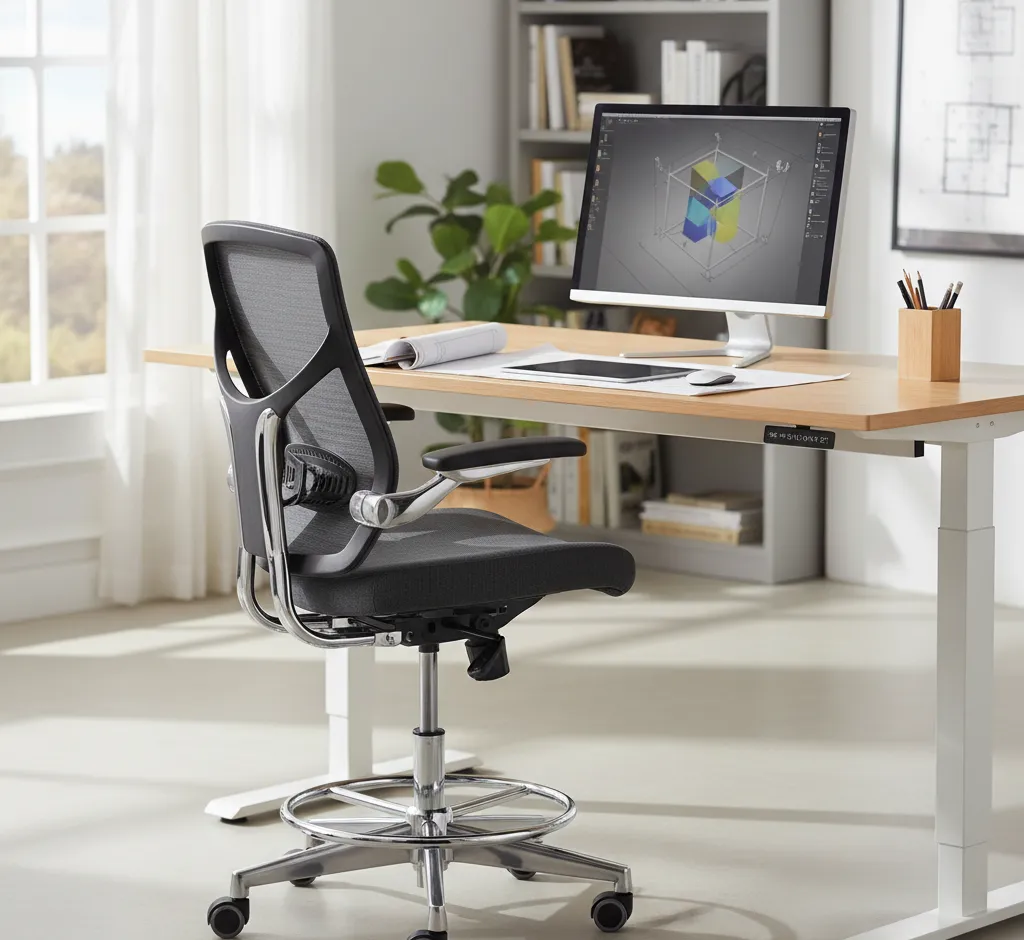
Best Lightweight Portable Office Chairs for Flexible Workspaces in 2025
Discover how to choose the best lightweight portable office chair in 2025, with ergonomic tips, key features, and setup advice for flexible, comfortable workspaces.
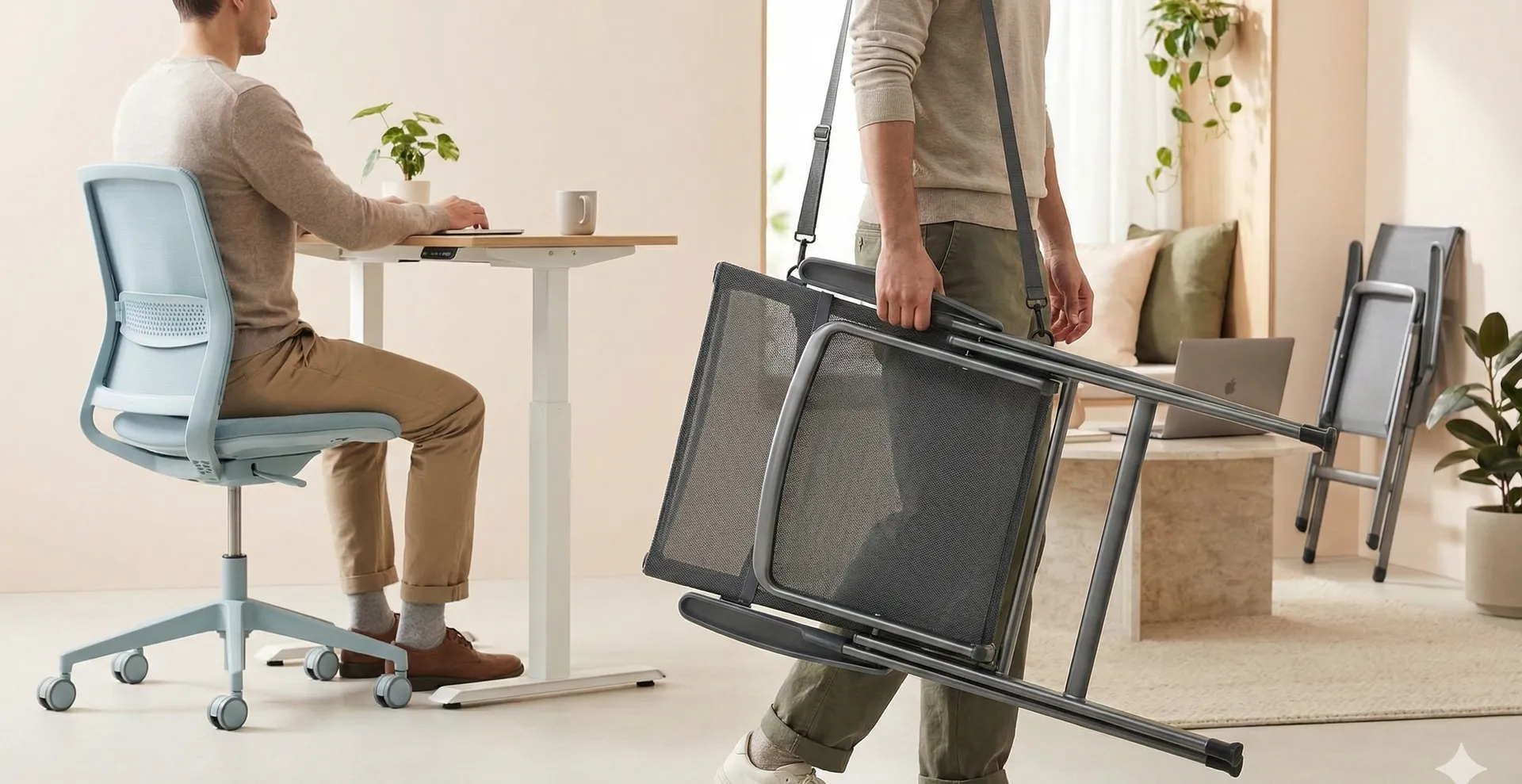
Lightweight portable office chairs have become essential for people who work from multiple locations, share small home offices, or need flexible seating that can move easily between rooms and desks.[web:1][web:4] Choosing the right chair is about much more than saving space; it directly influences posture, comfort, and long‑term health.[web:5] This guide explains what to look for, highlights key features, and offers practical tips to help you find the best lightweight portable office chair for your needs.[web:13]
Why Lightweight Portable Office Chairs Matter
A good portable office chair allows you to maintain ergonomic posture even when you are not at a permanent desk, helping reduce back, neck, and shoulder pain.[web:5][web:13] Because these chairs are designed to be moved often, they typically use lighter frames and compact mechanisms, making them easier to carry, fold, or roll between locations.[web:19]
Portable models are also ideal for hybrid workers, freelancers, and students who split time between home, co‑working spaces, and client sites.[web:3] Instead of relying on whatever seating happens to be available, bringing or storing a dedicated portable chair ensures consistent support and comfort wherever you work.[web:15]
Key Features to Look For
Not all lightweight chairs are built the same, so focusing on core features helps you avoid models that are flimsy or uncomfortable during longer sessions.[web:13] The best options balance portability with proper ergonomics, durable materials, and adjustability.[web:4]
Weight and Portability
When evaluating portability, check both the actual weight and the way the chair collapses or moves.[web:3] Chairs designed to fold flat or nest are easier to store in closets, car trunks, or under desks, while models with smooth casters are ideal for rolling between rooms on the same floor.[web:15]
For most users, a portable office chair under roughly 10–13 kg is manageable to lift and carry short distances.[web:19] If you travel frequently or commute with the chair, prioritize models that fold into a compact profile and include handles or straps that make transport easier.[web:15]
Ergonomic Support
Even though portable chairs are lighter, they should still support a neutral spine and reduce pressure on joints.[web:5][web:13] Look for a backrest with built‑in lumbar support or a curved design that follows the natural S‑shape of your spine to prevent slouching during long work sessions.[web:4]
The seat should be contoured with enough cushioning to distribute body weight evenly, reducing pressure points under the thighs and hips.[web:9] An ergonomic portable chair should also allow you to keep your feet flat on the floor, knees roughly at hip height, and elbows near a 90‑degree bend when typing.[web:5]
Adjustability
Adjustability is often the difference between a chair that “just works” and one that truly fits your body.[web:13] At minimum, look for a height‑adjustable gas lift so you can raise or lower the seat to match different desk heights or work surfaces.[web:4]
Additional adjustments, such as tilt tension, backrest recline, or adjustable armrests, make it easier to switch between upright typing and more relaxed reading or video‑call positions.[web:9] If you share the chair with other people, greater adjustability helps each user dial in a comfortable and healthy setup.[web:5]
Materials and Breathability
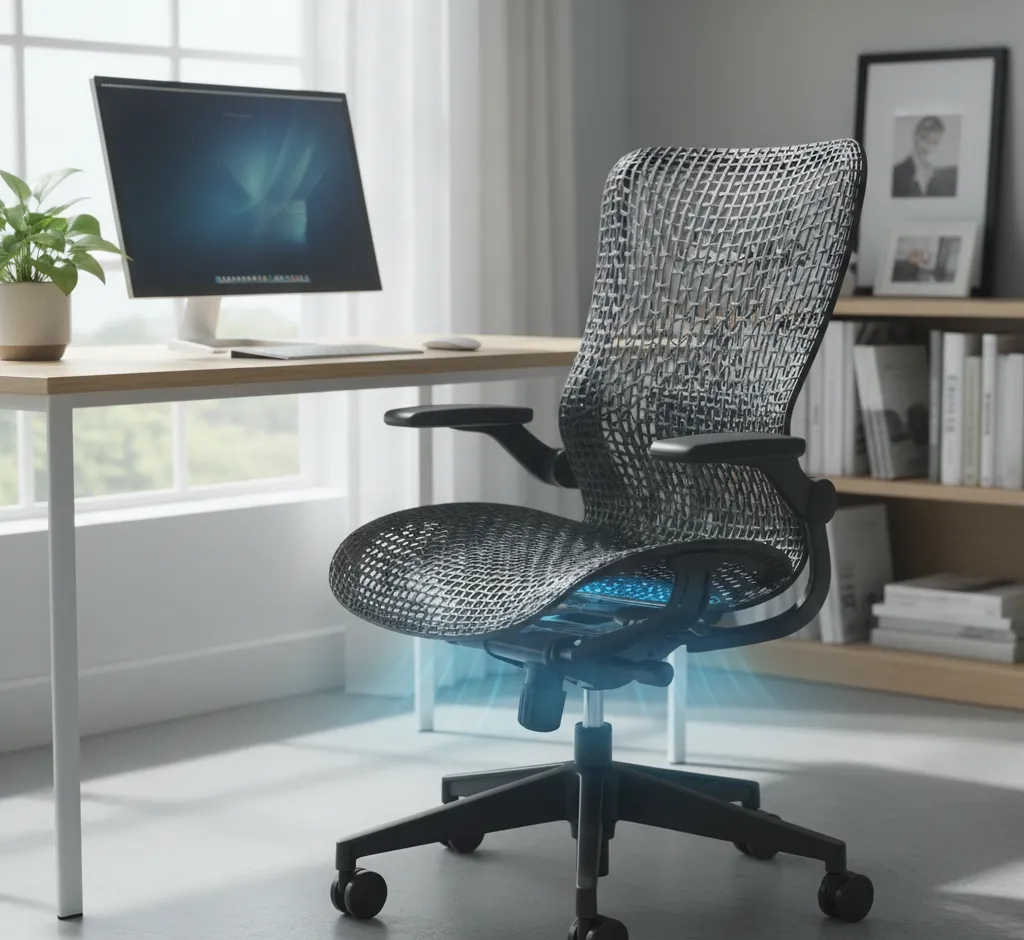
Lightweight chairs often use mesh backs, slim metal frames, and compact seat cushions to reduce weight without sacrificing support.[web:1][web:13] Mesh is especially popular because it allows airflow, which helps keep you cooler during long hours at the desk or in warmer climates.[web:9]
If you prefer upholstery, choose durable fabrics designed for office use, and check for high‑density foam that resists flattening over time.[web:5] For frames, powder‑coated steel or reinforced plastic can keep weight down while still providing enough strength for everyday use.[web:19]
Folding vs. Rolling Designs
Portable office chairs come in two main styles: folding chairs and rolling task chairs.[web:3][web:20] Folding models are ideal when storage space is limited or when you need to move chairs in bulk for events, training rooms, or multipurpose home offices.[web:3]
Rolling task chairs with smaller footprints work better if you want a more traditional office feel but still need to reposition the chair frequently.[web:1] Some hybrid designs combine casters with foldable backrests or seats, giving you the best of both portability and ergonomic features.[web:15]
Choosing the Right Chair for Your Work Style
Your ideal lightweight portable office chair will depend heavily on where you work, how often you move, and how many hours you sit each day.[web:13] Matching the chair style to your work habits ensures you do not compromise comfort in exchange for mobility.[web:5]
For Hybrid and Remote Workers
Hybrid workers who split time between home and the office should prioritize chairs that balance support and easy transport.[web:1] A compact rolling chair that fits into a car trunk or a high‑quality folding office chair can be stored at the office and brought out only when needed.[web:15]
If you frequently join video calls, choose a model with a stable base, quiet casters, and a backrest tall enough to support your shoulders without dominating the camera frame.[web:9] Neutral colors like black, gray, or navy are versatile and blend easily into different environments.[web:4]
For Small Apartments and Shared Spaces
In small apartments and shared rooms, space‑saving design is critical.[web:3] Folding office chairs that tuck behind a door, under a bed, or into a closet let you reclaim floor space once you finish work for the day.[web:3]
Nesting chairs, which slide compactly into one another, are excellent for households that occasionally need several seats for guests but only use one or two for daily work.[web:20] Consider models with floor‑friendly glides or soft casters to protect delicate surfaces like hardwood or laminate.[web:9]
For Travel and On‑the‑Road Work
Some professionals bring their own seating to client sites, temporary offices, or even hotel rooms to maintain consistent ergonomics.[web:15] For this use, fully foldable, padded office chairs designed for luggage‑style transport provide more support than basic camping or event chairs.[web:15]
When comparing travel‑friendly options, look for quick‑fold mechanisms, secure locking systems, and compact folded dimensions that fit in your vehicle or travel cases.[web:19] Durable hinges and joints are especially important because frequent folding and unfolding can stress weaker hardware over time.[web:3]
Ergonomic Setup Tips for Portable Chairs
Even the best chair cannot protect your posture if the rest of your workspace is poorly arranged.[web:5][web:13] A few simple adjustments can make a lightweight portable office chair feel as supportive as a high‑end static model.[web:4]
Adjust Seat Height and Depth
Set the seat height so your feet rest flat on the floor, with your knees close to a right angle and hips just slightly above knee level.[web:5] If the seat is too high, your legs may dangle, increasing pressure on the backs of your thighs; too low, and your knees may rise above your hips, encouraging slouching.[web:13]
On chairs with an adjustable seat depth, position the seat so there is roughly two to three fingers’ space between the seat edge and the back of your calves.[web:9] This gap helps maintain circulation while still offering full thigh support.[web:5]
Support Your Lower Back
If your portable chair lacks built‑in lumbar support, consider adding a compact lumbar pillow or rolling a small towel to fill the gap between your lower back and the backrest.[web:5] This encourages the natural curve of your spine and reduces the tendency to slump forward as you get tired.[web:13]
Adjust the backrest recline so that you sit slightly leaned back rather than perfectly upright, which tends to be more comfortable for prolonged work.[web:4] However, avoid reclining so far that you need to crane your neck forward to see the screen.[web:9]
Armrest and Desk Alignment
When your arms rest on the desk or armrests, your elbows should be close to your body with forearms parallel to the floor.[web:5] If the chair sits too low relative to the desk, you may shrug your shoulders, which can cause tension in the neck over time.[web:13]
If you cannot adjust desk height, raise the chair and use a footrest or a sturdy box to keep your feet supported.[web:4] Many lightweight portable chairs have flip‑up armrests, which give you more freedom of movement in tight spaces or when playing instruments or using multiple input devices.[web:1]
Durability and Build Quality in Lightweight Designs
Lightweight does not have to mean fragile, but it does require thoughtful design and materials.[web:13] Paying attention to construction details can help you avoid chairs that feel unstable, squeak, or wear out quickly under daily use.[web:4]
Frames, Joints, and Mechanisms
Check the frame for solid welds, sturdy bolts, and smooth edges rather than thin, sharp metal or brittle plastic.[web:19] In folding chairs, hinges and locking mechanisms should feel firm and secure, with no wobble once the chair is fully opened.[web:3]
For rolling task chairs, test the gas lift, tilt, and rotation for smooth operation and minimal play.[web:13] Casters should roll easily on your floor type, whether it is carpet, tile, or hardwood, without scraping or getting stuck.[web:9]
Weight Capacity and Usage Limits
Manufacturers specify weight limits to ensure safety and reliability, and lightweight portable chairs are no exception.[web:19] Always confirm that the stated capacity comfortably exceeds your body weight, especially if you plan to use the chair daily.[web:13]
Higher‑quality chairs often include robust bases and reinforced joints so they can remain light while safely supporting higher loads.[web:5] Using a chair beyond its intended rating can shorten its lifespan and increase the risk of failure.[web:4]
Care, Maintenance, and Longevity
Proper maintenance keeps a portable office chair comfortable and safe for years, even with frequent moves and folding.[web:13] Regular cleaning and quick attention to small issues help prevent more costly repairs or replacements.[web:5]
Cleaning and Fabric Care
For mesh and fabric, regular vacuuming removes dust and crumbs, while spot cleaning with manufacturer‑approved cleaners handles spills without damaging fibers.[web:9] Avoid harsh chemicals that can weaken fabric or discolor upholstery.[web:5]
Wipe down frames, armrests, and bases with a soft cloth and mild cleaner to remove dirt and oils from hands and shoes.[web:4] This simple routine also gives you a chance to spot loose screws, cracks, or other damage early.[web:13]
Maintaining Moving Parts
Over time, folding hinges and gas lift mechanisms may benefit from gentle lubrication to keep them operating smoothly.[web:19] Always follow manufacturer guidance and avoid over‑lubricating, which can attract dust and grime.[web:3]
Periodically check that all screws, bolts, and casters remain tight and properly seated, especially if you move the chair frequently between rooms or vehicles.[web:13] Tightening hardware and replacing worn casters promptly can significantly extend the chair’s usable life.[web:4]
Balancing Budget, Features, and Comfort
Lightweight portable office chairs are available across a wide range of budgets, and higher price does not always guarantee better comfort for your specific body and work style.[web:1][web:13] Focus on must‑have features, such as adequate lumbar support and basic adjustability, before spending on extra aesthetics or advanced mechanisms.[web:5]
Reading independent reviews and, when possible, testing chairs in person helps you understand how a chair feels after several hours of use rather than just a few minutes.[web:9] Consider the chair an investment in your productivity and well‑being, especially if you work long days at a computer.[web:4]
Final Thoughts on Lightweight Portable Office Chairs
The best lightweight portable office chair is one that fits your body, supports healthy posture, and moves easily wherever you need to work.[web:5][web:13] By paying attention to weight, ergonomics, adjustability, materials, and build quality, you can find a model that feels comfortable during long sessions without taking over your space.[web:1]
Whether you are furnishing a small home office, equipping a flexible meeting space, or searching for a travel‑ready seating solution, a well‑chosen portable chair can dramatically improve daily comfort and productivity.[web:4] Taking the time to compare options and set up your chair correctly will pay off in better focus, less fatigue, and a more adaptable workspace.[web:9]