Best Thread Counts for Everyday Comfort: A Practical Guide to Softer, Better Sheets
Discover the best thread counts for everyday comfort. Learn how fiber quality, weave, and realistic thread-count ranges affect softness, breathability, and durability so you can choose better sheets for daily use.
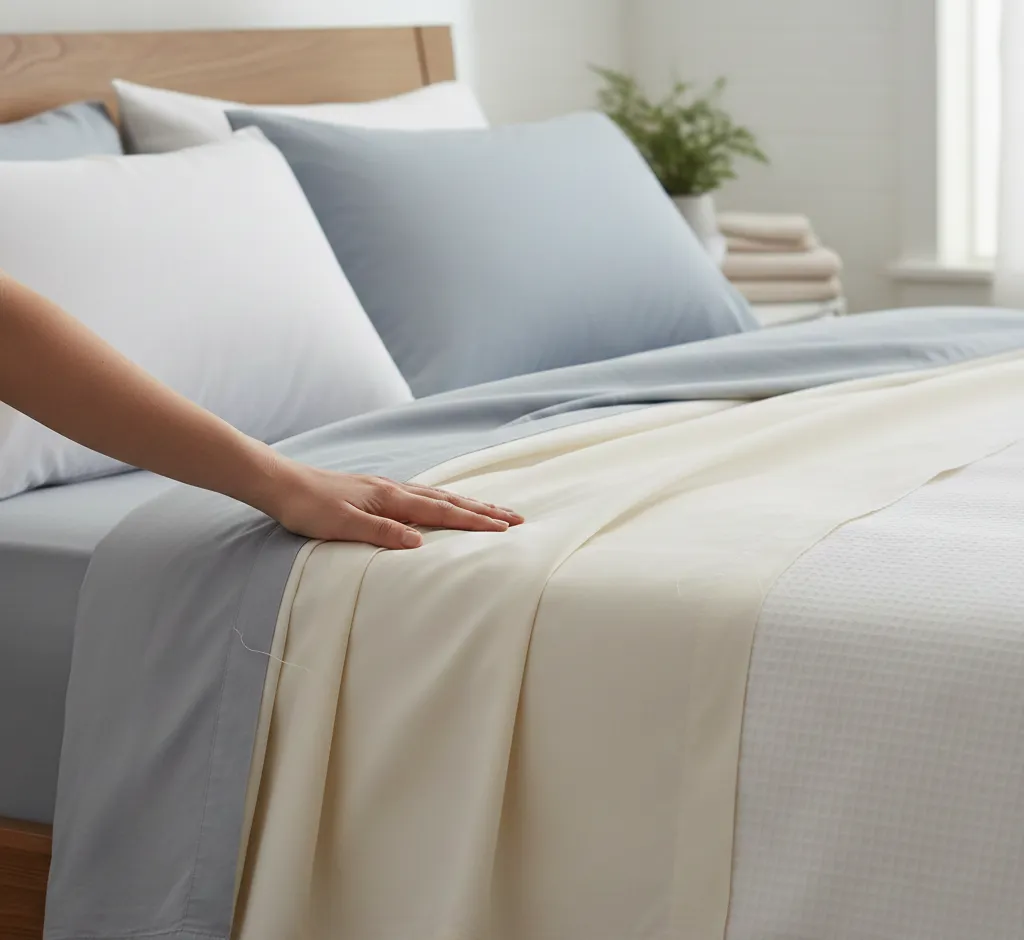
Choosing the right thread count can completely change how your bed feels every single night. While many people assume that higher thread count automatically means better quality, the truth is more nuanced. The best thread count for everyday comfort depends on factors like fabric type, weave, climate, and your personal preferences for feel and temperature.
In this guide, we will break down what thread count really means, debunk a few marketing myths, and help you understand which range is ideal for daily use. By the end, you will know exactly what to look for when buying sheets that are comfortable, breathable, and durable enough for everyday life.
What Is Thread Count, Really?
Thread count is the number of threads woven into one square inch of fabric. It includes both vertical threads (warp) and horizontal threads (weft). For example, if there are 150 warp threads and 150 weft threads in a square inch, the thread count is 300.
Thread count became a popular marketing term because it sounds like an easy quality measure: higher must be better. However, this is only partially true. Past a certain point, more threads do not mean better comfort, and can even make the fabric less breathable and less suitable for everyday use.
Why Thread Count Alone Is Misleading
Many brands use techniques like multi-ply yarns or exaggerated counting methods to claim ultra-high thread counts, sometimes 1,000 or even 1,500. These numbers look impressive on packaging, but they often do not translate into comfort.
- Multi-ply yarns: Several thin threads twisted together and counted as separate threads inflate the thread count without improving quality.
- Overly dense weaves: Packing too many threads into a square inch can make sheets heavy, stiff, and less breathable.
- Marketing over substance: Focus on thread count alone can distract from more important factors like cotton quality and weave.
For everyday comfort, it is far more important to choose good-quality fibers and a suitable thread-count range than to chase the highest number you can find.
Key Factors That Affect Everyday Comfort
To choose the best thread count for daily use, you should consider more than just the number. These four factors work together to determine how your sheets feel and perform:
- Fiber quality
- Type of cotton or fabric
- Weave (percale, sateen, etc.)
- Thread count range
Fiber Quality and Cotton Type
The quality of the fiber itself is crucial. Long-staple and extra-long-staple cotton produce smoother, stronger, and more durable yarns than short-staple cotton.
- Egyptian cotton: Known for long, fine fibers that create soft, strong, and luxurious sheets. Good even at moderate thread counts.
- Pima or Supima cotton: Extra-long-staple fibers grown mainly in the U.S., offering excellent softness and strength.
- Long-staple cotton blends: Affordable and comfortable for everyday use when combined with a good weave and moderate thread count.
A 300-thread-count sheet made from high-quality long-staple cotton will usually feel better than a 900-thread-count sheet made from lower-quality fibers or multi-ply yarns.
Weave: Percale vs. Sateen and Beyond
The weave pattern affects how the fabric feels, how warm it sleeps, and how it drapes. Two of the most common weaves for everyday bedding are percale and sateen.
Percale Weave
Percale uses a simple one-over, one-under weave. It tends to feel crisp, cool, and lightweight, with a matte finish.
- Best for: Hot sleepers, warm climates, people who like a fresh and airy feel.
- Typical ideal thread count: About 200–400 for everyday comfort.
Sateen Weave
Sateen usually follows a three-over, one-under or four-over, one-under pattern. It feels smoother and silkier than percale, with a subtle sheen.
- Best for: Cold sleepers, cooler climates, and anyone who likes a softer, more luxurious drape.
- Typical ideal thread count: About 300–600 for everyday use.
Other weaves like twill, jersey knit, and bamboo-derived fabrics can also be comfortable, but percale and sateen remain the most common and reliable options for daily bedding.
Best Thread Count Ranges for Everyday Comfort
When it comes to daily-use sheets, extremely high thread counts are often unnecessary and can even be counterproductive. Instead, focus on balanced ranges that provide a mix of softness, breathability, and durability.
General Thread Count Guidelines
- Under 180: Often feels thin and less durable. May be acceptable for budget sets or guest rooms but not ideal for long-term daily comfort.
- 180–250: Lightweight, reasonably comfortable, and breathable. Good for hot sleepers or summer use, especially in percale.
- 250–400: The sweet spot for most everyday percale cotton sheets. Offers a great balance of softness, durability, and airflow.
- 300–600: Ideal range for many sateen weaves and higher-quality cotton. Feels smoother and more substantial while still comfortable for everyday use.
- Above 600: May feel heavier, warmer, and less breathable. Often achieved with multi-ply yarns or marketing tricks rather than better comfort.
For most people, the best thread count for everyday comfort falls somewhere between 250 and 500, depending on the weave, fiber quality, and climate.
Best Thread Counts by Weave Type
Best Thread Count for Percale Sheets
Percale sheets are designed to be crisp and breathable. High thread counts can actually make them feel too dense.
- Everyday comfort range: 250–400.
- Coolest, lightest feel: 200–250.
- Balanced softness and durability: 300–350.
If you prefer a hotel-style, cool, and crisp sheet that gets softer with each wash, a 300–350 thread count percale made from long-staple cotton is an excellent everyday choice.
Best Thread Count for Sateen Sheets
Sateen sheets naturally feel more substantial and silky. Slightly higher thread counts work well with this weave.
- Everyday comfort range: 300–600.
- Soft and smooth with good breathability: 300–400.
- More luxurious and heavier drape: 400–600.
For a cozy, slightly warmer feel that still works for daily use, look for 350–450 thread count sateen made from high-quality cotton.
Matching Thread Count to Climate and Sleeping Style
Your ideal thread count also depends on your environment and whether you tend to sleep hot or cold. Choosing the right combination of fabric, weave, and thread count can help you sleep more comfortably year-round.
If You Sleep Hot
For hot sleepers or warm, humid climates, breathability should be your priority. Overly dense, high-thread-count fabrics can trap heat.
- Choose percale weave over sateen.
- Look for a thread count in the 200–350 range.
- Opt for long-staple cotton or cotton-linen blends for better airflow.
- Avoid very high thread counts above 500, even if marketed as luxury.
Well-made 250–300 thread count percale sheets can feel light, crisp, and cool, making them ideal for daily use in warmer conditions.
If You Sleep Cold
If you often feel chilly at night or live in a cooler climate, slightly denser fabrics can increase warmth and coziness.
- Choose sateen weave for a softer, warmer feel.
- Look for thread counts between 350–500.
- Consider brushed cotton or flannel for winter, where thread count is less important than weight.
Sateen sheets in the 400-thread-count range provide a comfortable everyday option that feels plush without becoming overly heavy or stifling.
If You Want All-Season Versatility
Many people prefer one set of sheets that works reasonably well throughout the year. In that case, aim for a balanced, mid-range thread count and versatile weave.
- Choose either 300–350 thread count percale or 350–450 thread count sateen.
- Look for long-staple cotton for softness and durability.
- Pair with a suitable duvet or blanket to adjust warmth instead of relying solely on the sheets.
These mid-range options offer a good compromise between airflow, softness, and weight for everyday comfort.
Thread Count Myths You Should Ignore
When shopping for sheets, you will often encounter bold claims about thread count. Understanding the most common myths can help you make more informed decisions.
Myth 1: Higher Thread Count Is Always Better
Beyond a certain point, more threads do not equal more comfort. In fact, extremely high thread counts are often created using tricks like multi-ply yarns or counting individual strands within a single thread.
Instead of focusing on the highest number, prioritize:
- Fiber quality (long-staple or extra-long-staple cotton).
- Weave type (percale or sateen) to match your preferences.
- Honest, realistic thread counts between 250–500 for daily use.
Myth 2: Low Thread Count Means Poor Quality
While very low thread counts can feel rough or flimsy, slightly lower thread counts in the 200–250 range can still feel wonderful if the cotton is high quality and the weave is well executed. This is especially true for percale, which is designed to be airy and crisp.
Do not dismiss a 250-thread-count sheet just because it is not labeled as luxury. Check the fabric composition and weave first.
Myth 3: All 400-Thread-Count Sheets Feel the Same
Two sets of 400-thread-count sheets can feel completely different depending on fiber quality, finishing, and weave. One might be soft, durable, and smooth; the other may feel rough, stiff, or prone to pilling.
- Look for clear labeling like "100% long-staple cotton" or "Supima".
- Avoid vague labels such as "microfiber" if you prefer natural fibers and breathability.
- Read product descriptions and reviews rather than relying on the number alone.
How to Choose the Best Everyday Sheets
When you shop for everyday bedding, use thread count as one of several criteria. A simple step-by-step approach can help you narrow down choices quickly.
Step 1: Decide on Fabric Type
- 100% cotton (long-staple): The most common, breathable, and reliable option for everyday comfort.
- Egyptian, Pima, or Supima cotton: Premium options that offer extra softness and durability.
- Blends (cotton with linen or bamboo-derived fibers): Can improve breathability or smoothness, but read labels carefully.
Step 2: Choose Your Preferred Weave
- Select percale if you like cool, crisp sheets that feel light and fresh.
- Select sateen if you prefer a silky, smooth, and slightly warmer feel.
Step 3: Pick a Realistic Thread Count Range
- Percale daily-use range: 250–400.
- Sateen daily-use range: 300–600.
Within these ranges, aim for the middle unless you have a strong preference for extra lightness or extra weight.
Step 4: Pay Attention to Finishing and Care
Finishing processes and care instructions also impact how your sheets feel over time.
- Look for sheets labeled as pre-washed or enzyme-washed for initial softness.
- Avoid heavy chemical finishes that promise "wrinkle-free" at the expense of breathability.
- Follow washing instructions—usually warm or cool water and low-heat drying—to preserve softness and color.
Recommended Thread Counts for Common Use Cases
If you are unsure where to start, use these simple recommendations as a quick reference for everyday comfort.
For Everyday Family Use
- Fabric: Long-staple cotton percale or sateen.
- Thread count: 300–400.
- Why: Durable, easy to care for, and comfortable for most sleepers.
For Hot Sleepers and Warm Climates
- Fabric: Cotton percale or cotton-linen blend.
- Thread count: 250–350.
- Why: Better airflow, lighter feel, less heat retention.
For Cooler Climates or Cozy Feel
- Fabric: Cotton sateen.
- Thread count: 350–500.
- Why: Slightly denser fabric for warmth and a soft, smooth hand feel.
For Guest Rooms
- Fabric: Cotton percale.
- Thread count: 250–350.
- Why: Comfortable and durable without being overly expensive.
When to Replace Your Everyday Sheets
Even the best thread count will not matter if your sheets are worn out. Everyday bedding experiences regular washing and friction from nightly use.
Consider replacing your sheets when you notice:
- Thinning or small tears in high-friction areas.
- Persistent roughness or pilling that does not improve with washing.
- Loss of elasticity in fitted sheet corners.
- Faded color or visible wear that affects comfort.
High-quality cotton sheets in a reasonable thread-count range should last several years with proper care, especially if you rotate between two or three sets.
Final Thoughts: Focus on Balance, Not Just Numbers
The best thread count for everyday comfort is about balance, not extremes. While it is tempting to assume that 800- or 1,000-thread-count sheets are superior, real comfort usually lives in the moderate range, supported by good materials and thoughtful construction.
For most people, the ideal everyday thread count will be:
- 250–400 for percale if you want breathable, crisp, and cool sheets.
- 300–600 for sateen if you prefer a smoother, silkier, and slightly warmer feel.
When you combine these ranges with high-quality cotton and a weave that matches your sleeping style and climate, you will get sheets that feel comfortable, last longer, and truly enhance your everyday sleep experience.