Best Way to Clean Root Vegetables for Safe, Flavorful Cooking
Learn the best way to clean root vegetables like carrots, potatoes, beets, and radishes. Step-by-step methods, food safety tips, and pro tricks to remove dirt, bacteria, and pesticide residue without losing nutrients.
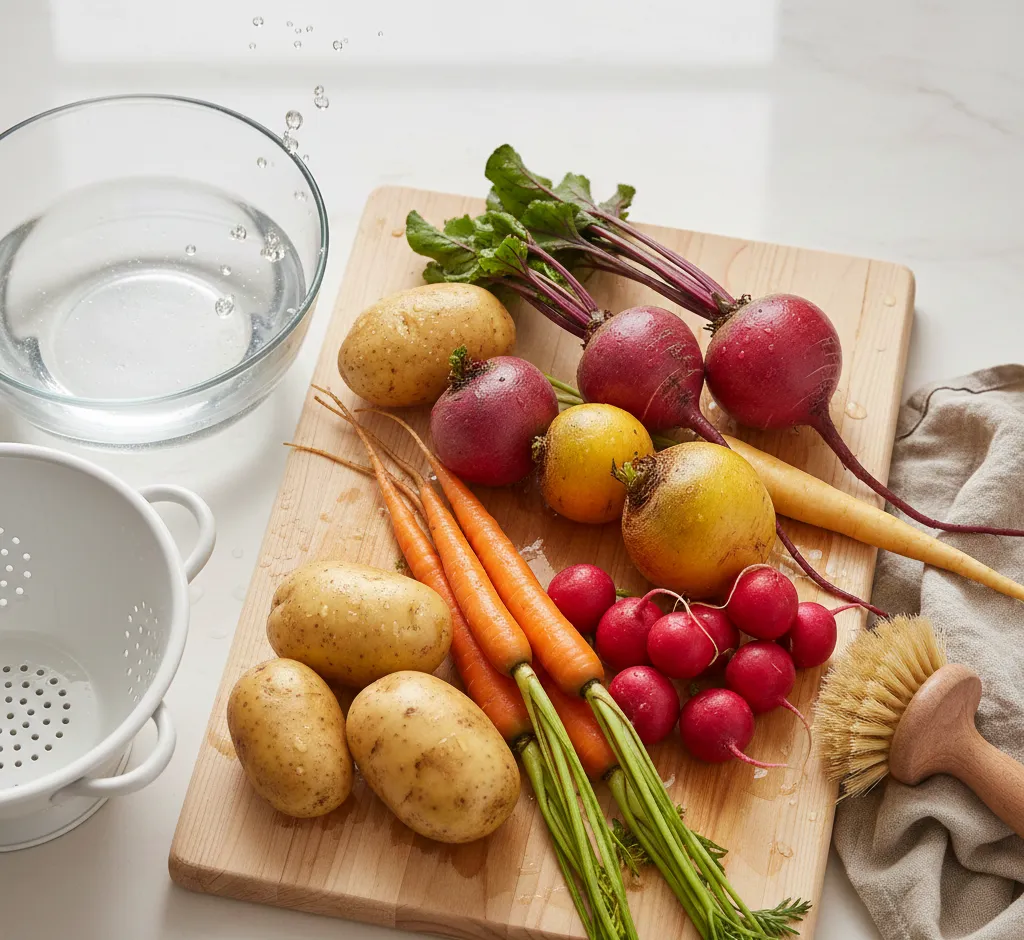
Root vegetables are nutritional powerhouses, but they often come into your kitchen covered in soil, grit, and sometimes pesticide residues. Cleaning them properly is essential not only for food safety, but also for better flavor and texture in every dish you cook. With a few simple tools and some smart techniques, you can make sure your carrots, potatoes, beets, radishes, parsnips, and other roots are ready for roasting, boiling, or eating raw.
Why Cleaning Root Vegetables Matters
Root vegetables grow directly in the soil, which means they are exposed to dirt, microbes, and possible chemical residues throughout their growth. A quick rinse is rarely enough to remove everything from all the crevices and rough patches on the skin. Taking a bit more time to clean them thoroughly protects your health, preserves nutrients, and keeps unwanted grit out of your meals.
Many nutrients and natural flavors in root vegetables sit just under the skin, so the goal is to remove contamination while avoiding unnecessary peeling. When you know how to wash roots well, you can confidently leave the skins on more often, reducing waste and getting more fiber and vitamins on the plate.
Essential Tools and Prep Steps
You do not need any special gadgets to clean root vegetables effectively, but a few basic items make the process faster, safer, and more consistent. Setting up a small cleaning station near your sink will encourage you to always wash produce as soon as you bring it home.
- Clean sink or large bowl: For soaking and rinsing multiple vegetables at once.
- Colander or strainer: To drain and rinse off loosened soil efficiently.
- Vegetable brush or scrubber: A stiff but food-safe brush is ideal for rough skins.
- Paring knife or peeler: For peeling or trimming damaged areas when needed.
- Optional natural cleaners: White vinegar, apple cider vinegar, or baking soda for extra cleaning power.
Before you begin, wash your hands thoroughly with soap and water, and make sure your sink, bowls, and tools are clean. Cross-contamination from dirty sponges or cutting boards can undo all your careful cleaning work on the vegetables themselves.
General Method: Rinse, Soak, Scrub, Rinse
Almost every effective root vegetable cleaning routine follows the same basic pattern: loosen the dirt, scrub the surface, and rinse away the debris. Adjust the intensity of each step depending on how dirty the vegetables are and how you plan to cook them.
- Pre-rinse under cold water: Hold each vegetable under a gentle stream of cold running water to remove loose soil. Rotate the vegetable as you go so all sides get rinsed.
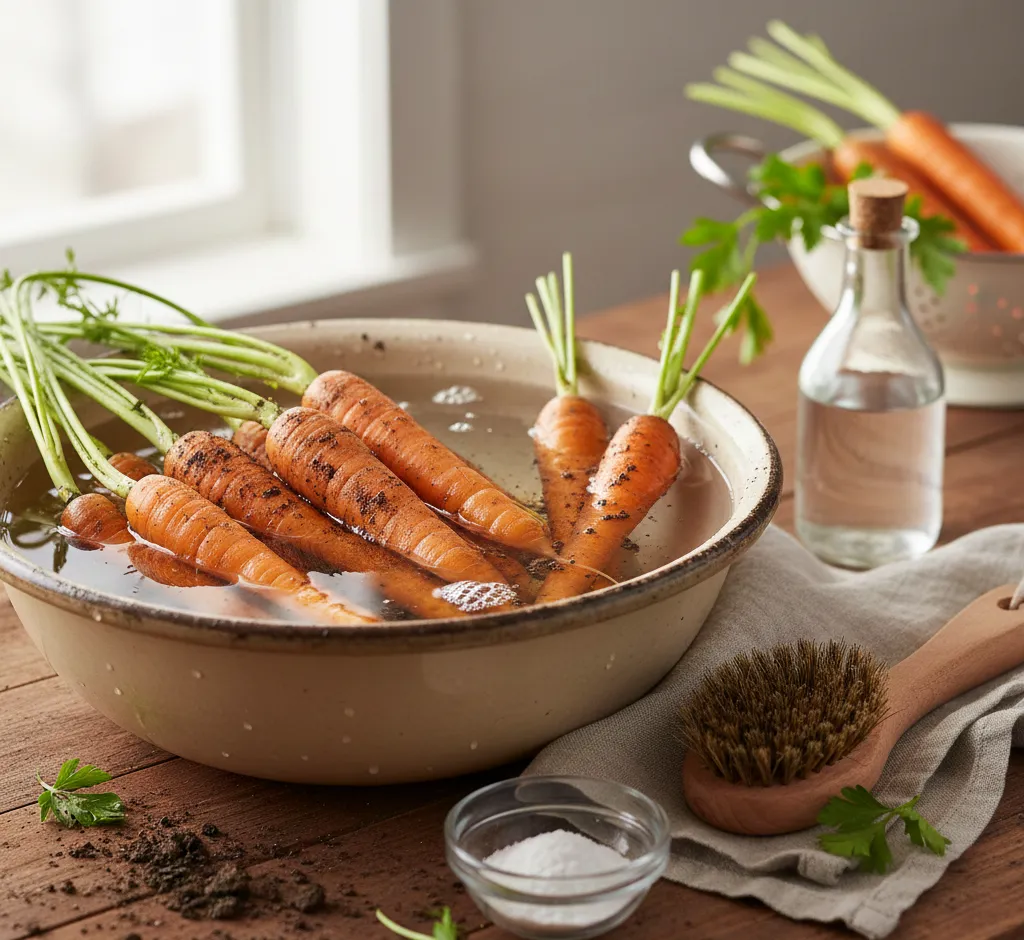
- Soak to loosen embedded dirt: Place the vegetables into a clean bowl or sink filled with cool water. Let them soak for 5–15 minutes so dried mud can soften and float off.
- Scrub the skin: Use a vegetable brush or rough cloth to scrub the surface, paying attention to the ends, curves, and any indentations.
- Final rinse: Rinse each piece again under cold running water to wash away all remaining grit and cleaning solution.
- Drain and dry: Place the vegetables in a colander to drain, then pat them dry with a clean kitchen towel if you will store or roast them.
This simple routine works for most root vegetables, and you can scale it up for a big harvest or down for a single carrot or potato. The next sections explain how to adapt this method to different types of roots and specific cleaning aids.
Using a Vegetable Brush for Deep Cleaning
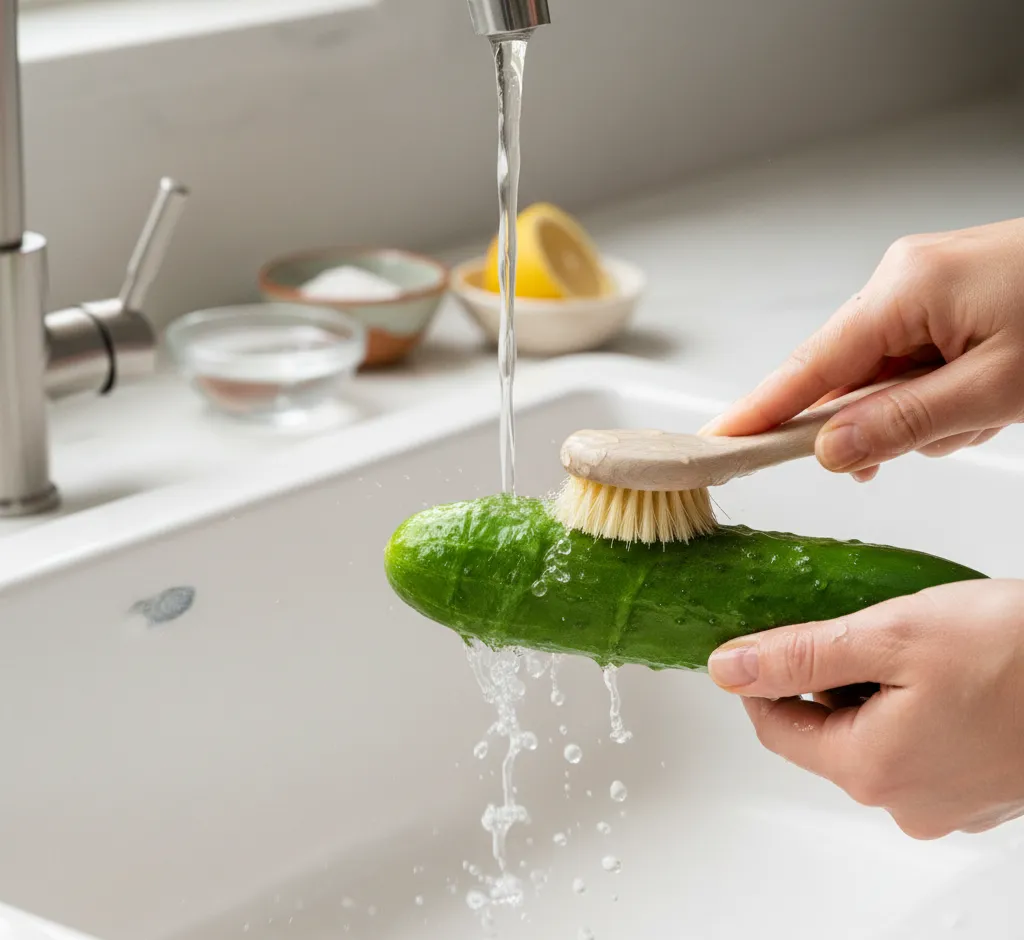
A dedicated vegetable brush is one of the most effective tools for cleaning root vegetables without damaging the skins. The bristles are designed to be firm enough to remove soil and residue while gentle enough to avoid gouging the flesh underneath.
To use a brush effectively, hold the vegetable firmly under cold running water and scrub in short, circular motions. Focus on areas where dirt likes to hide: around the stem and root ends, in natural grooves, and on any rough or bumpy patches. For long vegetables like carrots or parsnips, scrub from top to bottom, rotating as you go to reach all sides.
When Brushing Is Enough
Brushing alone is usually sufficient for:
- Firm, relatively smooth vegetables like potatoes, turnips, or radishes.
- Organic roots where you want to keep the nutrient-rich skin and minimize waste.
- Vegetables that will be roasted or baked at high temperatures, which further reduce surface microbes.
If the water runs clear and your fingers no longer pick up grit after scrubbing, you can feel confident that the vegetables are ready for cooking.
Vinegar Soak to Reduce Bacteria and Residues
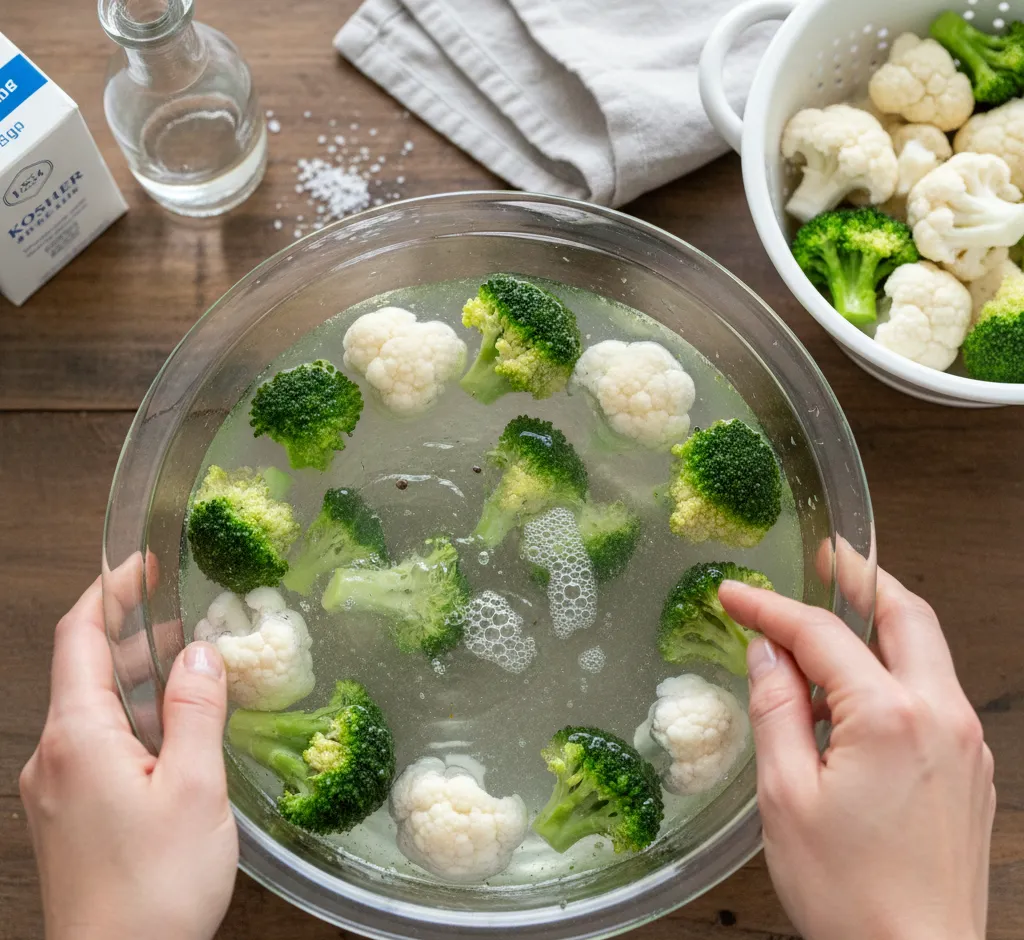
A mild vinegar solution can help dislodge dirt, reduce surface bacteria, and break down some pesticide residues on root vegetables. Vinegar is acidic and has natural antimicrobial properties, making it a useful food-safe cleaner when used correctly and rinsed off thoroughly.
To make a simple vinegar wash, mix approximately one part white vinegar or apple cider vinegar with three parts cool water in a large bowl or clean sink. Submerge your root vegetables completely and let them soak for 5–10 minutes, swirling them occasionally to help the solution reach all surfaces.
How to Use Vinegar Safely
- Prepare the solution: Combine vinegar and water just before use so the solution is fresh.
- Soak the vegetables: Add the roots and ensure they are fully covered by the liquid.
- Scrub if needed: After soaking, use a brush to scrub away loosened debris.
- Rinse thoroughly: Rinse each vegetable under running water until the vinegar smell is gone.
Vinegar soaking is particularly useful when cleaning heavily soiled garden harvests, roots from unknown sources, or vegetables you plan to eat raw, such as thinly sliced radishes or carrots in salads.
Baking Soda for Stubborn Dirt
Baking soda is another gentle, food-safe cleaner that works well on root vegetables with stubborn, dried-on soil. Its fine crystals act as a mild abrasive, helping scrub away particles that regular rinsing may miss without scratching deeply into the skin.
To use baking soda, dampen the surface of the vegetable, then sprinkle a small amount directly onto the skin or onto your brush. Scrub under cold running water, allowing the combination of mechanical action and the mild abrasiveness to lift away dirt. Once you are done, rinse thoroughly to remove all traces of baking soda.
When to Choose Baking Soda
- Very dirty carrots, beets, potatoes, or parsnips just pulled from heavy soil.
- Roots with rougher skins where simple rinsing leaves fine grit behind.
- Situations where you want a natural cleaner without fragrance, dyes, or added chemicals.
Because baking soda is alkaline, it should always be followed by a generous rinse so that no residue affects the flavor or texture of your cooked vegetables.
When and How to Peel Root Vegetables
Peeling is not always necessary, but it remains an important option when the skins are tough, damaged, or excessively dirty. In some cases, peeling can improve texture or remove blemished areas while still preserving most of the edible portion.
Before peeling, it is important to wash the vegetables first. If you peel dirty roots, your knife or peeler can drag surface contaminants deeper into the flesh. After an initial rinse and scrub, use a sharp peeler or small knife to remove the outer layer in thin, even strips.
Situations Where Peeling Is Recommended
- Deeply scarred or cracked skins where washing cannot fully reach into crevices.
- Old or stored roots with tough, leathery outer layers.
- Personal preference for very smooth mash, purees, or baby food.
For vegetables like beets, you can also cook them with the skins on and slip the skins off afterward. This method keeps more color and nutrients in place during cooking while still giving you a clean, tender final product.
Cleaning Different Root Vegetables
While the same basic approach applies to most root vegetables, subtle differences in shape and skin thickness mean that some types benefit from small adjustments in technique. Paying attention to these details helps you get the best result with the least amount of effort.
Carrots and Parsnips
Carrots and parsnips usually have relatively smooth skins but can harbor dirt near the top where the greens attach. Start by trimming off the leafy tops or any remaining stem, then soak them briefly if they are very dirty. Scrub along their length with a brush, rotating as you go, and rinse until the water runs clear.
For young, tender carrots and parsnips, thorough washing often allows you to skip peeling entirely. For older or thicker roots, you may choose to lightly peel them after washing for a more refined texture in purees or roasted dishes.
Potatoes and Sweet Potatoes
Potatoes and sweet potatoes tend to collect dirt in eyes, dimples, and shallow cracks. Begin with a good soak and then use a stiff brush to scrub all over, paying special attention to any depressions in the surface. Trim away green spots, deeply damaged areas, or sprouts with a knife.
If you enjoy potato skins in mashed potatoes, baked potatoes, or wedges, clean them carefully so you can cook and eat them with confidence. If you prefer to peel potatoes for certain recipes, wash them first, peel, then give the peeled pieces a quick rinse before cooking.
Beets
Beets are often heavily coated in soil and can stain surfaces with their deep red juice. Trim the leaves, leaving a small length of stem if you plan to boil them whole to reduce bleeding. Soak them to loosen soil, then scrub gently so you do not break the skin if you want to cook them unpeeled.
After boiling or roasting, the skins will usually slip off easily when rubbed with a paper towel or under running water. If you plan to eat beets raw, like in salads, scrub thoroughly, peel thinly, and rinse again to remove any leftover residue.
Radishes and Turnips
Radishes and small turnips generally have thin skins and are often eaten raw. Rinse them under cold water, rubbing the surface with your fingers or a soft brush to clear away any dirt. Trim the tops and root tips, then give them a final rinse to remove any loose pieces.
For larger, older turnips with thicker skins, you may choose to peel after washing, especially if the outer layer feels tough or has visible blemishes. Clean them well before peeling to avoid dragging soil into the flesh.
Food Safety Tips While Cleaning
Proper cleaning of root vegetables is about more than appearance; it is an important food safety step. Soil can contain harmful microorganisms, and surfaces in your kitchen can cross-contaminate cleaned vegetables if they are not handled carefully.
- Always wash your hands before and after handling raw vegetables.
- Use separate cutting boards for produce and raw meat to avoid cross-contamination.
- Clean and sanitize sinks, bowls, and brushes regularly.
- Rinse off any cleaning solutions completely before cooking or eating.
If you are serving raw root vegetables to vulnerable people, such as young children, elderly adults, or anyone with a weakened immune system, take extra care with cleaning and consider peeling or cooking the vegetables to reduce risk further.
Drying and Storing Cleaned Root Vegetables
Once your root vegetables are clean, handling them correctly before storage will determine how long they keep their freshness. Excess moisture can encourage mold and decay, while complete dryness helps extend their shelf life.
After rinsing, let the vegetables drain in a colander and then pat them dry gently with a clean towel. For long-term storage, especially in a cool pantry or cellar, allow them to air-dry completely before placing in breathable bags or containers. For roots you plan to use soon, drying them well before refrigerating prevents slimy spots and unpleasant odors.
Common Mistakes to Avoid
Even with the best intentions, certain habits can make cleaning root vegetables less effective or even counterproductive. Knowing what to avoid saves time and reduces waste.
- Using very hot water: This can slightly soften the surface and may affect texture without adding cleaning benefits; stick to cool or cold water instead.
- Using abrasive metal scrubbers: Tools like steel wool can shed fine fragments and damage the skins excessively.
- Soaking for too long: Very long soaks can cause some vegetables to absorb too much water and lose crispness.
- Storing while wet: Putting damp vegetables directly into bags or drawers encourages mold growth and faster spoilage.
By avoiding these pitfalls and focusing on gentle, thorough cleaning, you protect both the quality and safety of your root vegetables.
Putting It All Together
The best way to clean root vegetables combines simple tools, a consistent routine, and a bit of attention to each type of vegetable. Start with a cool rinse, use soaking to loosen tough soil, scrub with a dedicated vegetable brush or natural cleaners like vinegar or baking soda, and always finish with a thorough rinse.
With these habits in place, you can comfortably cook with the skins on more often, reduce waste, and enjoy the full flavor and nutrition of your favorite root vegetables. Clean roots not only look better in your dishes, they also support a safer, more satisfying home cooking experience every day.