Blending Essential Oils Safely: A Complete Guide for Beginners and Enthusiasts
Learn how to blend essential oils safely with this complete guide. Discover correct dilution ratios, safe carrier oils, phototoxicity, child and pregnancy guidelines, and practical tips for beginner and advanced aromatherapy users.
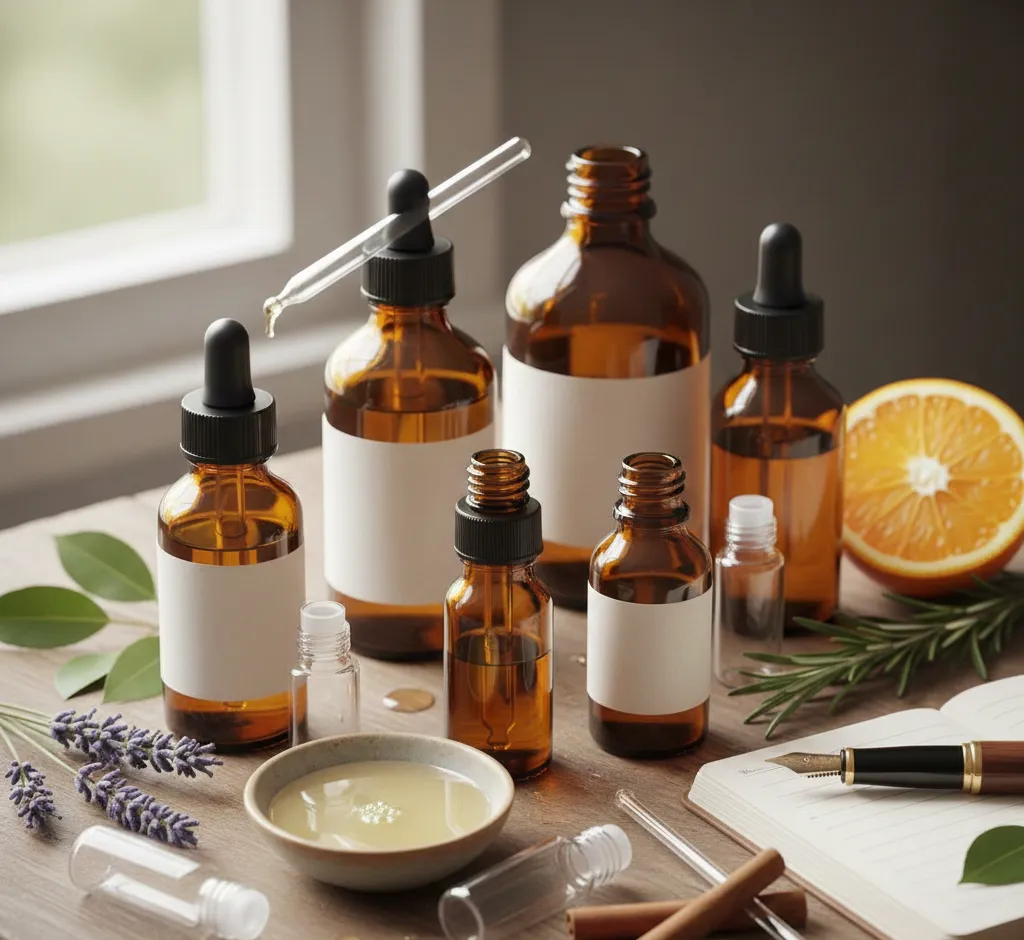
Essential oils are powerful, highly concentrated plant extracts that can offer a wide range of benefits—from relaxation and better sleep to improved focus and natural cleaning. However, their potency also means they must be used with knowledge and care. Safe blending is not only about creating a pleasant aroma; it is about protecting your skin, lungs, and overall health while getting the most from every drop.
This guide walks you through the fundamentals of blending essential oils safely, covering proper dilution, choosing carrier oils, understanding skin sensitivity, and avoiding common mistakes. Whether you are making a simple roller blend or formulating products for your family, these principles will help you blend with confidence.
Why Safety Matters When Blending Essential Oils
Because essential oils are so concentrated, using them undiluted or incorrectly can lead to irritation, allergic reactions, or even long-term sensitization. A single drop often represents the essence of large amounts of plant material. What smells gentle and natural is, in fact, a highly potent substance.
Safe blending focuses on three key goals:
- Protecting the skin and mucous membranes from burns, rashes, and irritation.
- Reducing the risk of sensitization, a permanent allergy-like reaction to certain oils.
- Ensuring appropriate dosage for children, older adults, people with health conditions, and pets in the home.
Understand the Basics: Essential Oils vs. Carrier Oils
A safe blend always combines essential oils with a carrier oil or another neutral base. Carrier oils dilute essential oils and help spread them evenly over the skin. They also slow evaporation so you can enjoy therapeutic effects for longer.
What Are Carrier Oils?
Carrier oils are typically cold-pressed, plant-based oils that are gentle on the skin and stable enough to hold blends for weeks or months. They do not evaporate like essential oils and usually have a mild or neutral scent.
Popular carrier oils include:
- Sweet almond oil – Light, easily absorbed; suitable for most skin types.
- Jojoba oil – Technically a wax; very stable and similar to skin's natural sebum.
- Fractionated coconut oil – Non-greasy, long shelf life, often odorless.
- Grapeseed oil – Lightweight and good for massage, though with a shorter shelf life.
- Apricot kernel or avocado oil – Nourishing, great for dry or mature skin.
Why You Should Avoid Undiluted Use
Using essential oils “neat” (directly on the skin without dilution) significantly raises the risk of irritation and sensitization. Even oils often considered gentle, such as lavender or tea tree, can cause reactions in some people when used undiluted or at very high concentrations.
Always treat essential oils with the same respect you would give to any potent natural remedy. The goal is to use the lowest effective amount to achieve the desired outcome.
Safe Dilution Guidelines for Essential Oil Blends
Dilution is one of the most important concepts in safe blending. It is usually expressed as a percentage of essential oil in the total blend. For example, a 2% dilution means 2 parts essential oil to 98 parts carrier.
General Dilution Recommendations
- 0.25–0.5% dilution – Very sensitive skin, facial use, frail or chronically ill adults.
- 1% dilution – Everyday use on large areas of the body, long-term blends.
- 2% dilution – Short-term therapeutic use for healthy adults (muscle discomfort, tension, etc.).
- 3–5% dilution – Localized, short-term use on small areas (e.g., a sore joint), if the oil is known to be safe.
How Many Drops Is That?
Drops are not a perfect measurement, but they are the most practical for home blending. As a very general rule of thumb, 1 ml contains about 20 drops of essential oil from a standard dropper.
Here is a simple reference for a 2% dilution in common batch sizes:
- 10 ml carrier oil – About 4 drops of essential oil total.
- 30 ml (1 oz) carrier oil – About 12 drops of essential oil total.
- 50 ml carrier oil – About 20 drops of essential oil total.
Remember: these are total drops for the entire blend. If you use multiple essential oils, divide these drops between them. For example, a relaxing 30 ml body oil at 2% might include 6 drops lavender and 6 drops sweet orange.
Choose Oils Wisely: Know Their Profiles and Risks
Not all essential oils have the same safety profile. Some are gentle and versatile, while others require strict dilution or should be avoided in certain situations.
Gentler Oils for Everyday Blends
The following oils are often considered more beginner-friendly when used with proper dilution and patch testing:
- Lavender (Lavandula angustifolia) – Calming, supportive for sleep and skin.
- Sweet orange (Citrus sinensis) – Uplifting, bright, generally low risk and non-phototoxic.
- Roman chamomile (Chamaemelum nobile) – Soothing for nerves and sensitive skin.
- Frankincense (Boswellia carterii) – Grounding and supportive for breathing and relaxation.
- Cedarwood (Cedrus atlantica or Juniperus virginiana) – Balancing and supportive for emotional grounding.
Oils That Require Extra Caution
Some essential oils can be hazardous if misused. You do not have to avoid them entirely, but you should understand and respect their limits.
- Phototoxic citrus oils (like cold-pressed bergamot, expressed lemon, lime, and bitter orange) can increase the risk of sunburn and skin damage when applied to skin before sun exposure. Use low dilutions and avoid UV light for at least 12–18 hours after application.
- Hot oils such as oregano, cinnamon bark, clove, and thyme (chemotype thymol) can cause intense irritation. These are best reserved for advanced users and very specific, short-term applications.
- High 1,8-cineole oils (eucalyptus, rosemary, some chemotypes of sage) may not be suitable for young children or people with certain respiratory conditions.
- Certain oils are not recommended during pregnancy, including some strong hormone-modulating or emmenagogue oils. Always consult reliable safety references before use.
Patch Testing and Monitoring Skin Reactions
Even when you follow standard dilution guidelines, everyone’s skin is unique. A blend that works well for one person may cause redness or itching in another. This is why patch testing is an essential step in safe blending.
How to Perform a Patch Test
- Prepare your blend at the intended dilution.
- Apply a small amount (for example, 1 drop of the finished blend) to a discreet area of skin, such as the inside of the forearm.
- Do not wash the area for 24 hours if possible.
- Monitor for redness, itching, burning, or rash. If any reaction occurs, wash the area with mild soap and plenty of carrier oil, then discontinue use.
Remember that sensitization can develop over time. If you notice that a blend you once tolerated now causes discomfort, stop using it and allow your skin and system to rest.
Safe Blending Ratios and Simple Formulas
Once you understand dilution and basic oil safety, you can start creating blends tailored to your preferences and needs. Start with simple formulas and keep notes so you can adjust over time.
Example 1: Relaxing Evening Body Oil (2% Dilution)
- 30 ml jojoba or sweet almond oil (carrier).
- 6 drops lavender.
- 4 drops sweet orange.
- 2 drops cedarwood.
This gentle blend supports relaxation and can be applied to arms, shoulders, or legs in the evening. Avoid sun exposure if you substitute with phototoxic citrus oils.
Example 2: Clear Breathing Chest Rub (1–2% Dilution)
- 30 ml fractionated coconut oil.
- 4–6 drops frankincense.
- 2–4 drops lavender.
- Optional: 2 drops a milder eucalyptus chemotype suitable for your age group, if recommended by a qualified source.
Use this blend for short periods and avoid the eye area. For young children, use only child-safe oils at very low dilution and seek professional guidance.
Example 3: Uplifting Room Diffuser Blend
Although diffusion does not involve direct skin contact, it still requires thoughtful use. A simple uplifting blend for an ultrasonic diffuser might include:
- 3 drops sweet orange.
- 2 drops lavender.
- 1 drop frankincense.
Diffuse for 20–30 minutes at a time in a well-ventilated space and take breaks. Continuous, all-day diffusion is not recommended.
Safe Practices for Diffusion and Inhalation
Inhalation is one of the most effective and gentle ways to experience essential oils. However, too much can still irritate the respiratory system or trigger headaches in sensitive individuals.
Guidelines for Safe Diffusion
- Use fewer drops than you think you need. For a typical diffuser, 4–8 drops total is often enough.
- Limit diffusion sessions to 20–30 minutes, followed by a break of at least the same length.
- Ensure good ventilation and avoid diffusing in very small, enclosed spaces for long periods.
- Be cautious around children, pets, and pregnant individuals. Some oils are not appropriate for them, especially in continuous high concentrations.
Storage, Shelf Life, and Oxidation
Essential oils slowly degrade when exposed to heat, light, and air. Oxidized oils are more likely to cause skin reactions, including sensitization. Proper storage is therefore an important part of safety.
How to Store Essential Oils and Blends
- Keep oils in dark glass bottles (amber or cobalt) with tight-fitting caps.
- Store them in a cool, dark place, away from direct sunlight and heat sources.
- Label bottles clearly with the name, date, and dilution of your blend.
- Consider storing citrus oils and fragile oils in the refrigerator to slow oxidation.
Most carrier oils also have a limited shelf life and can go rancid over time. If an oil smells sharp, sour, or off compared to when you bought it, do not use it on your skin.
Special Considerations: Children, Pregnancy, and Health Conditions
While essential oils can support wellness, they are not risk-free, especially for vulnerable groups. You should always consult current, evidence-based safety references or a qualified aromatherapist when working with these populations.
Children
- Use very low dilutions (often 0.25–0.5%, sometimes up to 1% for older children) and only child-safe oils.
- Avoid strong menthol and 1,8-cineole oils (such as some eucalyptus and peppermint) for young children due to possible breathing concerns.
- Prioritize gentle oils like lavender, Roman chamomile, and certain citrus oils, and always patch test first.
Pregnancy and Breastfeeding
- Use lower dilutions (often 1% or less) and only oils that are considered safe for pregnancy.
- Avoid certain stimulating, hormone-modulating, or potentially neurotoxic oils unless specifically cleared by a qualified practitioner.
- Always inform your healthcare provider about any essential oils you are using.
Health Conditions and Medications
- If you have asthma, epilepsy, high blood pressure, hormone-sensitive conditions, liver issues, or are on multiple medications, seek professional guidance before using essential oils.
- Some oils can interact with medications, affect blood pressure, or trigger seizures in susceptible individuals.
Common Mistakes to Avoid When Blending Essential Oils
Even well-intentioned users can make errors that undermine safety. Being aware of common mistakes will help you avoid them and create blends you can enjoy long term.
- Overusing oils – More is not better. Overly strong blends increase the risk of irritation and do not necessarily improve the benefits.
- Using oils undiluted on skin – Especially over large areas or for long periods, this can cause long-term sensitivity.
- Ignoring phototoxicity – Applying certain citrus oils to skin and then going into the sun can result in burns or discoloration.
- Not checking contraindications – Some oils are inappropriate for very young children, during pregnancy, or alongside certain medical conditions.
- Storing oils improperly – Heat and light degrade oils, making them harsher and less effective.
Building Your Own Safe Blending Routine
Safe blending is less about rigid rules and more about informed, respectful use. With practice, you will develop a personal approach that balances creativity with caution.
Practical Steps to Start Safely
- Educate yourself with reputable books, safety databases, or certified aromatherapy courses.
- Start small with 1–2 oils per blend before creating complex synergies.
- Keep a blending journal noting recipes, dilutions, and how your skin and mood responded.
- Respect your body’s feedback; stop using any blend that causes discomfort.
- Regularly review safety information as research and best practices continue to evolve.
By understanding dilution, choosing appropriate oils, performing patch tests, and respecting special populations, you can enjoy the art and science of essential oil blending with confidence. Safe blends not only protect your health but also enhance your experience, allowing the therapeutic and aromatic qualities of plants to shine through in a balanced, sustainable way.