Ceramic vs Stainless Steel Soleplates: Which Iron Is Best for Home Use?
Trying to choose between a ceramic or stainless steel soleplate iron for home use? Discover the key differences, pros and cons, durability, fabric safety, and maintenance tips to help you pick the best iron for your household.
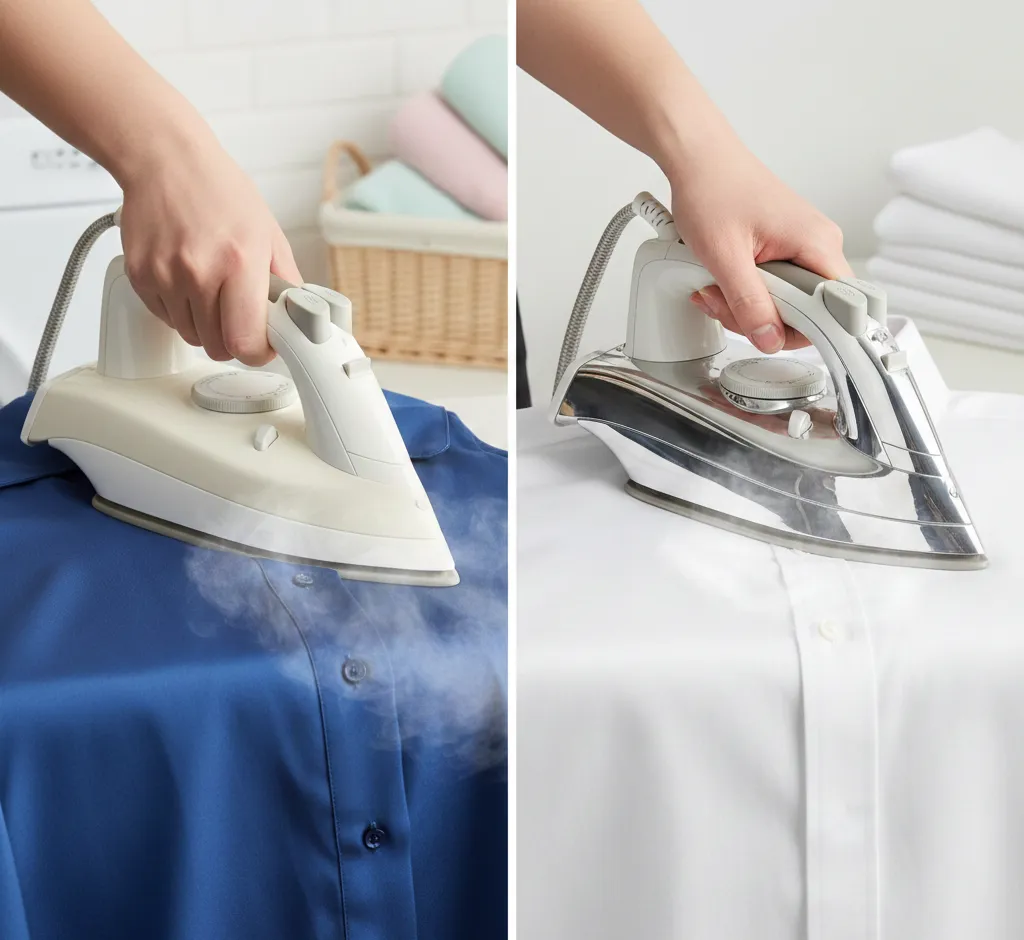
Choosing between a ceramic and a stainless steel soleplate is one of the most important decisions you make when buying a new iron. The soleplate is the part of the iron that directly touches your clothes, so its material strongly affects glide, heat distribution, fabric safety, and even how much effort you spend ironing.
Both ceramic and stainless steel soleplates have strengths and weaknesses. The right option for you depends on what you iron most often, how frequently you iron, and how much maintenance you are willing to do. In this guide, you will find a practical, side-by-side comparison to help you pick the best iron for home use.
What Is a Soleplate and Why It Matters
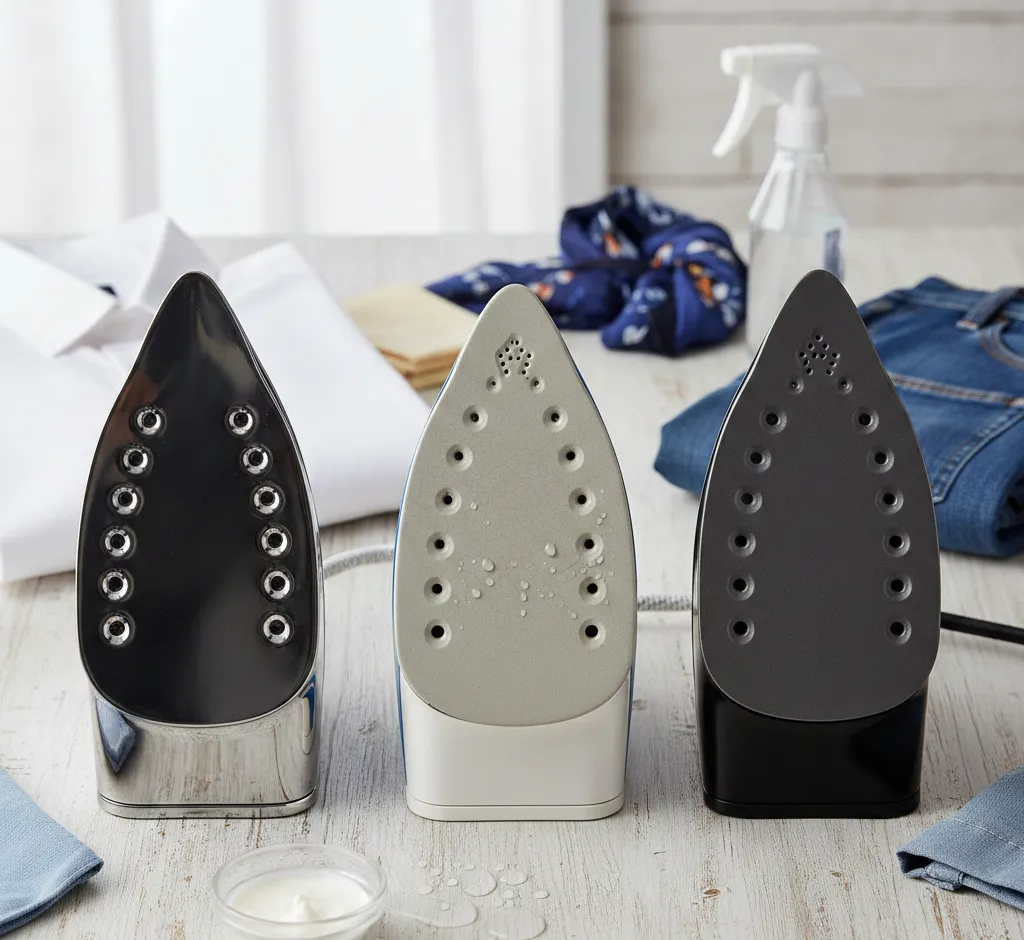
The soleplate is the flat, heated bottom of the iron. It usually contains steam holes and may be coated or polished to improve glide. A good soleplate should:
- Distribute heat evenly to avoid hot spots that can scorch fabrics.
- Glide smoothly over a wide range of materials.
- Resist scratching, staining, and sticking.
- Be easy to clean and maintain over time.
Most modern household irons use either a stainless steel soleplate or a ceramic (or ceramic-coated) soleplate. Understanding how each behaves in real daily use is key to making a smart choice.
What Is a Ceramic Soleplate?
A ceramic soleplate is usually a metal base (often aluminum) covered with a ceramic or ceramic-like coating. The coating improves glide and helps distribute heat more evenly across the surface. Some brands may use terms like "ceramic-coated", "nano-ceramic", or "durilium" for marketing, but the basic idea is similar: a smooth, non-stick, heat-friendly surface.
Key Advantages of Ceramic Soleplates
- Excellent glide on most fabrics. Ceramic surfaces are naturally smooth, which reduces friction. This is especially helpful when ironing larger loads or tricky fabrics that tend to grab.
- Even heat distribution. Ceramic coatings are known for spreading heat more evenly, helping to prevent localized hot spots that can mark delicate fabrics.
- Good for synthetic and delicate materials. Fabrics like polyester, viscose, and blends can be sensitive to high heat and sticking. Ceramic’s more forgiving surface can reduce the risk of shiny spots or scorching when used with appropriate temperature settings.
- Less likely to leave shine marks. When used correctly, ceramic is less likely than bare metal to create that unwanted glossy sheen on trousers, suits, or dark garments.
Potential Drawbacks of Ceramic Soleplates
- Coating wear over time. Ceramic is usually a coating, not the structural material. Over years of use, it can chip, scratch, or wear away—especially if the iron is dropped or scraped against zippers and buttons.
- More sensitive to rough handling. Using abrasive cleaners, metal scouring pads, or harsh descaling tools can damage the coating, reducing glide and increasing the risk of sticking.
- Performance depends heavily on quality. Not all ceramic coatings are equal. Lower-quality models may not distribute heat as well or may degrade faster under frequent use.
What Is a Stainless Steel Soleplate?
A stainless steel soleplate is made from stainless steel that is polished and sometimes treated to improve glide. Unlike ceramic, stainless steel is usually the main structural material rather than a thin surface coating.
Key Advantages of Stainless Steel Soleplates
- High durability. Stainless steel is tough. It withstands bumps, accidental drops, and contact with buttons and zippers better than most coated surfaces.
- Very smooth finish when polished. A quality stainless steel soleplate glides well across cotton, linen, and many everyday fabrics, especially when combined with strong steam performance.
- Easy to clean. Burnt starch, melted fibers, or mineral deposits can usually be removed with mild cleaners and a soft cloth without permanently damaging the surface.
- Naturally corrosion resistant. Stainless steel does not rust easily, which is important in a steam iron that constantly handles water and moisture.
Potential Drawbacks of Stainless Steel Soleplates
- Can cause shine on dark or delicate fabrics. If used at too high a temperature or with too much pressure, stainless steel can leave shiny marks, especially on wool, dark cotton, and suit fabrics.
- More prone to visible scratches. While it remains functional, stainless steel can pick up visible surface scratches from metal trims or grit on clothes.
- May stick to synthetics at high heat. If you accidentally iron polyester or other synthetics on a cotton/linen setting, stainless steel can stick and even melt fibers onto the soleplate.
Ceramic vs Stainless Steel: Side-by-Side Comparison
To make your decision easier, here is how ceramic and stainless steel soleplates compare in the areas that matter most for home use.
1. Glide and Smoothness
Ceramic: Often feels softer and more "slippery" on fabric. Many users notice that the iron seems to float more easily over the material, which reduces wrist strain during long ironing sessions.
Stainless steel: Glides very well when highly polished and kept clean. However, if it becomes scratched, pitted, or coated with residue, the glide can degrade unless you regularly clean and maintain it.
Verdict for glide: High-quality ceramic generally offers the best out-of-the-box glide, but a well-maintained stainless steel soleplate can come close.
2. Heat Distribution and Temperature Control
Ceramic: Known for even heat distribution across the surface. This helps reduce hot or cold spots and gives more consistent results, particularly when working at low to medium temperatures.
Stainless steel: Conducts heat efficiently but can show more temperature variance in cheaper irons, depending on the design and thickness of the plate.
Verdict for heat distribution: Ceramic has a slight edge, especially in budget and mid-range irons, where evenness of temperature is more noticeable.
3. Durability and Longevity
Ceramic: Because it is usually a coating, it can crack, chip, or wear down over time, especially under heavy use or improper cleaning. Once damaged, the surface may lose its non-stick properties and become rough.
Stainless steel: Very durable over many years. Scratches are mostly cosmetic and rarely affect function. There is no coating to peel or flake off.
Verdict for durability: Stainless steel clearly wins if you want an iron that will tolerate years of frequent use and the occasional knock.
4. Safety on Delicate Fabrics
Ceramic: Generally safer on delicates when used correctly. The smoother, slightly more forgiving surface and even heat minimize the risk of scorching silk, viscose, or synthetics.
Stainless steel: Perfectly safe when you use the right settings, but more likely to leave shine or stick if you accidentally use too much heat.
Verdict for delicates: Ceramic tends to be more forgiving, especially for users who do not want to constantly adjust settings.
5. Ease of Cleaning and Maintenance
Ceramic: Resists some forms of sticking, but once residue builds up or the coating is scratched, cleaning becomes more delicate. Abrasive cleaners should be avoided to prevent damaging the surface.
Stainless steel: Can be scrubbed more firmly with non-abrasive pads and gentle cleaners. It tolerates occasional use of stronger cleaning methods better than ceramic.
Verdict for cleaning: Stainless steel is easier and safer to deep-clean. Ceramic works well if you prevent buildup early and clean with care.
6. Resistance to Scratching and Staining
Ceramic: Resists minor staining and can stay attractive for a long time if handled gently. However, deep scratches or chips are difficult or impossible to repair.
Stainless steel: More likely to show fine scratches, but they rarely affect performance. Stains from burnt fabric or starch can usually be polished off.
Verdict for wear and tear: Stainless steel offers more practical resilience for busy households.
Which Soleplate Is Better for Different Types of Users?
There is no single "best" soleplate material for everyone. Instead, match the material to your lifestyle, ironing habits, and the fabrics you handle most often.
Best Choice for Busy Family Homes
If your household produces a lot of laundry and you iron several times a week, durability and maintenance become essential. In this case, a stainless steel soleplate is often the better option because:
- It handles frequent use and accidental bumps very well.
- It is easier to clean when someone accidentally burns synthetic fabric or starch.
- It continues to perform even with minor scratches.
Look for a model with strong steam output and a thick, well-designed stainless steel plate for the best overall performance.
Best Choice for Occasional Ironing and Mixed Fabrics
If you iron once a week or less and work with many different fabric types—from jeans to delicate blouses—a ceramic soleplate can be a very comfortable option. It may suit you best if:
- You want effortless glide with minimal wrist strain.
- You often iron synthetics, blends, or delicate items.
- You prefer a soleplate that is less likely to leave shine when used with care.
Choose a ceramic iron from a reputable brand, as quality of the coating is critical for longevity.
Best Choice for Precision and Professional Finish
Users who want crisp creases on shirts, trousers, and linens often favor stainless steel. It works particularly well if you:
- Iron cotton shirts, tablecloths, and bed linens regularly.
- Like very sharp, defined creases.
- Are comfortable adjusting temperature precisely for each fabric.
High-quality stainless steel soleplates can deliver a professional-looking finish, especially when combined with a powerful steam boost.
Common Myths About Ceramic and Stainless Steel Soleplates
Myth 1: Ceramic Soleplates Never Scratch
Reality: Ceramic coatings can scratch, chip, or wear out if treated roughly. While they resist minor scuffs, sharp metal objects (like zippers and rivets) can damage the surface. Always avoid pressing hard over hardware and buttons.
Myth 2: Stainless Steel Always Sticks to Clothes
Reality: A clean, polished stainless steel soleplate glides very well and does not automatically stick. Sticking usually occurs when the iron is too hot for the fabric or when residue builds up on the plate. Correct temperature settings and regular cleaning prevent this.
Myth 3: Ceramic Irons Are Only for Delicate Fabrics
Reality: Ceramic soleplates handle everyday fabrics like cotton and linen very well. They are versatile, but you must still respect the recommended temperature settings to avoid damage—just like with any other material.
How to Maintain Your Soleplate for Long-Term Performance
Regardless of whether you pick ceramic or stainless steel, good maintenance keeps your iron working smoothly for years. Here are simple care tips that apply to both materials.
Daily and Weekly Care
- Wipe the soleplate when cool. After the iron has completely cooled, wipe the surface with a soft, slightly damp cloth to remove light residue.
- Use distilled or filtered water if recommended. This helps reduce mineral buildup in the steam system, which can lead to drips and stains.
- Store the iron upright. Keeping the soleplate off surfaces reduces the risk of scratches and accidental damage.
Removing Residue and Burn Marks
For Ceramic Soleplates
- Use only non-abrasive cleaners designed for irons or mild dish soap with a soft cloth.
- Avoid harsh scrubbing pads, steel wool, or powdered cleansers that may scratch or dull the coating.
- If fabric melts onto the plate, let it fully cool, then gently rub it off with a soft cloth and specialized cleaner.
For Stainless Steel Soleplates
- Use a soft cloth with mild cleaner to remove most marks.
- For tougher residue, you can use slightly more intensive methods, such as specialized soleplate cleaners or non-scratch pads rated safe for stainless steel.
- Always follow the manufacturer’s instructions to avoid voiding the warranty.
Key Buying Tips: Ceramic vs Stainless Steel
When comparing irons in the store or online, do not focus only on the soleplate material. Consider the full package and how the iron will fit into your daily routine.
Check These Features Alongside the Soleplate
- Steam output and steam boost. Strong, consistent steam often makes a bigger difference to wrinkle removal than the soleplate material alone.
- Temperature and fabric settings. Clear, easy-to-understand controls help you match heat to fabric, which reduces the risk of sticking and shine.
- Weight and balance. A well-balanced iron with a comfortable handle is easier to use for long sessions, regardless of soleplate type.
- Auto shut-off and safety features. These protect your home if you forget to switch the iron off.
- Cable length and flexibility. A longer, flexible cord or a cordless design can improve comfort and reach.
Questions to Ask Yourself Before Choosing
- How often do I iron each week?
- What fabrics do I handle most—cotton, synthetics, delicates, or a mix?
- Do I prefer low-maintenance durability or maximum glide and fabric friendliness?
- Am I willing to clean the soleplate regularly?
- What is my budget, and which features matter most beyond the soleplate?
So, Which Soleplate Is Best for Home Use?
In simple terms, here is how to decide:
- Choose ceramic if you value effortless glide, frequently iron mixed or delicate fabrics, and do not mind treating the soleplate gently to preserve the coating.
- Choose stainless steel if you prioritize durability, easy cleaning, and regularly iron larger loads of everyday cotton, linen, or workwear.
Both ceramic and stainless steel soleplates can deliver excellent results at home when paired with a well-designed, reliable iron. Focus on how you actually use your iron, and match the soleplate to your habits. By doing this, you will enjoy smoother, faster ironing sessions and better-looking clothes with less effort.