Charcoal Toothpaste: Pros, Cons, and When to Use It Safely
Thinking about trying charcoal toothpaste? Discover its real pros and cons, including whitening benefits, enamel risks, fluoride concerns, and dentist-approved tips for safe use.
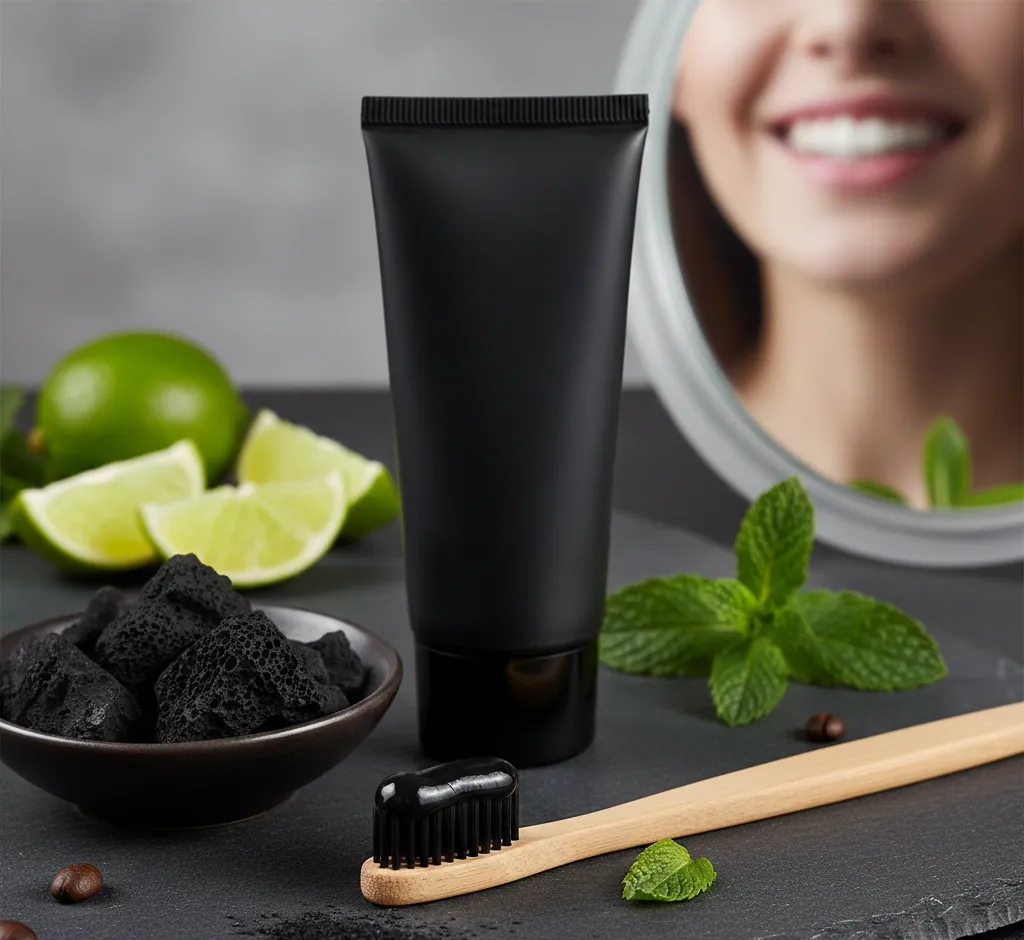
Charcoal toothpaste has become one of the biggest trends in oral care, widely promoted on social media as a fast way to whiten teeth and detoxify the mouth. Its striking black color and bold claims make it stand out on store shelves, but does it really work—and is it safe to use every day?
This article takes a detailed, evidence-based look at charcoal toothpaste. Below you will find the main benefits, potential risks, and expert recommendations on how—and when—to use it to protect both your smile and your long-term oral health.
What Is Charcoal Toothpaste?
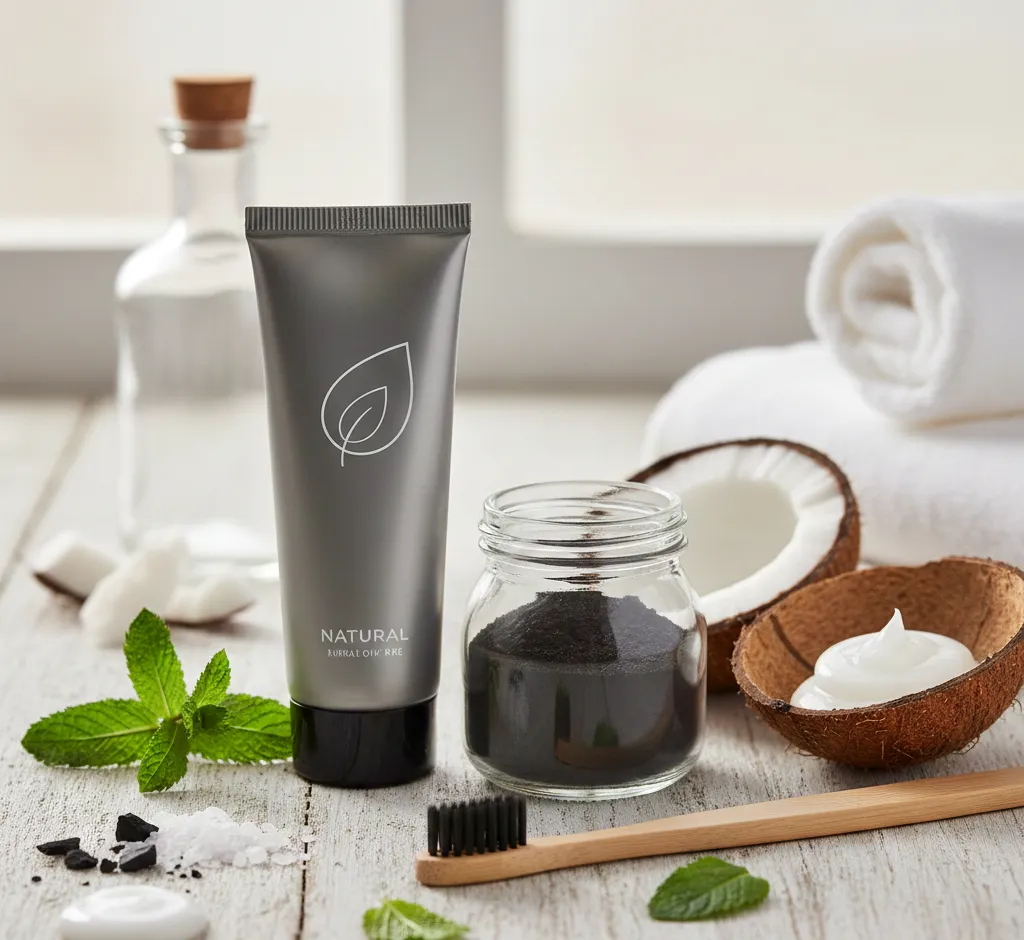
Charcoal toothpaste is a type of toothpaste that contains activated charcoal as one of its main ingredients. Activated charcoal is a specially processed form of carbon that has a highly porous surface, which can bind to certain substances. It has been used for decades in medicine to absorb toxins in cases of poisoning or drug overdose.
In oral care, manufacturers add activated charcoal to toothpaste with the claim that it can bind surface stains, toxins, and bacteria in the mouth, leaving teeth whiter and the mouth cleaner. Charcoal toothpastes usually come in a black or dark gray color and may be sold as fluoride or non-fluoride formulas.
How Activated Charcoal Works in Toothpaste
Activated charcoal has a large surface area and a porous structure. In theory, this allows it to adsorb (trap on its surface) molecules such as:
- Colored compounds from foods and drinks like coffee, tea, red wine, and tobacco.
- Certain bacterial by-products that contribute to bad breath.
- Some impurities and debris on the surface of the teeth.
However, it is important to distinguish between removing superficial stains on the enamel surface and actually whitening the intrinsic color of teeth. Studies suggest that charcoal toothpastes may help with surface stain removal, but they are not a substitute for professional whitening treatments.
Benefits of Charcoal Toothpaste
Charcoal toothpaste does offer some potential advantages, especially for people interested in cosmetic improvements. Below are the most frequently cited benefits.
1. May Help Remove Surface Stains
The most popular claim about charcoal toothpaste is its ability to make teeth look whiter. Activated charcoal can act as a mild abrasive and adsorptive agent, which may help remove:
- Superficial stains from coffee, tea, soda, and red wine.
- Discoloration related to smoking or vaping.
- Some plaque buildup that makes teeth appear yellowish.
Because of these effects, users may notice a brighter smile after consistent short-term use. The improvement is typically limited to extrinsic stains (on the surface of teeth), not deep internal discoloration.
2. Strong Visual Appeal and Motivation
Many people enjoy the unique look and feel of charcoal toothpaste. The black foam and dramatic contrast while brushing can make oral care feel more interesting and less routine. This novelty factor can actually motivate some users to brush more regularly and pay closer attention to their oral hygiene.
3. Fresh Breath and Clean Feeling
Some users report that charcoal toothpaste leaves the mouth feeling exceptionally clean and fresh. This may be due to the combination of:
- Mild abrasive action that removes plaque film.
- Adsorption of odor-causing compounds.
- Essential oils or flavoring agents like mint and spearmint, commonly added to charcoal formulas.
While these effects are not unique to charcoal toothpaste, the sensory experience can be appealing and may encourage better daily habits.
4. Perceived "Natural" Alternative
Charcoal toothpaste is often marketed as a more "natural" or "chemical-free" alternative to traditional whitening toothpastes. Some products avoid certain additives (such as artificial dyes or SLS) and appeal to consumers who are trying to reduce synthetic ingredients in their personal care routine.
That said, "natural" does not automatically mean safer or more effective. The safety and performance of any toothpaste depend on its overall formulation, not just one ingredient.
Risks and Drawbacks of Charcoal Toothpaste
Despite its popularity, charcoal toothpaste has several important downsides. Dental associations and many dentists recommend caution, especially with daily or long-term use.
1. Potential Enamel Damage from Abrasion
One of the biggest concerns is that charcoal particles can be highly abrasive. Over time, abrasive toothpastes can wear away enamel, the hard outer layer that protects teeth. Once enamel is lost, it does not grow back.
Enamel erosion can lead to:
- Increased tooth sensitivity to hot, cold, and sweet foods.
- Yellowing, as the underlying dentin becomes more visible.
- Higher risk of cavities and structural damage.
Not all charcoal toothpastes have the same abrasiveness, and many brands do not publish their RDA (Relative Dentin Abrasivity) values. Without this information, it is difficult for consumers to know how safe a given product is for daily use.
2. Many Formulas Lack Fluoride
Another major concern is that a significant number of charcoal toothpastes are fluoride-free. Fluoride is a key ingredient in conventional toothpaste because it strengthens enamel and helps prevent cavities.
Regular brushing with a non-fluoride toothpaste—charcoal or otherwise—may leave teeth more vulnerable to decay, especially in people who:
- Have a history of cavities.
- Consume frequent sugary or acidic foods and drinks.
- Have dry mouth or reduced saliva flow.
If choosing a charcoal toothpaste, dentists often recommend selecting a formula that contains fluoride, unless specifically advised otherwise by an oral health professional.
3. Limited Scientific Evidence
Although charcoal toothpaste is widely advertised, the scientific evidence supporting its benefits is still limited compared with traditional fluoride toothpastes. Many claims about detoxification, deep whitening, and antibacterial effects are based more on marketing than robust clinical research.
Existing studies suggest:
- Charcoal can help remove surface stains, but results vary and may be modest.
- There is no strong evidence that charcoal toothpaste is better for whitening than standard whitening toothpastes.
- Long-term safety data, particularly regarding abrasion and effects on restorations (fillings, crowns, veneers), is still incomplete.
4. Possible Staining of Dental Restorations
Ironically, while charcoal toothpaste is marketed as a whitening product, there is concern that it could cause dark staining on certain dental restorations. The fine charcoal particles may accumulate in microscopic cracks, rough surfaces, or along edges of:
- Composite fillings.
- Porcelain crowns and bridges.
- Veneers and bonding materials.
Once embedded, these particles can be difficult to remove without professional cleaning or polishing. This risk is one reason many dentists advise patients with extensive dental work to avoid charcoal products or use them only under guidance.
5. Messy and Potentially Difficult to Rinse
From a practical standpoint, charcoal toothpaste can be quite messy. The black paste often splatters on sinks, clothing, and bathroom surfaces. It may also linger around the gums and between teeth if not rinsed thoroughly.
While this is mostly a cosmetic inconvenience, it can be frustrating for some users and may discourage regular use over time.
6. Not a Substitute for Professional Whitening or Dental Care
Charcoal toothpaste is sometimes advertised as a powerful, all-in-one whitening and detox solution. In reality, it cannot replace:
- Professional in-office whitening treatments.
- Custom whitening trays with dentist-supervised gels.
- Regular dental check-ups and cleanings.
- Treatment for underlying problems like decay, gum disease, or enamel defects.
Relying solely on charcoal toothpaste for whitening or oral health may delay necessary treatment and allow problems to worsen.
Charcoal Toothpaste vs. Regular Toothpaste
To understand where charcoal toothpaste fits into an oral care routine, it helps to compare it with standard fluoride toothpaste.
Key Differences
- Whitening mechanism: Charcoal toothpaste focuses mainly on surface stain removal through abrasion and adsorption. Regular whitening toothpastes often use milder abrasives plus chemical agents to break down stains.
- Cavity protection: Traditional toothpastes almost always contain fluoride, which remineralizes enamel and helps prevent cavities. Many charcoal toothpastes do not contain fluoride.
- Abrasiveness: Some charcoal toothpastes may be more abrasive than standard options, which can increase the risk of enamel wear if used improperly.
- Evidence base: Regular fluoride toothpastes have decades of clinical research supporting their safety and effectiveness, while evidence for charcoal toothpastes remains limited.
- Marketing focus: Charcoal products are marketed more for cosmetic appeal and "natural" positioning, whereas regular toothpastes emphasize overall oral health and cavity prevention.
When Charcoal Toothpaste Might Be Appropriate
Charcoal toothpaste may be reasonable in specific situations, for example:
- Short-term use to help polish away surface stains before a special event.
- Occasional use alongside a regular fluoride toothpaste, not as a complete replacement.
- Under the guidance of a dentist, especially if there is concern about abrasion or existing dental work.
For most people, a standard fluoride toothpaste used twice a day, combined with flossing and professional cleanings, will provide more predictable and long-lasting oral health benefits.
How to Use Charcoal Toothpaste Safely
If choosing to try charcoal toothpaste, a cautious and informed approach can reduce risks. Consider the following guidelines.
1. Do Not Use It as Your Only Toothpaste
For daily cavity protection, it is advisable to use a fluoride toothpaste as the foundation of any oral care routine. Charcoal toothpaste, particularly if fluoride-free, should not fully replace a conventional product.
A practical approach might be:
- Use regular fluoride toothpaste twice a day.
- If desired, use charcoal toothpaste a few times per week for surface stain removal.
2. Limit Frequency and Brushing Pressure
To protect enamel:
- Use charcoal toothpaste no more than a few times per week, unless a dentist advises otherwise.
- Brush gently with a soft-bristled toothbrush to reduce abrasion.
- Avoid scrubbing aggressively, especially near the gum line where enamel is thinner.
3. Check the Ingredients
Before buying, carefully read the label. Look for:
- Whether the product contains fluoride.
- Any added whitening chemicals or strong abrasives besides charcoal.
- Statements about RDA or abrasivity, if provided.
- Certifications or endorsements from reputable dental organizations, if available.
In general, avoid products that feel excessively gritty or harsh in the mouth.
4. Consult Your Dentist
Individuals with the following conditions should definitely talk to a dentist before using charcoal toothpaste:
- Tooth sensitivity or visible enamel wear.
- Multiple fillings, crowns, veneers, or cosmetic bonding.
- History of gum recession or root exposure.
- High risk of cavities or ongoing dental treatment.
A dentist can help decide whether charcoal toothpaste is appropriate, recommend specific brands, and monitor any changes over time.
5. Pay Attention to Side Effects
If noticing any of the following after starting charcoal toothpaste, consider stopping use and seeking professional advice:
- Increased tooth sensitivity.
- Gum irritation or bleeding that does not improve.
- New staining around fillings, crowns, or veneers.
- A persistent rough feeling on the tooth surface.
Who Should Avoid Charcoal Toothpaste?
Charcoal toothpaste is not suitable for everyone. Some groups are at higher risk of negative effects and are generally better off avoiding it.
High-Risk or Sensitive Users
- People with sensitive teeth: The abrasive nature of charcoal can worsen sensitivity over time.
- Children and teenagers: Young enamel is more vulnerable, and fluoride is especially important during these years.
- Patients with extensive dental work: The risk of staining or damaging restorations may be higher.
- Individuals prone to cavities: They should prioritize fluoride-containing toothpaste and proven preventive methods.
Pregnant or breastfeeding individuals should consult their healthcare provider or dentist before starting any new oral care product, including charcoal toothpaste.
Charcoal Toothpaste Pros and Cons at a Glance
- Pros: May help remove surface stains; can provide a polished, clean feeling; visually appealing and motivating for some users; available in fluoride-containing formulas; often marketed with fewer synthetic additives.
- Cons: Potentially abrasive to enamel and dentin; many formulas lack fluoride; limited long-term scientific evidence; possible staining of restorations; messy and harder to rinse; not a substitute for professional whitening or dental care.
Frequently Asked Questions About Charcoal Toothpaste
Does charcoal toothpaste really whiten teeth?
Charcoal toothpaste can brighten teeth by removing surface stains, which may create the appearance of whiter teeth. However, it does not change the natural internal color of teeth the way professional bleaching treatments do. For deep discoloration or dramatic whitening, dentist-supervised options are more effective and predictable.
Is charcoal toothpaste safe for daily use?
Most dental professionals recommend against using charcoal toothpaste every day over the long term, mainly due to concerns about abrasion and lack of fluoride in many formulas. Occasional use, combined with regular fluoride toothpaste, is generally considered safer—especially when guided by a dentist.
Can charcoal toothpaste damage enamel?
Yes, it can potentially damage enamel if the product is highly abrasive or used too frequently or aggressively. Enamel erosion is permanent and can lead to sensitivity and increased risk of cavities. Using a soft toothbrush, gentle pressure, and limiting frequency can help reduce this risk, but caution is still advised.
Is charcoal toothpaste better than regular whitening toothpaste?
There is no strong evidence that charcoal toothpaste is superior to conventional whitening toothpaste. In fact, standard whitening formulas from reputable brands usually offer a better balance of stain removal, enamel protection, and cavity prevention. Charcoal toothpaste may be an occasional adjunct, but not necessarily a better replacement.
Final Thoughts: Should You Use Charcoal Toothpaste?
Charcoal toothpaste can be an interesting addition to an oral care routine, especially for those looking for short-term surface stain removal and a unique brushing experience. It offers certain perceived benefits, such as a cleaner feeling and cosmetic brightening, but these advantages come with important caveats.
The potential for enamel abrasion, lack of fluoride in many formulas, limited scientific evidence, and risk of staining restorations mean that charcoal toothpaste should be used carefully and selectively, not as an everyday, long-term solution for most people.
The safest approach is to keep fluoride toothpaste as the foundation of oral hygiene, maintain regular dental check-ups, and consult a dentist before making charcoal toothpaste a regular part of your routine. When used thoughtfully and in moderation, charcoal toothpaste may have a place in some people’s cosmetic care—but it should never replace proven, science-backed methods of protecting your teeth and gums.