Chocolate and the Dopamine Reward System: Why Your Brain Loves Cocoa So Much
Discover how chocolate activates the brain’s dopamine reward system, why it feels so satisfying, and how to enjoy it mindfully without letting cravings take over.
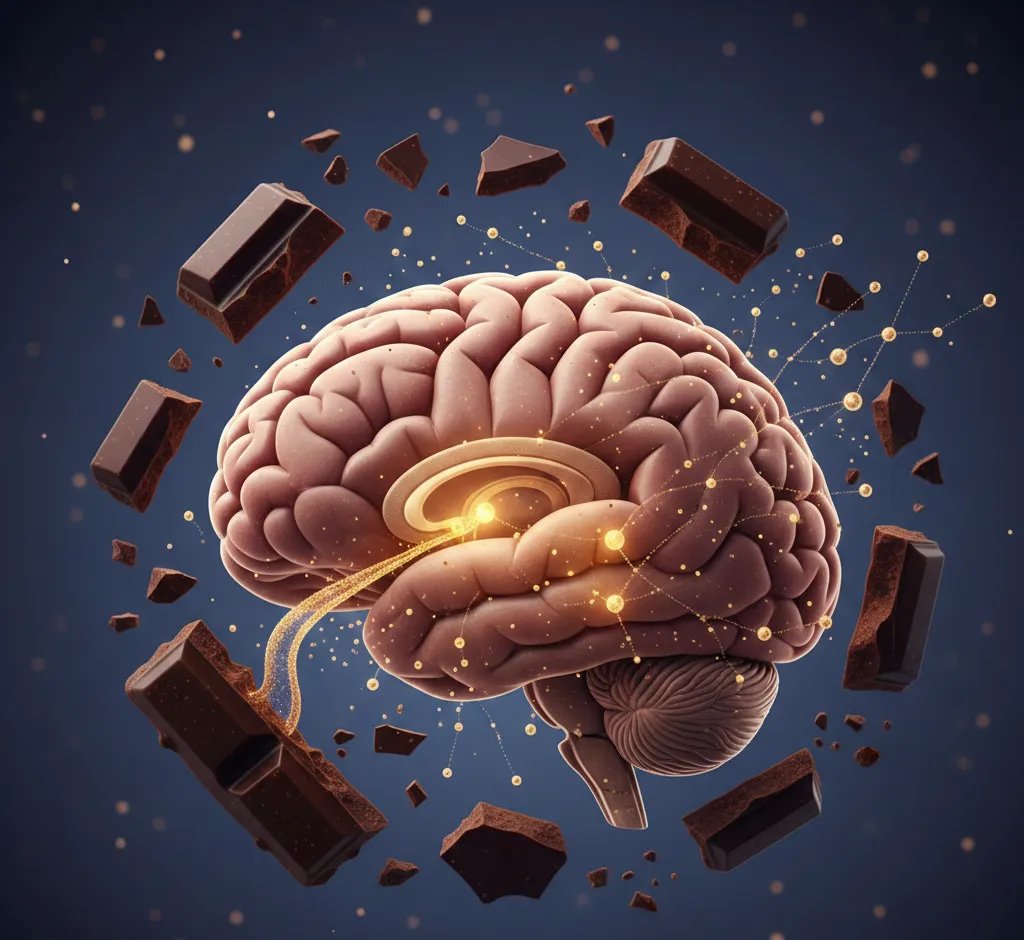
Why does a small piece of chocolate feel so incredibly satisfying? Beyond the delicious taste, chocolate taps directly into the brain's reward circuitry, especially the dopamine system. Understanding how this works can help explain cravings, emotional eating, and how to enjoy chocolate in a balanced, mindful way.
What Is the Dopamine Reward System?
The dopamine reward system is a network of brain structures and chemical messengers that help you seek out and repeat behaviors that feel rewarding or beneficial. It is not just about pleasure; it is about motivation, learning, and habit formation.
When you do something enjoyable—like eating tasty food, socializing, or achieving a goal—your brain releases dopamine in specific regions, such as the ventral tegmental area (VTA) and the nucleus accumbens. This chemical signal teaches your brain, "Remember this. Do it again."
Dopamine: More Than Just a "Pleasure Chemical"
Dopamine is often called the "pleasure chemical," but that is only part of the story. More accurately, dopamine is involved in:
- Anticipation: The "wanting" or craving before you get the reward.
- Motivation: The drive that pushes you to act to get the reward.
- Learning: The brain's way of remembering which behaviors lead to positive outcomes.
Chocolate affects all of these elements, which is why it can feel almost irresistible at times.
What Makes Chocolate So Rewarding?
Chocolate is a unique blend of flavor, texture, aroma, and bioactive compounds. Together, they stimulate multiple senses and pathways in the brain. It is not any one ingredient, but the combination, that makes chocolate such a powerful trigger for the dopamine reward system.
1. Sugar and Dopamine Release
One of the main reasons chocolate feels rewarding is its sugar content. Sweet taste signals energy-rich food, something the human brain naturally values.
When you eat sugary foods, your brain releases dopamine in the reward centers. Over time, the brain learns to anticipate this effect even before you eat, simply when you see, smell, or think about chocolate. This is why cravings can be triggered by a simple cue, like passing a chocolate bar in a store.
2. Fat and Mouthfeel
Chocolate is typically rich in fat, giving it a smooth, creamy texture that melts near body temperature. This luxurious mouthfeel enhances the sensory pleasure of eating it.
Fat, like sugar, also signals a high-energy food source. The combination of sugar and fat is especially potent in the brain's reward system, leading to strong reinforcement of the behavior of eating chocolate.
3. Unique Cocoa Compounds
Cocoa contains several biologically active compounds that may influence mood and brain chemistry:
- Theobromine: A stimulant related to caffeine that can mildly increase alertness and mood.
- Caffeine: Present in smaller amounts, contributing to stimulation and mental focus.
- Anandamide: Often called the "bliss molecule," it interacts with the endocannabinoid system, which is involved in pleasure and relaxation.
- Flavonoids: Antioxidant compounds that may support blood flow to the brain and overall brain health.
These compounds do not turn chocolate into a drug, but they do subtly shape how your brain experiences and remembers eating it.
4. Emotional and Psychological Associations
Chocolate is often linked with celebration, comfort, romance, and reward. Over time, these emotional associations become part of how the brain responds to chocolate.
If you often eat chocolate when stressed, sad, or in need of comfort, your brain may start to associate chocolate with emotional relief. This can strengthen the habit loop of turning to chocolate in difficult moments.
How Chocolate Activates the Brain’s Reward Circuits
When you bite into a piece of chocolate, several processes happen almost simultaneously:
- Sensory pleasure: Taste buds register sweetness and bitterness, while aroma and texture enhance the experience.
- Dopamine release: The brain's reward regions, particularly the nucleus accumbens, respond with a pulse of dopamine.
- Reinforcement: The brain "logs" the experience as rewarding, increasing the likelihood you will seek chocolate again.
- Anticipatory learning: Over time, cues like seeing a wrapper or smelling chocolate can trigger dopamine release even before eating.
This cycle is part of normal brain function. It becomes problematic only when the drive to seek chocolate repeatedly overrides your goals for health or balance.
Is Chocolate Addictive?
The idea that chocolate is addictive comes up frequently. While chocolate can strongly stimulate the reward system, scientists distinguish between full-blown addiction and highly rewarding, habit-forming behaviors.
Chocolate vs. Classic Addictions
Addictive substances like nicotine or some drugs directly hijack brain chemistry, causing intense tolerance, withdrawal, and loss of control. Chocolate does not typically act in this extreme way.
However, in some people, chocolate and other highly processed foods can contribute to patterns that resemble addiction, including:
- Strong, persistent cravings.
- Difficulty limiting portions.
- Eating despite negative consequences, like discomfort or guilt.
These experiences often involve both the dopamine reward system and emotional factors, such as stress, anxiety, or unresolved habits around food.
The Role of Hyper-Palatable Foods
Many commercial chocolates are designed to be "hyper-palatable"—a combination of sugar, fat, and flavorings that make them especially hard to resist. This can amplify the dopamine response and make overeating more likely.
Still, it is important to remember that the issue is not chocolate alone, but the overall pattern of eating, emotional context, and lifestyle.
Chocolate, Mood, and Emotional Eating
Many people reach for chocolate when feeling stressed, tired, or low. This is not a sign of weakness; it is a predictable interaction between the brain's reward system and emotional regulation.
Short-Term Mood Boost
Chocolate can offer a short-term lift in mood through:
- Pleasant sensory experience and comfort.
- Dopamine and other neurotransmitter changes supporting enjoyment.
- Psychological associations with reward, love, or self-care.
This is why chocolate is often marketed around celebrations and romantic occasions—it naturally fits moments where people seek positive emotion.
When Emotional Eating Becomes a Cycle
Problems arise if chocolate becomes the primary coping strategy for difficult emotions. In this case, the dopamine reward system reinforces a loop:
- Stress or emotional discomfort arises.
- Chocolate is used for quick relief.
- Temporary comfort is followed by guilt or frustration.
- Negative feelings fuel more emotional eating.
Breaking this cycle is possible by understanding the role of dopamine and gradually introducing alternative coping strategies.
Dark Chocolate vs. Milk Chocolate: Does It Matter?
Different types of chocolate interact with the reward system in slightly different ways, based on their ingredients.
Milk Chocolate
Milk chocolate usually contains higher sugar and fat, with less cocoa. This can make it:
- More intensely sweet and immediately rewarding for the brain.
- More likely to encourage larger portions and frequent snacking.
Dark Chocolate
Dark chocolate, especially varieties with 70% cocoa or higher, typically has:
- Less sugar and more cocoa solids.
- Higher levels of flavonoids and bioactive compounds.
- A more bitter, complex flavor profile that may encourage slower, more mindful eating.
Although dark chocolate still engages the dopamine reward system, its lower sugar content and stronger flavor may help some people feel satisfied with smaller portions.
Can Chocolate Be Part of a Healthy Reward System?
Chocolate does not have to be the enemy of well-being. When approached thoughtfully, it can fit into a healthy lifestyle and even support a more balanced dopamine response.
1. Practice Mindful Eating
Instead of eating chocolate quickly or distractedly, try turning it into a fully conscious experience:
- Choose a small portion of high-quality chocolate.
- Notice its appearance, aroma, and texture before taking a bite.
- Eat slowly, allowing the flavors to unfold.
- Pay attention to how your body and mood feel as you eat.
This mindful approach can enhance satisfaction while reducing the urge to overconsume.
2. Set Gentle Boundaries
Rather than strict rules, set flexible guidelines that respect both health and enjoyment. For example:
- Enjoy chocolate once per day or a few times per week, in a planned way.
- Choose smaller servings, focusing on quality over quantity.
- Avoid keeping large, easily accessible supplies if they trigger mindless eating.
These boundaries help keep the dopamine reward system in check without turning chocolate into a forbidden obsession.
3. Diversify Your Rewards
If chocolate is the main source of pleasure in daily life, the brain will naturally cling to it. Expanding the range of rewarding activities can rebalance the system. Consider adding:
- Physical activity that you enjoy, such as walking, dancing, or yoga.
- Creative outlets like drawing, writing, or playing music.
- Social connection—time with friends, family, or community.
All of these can trigger healthy dopamine responses and reduce the pressure on chocolate to be the primary source of comfort or joy.
Supporting a Resilient Dopamine System
A well-regulated dopamine system makes it easier to enjoy chocolate without feeling controlled by cravings. Several lifestyle pillars support this balance.
Sleep and Stress Management
Lack of sleep and chronic stress can both distort the brain's reward circuits, making sugar and high-fat foods more appealing. To support stability:
- Aim for consistent, sufficient sleep most nights.
- Use stress-reduction techniques such as deep breathing, mindfulness, or short breaks during the day.
- Avoid using chocolate as the first response to stress; pause and check in with your body and emotions.
Balanced Nutrition
Eating regular, balanced meals with protein, healthy fats, and fiber helps prevent intense blood sugar swings. In turn, this can reduce urgent cravings for chocolate and other sweets.
When the body is well nourished, chocolate becomes an enjoyable addition, not a desperate necessity.
Key Takeaways: Chocolate and Your Brain
Chocolate and the dopamine reward system are closely intertwined, but this relationship is not inherently harmful. The key is awareness and balance.
- Chocolate stimulates the brain's dopamine pathways through its sugar, fat, cocoa compounds, and emotional associations.
- Dopamine is involved in motivation, learning, and anticipation, not just pleasure.
- While chocolate is not typically "addictive" in a clinical sense, it can contribute to strong habits and emotional eating patterns.
- Choosing higher-quality chocolate, practicing mindful eating, and diversifying sources of reward can help maintain a healthy relationship with chocolate.
- A resilient dopamine system is supported by good sleep, stress management, and balanced nutrition.
By understanding how chocolate interacts with the brain, it becomes easier to enjoy it as a satisfying, intentional pleasure rather than an automatic, guilt-inducing habit. The goal is not to remove chocolate from life, but to place it in its rightful role: a delightful treat that works with your brain, not against it.