Chocolate, Tooth Decay and Enamel Protection: What You Really Need to Know
Learn how chocolate affects tooth decay and enamel, the difference between dark and milk chocolate, and practical enamel protection tips so you can enjoy chocolate without harming your teeth.
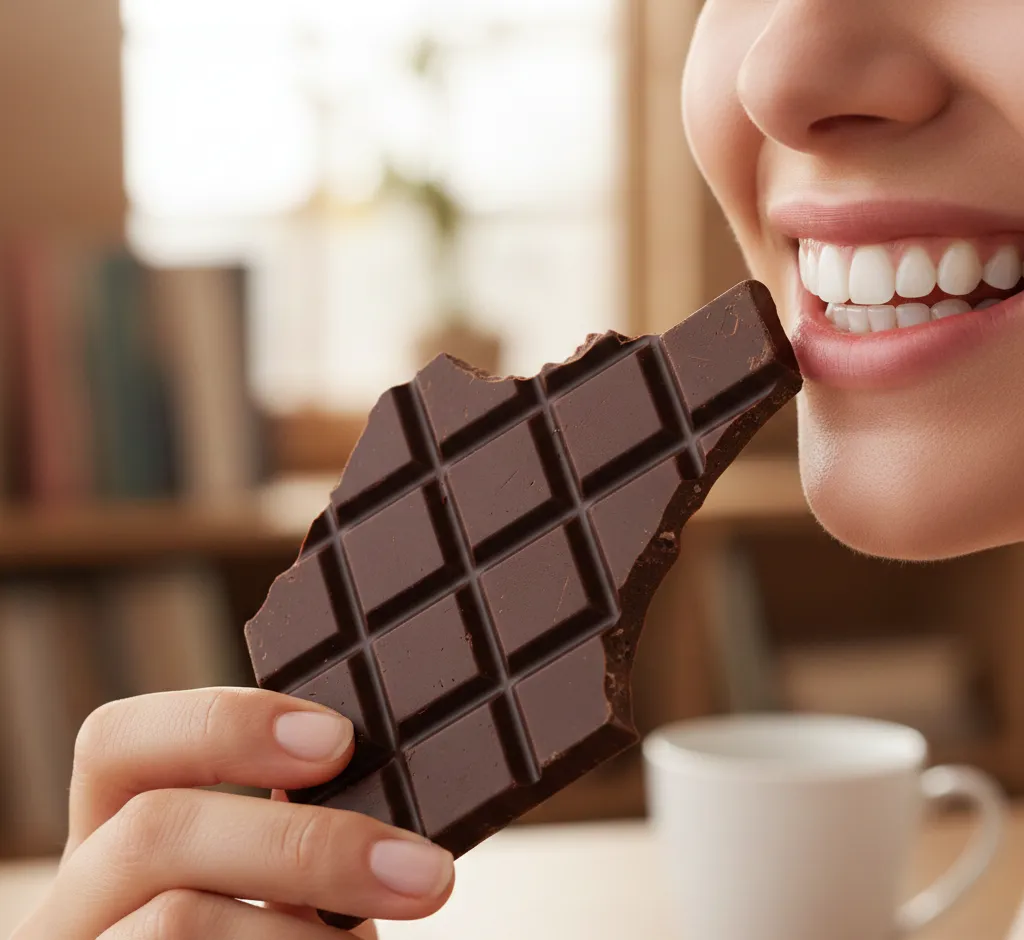
Chocolate is one of the most beloved treats in the world, but it also has a bad reputation when it comes to dental health. For many people, the idea that chocolate automatically causes cavities is enough to make them feel guilty with every bite. The truth is more nuanced: chocolate can contribute to tooth decay, but the way you eat it, the type you choose, and how you care for your teeth matter just as much.
In this article, you will learn how chocolate affects your teeth, what tooth decay really is, why enamel protection is so important, and how you can enjoy chocolate while keeping your smile healthy. We will also cover practical, science-based tips to protect your enamel and minimize damage from sugary foods and drinks.
What Is Tooth Decay and How Does It Start?
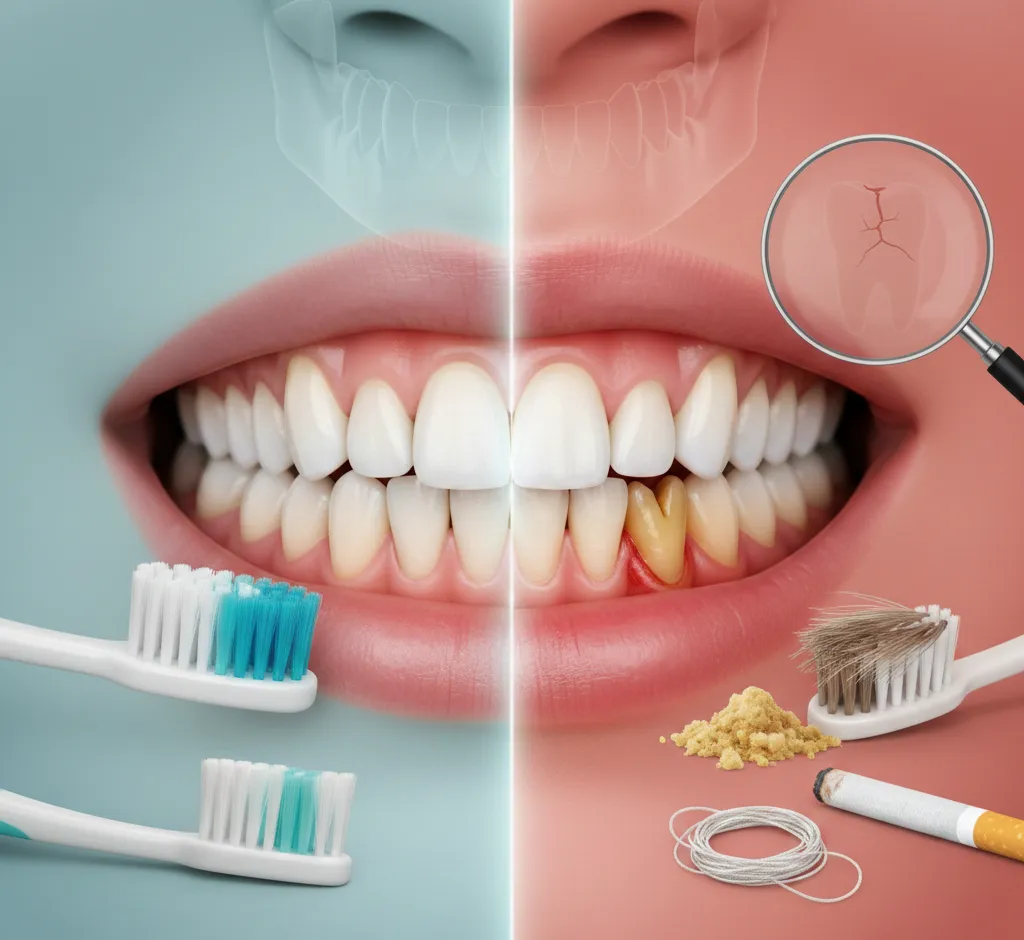
To understand the relationship between chocolate and tooth decay, you first need to understand what tooth decay actually is. Tooth decay (dental caries) is a disease process where acids gradually dissolve the hard outer surfaces of your teeth, leading to cavities.
The role of bacteria, sugar and acid
Your mouth naturally contains many types of bacteria. Some of them are harmless or even beneficial, but others feed on sugars and carbohydrates left on your teeth after eating. When these bacteria digest sugar, they produce acids as a by-product.
- Sugars and starches from foods like chocolate, candy, cookies and soft drinks stick to the tooth surface.
- Bacteria in dental plaque break these sugars down.
- Acids are produced and begin to dissolve the minerals (mainly calcium and phosphate) in tooth enamel.
- Repeated and prolonged acid attacks weaken enamel and eventually create cavities.
This cycle can occur several times a day, especially if you snack or sip sugary drinks frequently. Over time, if your enamel does not get a chance to recover and remineralize, damage accumulates and tooth decay progresses.
Why enamel matters so much
Enamel is the thin, outer layer of your teeth and is the hardest tissue in the human body. Despite its strength, enamel is not indestructible. It cannot regenerate once it is significantly lost, which is why protecting it is crucial.
When acids from bacteria attack enamel, minerals are pulled out of its crystalline structure. Early on, this mineral loss can be reversed through remineralization—mainly with the help of saliva and fluoride. However, if acid attacks continue and outweigh remineralization, enamel weakens, thin spots form, and cavities appear.
Is Chocolate Really Bad for Your Teeth?
Chocolate is often grouped together with sticky candies and sweets as a major culprit in tooth decay. However, research suggests that chocolate is not always as harmful as people assume—especially if you consume it in moderation and choose the right type.
The sugar factor
From a dental perspective, the main problem with chocolate is not the cocoa itself, but the sugar added to it. Sugar feeds acid-producing bacteria and drives the tooth decay process. The more sugar, and the more often you consume it, the higher your risk.
- Milk chocolate usually contains a significant amount of added sugar and milk solids, which can increase caries risk.
- White chocolate contains cocoa butter but no cocoa solids, and often has high sugar content, making it similar to other sugary treats.
- Dark chocolate generally contains less sugar and more cocoa solids, which may be less harmful for teeth when eaten in moderation.
In other words, chocolate is not a single, uniform product—its impact on dental health depends heavily on its composition.
Cocoa’s potential protective effects
Interestingly, cocoa itself contains compounds that may have beneficial effects in the mouth. Studies have suggested that certain polyphenols in cocoa could help inhibit bacterial growth, reduce plaque formation, and even support enamel remineralization when combined with fluoride.
This does not mean chocolate becomes a dental-health food, but it does mean that dark chocolate with a higher percentage of cocoa and lower sugar content might be less harmful than other sweets. As always, the key is frequency, portion size, and oral hygiene.
Texture, stickiness and how long chocolate stays on teeth
Another important factor is how long a food remains on the tooth surface. Sticky or chewy candies (like caramels and gummies) can cling to teeth for a long time, giving bacteria more time to produce acid. Chocolate, especially dark chocolate that melts quickly, tends to clear from the mouth faster than many other sweets.
- Chocolate that melts and is swallowed relatively quickly may be less damaging than sticky candies.
- Bars with caramel, nougat or dried fruit can stick to teeth, increasing cavity risk.
- Frequent nibbling on small pieces over hours is more harmful than eating a portion in one sitting and then cleaning your teeth.
So, while chocolate does contribute sugar, the way you eat it and what it is mixed with significantly influence its effects on your enamel.
Understanding Enamel Protection
Enamel protection is about tipping the balance in favor of remineralization and against acid attacks. Instead of treating cavities after they develop, the goal is to strengthen enamel so it can resist daily wear, acid exposure and bacteria.
The natural defense: saliva
Saliva is one of your mouth’s most powerful defense mechanisms. It helps to:
- Neutralize acids produced by bacteria.
- Wash away food particles and sugars.
- Deliver minerals such as calcium and phosphate that support enamel repair.
- Maintain a healthy pH level in the mouth.
When your mouth is dry (for example, due to certain medications, mouth breathing, dehydration or smoking), the risk of enamel erosion and tooth decay increases. Sipping water throughout the day, staying hydrated and treating chronic dry mouth all support enamel protection.
Fluoride and remineralization
Fluoride is widely recognized as one of the most effective agents for enamel protection. It integrates into the enamel structure, forming a stronger, more acid-resistant mineral (fluorapatite) on the surface of your teeth.
Fluoride can be obtained from:
- Fluoridated toothpaste and mouth rinses.
- Fluoridated drinking water (in many regions).
- Professional fluoride treatments at the dental office (varnishes, gels, foams).
When used as directed, fluoride helps repair early enamel damage before cavities form and makes enamel less vulnerable to acid attacks after you eat sugary foods like chocolate.
Diet and enamel-friendly habits
Beyond fluoride and saliva, your daily habits strongly influence the health of your enamel. An enamel-protective lifestyle focuses on reducing the number and intensity of acid attacks.
- Limit frequency of sugary snacks: It is better to eat sweets with meals than to snack on them all day.
- Cut back on acidic drinks: Soft drinks, energy drinks, citrus juices and flavored waters with added acids can erode enamel.
- Include enamel-supporting foods: Dairy products, leafy greens and nuts provide calcium and other minerals.
- Chew sugar-free gum: It stimulates saliva flow, helping neutralize acids after meals.
These habits protect your enamel not only from chocolate, but from all dietary sources of sugar and acid.
How to Enjoy Chocolate Without Destroying Your Enamel
You do not have to give up chocolate to protect your teeth. With a few adjustments, you can significantly reduce the risk of tooth decay while still enjoying your favorite treat.
1. Choose the right type of chocolate
Not all chocolate is equal from an oral health perspective. When possible, favor options that are lower in sugar and free from very sticky fillings.
- Prefer dark chocolate with at least 70% cocoa content, as it typically has less sugar and more beneficial cocoa compounds.
- Avoid overly sticky fillings such as caramel, toffee and chewy nougat that cling to teeth.
- Watch portions even with dark chocolate; less sugar is still sugar.
Reading labels can help you compare sugar content between different brands and products. If you are prone to cavities, these choices may make a meaningful difference over time.
2. Eat chocolate with meals, not as frequent snacks
The frequency of sugar exposure is often more harmful than the total amount consumed in one sitting. Every time you eat chocolate, oral bacteria get an opportunity to create acids that attack enamel.
- Try to enjoy chocolate with a main meal, when saliva flow is naturally higher and can better neutralize acids.
- Avoid grazing on chocolate throughout the day, which keeps acid levels elevated for long periods.
- If you want a treat between meals, keep it brief, then rinse your mouth with water.
By consolidating sweets into fewer occasions, you give your enamel more time to recover between acid attacks.
3. Rinse or drink water after eating chocolate
Something as simple as rinsing your mouth with water after a chocolate snack can help. Water helps remove food particles and dilute sugars and acids.
- Drink a glass of water right after eating chocolate.
- Swish the water gently around your mouth for a few seconds before swallowing.
- If possible, choose fluoridated tap water for an extra enamel-strengthening benefit.
While rinsing is not a substitute for brushing, it is a practical way to lower the immediate impact of sugar on your teeth—especially when you cannot brush right away.
4. Wait before brushing after acidic or sugary foods
Many people assume that brushing immediately after eating sweets is always best. In reality, if your enamel has just been softened by acids, aggressive brushing can contribute to wear. It is usually better to wait a short period.
- After consuming chocolate or acidic drinks, wait about 30 minutes before brushing.
- This allows saliva to begin neutralizing acids and re-hardening enamel.
- In the meantime, rinse with water or chew sugar-free gum to stimulate saliva.
When you do brush, use a soft-bristled toothbrush and gentle technique to clean your teeth without damaging enamel.
5. Use fluoride toothpaste and mouth rinse daily
Regular use of fluoride-containing products is a cornerstone of enamel protection, especially if you enjoy sweets like chocolate.
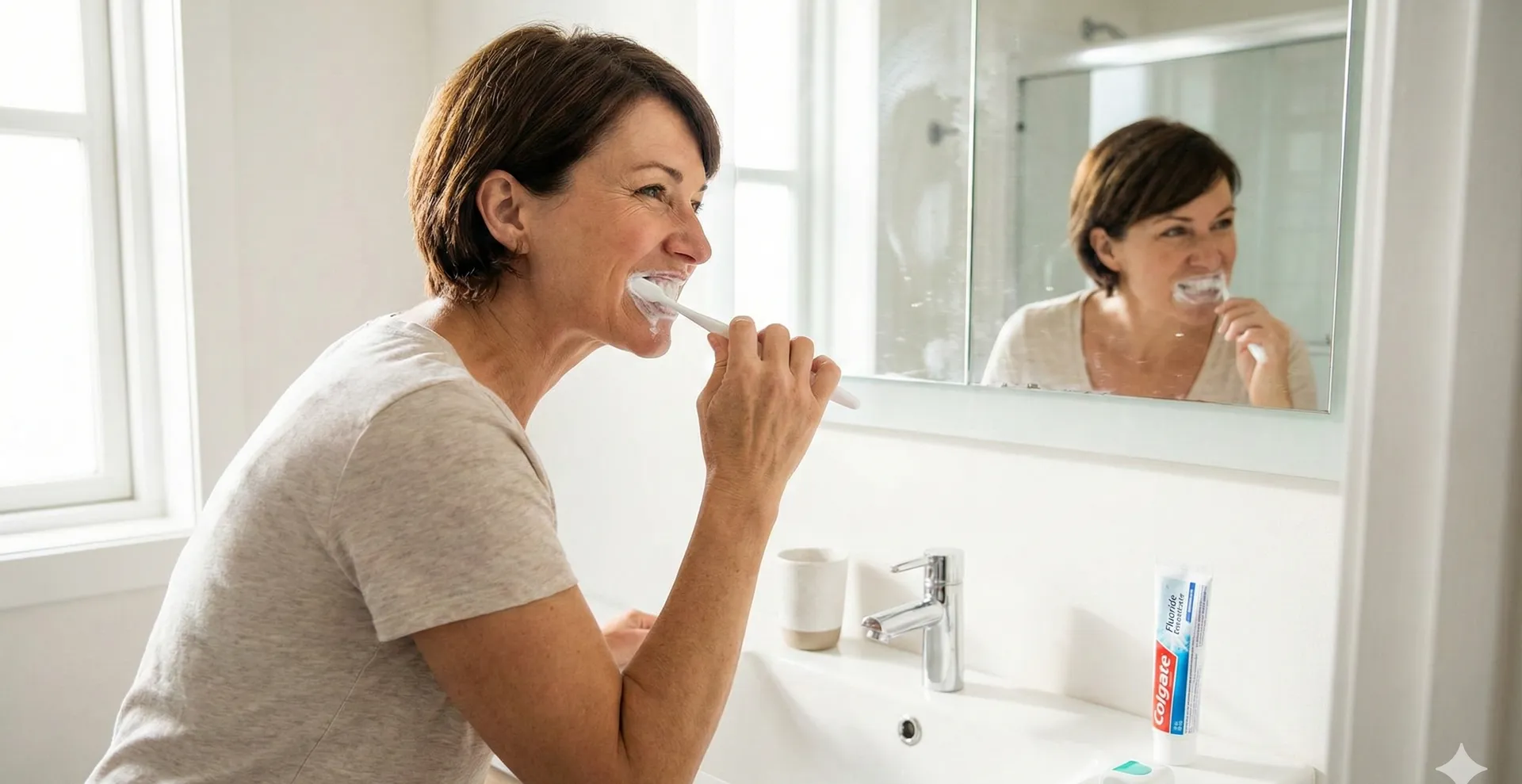
- Brush your teeth at least twice a day with fluoride toothpaste.
- Spit out the foam but avoid rinsing immediately with large amounts of water, so a thin layer of fluoride remains on your teeth longer.
- Consider using a fluoride mouth rinse once a day if recommended by your dentist, particularly if you have a history of cavities.
This daily routine helps repair early enamel damage and builds resilience against future acid attacks from foods and drinks.
6. Combine enamel-protecting foods with chocolate
Certain foods can help balance the impact of sugar on your teeth. Pairing chocolate with enamel-supportive options may reduce its potential harm.
- Eat chocolate as part of a meal that includes dairy products like cheese or yogurt, which provide calcium and help neutralize acids.
- Include fiber-rich foods such as vegetables or whole grains that stimulate chewing and saliva production.
- End the meal with a small piece of cheese or a glass of milk to help rebalance mouth pH.
While this does not cancel out all effects of sugar, it can improve the overall environment in your mouth and support enamel protection.
When to Be Extra Careful with Chocolate
For some people, the risk of tooth decay is higher due to medical conditions, medications, lifestyle or existing dental issues. If any of the following apply to you, you should be especially mindful of how you consume chocolate and other sweets.
High cavity risk and orthodontic treatment
People with a history of frequent cavities, visible white-spot lesions on enamel, or ongoing orthodontic treatment (like braces) need extra caution.
- Brackets and wires provide more surfaces for plaque to accumulate, making it harder to clean teeth.
- Chocolate that melts quickly is generally safer than sticky candies that get trapped around braces.
- Consistent brushing and flossing around orthodontic appliances are essential to prevent demineralization.
If you have braces or aligners, ask your dentist or orthodontist about safe ways to enjoy chocolate and how to clean your teeth effectively afterward.
Dry mouth (xerostomia)
When you have reduced saliva flow, your natural ability to neutralize acids and wash away sugars is compromised. This makes you more vulnerable to enamel erosion and cavities from all sweet foods, including chocolate.
- If you experience chronic dry mouth, talk to your dentist or physician about potential causes and treatments.
- Sip water frequently and consider saliva substitutes or stimulants recommended by your dental professional.
- Limit sugar intake and avoid constant snacking to protect weakened enamel.
For people with dry mouth, enamel protection strategies are especially important, and fluoride use may need to be increased as advised by a professional.
Children and chocolate consumption
Children’s teeth, particularly primary (baby) teeth and newly erupted permanent teeth, can be more vulnerable to decay. At the same time, children are often exposed to sweets at school, parties and at home.
- Limit how often children consume chocolate and other sugary snacks.
- Encourage them to drink water after eating sweets instead of sugary juices or sodas.
- Help them brush thoroughly with a child-appropriate fluoride toothpaste twice a day.
By establishing enamel-protective habits early, you can help children enjoy treats in moderation without compromising their long-term oral health.
Professional Support for Enamel Protection
Home care is essential, but professional dental care adds another layer of protection, especially if you regularly consume sugary foods like chocolate.
Regular check-ups and cleanings
Routine dental visits allow your dentist or hygienist to detect early signs of enamel wear, white spots or small cavities before they cause pain or require complex treatment.
- Professional cleanings remove hardened plaque (tartar) that cannot be removed by brushing alone.
- Your dentist can identify dietary and hygiene patterns that may be putting your enamel at risk.
- Personalized advice can help you adjust how you eat chocolate and other sweets.
Most adults and children benefit from a dental check-up every six months, though your dentist may suggest a different schedule based on your individual risk level.
Fluoride and sealant treatments
Beyond at-home fluoride use, dentists can provide targeted treatments that strengthen enamel and protect vulnerable areas of the teeth.
- Fluoride varnishes and gels apply highly concentrated fluoride directly to the tooth surface to boost remineralization.
- Dental sealants create a protective barrier over the grooves of molars, where food and bacteria often accumulate.
- These preventive measures are especially helpful for children and teens, but adults with high cavity risk may benefit as well.
If you enjoy sweets regularly or have a history of tooth decay, ask your dental professional whether these enamel protection treatments are appropriate for you.
Key Takeaways: Chocolate, Tooth Decay and Enamel Protection
Chocolate does not have to be the enemy of a healthy smile. While it does contain sugar that can promote tooth decay, smart choices and good oral hygiene can significantly reduce the risk.
- Tooth decay is driven by acid-producing bacteria that feed on sugars, gradually weakening and penetrating tooth enamel.
- Enamel is strong but non-regenerating, so protecting it through saliva, fluoride and healthy habits is essential.
- Dark chocolate with higher cocoa content and less sugar is generally less harmful than milk or white chocolate and very sticky sweets.
- Eating chocolate with meals, limiting how often you consume it, and rinsing with water afterward can all help protect your teeth.
- Daily use of fluoride toothpaste, regular brushing and flossing, and periodic dental visits are critical for long-term enamel health.
By understanding how chocolate interacts with your teeth and taking simple enamel-protecting steps, you can enjoy your favorite treat without sacrificing your dental health. Balance, moderation and consistent oral care are the real secrets to keeping both your smile and your sweet tooth satisfied.