Choosing Bedding with Elastic All Around: The Complete Practical Guide
Learn how to choose bedding with elastic all around for a perfect fit, smooth sleeping surface, and easier bed-making. Discover the best fabrics, sizes, care tips, and buying mistakes to avoid for long-lasting, comfortable fitted sheets.
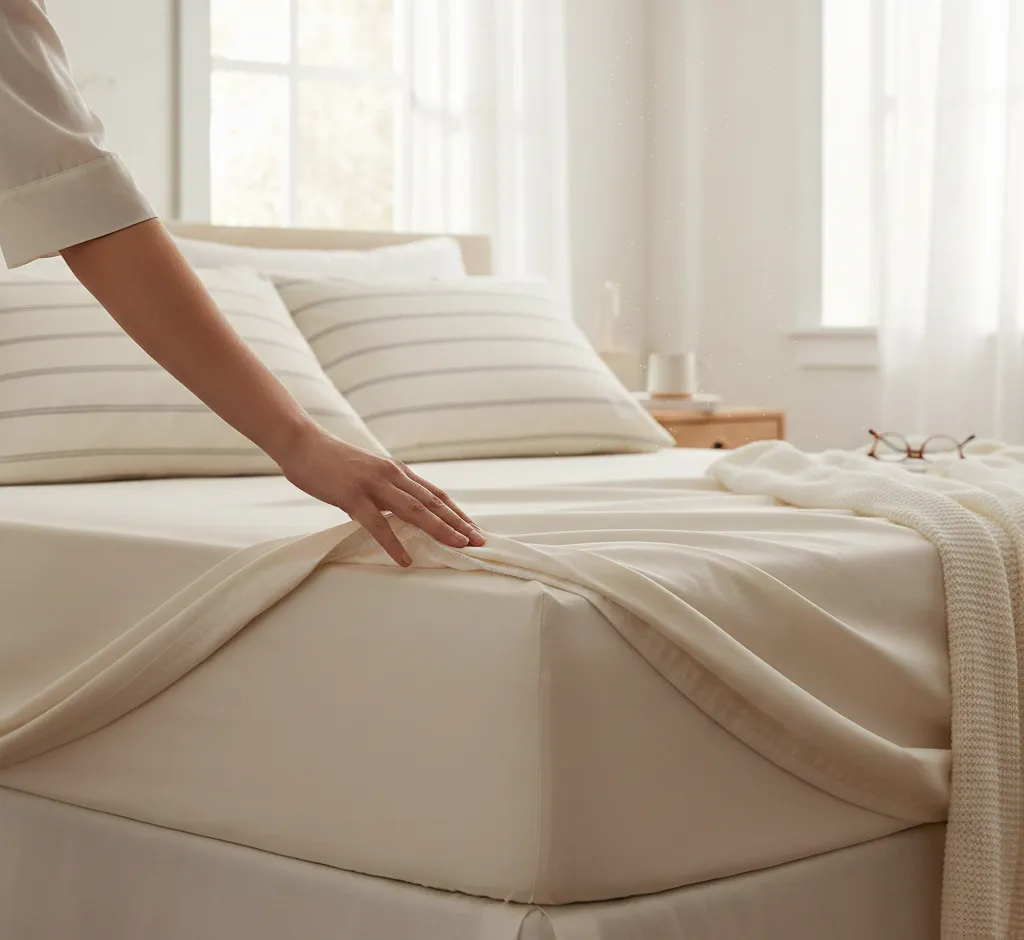
Bedding with elastic all around has rapidly become a favorite for people who value comfort, convenience, and a neat-looking bed. Unlike traditional sheets that only have elastic in the corners or rely on being tightly tucked in, all-around elastic designs hug the mattress on every side. This creates a smooth surface, prevents slipping, and helps your bed look freshly made throughout the night.
Whether equipping a master bedroom, a child’s room, or a guest bed, choosing the right fitted sheet with full elastic can significantly improve sleep quality and day‑to‑day practicality. This guide explains what to look for, how to compare materials and sizes, and how to maintain your elastic bedding so it lasts for years.
What Does "Elastic All Around" Really Mean?
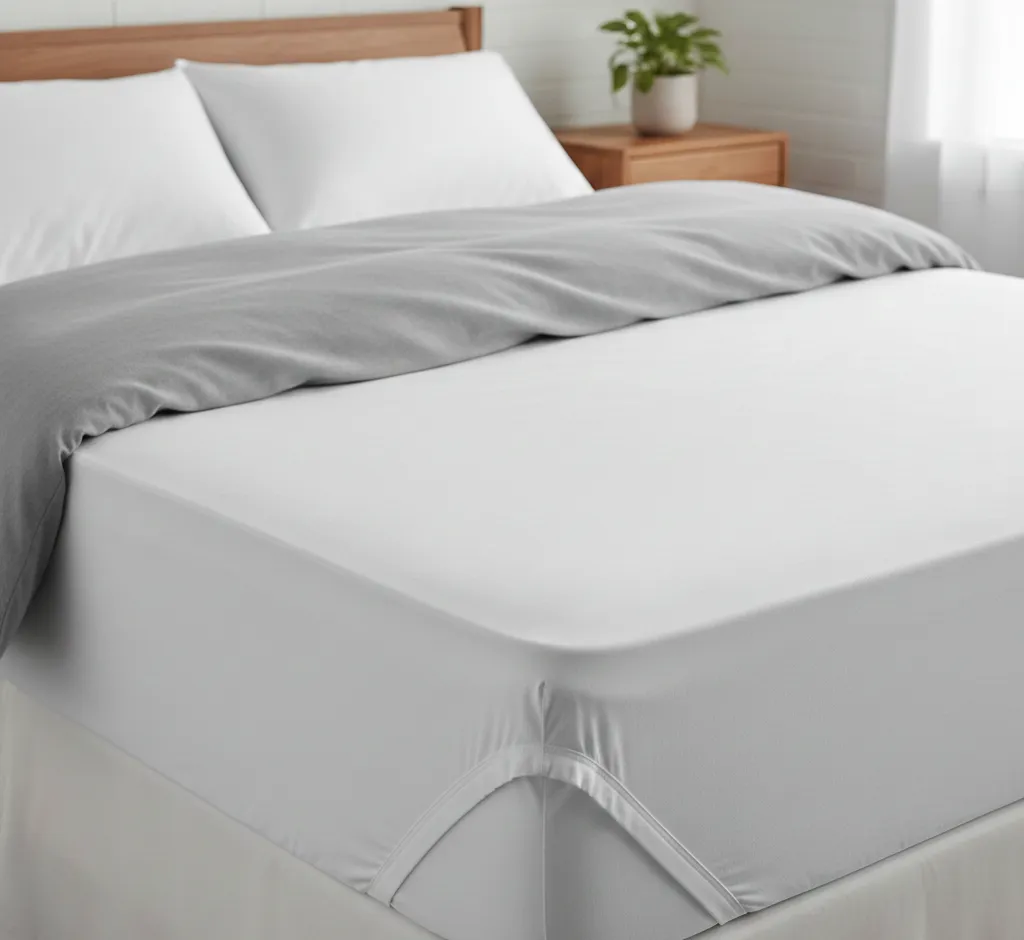
When bedding is described as having elastic all around, it means the elastic band runs continuously along the entire perimeter of the fitted sheet or mattress protector. Instead of just holding at the corners, this full-circle elastic gently pulls the fabric under the mattress on every side.
All-around elastic vs. corner-only elastic
- Corner-only elastic: Elastic bands are sewn into the four corners of the fitted sheet. This is common, but the sheet can still ride up or untuck along the sides.
- All-around elastic: The elastic encircles the entire hem, giving a more secure and even grip around the mattress.
All-around elastic reduces the need to fix the sheet every morning, especially for active sleepers, children, or people who twist and turn during the night.
Benefits of Bedding with Elastic All Around
Choosing bedding with elastic all around is not only about neat aesthetics; it brings several functional advantages that enhance comfort and make everyday life easier.
1. A consistently smooth sleeping surface
One of the biggest frustrations with standard fitted sheets is waking up to wrinkles, bunching, and exposed mattress corners. Full elastic helps the sheet stay taut and reduces excess movement of the fabric.
- Less bunching under the body.
- Reduced pressure points caused by fabric folds.
- A more hotel-like, crisp bed surface.
2. Better fit for deep and specialty mattresses
Modern mattresses are often thicker than older models, especially hybrids and those with pillow tops. Bedding with elastic all around is typically designed to stretch more evenly and accommodate:
- Deep pocket mattresses.
- Mattresses with toppers.
- Adjustable beds with moving bases.
The continuous elastic edge helps the sheet adapt as the bed moves or the sleeper changes position.
3. Less time spent making the bed
With a properly sized all-around elastic fitted sheet, making the bed becomes faster and easier. You simply pull the corners over the mattress and the rest of the elastic snaps into place along the edges, instead of meticulous tucking on each side.
- Ideal for busy households and larger families.
- Especially helpful for people with limited mobility or back pain.
- Perfect for rental properties where beds must be remade frequently.
4. Enhanced hygiene and mattress protection
Because all-around elastic helps keep the sheet in place, the mattress surface stays covered throughout the night. This creates a more effective barrier against:
- Dust and dead skin buildup on the mattress.
- Spills and sweat reaching the mattress surface.
- Pet hair and allergens penetrating the mattress layers.
When combined with a mattress protector that also has elastic all around, you gain double protection and longer mattress life.
5. Improved appearance of your bed
A fitted sheet that clings evenly around all sides gives a polished, tidy look. This is especially valuable if your bedroom style leans minimalistic, hotel-inspired, or if the bed is a focal point of the room.
- No sagging fabric around the edges.
- Clean lines that complement duvets, quilts, or bedspreads.
- Less daily maintenance to keep the bed looking fresh.
Key Factors When Choosing Bedding with Elastic All Around
Not all elasticized bedding is created equal. To choose the right fitted sheet or protector, consider material, size, pocket depth, type of elastic, and your specific lifestyle needs.
1. Choosing the right fabric
The fabric you select influences comfort, temperature regulation, durability, and maintenance. Below are some of the most popular options for all-around elastic bedding.
Cotton (percale and sateen)
- Percale cotton: Crisp, breathable, matte finish. Great for hot sleepers or warmer climates. Usually feels cool and light against the skin.
- Sateen cotton: Smoother and silkier with a slight sheen. Feels warmer and more luxurious, ideal for cooler rooms.
Look for long-staple cotton or Egyptian / Pima cotton if you want enhanced softness and longer life, especially if you wash sheets frequently.
Microfiber and polyester blends
Microfiber bedding with elastic all around is budget-friendly, soft from the first use, and generally wrinkle-resistant. However, it can trap more heat and may not be ideal for very hot sleepers.
- Easy to care for and quick-drying.
- Often more resistant to shrinking.
- Good choice for children’s beds, guest rooms, or rental properties.
Bamboo and eucalyptus (viscose/lyocell)
Bamboo- or eucalyptus-based fabrics (such as viscose or lyocell) are valued for their smooth feel and moisture-wicking properties.
- Cool to the touch and breathable.
- Good for sensitive skin and hot sleepers.
- Tends to drape beautifully and work well with all-around elastic designs.
Jersey knit
Jersey sheets feel like a soft T-shirt and stretch easily, which pairs well with elastic running around the entire perimeter.
- Cozy and slightly stretchy.
- Excellent for deep mattresses or those with toppers.
- Casual look, perfect for kids’ rooms or relaxed interiors.
2. Getting the mattress size exactly right
An all-around elastic sheet performs best when matched correctly to mattress size. A mismatch can cause slipping, excess tension on the elastic, or uncomfortable tightness.
Measure your mattress
- Length and width: Confirm whether your bed is single, twin, double, full, queen, king, or another standard in your region.
- Depth (height): Measure from the base to the top of the mattress, including any topper.
Manufacturers often specify a range, such as “fits mattresses 25–30 cm deep” or “fits mattresses 10–14 inches deep”. Choose bedding that clearly supports your mattress height for the most secure fit.
3. Pocket depth and skirt design
The pocket depth refers to how far the sheet’s “skirt” can stretch down the sides of the mattress. Bedding with elastic all around usually has a fitted skirt section under the sleeping surface.
- For standard mattresses, a pocket depth of 25–30 cm is usually enough.
- For deep or pillow-top mattresses, look for 35 cm or more.
- For very thin or low-profile mattresses, avoid overly deep pockets to reduce slipping.
A full elastic perimeter combined with an appropriate pocket depth ensures the sheet wraps under the mattress and stays firmly in place.
4. Quality and strength of the elastic
The durability of your bedding with elastic all around depends largely on the type and quality of the elastic used. High-quality elastic stays stretchy and strong through many wash cycles without becoming loose or brittle.
- Look for descriptions such as reinforced elastic, heavy-duty elastic, or wide elastic band.
- Wider elastic bands (for example, 1–2 cm) distribute tension more evenly than very thin elastic threads.
- Check product reviews for signs of early loss of elasticity or tearing at the seam.
If purchasing in a physical store, gently stretch the elastic to feel its resistance. It should return to its original length without feeling brittle.
5. Design, color, and overall style
While functionality comes first, the visual impact of your bedding matters too. Because all-around elastic keeps sheets smooth and tight, the fabric’s texture and color show more clearly.
- Neutral colors: White, beige, gray, and soft tones suit almost any decor and create a hotel-like atmosphere.
- Patterns: Stripes, geometric shapes, or subtle prints can add character without overwhelming the room.
- Matching sets: Consider buying a set with pillowcases and top sheet for a cohesive look.
Even if the fitted sheet is mostly hidden under a duvet, choosing a design you enjoy can make your bedroom feel more inviting.
When Elastic All Around Is Especially Useful
Although almost any bedroom can benefit from full-elastic bedding, certain situations make it especially valuable and practical.
For restless sleepers and children
Anyone who moves a lot during sleep can easily loosen or pull off traditional fitted sheets. Sheets with elastic all around stay anchored more securely.
- Great for children learning to sleep independently.
- Helpful for people who toss and turn due to stress or discomfort.
- Supports better rest by avoiding the distraction of tangled bedding.
For adjustable and electric beds
On adjustable beds, the mattress changes shape when the head or foot is raised. This movement can quickly loosen corner-only fitted sheets. All-around elastic helps the sheet follow the contours of the mattress more closely.
- Maintains coverage when the bed is elevated.
- Reduces the need to readjust the sheet throughout the day.
- Important for people who spend more time in bed for work or health reasons.
For rental properties and hospitality
In rental apartments, holiday homes, or small hotels, bedding must be durable, easy to change, and always present a neat appearance. Elastic-all-around fitted sheets meet these needs efficiently.
- Quicker bed changes between guests.
- Less frequent replacement due to tearing at corners.
- Consistently professional, tidy presentation of the bed.
How to Care for Bedding with Elastic All Around
Proper care extends the life of both the fabric and the elastic. Following a few simple guidelines will help your bedding remain comfortable and functional for as long as possible.
Washing recommendations
- Read the label: Always follow the manufacturer’s temperature and detergent instructions.
- Avoid very high heat: Extremely hot water can weaken the elastic over time. Warm or cool washes are usually sufficient.
- Use gentle detergents: Harsh chemicals and bleach may damage both fibers and elastic. Choose mild, fabric-safe soaps.
If you have allergies or sensitive skin, consider fragrance-free detergents and an extra rinse cycle to remove residues.
Drying and storage
- Low to medium heat in the dryer: High dryer temperatures can cause elastic to deteriorate. Where possible, use a lower setting.
- Air-drying: Line-drying or drying on a rack greatly extends the life of the elastic and the fabric.
- Store loosely folded: Avoid compressing the elastic tightly in very small spaces to help preserve stretch.
Removing fitted sheets from the dryer while they are still slightly warm can also minimize wrinkles and make it easier to fold them neatly.
Extending elasticity and preventing damage
With minimal attention, you can keep the elastic performing well and prevent early wear and tear.
- Rotate between at least two or three sets to reduce washing frequency for each.
- Avoid pulling excessively on a single section of the elastic when putting the sheet on.
- Check periodically for small tears where the elastic meets the fabric and mend early if necessary.
Tips for Getting the Best Fit on Your Bed
Even with high-quality bedding, how you put it on the mattress can influence comfort and appearance. A few practical steps ensure the best possible fit.
Step-by-step: how to put on an all-around elastic fitted sheet
- Identify the long and short sides: Some sheets have labels like “top/bottom”. If not, compare the length and width before starting.
- Start at the head of the bed: Secure the first two corners at one end of the mattress, making sure the elastic tucks under the edges.
- Move to the opposite end: Pull the sheet tightly and secure the remaining two corners.
- Adjust the sides: Run your hands along the edges to ensure the elastic has slipped under the mattress all the way around.
If your mattress is particularly thick, it can help to lift each corner slightly as you pull the elastic under, instead of stretching it too far in one motion.
Dealing with very thick or very thin mattresses
- Very thick mattresses: Choose deep-pocket versions specifically labeled for tall beds. If the fitted sheet is still tight, layering a thin mattress protector can help improve grip.
- Very thin mattresses: Consider sheets designed for low-profile beds, or use elastic corner straps in addition to the all-around elastic to prevent excess slack.
Common Mistakes to Avoid
To make the most of your bedding with elastic all around, avoid these frequent buying and care mistakes.
Buying the wrong size or depth
The most common problem is purchasing a fitted sheet that does not match the mattress size or depth. Too small, and the sheet will be difficult to put on and might pop off at night. Too large, and it will bunch under the sleeper.
- Always measure your mattress, including any topper.
- Check both the mattress size and the stated pocket depth on the product label.
- If between sizes, choose the one that better matches your mattress height.
Overheating due to fabric choice
Another mistake is ignoring the fabric’s breathability. All-around elastic secures the sheet so well that heat build-up from certain materials (like dense microfiber) can feel more noticeable for hot sleepers.
- Hot sleepers should prioritize breathable cotton, percale, or bamboo fabrics.
- Cool or cold sleepers may prefer sateen, jersey, or brushed microfiber.
Ignoring care guidelines
Washing in very hot water or drying on the highest setting might seem convenient, but it can quickly reduce elasticity and comfort.
- Stick to recommended temperatures on care labels.
- Avoid chlorine bleach unless the manufacturer confirms it is safe.
- Treat stains promptly with targeted stain removers instead of over-washing the entire sheet.
Is Bedding with Elastic All Around Right for You?
Bedding with elastic all around offers an excellent combination of comfort, style, and practicality. It can benefit almost anyone, but it is especially suitable if you:
- Want a bed that stays neat and smooth throughout the night.
- Have a deep or unusually shaped mattress, including adjustable beds.
- Prefer low-maintenance bedding that is quick to put on and take off.
- Are setting up bedrooms for children, guests, or rental properties where durability and ease of use are essential.
By paying attention to fabric, size, pocket depth, and elastic quality, you can choose bedding that transforms your sleep experience and simplifies your daily routine. A well-fitting, all-around elastic fitted sheet is a small upgrade that yields a surprisingly big difference in how your bed looks and feels every single day.