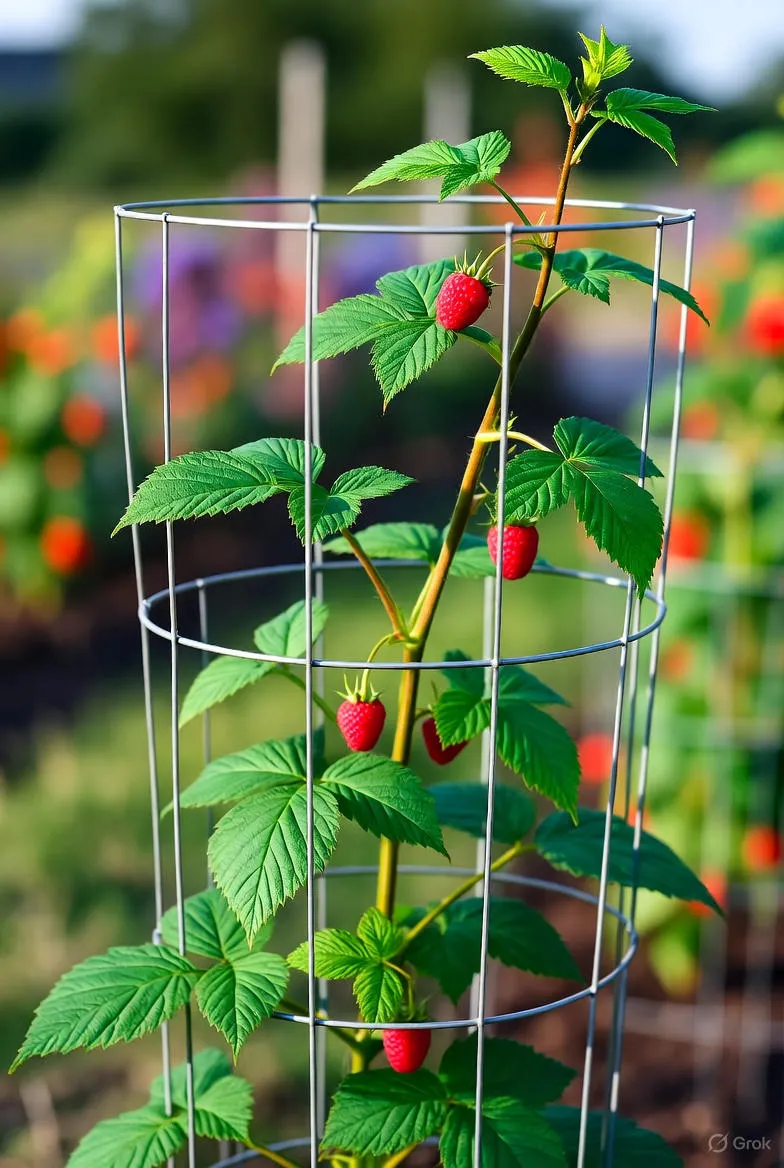
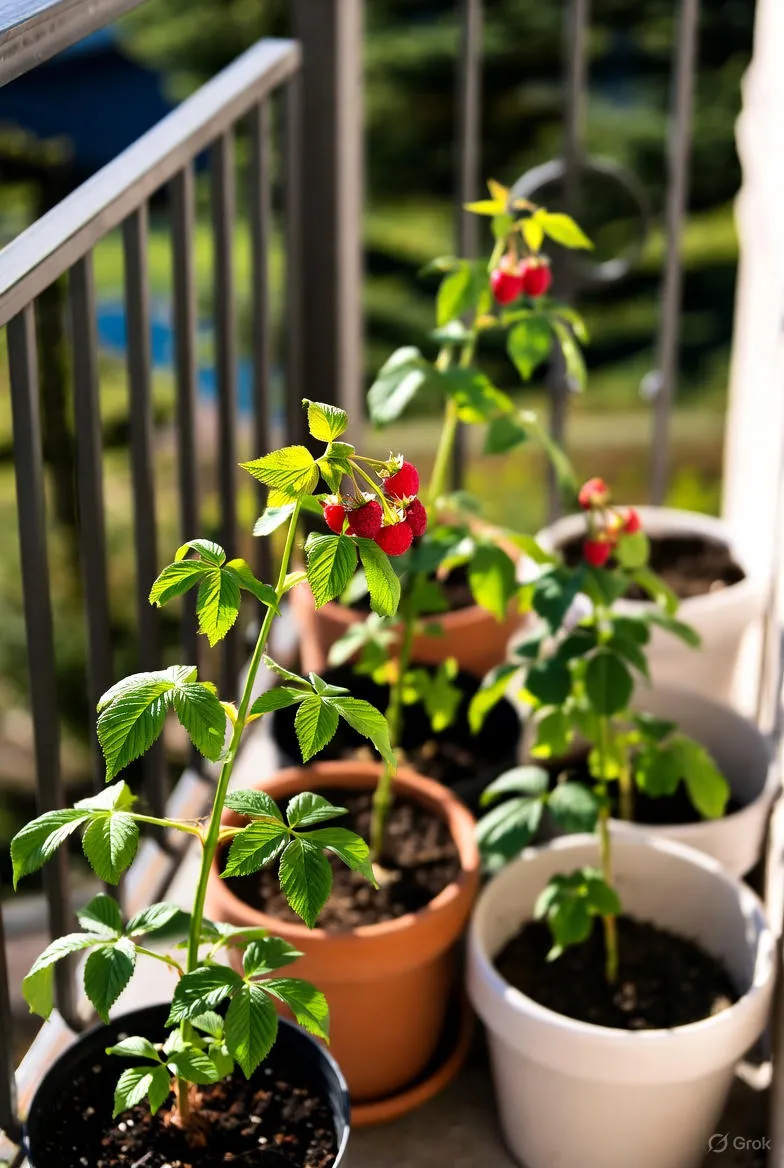
Choosing the Right Soil for Raspberry Plants: Essential Tips for Bountiful Harvests
Learn how to choose and prepare the ideal soil for raspberry plants, including pH levels, drainage tips, and nutrient strategies for a thriving garden and abundant harvests.
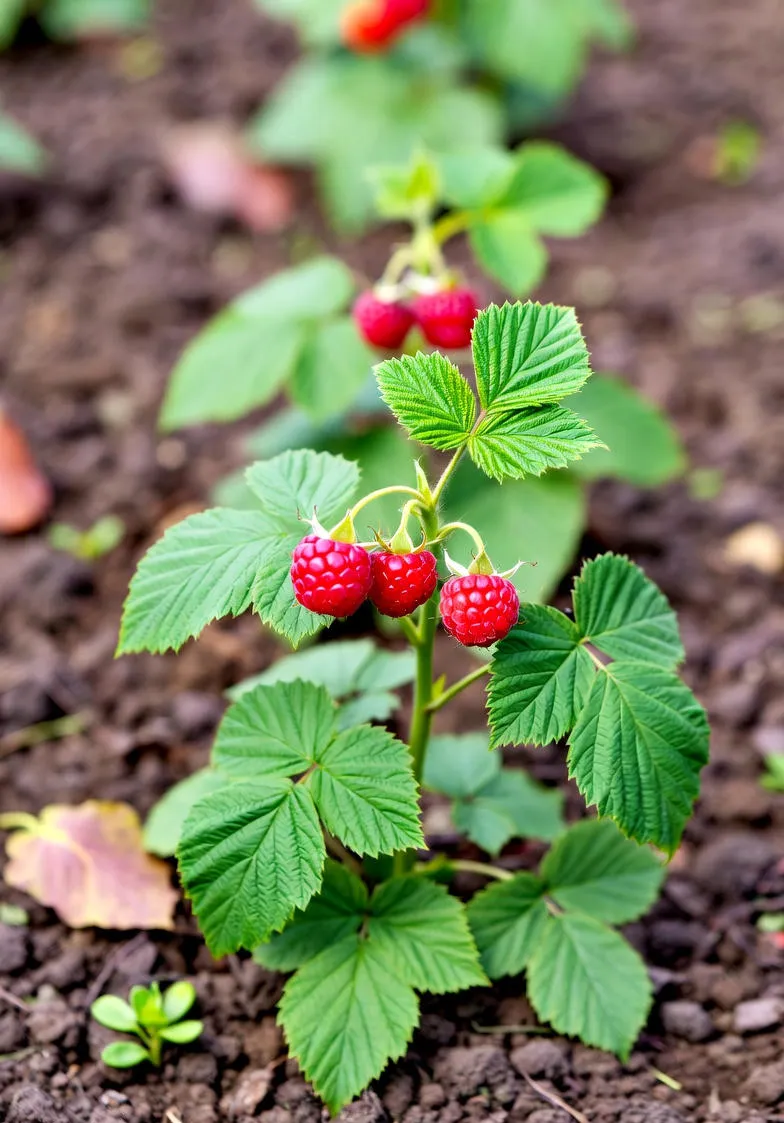
Raspberries are a delightful addition to any home garden, offering juicy, flavorful berries that can be enjoyed fresh, in desserts, or preserved for year-round treats. However, achieving a bountiful harvest starts long before the first cane emerges— it begins with the soil. Selecting and preparing the right soil is crucial for raspberry plants, as these perennials are sensitive to their growing medium. Poor soil conditions can lead to stunted growth, reduced yields, and vulnerability to diseases like root rot. In this comprehensive guide, we'll explore everything you need to know about choosing the perfect soil for your raspberry patch, from pH levels to nutrient balance, ensuring your plants thrive for seasons to come.
Why Soil Matters for Raspberry Success
Raspberry plants, belonging to the Rubus genus, have specific needs that directly impact their vigor and productivity. Unlike annual crops, raspberries are long-lived perennials that establish deep root systems in the first year and rely on that foundation for fruiting in subsequent seasons. The soil serves multiple roles: it anchors the plants, supplies water and nutrients, and facilitates root respiration. Inadequate soil can cause nutrient deficiencies, leading to yellowing leaves, weak canes, or sparse fruit clusters. Conversely, optimal soil promotes robust root development, enhances disease resistance, and maximizes berry size and flavor. Gardeners who invest time in soil preparation often report harvests doubling or tripling compared to those who plant in unprepared ground. Understanding these dynamics empowers you to create a tailored environment that supports healthy raspberry growth from planting to pruning.
The Ideal Soil pH for Raspberries
One of the most critical factors in raspberry soil selection is pH, which measures the soil's acidity or alkalinity on a scale from 0 to 14, with 7 being neutral. Raspberries thrive in slightly acidic conditions, with an ideal pH range of 5.5 to 6.5. This acidity allows the plants to efficiently absorb essential nutrients like iron, manganese, and phosphorus, which are vital for chlorophyll production and energy transfer within the plant. If the soil is too alkaline (above 7.0), these micronutrients become less available, resulting in chlorosis—yellow leaves with green veins—a common issue in high-pH soils. On the flip side, excessively acidic soil (below 5.0) can lead to aluminum toxicity, stunting roots and inhibiting growth.
To determine your soil's pH, consider using a home testing kit available at garden centers or sending a sample to a local extension service for professional analysis. These tests not only reveal pH but also provide insights into other soil properties. Maintaining this sweet spot requires periodic monitoring, as natural factors like rainfall can gradually alter pH over time. For instance, in regions with limestone-heavy soils that naturally lean alkaline, regular adjustments are necessary to keep raspberries happy.
Best Soil Types and Textures for Raspberries
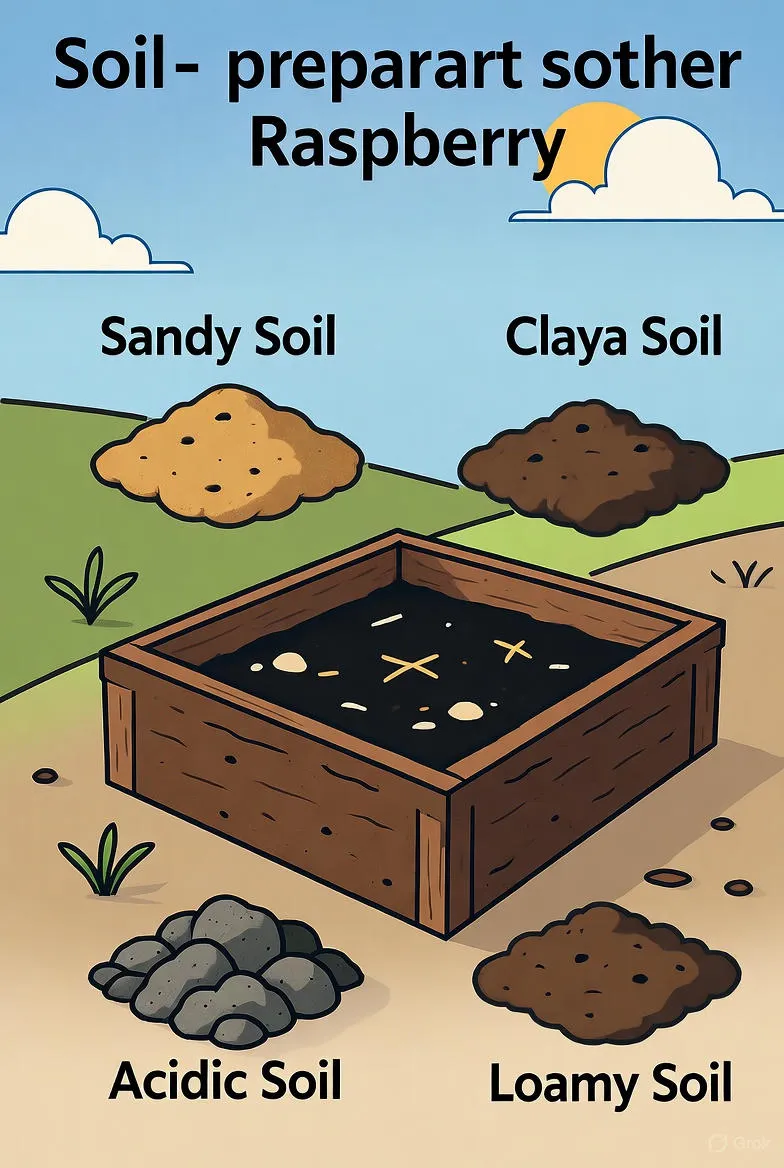
When it comes to soil type, raspberries prefer loamy soil—a balanced blend of sand, silt, and clay particles that offers the best of all worlds. Loam provides excellent structure: sand ensures good drainage to prevent waterlogging, silt retains moisture and nutrients for steady supply, and clay adds cohesion to hold everything together. This combination allows roots to penetrate easily while minimizing erosion. Heavy clay soils, which compact and retain too much water, can suffocate raspberry roots, while pure sandy soils drain too quickly, leading to drought stress and nutrient leaching.
If your native soil isn't loamy, don't despair—amendments can transform it. For clay-heavy ground, incorporate coarse sand or perlite to improve aeration and drainage. Sandy soils benefit from adding organic matter like leaf mold or aged compost to boost water-holding capacity. Aim for a soil texture that feels crumbly when moist, forming a loose ball that crumbles under slight pressure. Testing soil texture is simple: take a handful of moist soil, squeeze it, and observe—if it ribbons like modeling clay, it's heavy; if it falls apart like beach sand, it's too light. With the right texture, your raspberries will establish strong roots capable of supporting heavy fruit loads.
Ensuring Proper Drainage and Aeration
Drainage is non-negotiable for raspberry health, as these plants are highly susceptible to phytophthora root rot, a fungal disease that thrives in waterlogged conditions. Well-drained soil allows excess water to percolate away, keeping roots oxygenated and free from rot. To assess drainage, perform a simple percolation test: dig a hole 12 inches deep and wide, fill it with water, and time how long it takes to drain. Ideal drainage sees the water disappear within 1-2 hours; slower rates indicate the need for intervention.
Aeration, the ability of soil to allow air circulation to roots, goes hand-in-hand with drainage. Compacted soil restricts oxygen flow, stressing plants and inviting pathogens. Raised beds are an excellent solution for poor-draining sites, elevating the root zone above impermeable layers like hardpan. In flat gardens, incorporate coarse organic materials such as pine bark fines or gravel into the top 12-18 inches of soil. Avoid planting in low-lying areas prone to puddling, as even brief saturation can harm young canes. By prioritizing drainage, you'll foster a resilient raspberry patch that withstands heavy rains and delivers consistent yields.
Nutrient Requirements and Fertilization Strategies
Raspberries are moderate feeders, requiring a steady supply of macronutrients—nitrogen (N) for foliage growth, phosphorus (P) for root and fruit development, and potassium (K) for overall vigor and disease resistance. A balanced fertilizer like 10-10-10 works well at planting, applied at about 1 pound per 40 square feet. However, over-fertilizing with nitrogen can promote lush leaves at the expense of fruit, so moderation is key.
Micronutrients such as magnesium and calcium also play roles; deficiencies manifest as interveinal yellowing or blossom-end rot in berries. Organic sources like well-rotted manure or fish emulsion provide slow-release nutrition, improving soil biology with beneficial microbes. Timing matters: apply fertilizers in early spring as growth resumes, and a lighter side-dressing in midsummer after harvest. Soil tests guide precise needs— for example, if phosphorus is low, add bone meal; for potassium, use wood ash sparingly to avoid raising pH. Integrating cover crops like clover between rows can naturally enrich the soil, cycling nutrients back to the raspberries.
Soil Testing and Amending for Optimal Conditions
Before planting, conduct a comprehensive soil test to baseline your site's characteristics. Collect samples from multiple spots in the intended bed, mixing them for a representative average, then follow lab instructions for submission. Results will specify pH adjustments and nutrient levels, often with amendment recommendations.
To lower pH in alkaline soils, incorporate elemental sulfur or aluminum sulfate, which react with soil bacteria to produce acidity over months—plan ahead by applying in fall for spring planting. For raising pH in acidic soils, use dolomitic lime, which supplies both calcium and magnesium. Organic amendments like peat moss or pine needles gradually acidify while improving texture. Always till amendments into the top 6-12 inches, allowing time for integration. Compost is the ultimate multitasker, enhancing fertility, structure, and microbial activity; aim for 2-4 inches worked in annually. These proactive steps ensure your soil evolves with the plants' needs, supporting multi-year productivity.
Ongoing Soil Maintenance for Long-Term Health
Raspberry beds aren't set-it-and-forget-it; annual maintenance sustains soil quality. Mulch with 2-3 inches of straw or wood chips around plants to conserve moisture, suppress weeds, and moderate temperature swings. As mulch breaks down, it replenishes organic matter, but refresh it yearly to maintain depth without smothering emerging suckers.
Rotate amendments based on tests—compost every spring, targeted fertilizers as needed. Monitor for compaction from foot traffic by aerating with a garden fork if necessary. In established patches, top-dress with compost rather than tilling to preserve root structure. Winter protection involves mounding soil or mulch over crowns in cold climates to insulate against freeze-thaw cycles that heave roots. By treating soil as a living entity, you'll cultivate a self-sustaining ecosystem where raspberries flourish season after season.
Common Mistakes to Avoid When Preparing Raspberry Soil
Even seasoned gardeners falter with soil prep. A frequent error is neglecting drainage, planting in soggy spots that doom plants to rot. Ignoring pH leads to hidden deficiencies that surface as poor yields. Over-amending with lime or sulfur without testing can swing pH wildly, stressing plants. Skipping mulch exposes soil to erosion and extremes, while planting too deep buries crowns, inviting rot. Learn from these pitfalls: always test, amend judiciously, and observe plant response to fine-tune your approach.
Conclusion
Choosing the right soil for your raspberry plants is an investment in flavor-filled summers ahead. By focusing on slightly acidic, loamy, well-drained earth rich in nutrients, and committing to testing and amendments, you'll create a haven for these beloved brambles. Whether you're a novice with a single row or expanding a berry orchard, the rewards—vibrant canes, plump berries, and the joy of homegrown abundance—far outweigh the effort. Roll up your sleeves, dig in, and watch your raspberries reward you with nature's sweetest gems.