Citrus Oils and Skin Sensitivity: Benefits, Risks, and Safe Use
Learn how citrus essential oils like lemon, bergamot, and orange affect skin sensitivity. Discover phototoxic risks, irritation signs, safe usage tips, and gentler alternatives for bright, healthy skin.
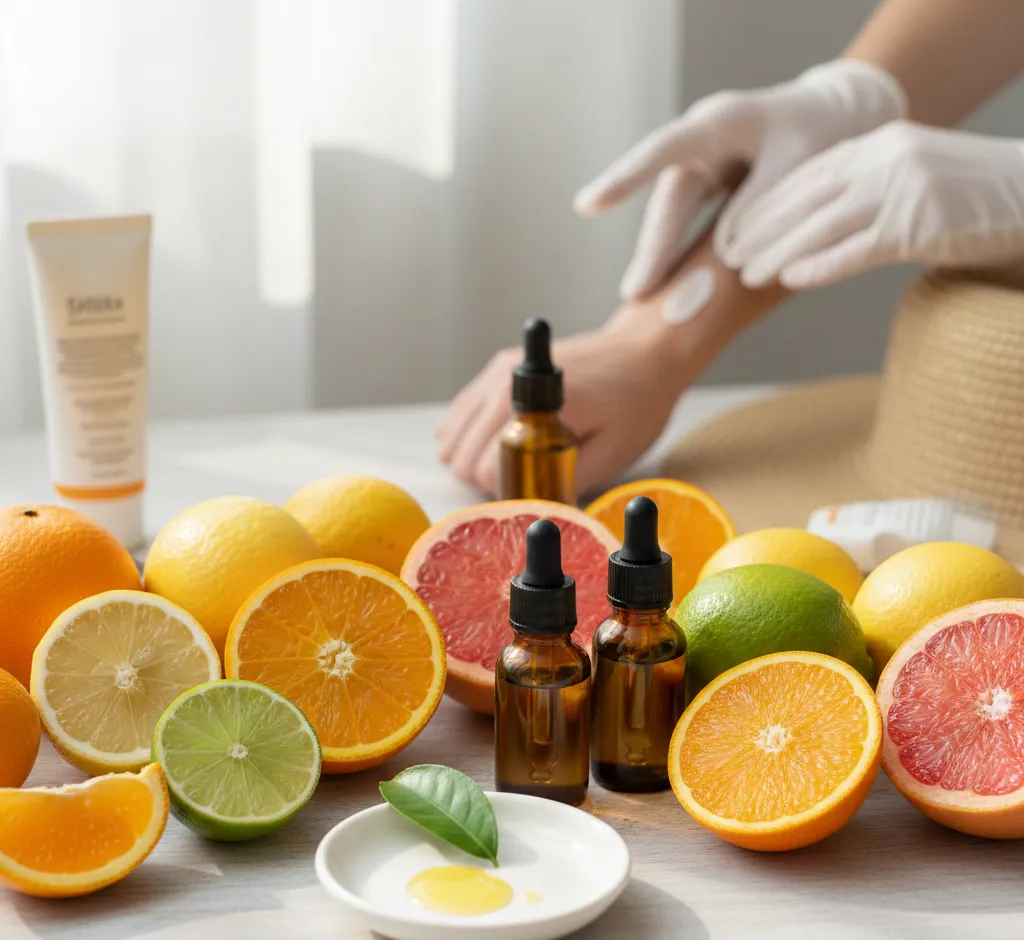
Citrus essential oils are everywhere – from brightening serums and toners to body scrubs and aromatherapy blends. Their fresh scent and potential skin benefits make them a popular choice in natural skincare. However, citrus oils can also be some of the most problematic ingredients when it comes to skin sensitivity, irritation, and even long-term sun damage.
Understanding how citrus oils interact with your skin, and how to use them safely, is crucial if you want to enjoy their benefits without unwanted side effects. In this article, we will explore the most common citrus oils, why they can cause sensitivity, and practical tips for using them wisely in your skincare routine.
What Are Citrus Essential Oils?
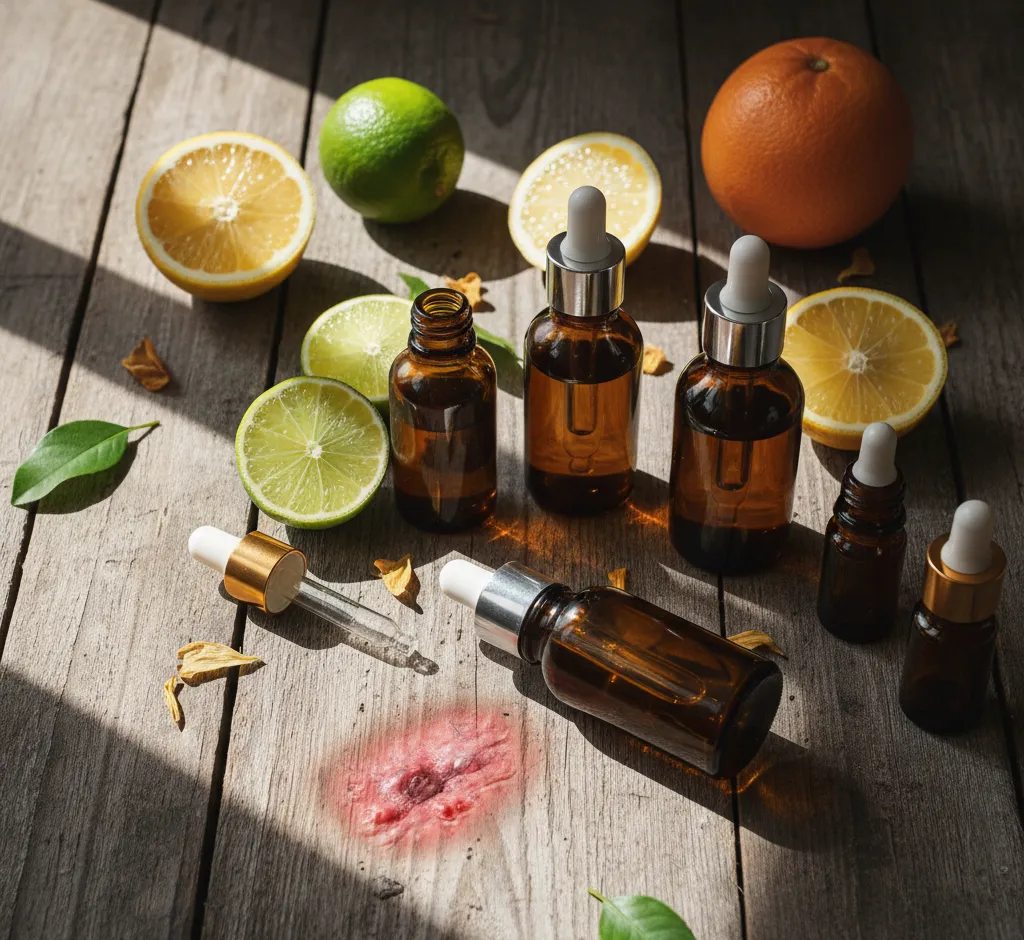
Citrus essential oils are highly concentrated plant extracts obtained mostly from the peels of citrus fruits. Common examples include:
- Lemon essential oil (Citrus limon)
- Sweet orange essential oil (Citrus sinensis)
- Bergamot essential oil (Citrus bergamia)
- Grapefruit essential oil (Citrus paradisi)
- Lime essential oil (Citrus aurantifolia)
- Mandarin and tangerine essential oils (Citrus reticulata and related species)
These oils are rich in aromatic compounds such as limonene, linalool, and various aldehydes, which contribute to their characteristic scent and potential skincare effects. However, they may also contain furocoumarins (particularly bergapten in bergamot oil), which are strongly linked to increased photosensitivity.
Why Citrus Oils Can Irritate or Sensitize the Skin
Skin sensitivity to citrus oils typically appears in one of three ways: irritation, allergy (sensitization), or photosensitivity. It is important to understand the difference, because the underlying mechanisms and long-term consequences are not the same.
1. Irritation: Immediate Stinging or Redness
Irritation is a non-allergic reaction. It occurs when a substance is inherently harsh or used in too high a concentration, disrupting the skin barrier. With citrus oils, irritation may show up as:
- Burning or stinging right after application
- Diffuse redness or blotchiness
- Tight, dry, or itchy feeling skin
Citrus oils are highly concentrated and composed mainly of volatile compounds that can be inherently irritating to some skin types, especially when used undiluted or in leave-on products at high percentages.
2. Allergy (Sensitization): Reactions That Get Worse Over Time
Sensitization is an allergic response that develops over time. You may use a product containing citrus oils for weeks or months without any issues, then suddenly start reacting. Common signs of sensitization include:
- Red, inflamed patches where the product is applied
- Itching, burning, or swelling
- Rash or eczema-like symptoms
Allergic reactions are more likely in people with impaired skin barriers (such as those with eczema or rosacea), but they can happen to anyone. Once sensitized, you may need to avoid that particular oil — and sometimes related oils — indefinitely.
3. Photosensitivity: The Hidden Risk of Citrus Oils
Photosensitivity (or phototoxicity) is a special type of reaction that occurs when certain chemicals on your skin interact with ultraviolet (UV) light. Many citrus oils contain components that make the skin more vulnerable to sun damage, especially:
- Bergamot oil (notably high in furocoumarins like bergapten)
- Lime oil (cold-pressed)
- Bitter orange oil
- To a lesser degree: lemon and grapefruit oil, depending on type and processing
When these oils are on your skin and you are exposed to sunlight (especially UVA), you can develop:
- Severe redness and sunburn-like reactions
- Blistering or dark, brownish patches
- Long-lasting hyperpigmentation that may take months to fade
This is why phototoxic citrus oils are considered high-risk in daytime skincare, particularly in leave-on products applied to frequently exposed areas like the face, neck, chest, and hands.
Common Citrus Oils in Skincare and Their Risks
Not all citrus oils have the same risk profile. Some are more likely to be phototoxic, while others mainly pose a risk of irritation or allergy. The method of extraction (cold-pressed vs. steam-distilled) also matters.
Bergamot Oil: The Most Phototoxic Citrus Oil
Bergamot essential oil is prized for its complex, uplifting scent and is commonly found in perfumes, body oils, and some facial products. However, traditional cold-pressed bergamot oil has a high phototoxic potential due to its furocoumarin content, especially bergapten.
There is a safer version known as bergapten-free or FCF (furocoumarin-free) bergamot oil, which undergoes additional processing to remove most of the phototoxic components. Even with FCF bergamot, though, people with very sensitive skin may still experience irritation or allergy.
Lemon and Lime Oils: Brightening but Potentially Sensitizing
Lemon and lime essential oils are frequently marketed for brightening, clarifying, and helping to reduce the look of dark spots. While they do contain antioxidant components, their risks include:
- Phototoxicity (especially in cold-pressed lime oil and, to a lesser degree, lemon oil)
- Skin barrier disruption due to high levels of limonene and other reactive compounds
- Increased dryness, particularly for already-dehydrated or compromised skin
Steam-distilled versions tend to be less phototoxic, but irritation and sensitization can still occur, particularly at high concentrations.
Sweet Orange and Mandarin Oils: Gentler, But Not Risk-Free
Sweet orange, mandarin, and tangerine oils are usually considered among the gentler citrus oils. They are commonly used in natural skincare for their pleasant scent and perceived mood-lifting properties.
While these oils are generally less phototoxic than bergamot or lime, they can still:
- Cause irritation in sensitive or compromised skin
- Trigger allergies in individuals predisposed to fragrance reactions
- Contribute to cumulative sensitization over time when used frequently
Grapefruit Oil: Fresh Scent, Mixed Risk
Grapefruit essential oil is well loved for its fresh, energizing aroma and is often marketed in products targeting cellulite or dull skin. Its phototoxic potential is considered moderate and depends heavily on the exact type and production method, but like other citrus oils, it can still irritate or sensitize the skin.
How Citrus Oils Affect Different Skin Types
Your skin type and current skin condition play a major role in how you respond to citrus oils. What feels fine for one person can cause a strong reaction in another.
Sensitive and Reactive Skin
If you describe your skin as easily irritated, quick to flush, or prone to burning with new products, you likely have sensitive or reactive skin. For this group:
- Citrus oils in leave-on face products are generally not recommended.
- Even well-formulated products with low levels of citrus oils may still cause stinging, redness, or dryness.
- Fragrance-free, essential-oil-free skincare is often a safer long-term choice.
Oily and Acne-Prone Skin
Because citrus oils are often marketed as "clarifying" or "purifying," people with oily or acne-prone skin may be especially drawn to them. However:
- Citrus oils do not treat the root causes of acne and may even worsen inflammation.
- Stripping or irritating the skin barrier can trigger more oil production as the skin tries to compensate.
- Acne-prone skin is often already inflamed, making it more susceptible to irritation and post-inflammatory hyperpigmentation (PIH) — which can be made worse by phototoxic reactions.
Dry or Mature Skin
Dry and mature skin types typically need barrier-supportive, soothing ingredients. The volatility and potential irritancy of citrus oils can be counterproductive, leading to:
- Increased dryness and tightness
- More visible fine lines due to dehydration
- Higher risk of irritation from other active ingredients in the routine
While a very small amount of citrus oil in a well-balanced formula might be tolerated by some, many people with dry or mature skin find that removing fragrant essential oils altogether improves comfort and long-term skin resilience.
Safe Use Guidelines for Citrus Oils in Skincare
If you still wish to use citrus oils in your routine, it is essential to do so in a way that minimizes risk. Follow these evidence-informed guidelines to protect your skin.
1. Never Apply Undiluted Citrus Oils to Skin
Undiluted essential oils, including citrus oils, are far too strong for direct application. They should always be diluted in a suitable carrier oil or cosmetic base. In professional aromatherapy and cosmetic formulation, recommended maximum concentrations for phototoxic citrus oils in leave-on products can be extremely low, often well under 1%.
For home use, it is safer to rely on professionally formulated products rather than mixing your own facial treatments unless you are trained in cosmetic safety.
2. Avoid Phototoxic Citrus Oils in Daytime Leave-On Products
To reduce the risk of phototoxic reactions:
- Avoid leave-on products containing phototoxic citrus oils on areas exposed to sunlight during the day.
- Read ingredient lists carefully for terms like Citrus bergamia (bergamot), Citrus aurantifolia (lime), and certain forms of bitter orange oil.
- If citrus oils are present, prefer formulas that are clearly labeled as using steam-distilled or furocoumarin-free (FCF) versions.
Even with safer versions, daily sunscreen use is non-negotiable when you use any potentially reactive ingredient.
3. Prefer Wash-Off Products If You Enjoy Citrus Scents
If you love the scent of citrus and find it uplifting, consider limiting these ingredients to wash-off products such as:
- Cleansers
- Body washes
- Short-contact masks or scrubs that you rinse off thoroughly
Short exposure time and rinsing reduce the amount of oil that remains on the skin, thereby lowering the risk of both irritation and phototoxicity. Still, those with very sensitive or allergy-prone skin may need to avoid them entirely.
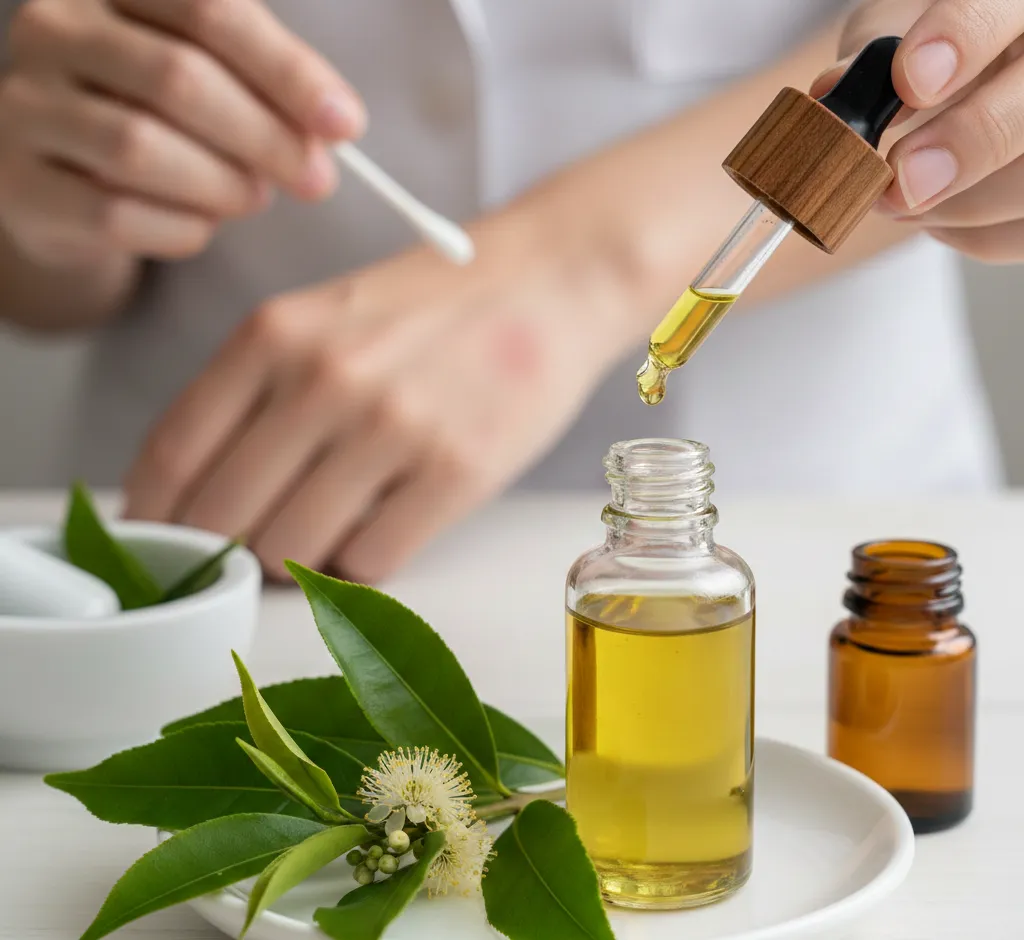
4. Always Patch Test New Products
Before applying a new citrus-containing product to your face or large body areas, perform a patch test:
- Apply a small amount of the product on a discreet area, such as behind the ear or on the inner forearm.
- Leave it on for 24 hours (or as directed), avoiding washing that area.
- Watch for signs of redness, burning, itching, or delayed rash.
If any adverse reaction occurs, discontinue use and avoid similar formulations in the future.
5. Combine Citrus Oils with Strong Sun Protection
When you use products that contain citrus oils, it becomes even more important to:
- Apply a broad-spectrum sunscreen of at least SPF 30 every morning.
- Reapply sunscreen every 2 hours when outdoors or after swimming and sweating.
- Wear hats, sunglasses, and protective clothing for prolonged sun exposure.
This is particularly crucial if you use other photosensitizing ingredients like exfoliating acids or retinoids, which already increase your skin’s vulnerability to the sun.
Safer Alternatives to Citrus Oils for Brightening and Radiance
Many people gravitate toward citrus oils because they hope to brighten dull skin, even out tone, or fade dark spots. The good news is that there are less irritating and more thoroughly researched alternatives that can offer similar or better benefits without the same level of risk.
Vitamin C Derivatives
Instead of relying on lemon or orange essential oil for brightness, look for:
- Ascorbic acid (pure vitamin C) in well-formulated serums
- Ascorbyl glucoside, magnesium ascorbyl phosphate, or sodium ascorbyl phosphate as gentler derivatives
These ingredients target hyperpigmentation and dullness with a clearer safety and efficacy profile than citrus essential oils when used correctly.
Niacinamide
Niacinamide (vitamin B3) helps to brighten uneven tone, support the skin barrier, and reduce the appearance of enlarged pores. It is generally well tolerated by most skin types and can be paired with a wide range of other active ingredients.
Azelaic Acid and Gentle Acids
Azelaic acid is a multifunctional ingredient known to:
- Help fade hyperpigmentation
- Calm redness, including rosacea-related redness
- Support clearer pores and help with mild acne
Low-concentration lactic acid or mandelic acid can also gently exfoliate and brighten, usually with fewer irritation issues than harsh citrus-based DIY treatments.
Fragrance-Free Botanical Extracts
If you like the idea of botanicals but want to avoid fragrance-heavy essential oils, look for non-fragrant plant extracts such as:
- Green tea extract
- Licorice root extract
- Centella asiatica (cica)
- Oat extract
These can provide antioxidant and soothing benefits without the same level of sensitization risk associated with many aromatic citrus oils.
How to Read Labels and Choose Citrus-Containing Products Wisely
Labels can be confusing, especially when ingredients are listed under their Latin names. Learning to recognize common citrus oil names helps you make more informed choices.
Key Citrus Names to Recognize
- Citrus limon (Lemon) peel oil
- Citrus aurantium bergamia (Bergamot) fruit oil
- Citrus aurantifolia (Lime) oil
- Citrus sinensis (Orange) peel oil
- Citrus paradisi (Grapefruit) peel oil
- Citrus reticulata (Mandarin) peel oil
You may also see generic terms like citrus aurantium dulcis oil (another name for sweet orange), or separate mention of fragrance components like limonene and linalool, which are common in citrus oils and can themselves be allergenic.
Red Flags and Green Flags on Citrus Products
Red flags
- Unclear claims such as "natural lemon oil for lightening dark spots" without safety information.
- DIY recipes recommending undiluted citrus oils on the face or applied before sun exposure.
- High placement of citrus oils in the ingredient list (indicating a higher concentration).
Green flags
- Products specifying steam-distilled or furocoumarin-free versions of phototoxic citrus oils.
- Low concentration of citrus oils, placed near the end of the ingredient list, used primarily for scent rather than as an active.
- Clear usage instructions that mention sun protection or recommend nighttime use only.
When to Avoid Citrus Oils Altogether
In some situations, complete avoidance of citrus essential oils is the safest choice. Consider skipping them if you:
- Have a history of fragrance allergy or patch test-confirmed reactions to essential oils.
- Struggle with chronic skin conditions like eczema, rosacea, or chronic urticaria.
- Are undergoing dermatological treatments that already sensitize your skin (for example, strong chemical peels, prescription retinoids, or laser procedures).
- Spend significant time in direct sunlight or have a job that involves outdoor work.
For these individuals, fragrance-free, essential-oil-free routines often provide the best long-term results and reduce the risk of unexpected flares.
Key Takeaways: Balancing Benefits and Risks
Citrus essential oils can offer a pleasant sensory experience and some antioxidant properties, but they also carry a higher-than-average risk of irritation, allergy, and especially phototoxicity. When it comes to facial skincare and daily leave-on products, the potential downsides often outweigh the benefits, particularly if you have sensitive, dry, or acne-prone skin.
By understanding which citrus oils are most phototoxic, how to read ingredient labels, and what safer alternatives exist, you can tailor your routine to protect your skin while still enjoying your skincare rituals. When in doubt, consult a dermatologist or qualified skincare professional, especially if you have a history of reactions or persistent skin concerns.
Ultimately, healthy, resilient skin is built on gentle, consistent care — and that often means treating potent fragrant ingredients like citrus essential oils with caution and respect.