Cozy Up: The Ultimate Guide to Picking Thermal-Regulating Sheets for Winter
Don't let the cold ruin your sleep! Learn the essential science behind thermal-regulating sheets and discover the best materials—Flannel, Tencel, and more—to keep you perfectly warm and dry this winter.
❄️ Master Your Winter Sleep: The Science of Thermal-Regulating Sheets
As the temperatures plummet and the nights grow long, the search for a truly cozy, uninterrupted winter sleep begins. While heavy duvets and thick pajamas play their part, the **foundation of your winter bedding**—your sheets—is often the most critical, yet overlooked, element. Standard cotton sheets, while great for summer, can feel cold to the touch and struggle to manage the balance between trapping heat and preventing night sweats. This is where **thermal-regulating sheets** step in, transforming your bed into a warm, dry, and supremely comfortable sanctuary.
Choosing the right thermal sheets is not just about picking the thickest fabric; it’s about understanding the science of **insulation, breathability, and moisture-wicking**. This comprehensive guide will navigate the best materials, key features, and maintenance tips to help you select the perfect sheets for a blissfully warm winter.
🔬 Decoding Thermal Regulation: More Than Just Warmth
The goal of a thermal-regulating sheet is two-fold: **to keep you warm** by trapping the heat your body generates, and **to keep you dry** by wicking away moisture. A sheet that only insulates will often lead to overheating and a clammy, uncomfortable sleep environment. The best winter sheets achieve a perfect equilibrium.
Insulation vs. Breathability: The Essential Balance
- Insulation: This is the fabric's ability to create a barrier and trap air. Air is a poor conductor of heat, so trapping air close to your body is what keeps you warm. Fabrics with a **higher pile, fluffier texture, or tight weave** excel at this.
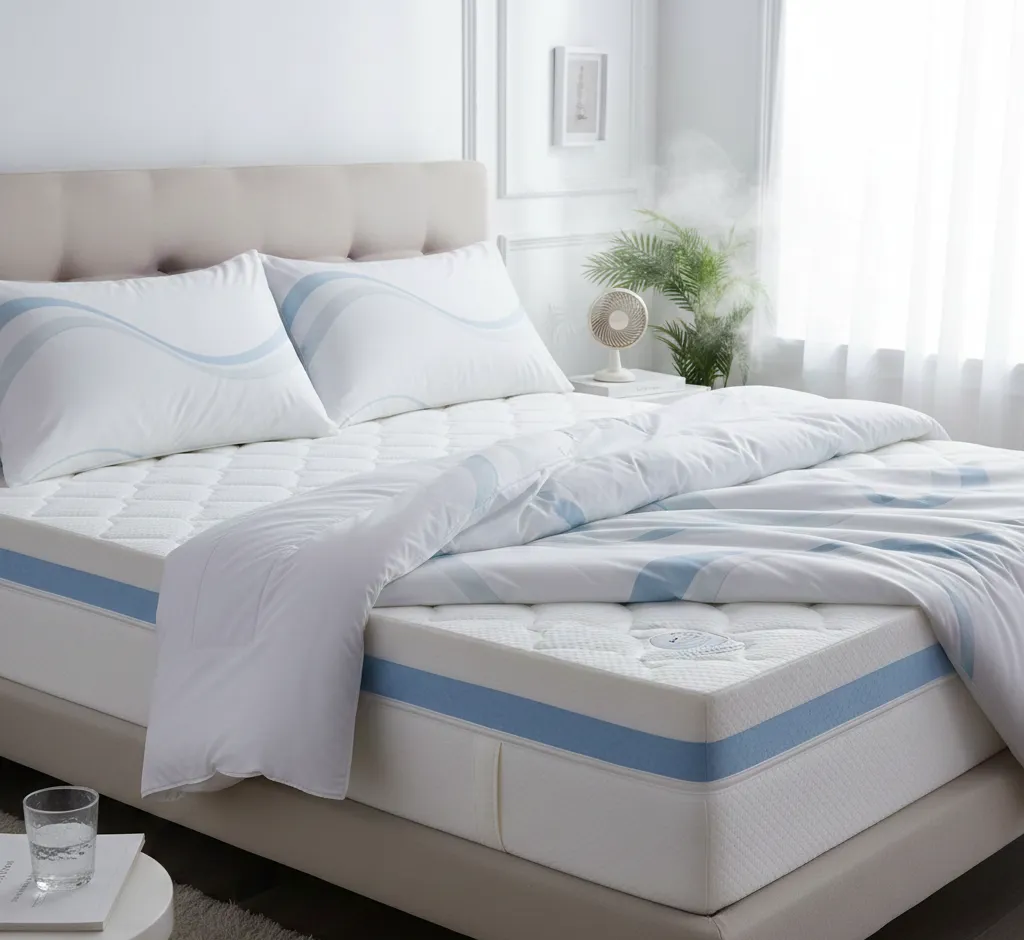
- Breathability: This refers to the fabric's ability to allow air to circulate and moisture vapor to escape. Breathable sheets prevent the 'sauna effect' and keep your microclimate fresh.
Look for fabrics that are naturally insulating AND have moisture-wicking properties.
🧶 The Best Fabrics for Winter Thermal Sheets
When selecting your winter sheets, the fabric choice is paramount. Here are the top contenders, categorized by their primary characteristics:
1. The King of Cozy: Flannel (Brushed Cotton)
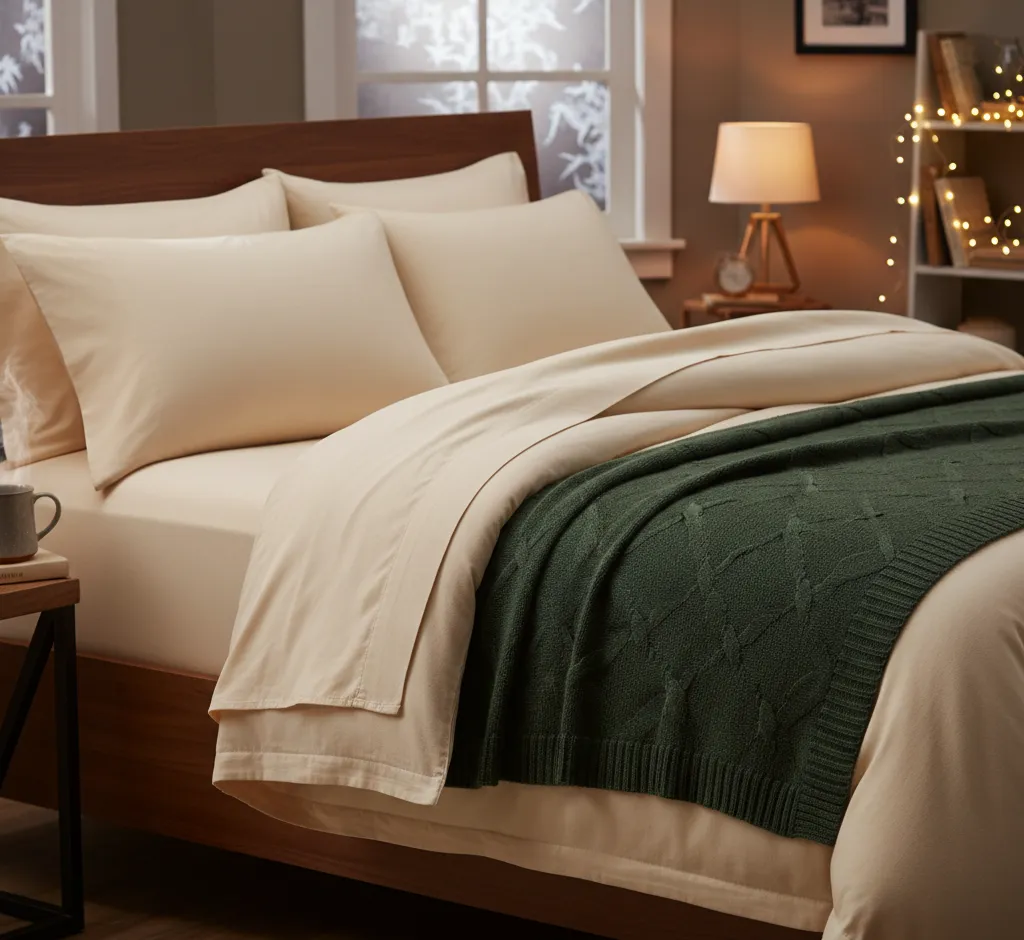
- Material Profile: Flannel is cotton fabric that has been **brushed** on one or both sides to lift the fibers. This process creates a napped surface that is incredibly soft and drastically increases the insulating air pockets.
- Key Benefit: Superior warmth and a classic, heavy feel. They warm up almost instantly when you get into bed.
- Buying Tip: Look for a **weight in ounces per square yard (oz/sq yd)**, or grams per square meter (GSM), rather than thread count. A good quality flannel is typically **5 oz/sq yd** or higher.
2. The Breathable Performer: Bamboo or Tencel (Lyocell)
- Material Profile: These are plant-derived rayon fibers (often sourced from bamboo or eucalyptus). While known for being cooling, they are **excellent thermal regulators** due to their structure.
- Key Benefit: Outstanding **moisture-wicking** and breathability. They actively pull sweat away from the body, preventing the chill that comes from damp sheets, while still retaining a comfortable warmth. Ideal for those who experience night sweats but still need insulation.
- Buying Tip: Check for a sateen weave, which feels soft and luxurious against the skin.
3. The Luxurious Insulator: High-Quality Jersey Knit
- Material Profile: Like the fabric of a favorite T-shirt, jersey sheets are knitted, not woven. This knit structure provides a natural **stretch and drape**, and the tiny loops of the knit trap air very efficiently.
- Key Benefit: A relaxed, cozy feel with excellent insulation. They feel less formal than woven sheets and have a gentle, comforting stretch.
- Buying Tip: Opt for a high-quality cotton or a cotton blend to ensure durability and prevent pilling.
4. The Wool Alternative: Microfleece and Microfiber
- Material Profile: These are synthetic, polyester-based fabrics. They are often brushed or woven to mimic the feel of natural fibers.
- Key Benefit: Extremely lightweight, inexpensive, and superb at **trapping heat**. They also dry very quickly.
- Buying Tip: Be mindful of breathability. While warm, they are not as naturally breathable as cotton or Tencel, and may cause some sleepers to overheat.
🔑 Key Buying Considerations: Beyond the Fabric
Once you’ve narrowed down your material, there are other features that contribute to the overall thermal experience:
- Weave/Knit Structure: A **percale** weave (tight, crisp, and plain) is generally better for summer. For winter, a **sateen** weave (denser, smoother, and heavier) or a **knit** (like jersey) will provide better insulation.
- Pilling Resistance: Brushed fabrics, like flannel, can be prone to pilling (small fuzz balls). Higher-quality, denser materials are less likely to pill, which impacts both comfort and longevity.
- Thread Count (for non-brushed sheets): While thread count is less important than material and weave, for non-brushed cotton sheets (like sateen), a thread count between **300 and 600** often strikes the best balance of softness, durability, and breathability for winter.
- Care and Maintenance: Check the washing instructions! Flannel often requires a cooler wash and can take longer to dry. Sheets that require special care might not be practical for frequent winter rotation.
- Flannel: Best for **Maximum Warmth** & Classic Coziness.
- Bamboo/Tencel: Best for **Moisture-Wicking** & Regulated Warmth.
- Jersey Knit: Best for **Soft Drape** & Relaxed, Stretchy Comfort.
- Microfleece: Best for **Lightweight, High Insulation** & Budget-Friendly.
🛌 Building Your Layered Winter Bedding Strategy
Thermal-regulating sheets perform best as part of a layered system. They should be the layer closest to your body, managing immediate temperature and moisture.
The Ideal Winter Bedding Stack:
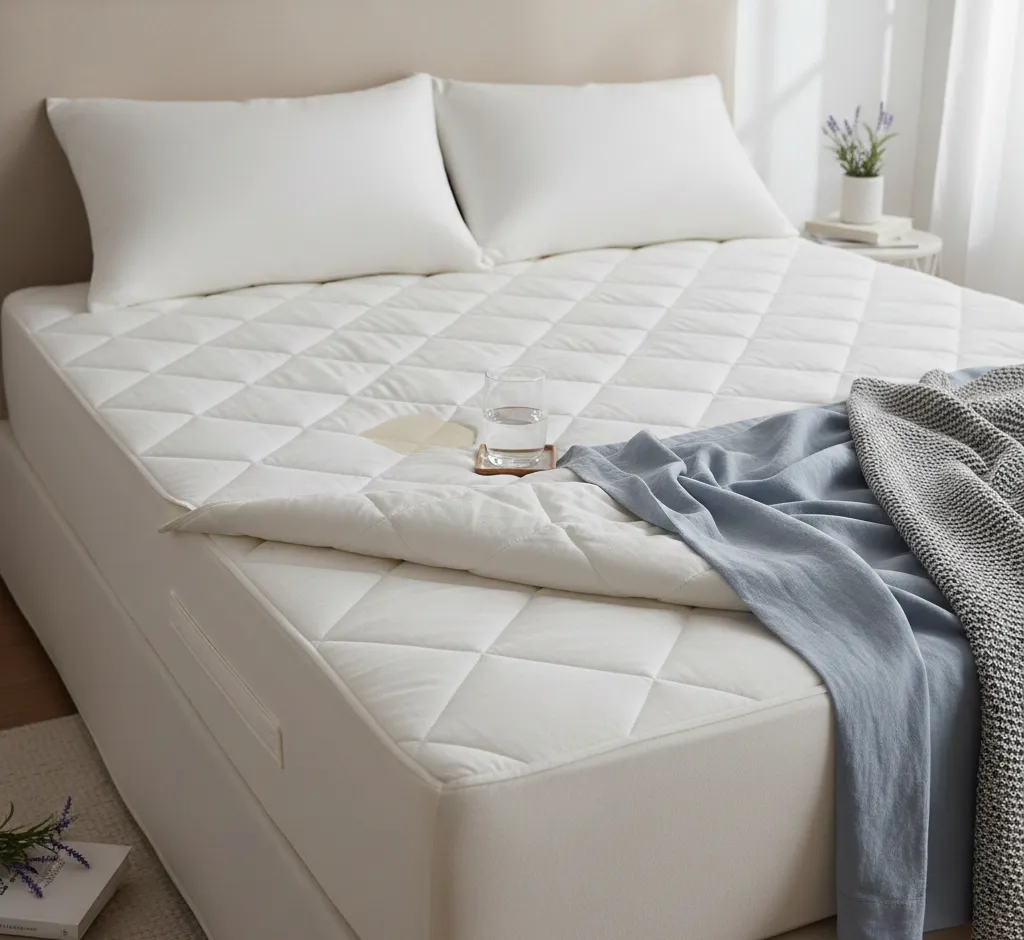
- Mattress Protector: A waterproof/thermal protector to seal off cold air rising from the mattress.
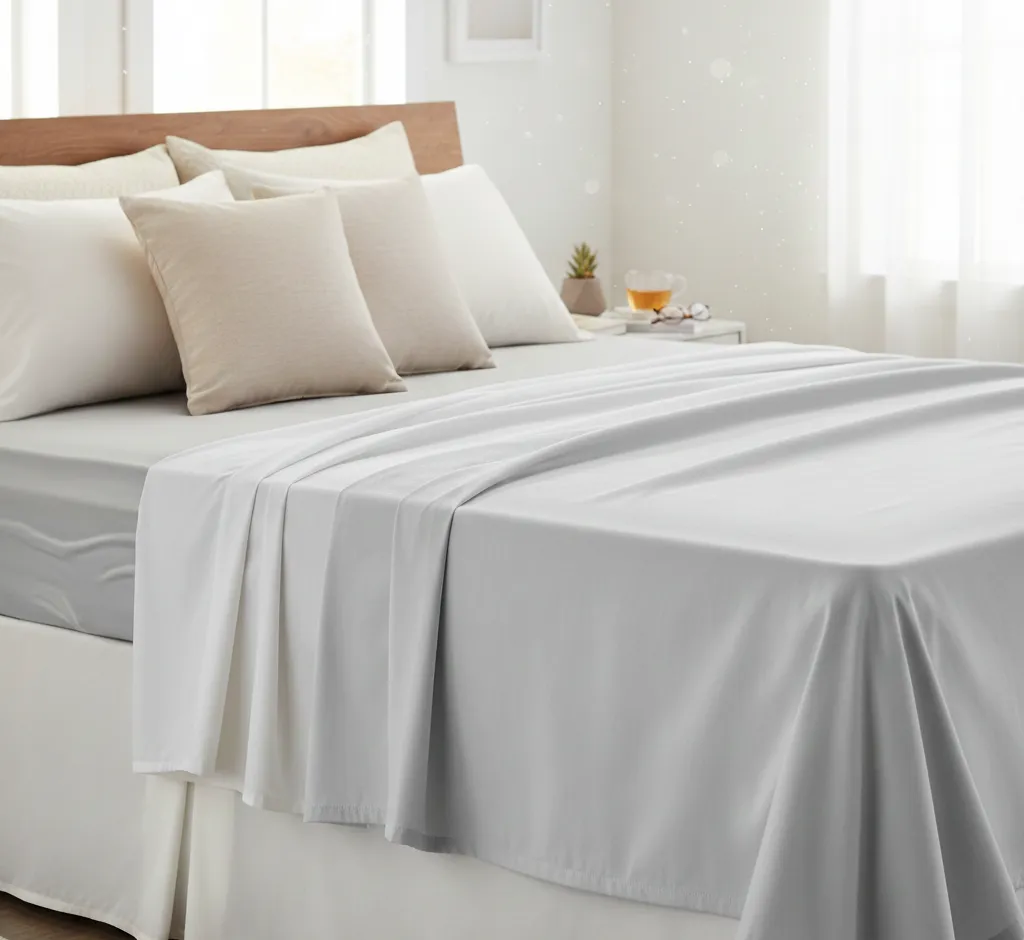
- Thermal-Regulating Sheets: Your base layer (Flannel, Tencel, etc.).
- Mid-Layer (Optional): A thin, breathable blanket (like a cotton waffle or knit throw) for extra insulation without excessive weight.
- Duvet/Comforter: Your heavy-duty insulator (down or down-alternative).
- Top Layer: A breathable quilt or coverlet for extra warmth on the coldest nights, which can be easily kicked off if you get too warm.
By investing in high-quality thermal-regulating sheets, you’re not just buying a piece of fabric—you’re investing in the quality of your sleep. Understanding the subtle yet significant differences between flannel, Tencel, and other materials allows you to create a personalized, perfect sleeping environment that will keep you snug, dry, and comfortable, no matter how cold it gets outside. Sweet dreams this winter!