Daily Water Goals for Remote Workers: How to Stay Hydrated and Productive at Home
Discover how daily water goals can boost focus, energy, and productivity for remote workers. Learn how much to drink, how to set realistic targets, and simple strategies to stay hydrated while working from home.
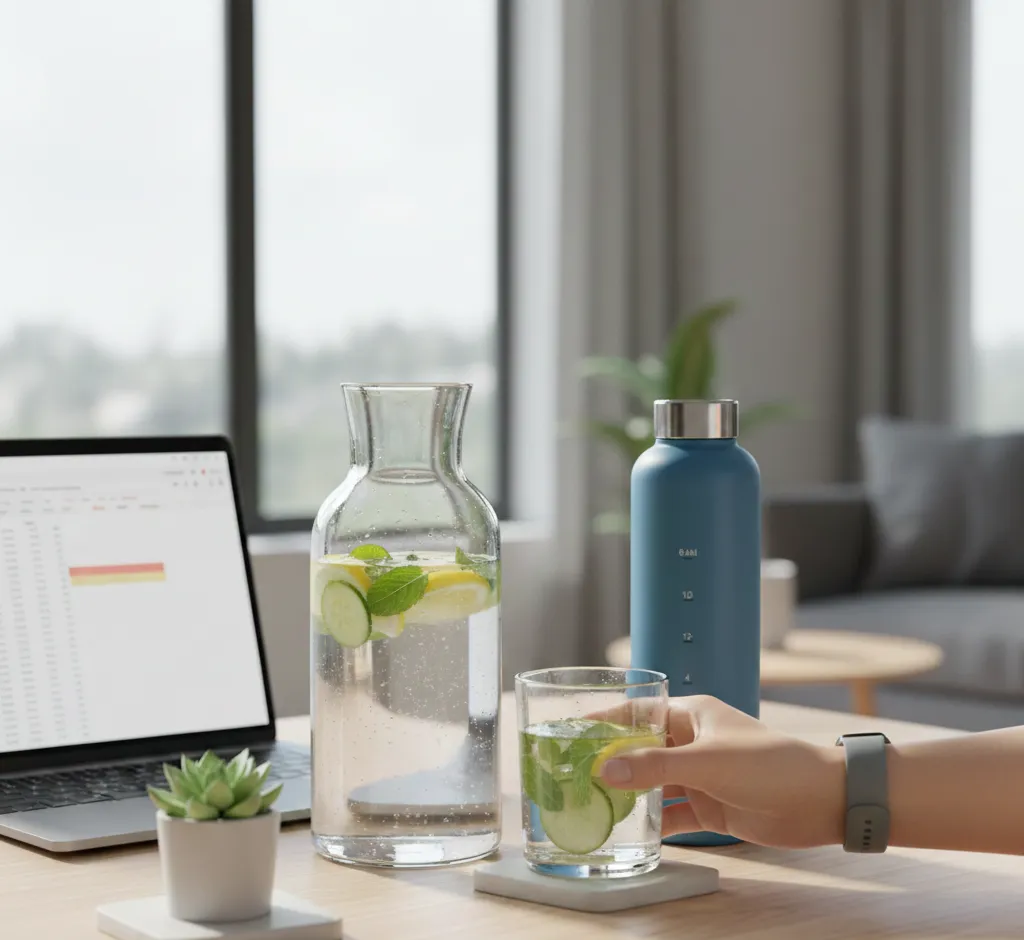
Working from home offers freedom and flexibility, but it also brings hidden health challenges. One of the most overlooked is daily hydration. Without office routines, water coolers, or coworkers taking coffee breaks, many remote workers forget to drink enough water throughout the day. Over time, this can affect focus, mood, energy levels, and even long-term health.
This article explains why hydration matters so much for remote workers, how much water you should drink, and how to set realistic daily water goals. You will also find practical strategies, tools, and routines to help you drink enough water while working from home—without feeling like it is just another task on your to-do list.
Why Hydration Matters for Remote Workers
Water plays a crucial role in almost every system in the body. For remote workers who spend long hours in front of a screen, proper hydration directly influences how well the mind and body perform.
Cognitive performance and focus
Even mild dehydration—losing as little as 1–2% of body water—can negatively affect:
- Concentration: Tasks that require sustained attention feel harder.
- Memory: Short-term recall and processing speed may slow down.
- Decision-making: Problems can feel more overwhelming and harder to solve.
In a remote work setting, where productivity depends heavily on self-management, these subtle effects can add up to noticeable drops in performance.
Energy, mood, and motivation
Many remote workers blame mid-afternoon slumps on lack of sleep or too much screen time. In reality, dehydration can mimic fatigue. Common signs include:
- Low energy or drowsiness, especially after lunch.
- Headaches or a feeling of heaviness behind the eyes.
- Irritability, low mood, or difficulty handling stress.
Drinking enough water throughout the day helps stabilize mood and energy. Instead of reaching for another coffee, sometimes a glass of water is exactly what the body needs.
Physical health and long-term wellbeing
Remote work often means sitting for long stretches of time. Combined with poor hydration, this can affect:
- Joint health: Water helps lubricate joints, which is important when sitting for hours.
- Digestive health: Hydration supports regular digestion and prevents constipation.
- Kidney function: Drinking enough water supports kidney health and helps prevent kidney stones.
Proper hydration is not only about feeling better in the moment; it also supports long-term health, which is essential for a sustainable remote work lifestyle.
How Much Water Do Remote Workers Need?
There is no single number that fits everyone, but there are helpful guidelines to estimate daily water needs. Your ideal water intake depends on factors such as body weight, activity level, environment, and overall health.
General hydration guidelines
Common recommendations include:
- About 2–3 liters of fluids per day for most adults (roughly 8–12 cups).
- An approximate range of 30–35 ml of water per kilogram of body weight per day.
For example, someone weighing 70 kg might aim for around 2.1–2.5 liters of fluids daily. Remember, this includes water from beverages and food, but making plain water your main source is usually best.
Remote-work-specific considerations
Remote workers may need to adjust water intake based on their environment and habits:
- Indoor climate: Heating and air conditioning can dry indoor air, increasing fluid needs.
- Caffeine intake: Coffee and tea provide fluids but may have a mild diuretic effect for some people.
- Physical activity: If you exercise before or after work, you will need more water to compensate for sweat loss.
If you are unsure, starting with 2 liters per day and adjusting based on how you feel, your environment, and your body signals is a practical approach.
Listening to your body
Beyond numbers, paying attention to daily signals is important. Indicators that you may not be drinking enough include:
- Dark yellow urine (pale yellow is usually a sign of adequate hydration).
- Dry mouth, dry lips, or feeling thirsty frequently.
- Frequent headaches or brain fog.
- Unusual fatigue that is not explained by sleep.
Use these signals along with your water goals to fine-tune your daily intake.
Setting Realistic Daily Water Goals
Effective goals are clear, achievable, and easy to track. Instead of vaguely promising to “drink more water,” define a specific target that fits your routine and preferences.
Step 1: Choose your daily target
Start with a number that feels both healthy and realistic. For many remote workers, this might be:
- 2 liters per day (about 8 cups) as a baseline goal.
- 2.5–3 liters if you exercise regularly or live in a hot climate.
If your current intake is very low, increase gradually. For example, add 1 extra glass per day for a week, then increase again the following week.
Step 2: Break your goal into time blocks
Large goals are easier to reach when divided into smaller steps. Consider splitting your water intake by time of day:
- Morning (wake-up to noon): Drink 30–40% of your daily goal.
- Afternoon (noon to 4 pm): Drink another 30–40%.
- Late afternoon to evening: Drink the remaining 20–30%.
For a 2-liter goal, that might look like:
- Morning: 700 ml.
- Afternoon: 700 ml.
- Evening: 600 ml.
This structure helps integrate water breaks naturally into the workday without overloading your stomach at any one time.
Step 3: Define triggers for drinking water
Behavioral cues are one of the most powerful ways to build new habits. Instead of relying on willpower, attach drinking water to actions you already do every day.
For example, commit to drinking:
- One glass of water right after waking up.
- A few sips before each video call.
- Half a glass every time you return from a short break.
- One glass with each meal and snack.
These anchors make water intake automatic instead of something you must remember on your own.
Practical Strategies for Staying Hydrated at Home
Remote workers often have more control over their environment than office workers, which can be an advantage. By designing your home workspace with hydration in mind, drinking water becomes simpler and more appealing.
Keep water within arm’s reach
One of the most effective strategies is also the simplest: always keep a bottle or glass of water on your desk. When water is visible and easy to access, you are more likely to drink it regularly.
Consider using:
- A reusable bottle with a marked volume (e.g., 500 ml, 750 ml, or 1 liter).
- A glass you refill several times a day.
- A carafe or pitcher so you have enough water for several hours of work.
Knowing the size of your bottle makes it easy to track progress. For example, if your goal is 2 liters per day and you have a 500 ml bottle, you know you need to finish four full bottles.
Use technology and reminders
Digital tools can reinforce your habits and keep you consistent. Many apps and devices can help you track your water intake and remind you to drink.
Helpful options include:
- Hydration apps that let you set daily goals, log each glass, and receive notifications.
- Smartwatches or fitness trackers that send gentle reminders to move and drink.
- Calendar or task manager reminders set to repeat every hour.
If you prefer a low-tech approach, set a simple timer on your phone for every 60–90 minutes and drink a few sips whenever it goes off.
Turn hydration into a routine ritual
Habits stick better when they feel enjoyable. Treat hydration as a personal ritual linked to your work rhythm. For example:
- Start each work block (e.g., a 25-minute focus session) by taking a few sips.
- Combine water breaks with short posture checks or stretches.
- Create a mid-morning and mid-afternoon “water pause” to step away from the screen.
These rituals help protect your physical and mental health while reinforcing your daily water goals.
Making Water More Appealing
Some remote workers find plain water boring, especially if they are used to flavored sodas or several cups of coffee. Making water more enjoyable can dramatically increase your daily intake without adding significant calories or sugar.
Infused water ideas
Natural flavorings can transform your water without relying on artificial ingredients. Try adding:
- Citrus slices: lemon, lime, orange, or grapefruit.
- Fresh herbs: mint, basil, or rosemary.
- Fruits: berries, cucumber, apple slices, or watermelon.
- Spices: a slice of ginger or a cinnamon stick.
Prepare a large pitcher in the morning and keep it by your desk or in the fridge. Infused water feels like a treat and can replace sugary drinks during the workday.
Herbal teas and other low-calorie options
Hydration does not have to mean cold water only. Warm drinks can be especially comforting during long work sessions.
Good options include:
- Herbal teas such as peppermint, chamomile, rooibos, or fruit blends.
- Lightly flavored sparkling water without added sugar.
- Decaffeinated teas in the afternoon and evening to support good sleep.
Be mindful of drinks with high sugar content or excessive caffeine. They can contribute to dehydration in the long term or cause energy crashes.
Hydration, Breaks, and Movement
Hydration habits can support other healthy behaviors that remote workers often struggle with, such as taking breaks and moving regularly.
Using water as a reason to move
Instead of keeping a huge bottle that lasts all day, you might prefer a smaller glass or bottle that needs refilling more often. Each refill then becomes an opportunity to:
- Stand up and stretch.
- Walk to the kitchen or another room.
- Rest your eyes from the screen.
This simple change supports circulation, reduces stiffness, and gives the brain mini-breaks that can boost creativity and concentration.
Balancing hydration with productivity
Some remote workers worry that drinking more water will lead to too many bathroom breaks and disrupt focus. In practice, short breaks can actually enhance productivity when used well.
Consider these strategies:
- Align your water intake with natural break points, such as after finishing a task or before switching projects.
- Use each break to do a quick posture reset or brief walk.
- If evening bathroom trips disturb your sleep, concentrate your water intake earlier in the day and reduce volume 1–2 hours before bed.
When managed intentionally, hydration and productivity support each other instead of competing.
Tracking Progress and Staying Consistent
Like any lifestyle change, improving hydration requires consistency over time. Tracking your progress makes it easier to stay motivated and adjust your goals as you learn what works best for you.
Simple tracking methods
You do not need complex systems to monitor your water intake. Some straightforward options include:
- Tally marks on a notepad: One mark for each glass or bottle you finish.
- A dedicated hydration app with daily statistics and streaks.
- A marked bottle showing how much you should drink by certain times of day.
Choose a method that feels easy and unobtrusive so you will actually use it.
Adjusting goals over time
As you track your intake, pay attention to how you feel. Ask yourself:
- Do you notice better focus during long work sessions?
- Are headaches or afternoon slumps less frequent?
- Has your mood or stress tolerance improved?
If you consistently hit your daily goal and feel good, you are probably close to your ideal intake. If you still feel tired or notice signs of dehydration, you may want to increase your target slightly or spread your intake more evenly through the day.
Common Hydration Mistakes Remote Workers Make
Even with good intentions, certain habits can get in the way of effective hydration. Being aware of these pitfalls helps you avoid them.
Relying on thirst alone
By the time you feel thirsty, you may already be mildly dehydrated. Remote workers who get absorbed in their tasks may ignore thirst signals or delay drinking. Setting proactive goals and reminders prevents long stretches without fluids.
Confusing hunger with thirst
It is easy to mistake thirst for hunger, especially during long afternoons at the computer. The next time you feel the urge to snack, try drinking a glass of water first and wait a few minutes. If you are still hungry, then you likely need food; if the feeling fades, your body may have been asking for fluids instead.
Overdoing caffeine and sugary drinks
Many remote workers rely heavily on coffee, energy drinks, or sweetened beverages to stay alert. While these can be enjoyable in moderation, they are not a replacement for water.
Too much caffeine and sugar can lead to:
- Energy crashes later in the day.
- Sleep disturbances, especially if consumed in the afternoon or evening.
- Unwanted extra calories and blood sugar spikes.
Aim to make plain water your primary drink and treat caffeinated or sugary beverages as occasional extras.
Creating a Personal Hydration Plan for Remote Work
Putting everything together, you can build a simple, personalized hydration plan that fits your remote work lifestyle.
Example daily hydration plan
Here is a sample plan for a remote worker aiming for 2 liters of water per day:
- Upon waking: 1 glass of water (250 ml).
- During morning work block: 1 x 500 ml bottle, finished by noon.
- Lunch: 1 glass of water (250 ml).
- Afternoon work block: 1 x 500 ml bottle, finished by 4 pm.
- Late afternoon / early evening: 1 glass of water or herbal tea (250 ml).
This adds up to 1,750 ml; adding another small glass of water or herbal tea during the day easily brings you to 2 liters. You can adjust the times and amounts to match your schedule and preferences.
Tips to make your plan sustainable
To keep your hydration plan realistic and enjoyable:
- Start small and increase gradually instead of trying to double your intake overnight.
- Focus on consistency rather than perfection; missing a day is not a failure, just a cue to reset.
- Experiment with different bottles, flavors, and routines to find what motivates you.
- Combine hydration with other self-care habits like movement, stretching, and mindful breaks.
Over time, drinking enough water will feel less like a chore and more like an automatic part of your work-from-home routine.
Conclusion: Hydration as a Remote Work Advantage
Daily water goals for remote workers are about much more than avoiding thirst. Proper hydration supports sharper thinking, steadier energy, better mood, and long-term health—all essential for thriving in a home office environment.
By setting clear daily targets, keeping water visible and accessible, using reminders, and making hydration enjoyable, you turn a basic biological need into a powerful productivity tool. With a thoughtful hydration plan, your water bottle can become as important to your workday as your laptop or internet connection.
Start today with a simple step: pour a glass of water, place it next to your workspace, and make it the first of many small actions that support your health and success as a remote worker.