Debunking Myths About Organic Beauty Products: What Really Works And Why
Learn the truth about organic beauty products. This in-depth guide debunks common myths about safety, effectiveness, chemicals, preservatives, and sustainability so you can make smarter, science-based choices for your skin.
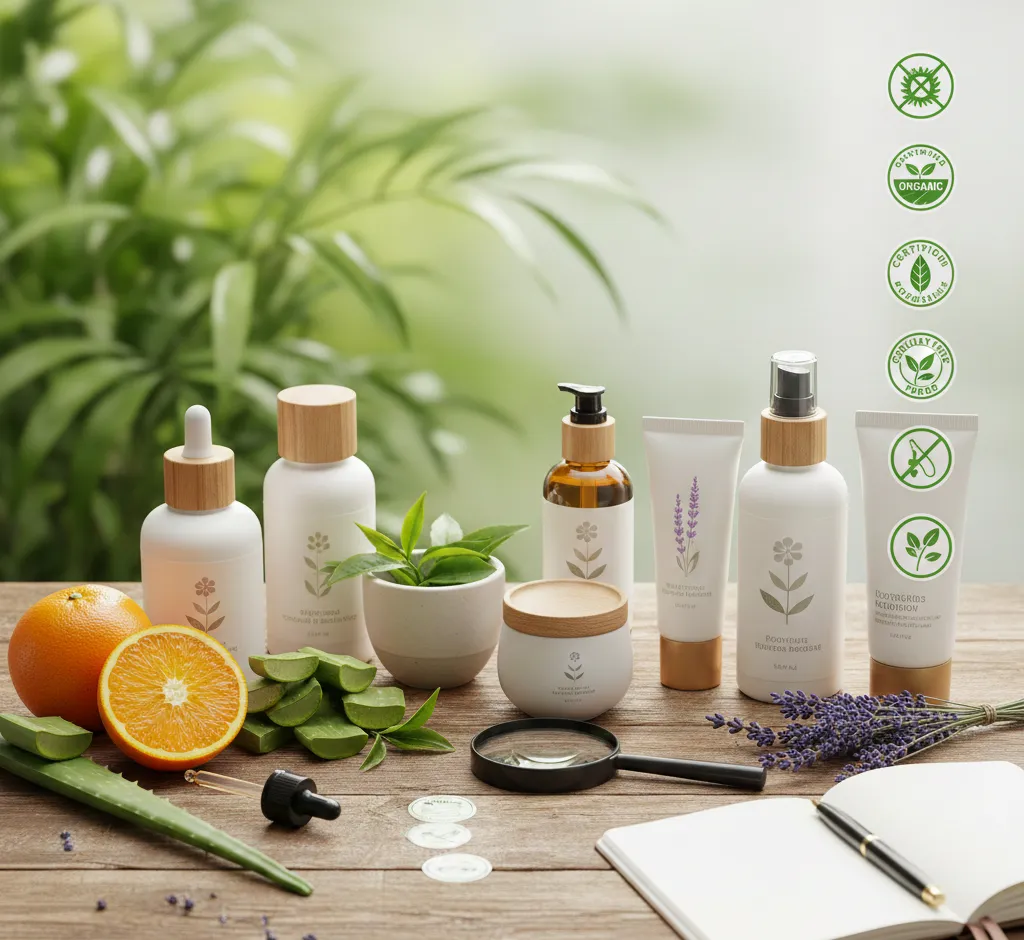
Organic beauty products have moved from niche health stores into mainstream shelves and social media feeds. They are often marketed as cleaner, safer, and more ethical alternatives to conventional cosmetics. However, with their rise in popularity has come a flood of myths, misconceptions, and half-truths that make it difficult for consumers to know what to believe.
This article debunks the most common myths about organic beauty products, explains what "organic" actually means in cosmetics, and gives you practical tips for building a routine that is both effective and aligned with your values.
What Does “Organic” Really Mean In Beauty?
Before we can challenge the myths, we need to understand the basics. In food, the term organic is usually regulated by government bodies, which set standards for how crops are grown and animals are raised. In cosmetics, the picture is more complicated.
Organic vs. natural vs. clean
These three terms are often used interchangeably in marketing, but they are not the same:
- Organic: Typically refers to ingredients grown and processed according to specific organic farming standards (e.g., no synthetic pesticides, limited fertilizers, no GMOs). However, cosmetic regulations vary by country, and not all regions regulate the term equally strictly.
- Natural: Usually means the ingredient is derived from plant, mineral, or animal sources rather than made entirely in a lab. The term "natural" is often not legally defined and may be used loosely in marketing claims.
- Clean: A marketing term that generally suggests a product avoids certain controversial ingredients (like parabens or sulfates). There is no universal standard for what qualifies as "clean." Each brand or retailer may define it differently.
Because definitions and standards vary, it is important to look at certifications (such as COSMOS, Ecocert, USDA Organic, or Soil Association) and ingredient lists instead of relying only on buzzwords.
Myth 1: Organic Beauty Products Are Always Safer
One of the most persistent myths is that if a product is organic, it must be safer than a conventional product. While organic products often can be a good choice, safety is not guaranteed simply because an ingredient comes from nature.
Natural does not equal non-irritating
Many highly reactive substances are natural: poison ivy, certain essential oils, and even some plant extracts can cause contact dermatitis, allergies, or irritation. For example, essential oils such as cinnamon, clove, or lemongrass can be irritating at high concentrations or in sensitive skin types.
Safety depends on concentration, formulation, and individual sensitivity, not just on whether an ingredient is synthetic or organic. A carefully formulated product with well-studied synthetic ingredients can sometimes be gentler than an organic product packed with potent botanical actives.
Regulation and testing matter more than labels
Credible brands—whether organic or conventional—perform safety testing like patch tests, stability tests, and microbiological tests. The presence (or absence) of organic ingredients does not replace the need for these procedures.
If you have sensitive skin, look for:
- Shorter ingredient lists with fewer potential irritants
- Fragrance-free or essential-oil-free formulas
- Dermatologist-tested or sensitive-skin-friendly claims backed by data
Myth 2: Organic Products Are Always Better For The Environment
Many people choose organic beauty products because they want to reduce their environmental impact. While organic agriculture can offer important benefits, it is not automatically the most sustainable option in every context.
The bigger picture of sustainability
Environmental impact includes multiple factors:
- How ingredients are grown or sourced (organic vs. conventional farming, water usage, biodiversity impact)
- How far ingredients travel (transportation and carbon emissions)
- Manufacturing practices (energy use, waste management, ethical labor)
- Packaging materials (plastic vs. glass, recyclability, refill systems)
An organic brand that uses heavy glass containers shipped globally on airplanes may have a higher carbon footprint than a local brand that uses some synthetic ingredients but lighter, recyclable packaging.
Organic farming: pros and limitations
Organic farming often avoids synthetic pesticides and fertilizers, which can be beneficial for soil health and biodiversity. However, organic crops may need more land to achieve the same yields, and some natural pesticides can also have environmental impacts.
For a truly eco-conscious beauty routine, consider:
- Buying from brands that publish sustainability reports or clear environmental policies
- Choosing minimal, recyclable, or refillable packaging
- Using products fully instead of letting them expire half-used
- Supporting local or regional brands when possible
Myth 3: If It Is Organic, It Does Not Contain Any Chemicals
The phrase "chemical-free" is popular in marketing, but from a scientific standpoint, it is meaningless. Everything is made of chemicals—including water, plant oils, and your own skin.
Why “chemical-free” is misleading
Marketing often uses the word "chemical" to mean "harsh" or "synthetic," but in reality, chemicals include both the harmful and the harmless, the synthetic and the natural. Organic ingredients are still composed of chemical compounds, such as fatty acids in oils, antioxidants in plant extracts, and alcohols in floral waters.
Instead of focusing on "no chemicals," it is more useful to look for:
- Evidence-based safety information
- Transparent ingredient lists with INCI names
- Products suited to your skin type and specific concerns
The role of synthetics in organic formulas
Even certified organic products may contain a small percentage of permitted synthetic ingredients—for preservation, texture, or performance. For example, certain synthetic preservatives are allowed because they are considered safe and necessary to prevent microbial growth.
This means that "organic" does not automatically mean completely free of synthetics, nor should it. In many cases, a small amount of well-chosen synthetic ingredients can make a product safer and more stable.
Myth 4: Organic Beauty Products Do Not Need Preservatives
Some consumers believe that preservatives are inherently dangerous and that organic beauty products do not require them. This is a dangerous misconception, especially for products containing water.
Why preservation is essential
Any product that contains water or comes into regular contact with moisture (like jars you dip your fingers into) is vulnerable to contamination by bacteria, yeast, and mold. Without effective preservation, a product can become unsafe long before it looks or smells different.
Preservatives—whether natural, nature-identical, or synthetic—are crucial for:
- Preventing infections and skin irritation caused by pathogens
- Ensuring the product remains safe throughout its shelf life
- Maintaining formula stability and consistency over time
Natural and nature-identical preservatives
Many organic or natural brands use preservatives such as organic acids, fermented filtrates, or nature-identical compounds (chemically identical to those found in nature). These can be effective when properly formulated and tested.
If a water-based product claims to be "preservative-free," approach it with caution and pay close attention to the period after opening (PAO) symbol and storage instructions.
Myth 5: Organic Products Are Always More Effective
Another common belief is that organic ingredients are inherently more potent and effective than synthetic ones. The truth is more nuanced: effectiveness depends on the type of ingredient, its concentration, and the overall formula.
Plant actives vs. lab-made ingredients
Plant extracts can be rich in antioxidants, vitamins, and beneficial lipids. Ingredients like aloe vera, green tea extract, and cold-pressed plant oils have established benefits for the skin. However, these natural actives often come with variability in composition depending on harvest, climate, and processing.
Lab-made actives, such as synthetic peptides or stabilized vitamin C derivatives, are designed for consistency and targeted performance. They can offer specific, predictable benefits, like boosting collagen or brightening hyperpigmentation.
The most effective products often combine the best of both worlds: botanical extracts for overall skin support and well-researched synthetics for targeted results.
Claims vs. evidence
Always look beyond the "organic" label and consider:
- Are there clinical studies or in-house trials supporting the product claims?
- Are key actives listed high enough in the ingredient list to be effective?
- Does the brand share data, such as before-and-after photos or consumer testing results?
Organic products can be very effective, but they are not automatically superior. The quality of the formulation and the science behind it are what truly matter.
Myth 6: All Organic Products Are Hypoallergenic
"Hypoallergenic" suggests that a product is unlikely to cause an allergic reaction. However, this term is not strictly regulated in many countries, and its use on packaging can be inconsistent.
Plant ingredients and allergies
Botanical ingredients can be wonderful for the skin, but they are also complex mixtures of many compounds—some of which can be allergens. Common natural allergens include certain essential oils, fragrances, and plant resins.
People with eczema, rosacea, or highly reactive skin often find that simpler formulas with fewer potential triggers work best, whether or not those formulas are organic.
How to minimize the risk of reactions
- Patch test new products on a small area of skin before full use.
- Check for common allergens, including fragrance (parfum), certain essential oils, or known personal triggers.
- Opt for fragrance-free lines specifically formulated for sensitive skin.
Organic certification does not guarantee that a product is hypoallergenic or universally suitable for all skin types.
Myth 7: Organic Beauty Products Last Just As Long As Conventional Ones
Because many organic products limit or avoid certain synthetic preservatives, their shelf life may be shorter—especially for products rich in unrefined oils or delicate botanical extracts.
Understanding shelf life and stability
Several factors affect how long a product remains safe and effective:
- Type of formula (oil-based, water-based, emulsion)
- Preservation system
- Packaging (airless pump vs. open jar)
- Exposure to heat, light, and air
For organic products, it is especially important to:
- Store them in a cool, dry place away from direct sunlight
- Keep lids tightly closed and avoid touching products with wet or dirty fingers
- Follow the expiration date and period-after-opening guidelines
Shorter shelf life is not necessarily a drawback—it can simply reflect fresher, less heavily preserved formulas. However, it does mean you should buy only what you can use within the recommended timeframe.
Myth 8: Organic Always Means Cruelty-Free And Vegan
Consumers often associate organic products with broader ethical values, such as animal welfare and vegan formulations. While there is some overlap, these concepts are not identical.
Organic vs. cruelty-free
Organic certification focuses primarily on how ingredients are grown and processed. Cruelty-free status relates to animal testing policies. A product can be organic but not cruelty-free if it is sold in markets where animal testing is still legally required, or if the brand tests on animals at some stage of development.
If cruelty-free is important to you, look for:
- Recognized cruelty-free certifications (such as Leaping Bunny or similar regional programs)
- Clear brand statements about animal testing policies
Organic vs. vegan
Organic products may still contain animal-derived ingredients such as beeswax, honey, lanolin, or carmine. These can be sustainably sourced, but they are not vegan.
If you prefer vegan beauty products, seek out goods labeled and certified as vegan, in addition to any organic or natural claims.
How To Evaluate Organic Beauty Products Wisely
With so much marketing noise, it can be challenging to make informed decisions. Instead of relying solely on labels or buzzwords, use a systematic approach.
Step 1: Define your priorities
Start by clarifying what truly matters to you:
- Skin goals: Are you targeting acne, dryness, aging, sensitivity, or pigmentation?
- Ethical values: Is organic farming, cruelty-free status, or vegan formulation your top priority?
- Environmental concerns: Do you care most about packaging, carbon footprint, or biodegradable ingredients?
Knowing your priorities will help you navigate trade-offs more confidently.
Step 2: Read ingredient lists, not just claims
Look for the INCI (International Nomenclature of Cosmetic Ingredients) list on the packaging or brand website. While it may seem intimidating at first, you will quickly recognize common patterns and ingredients.
Useful tips:
- Ingredients are listed in order of concentration, from highest to lowest (after about 1%, the order can be less precise).
- Identify potential allergens or irritants you know you react to.
- Check whether hero ingredients are placed prominently or buried at the very end of the list.
Step 3: Look for credible certifications
Not all certifications are equal, but many reputable organizations set clear standards for organic content, sustainable sourcing, or animal welfare. These can help you quickly filter products that align with your values.
Examples of certifications (availability varies by region) include:
- COSMOS Organic or COSMOS Natural
- Ecocert
- USDA Organic
- Soil Association
- Recognized cruelty-free or vegan logos
Step 4: Pay attention to packaging and storage
Packaging is not just a design choice; it affects product stability and sustainability. For organic formulas, airless pumps and opaque bottles can better protect sensitive ingredients from air and light.
From an eco perspective, consider:
- Recyclable materials or refill systems
- Minimal extra packaging or unnecessary boxes
- Brands that offer take-back or recycling programs
Step 5: Listen to your skin and adjust
No matter how reputable the brand or how impressive the certification, the ultimate test is how your skin responds. Introduce new products gradually, and avoid changing your entire routine at once. This makes it easier to pinpoint what works and what does not.
Keep track of:
- How your skin feels (comfort, tightness, oiliness)
- Visible changes (redness, breakouts, brightness, texture)
- Any reactions that appear days later, not just immediately
Building A Balanced Organic Beauty Routine
If you enjoy organic beauty products, there is no need to abandon them—just use them thoughtfully and realistically. A balanced approach often works best.
Core routine essentials
A simple yet effective routine can include:
- Gentle cleanser: An organic cream, gel, or oil cleanser that removes impurities without stripping the skin.
- Hydrating product: A toner, essence, or serum with humectants (like glycerin, aloe, or hyaluronic acid) to support moisture levels.
- Moisturizer: A cream or oil-based product that suits your skin type (lighter for oily skin, richer for dry skin).
- Sunscreen: A broad-spectrum SPF product—often mineral-based in many organic lines—to protect from UV damage.
From there, you can add targeted treatments (for acne, pigmentation, or fine lines) depending on your needs and preferences.
Mixing organic and conventional products
There is no rule that you must choose entirely organic or entirely conventional. Many people find success with a hybrid routine, such as:
- Using organic cleansers and moisturizers for their sensorial feel and plant-based ingredients.
- Adding one or two highly targeted synthetic-based serums for concerns like hyperpigmentation or deep wrinkles.
- Choosing whichever sunscreen (organic or conventional) offers the best comfort and protection for daily use.
What matters most is consistency and overall skin health—not ideological purity.
Key Takeaways: Beyond The Myths
Organic beauty products can be a meaningful part of a healthier, more sustainable lifestyle, but only when we look beyond marketing myths. Here are the main points to remember:
- Organic does not automatically mean safer or more effective. Safety and performance depend on formulation, concentration, and testing.
- "Chemical-free" is not a scientific concept. All ingredients, natural or synthetic, are made of chemicals.
- Preservatives are necessary for safety, especially in water-based products. The goal is to use effective, well-studied options—not to avoid preservation entirely.
- Environmental impact is complex. Organic farming is just one piece of a larger sustainability puzzle that includes packaging, energy use, and transportation.
- Organic does not guarantee cruelty-free or vegan status. Separate certifications and brand policies address those concerns.
- Your skin’s response is the best guide. Certifications and labels help, but personal experience and patch testing are essential.
When you understand what organic beauty products can and cannot do, you can choose them with clear expectations and enjoy their benefits without falling for misleading claims. In the end, the best beauty routine is one that works for your skin, aligns with your values, and is grounded in both science and self-care.