Depression Support Essential Oils: A Complete Guide to Natural Emotional Balance
Discover how depression support essential oils like lavender, bergamot, and frankincense can gently uplift mood, reduce stress, and enhance emotional balance. Learn safe, practical ways to use them alongside professional treatment for holistic mental well-being.
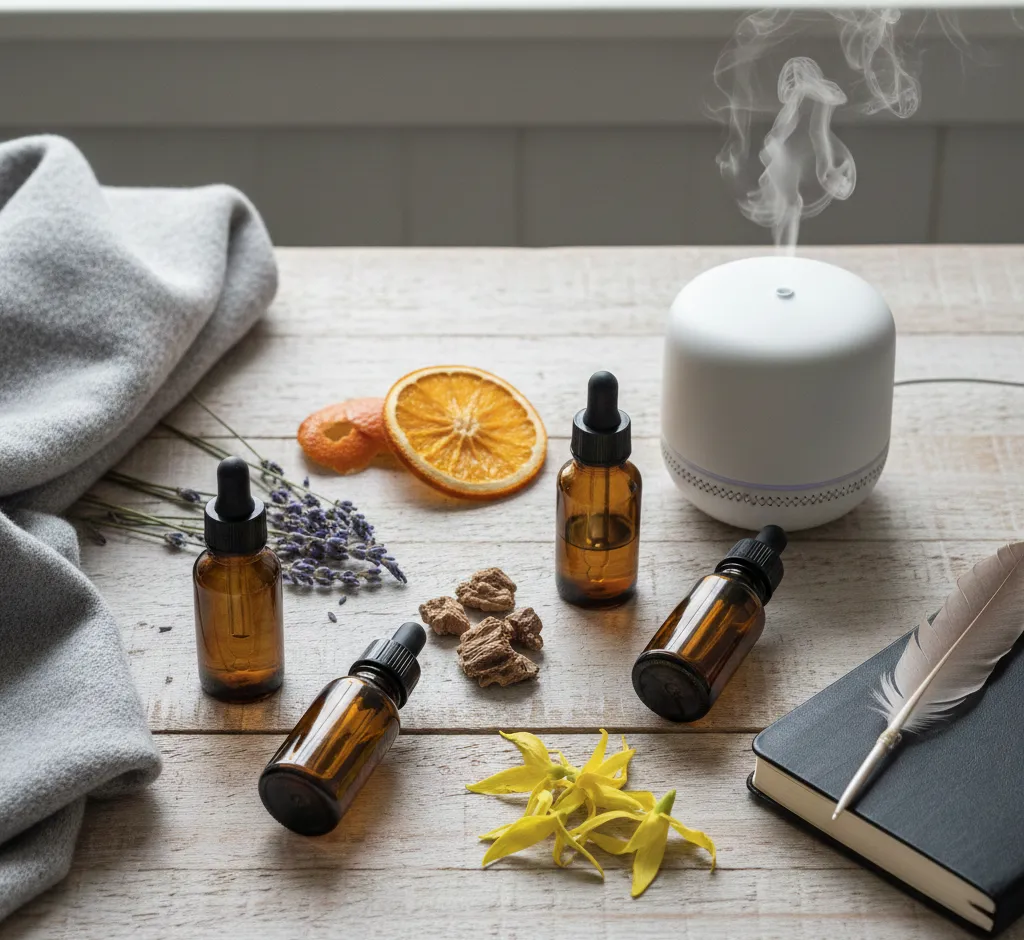
Depression can feel like a heavy fog that dims joy, motivation, and connection. While professional help, therapy, and—when needed—medication form the foundation of effective treatment, many people look for natural ways to support their emotional well-being alongside conventional care. One popular complementary approach is the mindful use of essential oils for depression support.
Essential oils cannot cure depression, and they should never replace medical or psychological treatment. However, growing evidence and centuries of traditional use suggest that certain plant aromatics may help ease symptoms such as low mood, anxiety, fatigue, and sleep disturbance when used safely and consistently.
What Are Essential Oils and How Can They Help with Depression?
Essential oils are highly concentrated plant extracts obtained from flowers, leaves, roots, bark, or resins. They contain volatile aromatic compounds that give plants their characteristic scent and some of their therapeutic properties. When you inhale these aromatic molecules, they interact with the olfactory system and the limbic system—the brain region closely linked to emotions, memories, stress response, and hormone regulation.
This connection helps explain why certain scents can be calming, uplifting, or grounding. For some people with depression or low mood, carefully chosen essential oils may:
- Support relaxation and reduce stress-related tension.
- Promote better sleep, which is crucial for mood regulation.
- Offer gentle emotional uplift and help counter feelings of heaviness or fatigue.
- Improve focus and mental clarity, supporting productivity when energy is low.
These benefits make essential oils an appealing complementary option for depression support, especially when combined with healthy lifestyle habits and professional care.
Important Safety Note and Medical Disclaimer
Essential oils are supportive, not a cure. Major depressive disorder and other mood disorders are serious health conditions. If you suspect you are depressed, or if you experience symptoms such as persistent sadness, hopelessness, loss of interest in activities, changes in sleep or appetite, thoughts of self-harm, or suicidal thoughts, seek help from a qualified healthcare professional immediately.
Always talk with your doctor, therapist, or pharmacist before using essential oils, especially if you are:
- Taking prescription medications, particularly antidepressants or anti-anxiety medications.
- Pregnant, trying to conceive, or breastfeeding.
- Managing chronic health issues (such as asthma, epilepsy, heart conditions, or hormone-sensitive disorders).
- Planning to use essential oils with children, older adults, or pets.
Essential oils are potent and must be used with care. They should usually be diluted before skin application, never ingested unless under the guidance of a qualified professional, and kept away from eyes, mucous membranes, and small children.
Best Essential Oils for Depression Support
Different essential oils offer different emotional benefits. Below are some of the most commonly used oils for supporting emotional balance, easing anxiety, and gently lifting the mood.
1. Lavender (Lavandula angustifolia)
Key effects: Calming, balancing, sleep-supportive
Lavender is one of the most researched essential oils for emotional well-being. Studies suggest that inhaling lavender oil may help reduce anxiety, improve sleep quality, and promote a sense of calm. For people experiencing depression along with restlessness or insomnia, lavender can be especially supportive.
- Use lavender before bed to encourage deeper relaxation and better sleep.
- Blend it with citrus oils during the day for a calm yet uplifted atmosphere.
2. Bergamot (Citrus bergamia)
Key effects: Uplifting, encouraging, stress-relieving
Bergamot, a citrus oil with a softly floral note, is often used to ease anxiety and low mood. Some studies show that bergamot aromatherapy can help improve feelings of positive mood and reduce stress markers in the body. Its bright, sunny aroma makes it a favorite in blends for emotional resilience.
- Ideal for morning use to gently lift energy and motivation.
- Combines well with lavender, frankincense, and ylang-ylang.
Important: Many citrus oils, including some bergamot chemotypes, can make skin more sensitive to sunlight (photosensitivity) when used topically. Always follow safety guidelines and avoid direct sun exposure after applying such oils.
3. Sweet Orange (Citrus sinensis)
Key effects: Cheerful, energizing, yet gentle
Sweet orange oil has a fresh, juicy aroma that many people associate with happiness and optimism. It may help relieve feelings of nervous tension, heaviness, or emotional fatigue. For those who feel emotionally "flat" or unmotivated, inhaling sweet orange can bring a subtle sense of brightness.
- Great for diffusing in workspaces or living areas to create a more positive atmosphere.
- Pairs well with cinnamon, clove, or ginger for cozy, comforting blends.
4. Frankincense (Boswellia carterii / serrata)
Key effects: Grounding, centering, spiritually supportive
Frankincense has been used for centuries in spiritual and meditative practices. Its rich, resinous aroma can promote a sense of inner stillness, help slow racing thoughts, and support deep breathing. This makes it helpful for people whose depression is accompanied by heightened anxiety or mental overwhelm.
- Use during meditation, journaling, or quiet reflection to enhance emotional grounding.
- Blend with bergamot or lavender to support both calm and clarity.
5. Ylang-Ylang (Cananga odorata)
Key effects: Soothing, heart-opening, tension-alleviating
Ylang-ylang offers an intensely floral aroma that can be deeply relaxing and mood-enhancing when used in small amounts. It may help soothe irritability, emotional agitation, and stress-related tension. For some people, it also supports feelings of self-worth and emotional connection.
- Use sparingly—too much can feel overwhelming or nauseating for some.
- Lovely in bedtime blends with lavender and sweet orange.
6. Roman Chamomile (Chamaemelum nobile)
Key effects: Comforting, calming, gently sedative
Roman chamomile is often used to ease anxiety, irritability, and emotional sensitivity. Its soft, apple-like scent can feel nurturing and reassuring, especially during times of grief, sadness, or emotional exhaustion.
- Supportive before sleep or during moments of emotional overwhelm.
- Suitable (well diluted) for many children and sensitive individuals, but always check age-appropriate guidelines.
7. Clary Sage (Salvia sclarea)
Key effects: Balancing, uplifting, hormone-supportive
Clary sage may help with mood swings and emotional lows related to hormonal fluctuations, such as PMS or perimenopause. Many users find it pleasantly uplifting, with a warm, herbaceous aroma that encourages relaxation and emotional release.
- Often used in blends tailored for menstrual or menopausal support.
- Not recommended in certain medical situations; always check with a professional if you are pregnant or have hormone-related conditions.
How to Use Essential Oils for Depression Support
There are several safe and effective ways to incorporate essential oils into your daily routine for emotional support. Choose methods that feel practical and enjoyable, and remember that consistency often matters more than intensity.
1. Aromatic Use: Breathing in Calm and Clarity
Aromatic use is one of the simplest and most research-supported ways to use essential oils for mood. It directly engages your sense of smell and the limbic system.
Diffusers
Add 4–8 drops of your chosen essential oil (or blend) to a water-based ultrasonic diffuser, following the manufacturer’s instructions. Let it run for 20–60 minutes at a time in a well-ventilated room.
- Morning: Try a blend of bergamot, sweet orange, and frankincense for focus and gentle uplift.
- Evening: Use lavender, Roman chamomile, and a hint of ylang-ylang to promote relaxation.
Inhalers and Tissue Drops
Personal inhalers are small, portable devices that allow you to carry your favorite blend discreetly. Add 10–15 drops of essential oil to the cotton wick, seal the inhaler, and inhale as needed throughout the day.
If you do not have an inhaler, place 1–2 drops of essential oil on a tissue or cotton ball, hold it a short distance from your nose, and take a few slow, deep breaths.
2. Topical Use: Applying to the Skin
Topical use can be helpful for those who enjoy massage, self-care rituals, or bedtime routines. Always dilute essential oils in a carrier oil such as jojoba, sweet almond, or fractionated coconut oil.
Safe Dilution Guidelines
- For adults, a typical dilution for daily use is 1–2% (about 1–2 drops of essential oil per 5 ml of carrier oil).
- For short-term or localized use, some adults may use up to 3%, depending on the oil and skin sensitivity.
- For children, pregnant individuals, and sensitive skin, use lower dilutions and professional guidance.
Relaxing Massage or Body Oil
Create a mood-supporting blend by mixing:
- 2 drops lavender
- 2 drops sweet orange
- 1 drop frankincense
- 1 tablespoon (about 15 ml) of carrier oil
Gently massage into shoulders, neck, or feet in the evening to unwind and signal to the body that it is time to rest.
Calming Pulse-Point Roll-On
Use a roller bottle to combine essential oils at about 2% dilution. Roll onto pulse points (wrists, behind ears, inner elbows) when you feel emotionally overwhelmed or low. Avoid applying to broken or irritated skin and keep away from eyes and mucous membranes.
3. Bath Rituals for Emotional Reset
A warm bath can be deeply comforting when you feel low or emotionally drained. To use essential oils safely in the bath:
- Do not add essential oils directly to bathwater—they do not disperse and may irritate the skin.
- First mix 4–6 drops of essential oil into a tablespoon of carrier oil or an appropriate bath dispersant.
- Add the mixture to the full tub, swish well, and soak for 15–20 minutes.
Try a combination of lavender, Roman chamomile, and sweet orange for a soothing, emotionally nourishing bath.
Sample Essential Oil Blends for Depression Support
The following blend ideas are for aromatic use in a diffuser or inhaler. Adjust proportions to your personal preference and always test for comfort and safety.
1. Gentle Morning Uplift Blend
- 3 drops bergamot
- 2 drops sweet orange
- 1 drop frankincense
This blend offers a fresh, hopeful atmosphere to help you start the day with more clarity and positivity.
2. Calm the Inner Storm Blend
- 3 drops lavender
- 2 drops Roman chamomile
- 1 drop ylang-ylang
Use during moments of emotional turbulence or before bed to encourage serenity and emotional comfort.
3. Deep Reflection and Grounding Blend
- 2 drops frankincense
- 2 drops lavender
- 2 drops clary sage
Diffuse while journaling, meditating, or practicing gentle yoga to foster inner peace and self-connection.
Integrating Essential Oils into a Holistic Depression Support Plan
Essential oils work best as part of a broader approach to mental and emotional wellness. Consider combining aromatherapy with the following supportive strategies:
1. Professional Mental Health Care
Therapy—such as cognitive behavioral therapy (CBT), interpersonal therapy, or other evidence-based approaches—remains one of the most effective treatments for depression. Essential oils can help you feel calmer or more focused, which may in turn make it easier to engage with therapeutic work.
2. Mindful Breathing and Meditation
Pair your favorite essential oil blend with a daily breathing or meditation practice. For example, inhale a grounding blend of frankincense and lavender and then focus on slow, deep breaths for 5–10 minutes. Over time, your brain may start to associate that scent with a calmer, more centered state.
3. Gentle Movement and Nature Time
Physical activity and time outdoors are both proven supports for mood and stress reduction. Consider:
- Wearing a diluted, uplifting essential oil blend on your wrists during a short walk.
- Practicing gentle stretching or yoga with a calming diffuser blend in the room.
These small rituals can help you reconnect to your body and environment in a nurturing way.
4. Sleep Hygiene and Evening Rituals
Sleep disturbance and depression are closely linked. Creating a soothing evening routine can gradually improve sleep quality. Try:
- Diffusing lavender and Roman chamomile 30–60 minutes before bed.
- Turning off screens and bright lights, and using the scent as a cue for winding down.
- Practicing gratitude journaling or light reading with a calming aroma in the background.
Safety Tips and Best Practices
To get the most benefit from essential oils for depression support while minimizing risks, keep these guidelines in mind:
- Choose quality oils: Look for reputable brands that provide botanical names, distillation methods, and testing information (such as GC/MS reports).
- Start low and go slow: Use fewer drops at first and observe how you feel. Emotional responses to scent are highly individual.
- Rotate oils: Regularly rotate between a few different supportive oils or blends to prevent olfactory fatigue and keep your experience fresh.
- Store safely: Keep essential oils in dark glass bottles, away from heat, light, and children or pets.
- Watch for reactions: If you experience headaches, nausea, or skin irritation, reduce the amount used, increase dilution, or discontinue that oil.
When to Seek Immediate Help
While essential oils can make your self-care ritual more comforting, they are not a substitute for crisis support. Contact a mental health professional or emergency services right away if you:
- Have thoughts of self-harm or suicide.
- Feel unable to perform daily tasks for an extended period.
- Notice your depression getting significantly worse despite your efforts.
Reaching out for help is a sign of strength, not weakness. Essential oils can then be used alongside therapy, medication (if prescribed), and other supports as part of a compassionate, holistic care plan.
Conclusion: Gentle Aromatic Support for Darker Days
Depression support essential oils offer a gentle, sensory way to care for yourself during difficult emotional seasons. Through their calming, uplifting, and grounding properties, oils like lavender, bergamot, sweet orange, frankincense, Roman chamomile, clary sage, and ylang-ylang can contribute to a more nurturing environment and a greater sense of inner stability.
Use them intentionally: weave them into daily routines, pair them with breathwork or meditation, and let them become part of your broader mental health toolkit. Above all, remember that you do not have to navigate depression alone. With professional help, supportive relationships, healthy lifestyle choices, and mindful tools like essential oils, it is possible to move toward greater light, resilience, and emotional balance.