Dilution Guidelines for Essential Oils: Safe and Effective Usage Explained
Learn safe, practical dilution guidelines for essential oils. Discover how to calculate percentages, choose carrier oils, and adjust for adults, children, pregnancy, and sensitive skin while minimizing risks.
Essential oils are highly concentrated plant extracts that offer a wide range of benefits, from relaxation and emotional support to skincare and household cleaning. However, because they are so potent, using them undiluted can easily lead to skin irritation, sensitization, or other adverse reactions. That is why understanding proper dilution guidelines for essential oils is the foundation of safe, effective aromatherapy.
This article explains what dilution means, why it matters, and how to calculate and apply the right dilution ratios for adults, children, and special situations. Whether you are a beginner or an experienced user, you will find clear, practical guidance you can confidently follow in everyday life.
What Is Essential Oil Dilution?
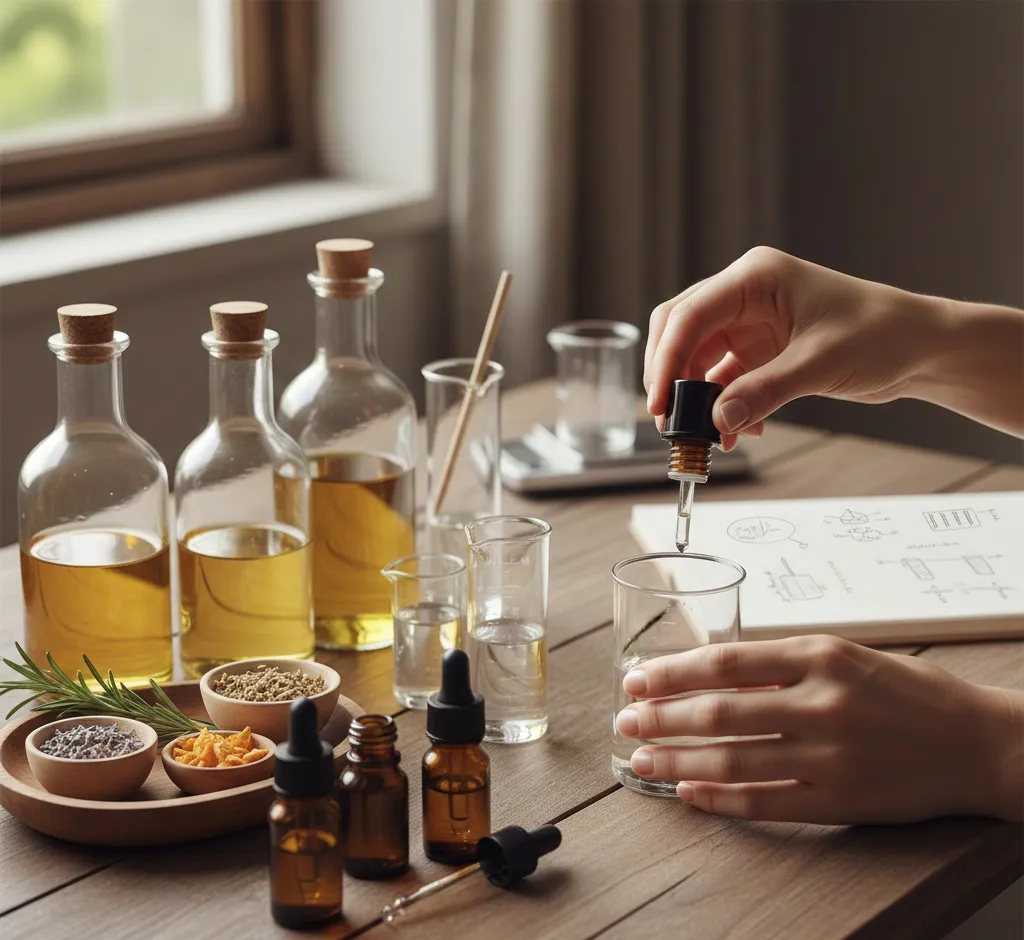
Dilution is the process of mixing a small amount of essential oil with a larger amount of a neutral, skin-safe carrier before applying it to the body. A dilution ratio is usually expressed as a percentage, such as 1%, 2%, or 5%.
In practice, this means you combine a specific number of drops of essential oil with a measured amount of carrier oil, lotion, cream, or other unscented base. The goal is to reduce the concentration of the essential oil while still allowing it to deliver therapeutic benefits.
What Is a Carrier Oil?
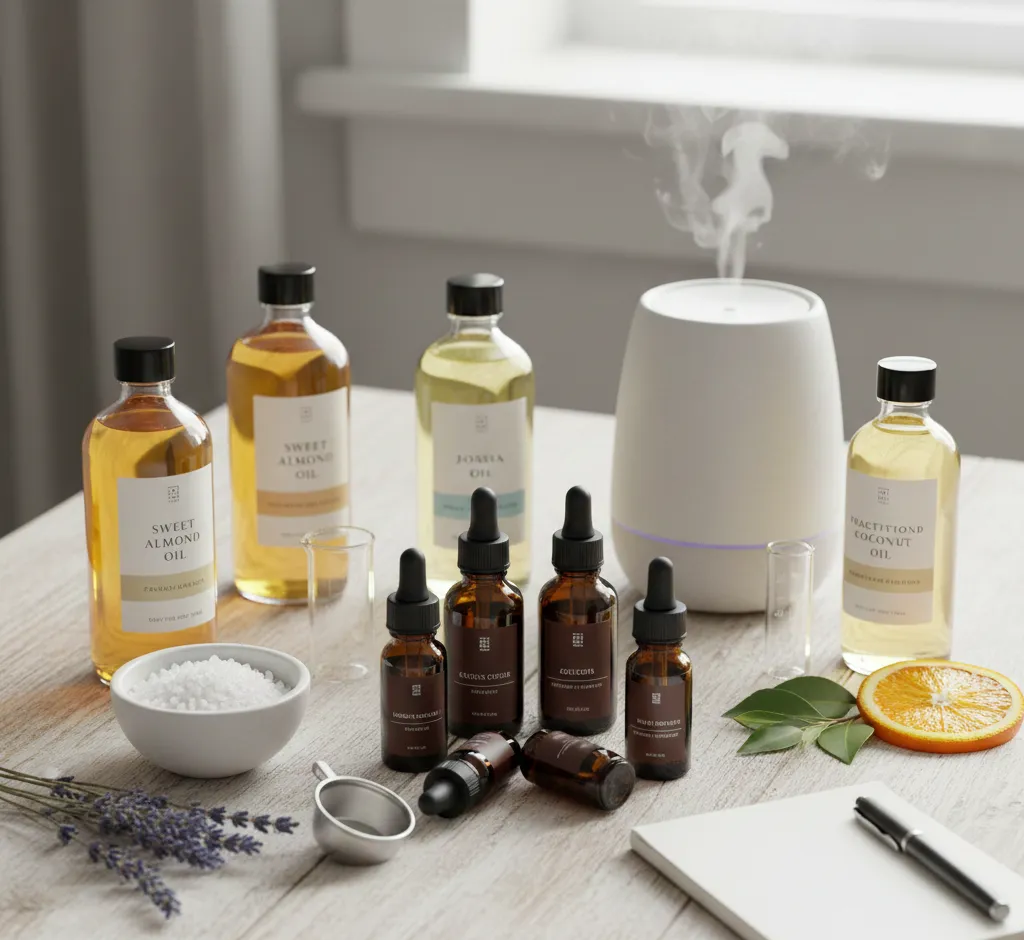
A carrier oil is a neutral, plant-based oil that helps "carry" the essential oil onto the skin. Unlike essential oils, carrier oils are not volatile and are generally safe to apply undiluted. They also help nourish and protect the skin.
Common examples include:
- Sweet almond oil – Popular, skin-friendly, and suitable for most skin types.
- Jojoba oil – Very stable, closely resembles the skin’s natural sebum, excellent for the face.
- Coconut oil (fractionated) – Lightweight, non-greasy, and long-lasting.
- Grapeseed oil – Light texture, absorbs quickly, often used in massage.
- Olive oil – Easy to find, rich and nourishing, better for body than facial use.
Other carriers include unscented lotions, creams, aloe gels, and some plant butters. Always choose high-quality, preferably cold-pressed, minimally processed carriers for best skin compatibility.
Why Dilution Matters for Safety
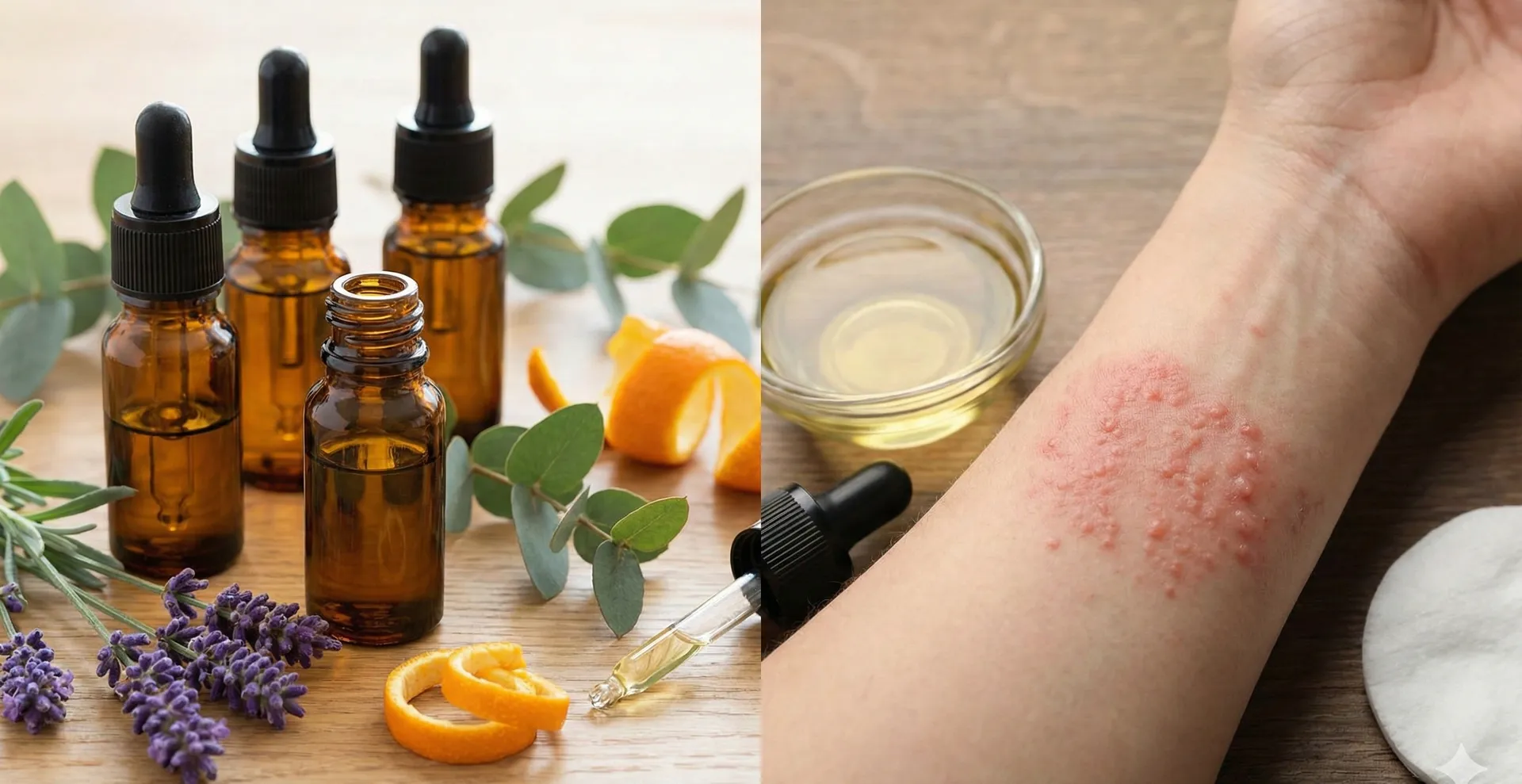
Essential oils are between 50 and 100 times more concentrated than the plants they come from. A single drop can contain dozens or even hundreds of chemical constituents. Applied undiluted, these compounds can overwhelm the skin and body.
Risks of Using Undiluted Essential Oils
Common risks include:
- Skin irritation – Redness, burning, itching, or rashes, especially on sensitive areas.
- Sensitization – A long-term allergic-type reaction that can develop after repeated undiluted use and may force you to avoid that oil forever.
- Phototoxicity – Some citrus oils can cause severe burns or discoloration when applied to the skin and then exposed to sunlight or tanning beds.
- Systemic effects – High amounts can stress the liver, kidneys, or nervous system, especially in vulnerable individuals.
Proper dilution greatly reduces these risks while still allowing you to enjoy the benefits of essential oils. For most everyday uses, you do not need high concentrations to achieve results.
Standard Dilution Guidelines for Adults
While there is no single rule that fits every person and every oil, professional aromatherapists and safety experts generally recommend the following topical dilution ranges for healthy adults.
Common Dilution Ranges
- 0.25–0.5%: Very gentle dilution for sensitive skin, face serums, and long-term daily use.
- 1%: Mild dilution for broader facial use, large body areas, or people with mild sensitivity.
- 2%: Standard dilution for everyday, short-term use on the body (lotions, massage oils, blends).
- 3–5%: Higher dilution for targeted short-term use on small areas (sore muscles, joints, spot treatments).
- Up to 10%: Very high dilution used only for specific, short-term purposes on small regions and under professional guidance.
For most home users, staying in the 1–2% range for routine applications offers a good balance between safety and effectiveness.
How to Calculate Dilution Percentages
To mix safely, you need to know how many drops of essential oil correspond to a particular dilution percentage in a given amount of carrier oil.
The Basic Formula
In aromatherapy, the standard rule of thumb is that 1 milliliter (ml) equals approximately 20 drops of essential oil. This can vary slightly depending on the oil and dropper, but it is a practical working average for home use.
A 1% dilution means that essential oil makes up 1% of the total blend. Because 1% of 100 drops is 1 drop, we get a simple guideline:
- 1% dilution = 1 drop of essential oil per 5 ml carrier (approximately)
From this, we can build a simple table.
Quick Reference: Drops per 30 ml (1 oz)
Many DIY recipes are made in 30 ml (about 1 ounce) bottles. Here are common dilution levels for that size:
- 0.25%: 1–2 drops of essential oil in 30 ml carrier
- 0.5%: 3 drops of essential oil in 30 ml carrier
- 1%: 6 drops of essential oil in 30 ml carrier
- 2%: 12 drops of essential oil in 30 ml carrier
- 3%: 18 drops of essential oil in 30 ml carrier
- 5%: 30 drops of essential oil in 30 ml carrier
These numbers are approximations, but they are widely accepted and easy to remember. Always aim for the lower end of a range if you or the intended user has sensitive skin or chronic health conditions.
Quick Reference: Drops per 10 ml
For roller bottles and small blends, 10 ml is a common size. Use this as a guide:
- 0.25%: 1 drop in 10 ml carrier
- 0.5%: 1–2 drops in 10 ml carrier
- 1%: 2 drops in 10 ml carrier
- 2%: 4 drops in 10 ml carrier
- 3%: 6 drops in 10 ml carrier
- 5%: 10 drops in 10 ml carrier (only for small areas and short-term use)
When in doubt, choose fewer drops and observe how your skin and body respond over time.
Dilution Guidelines for Different Age Groups
Age is a crucial factor in determining safe essential oil dilutions. Babies, children, older adults, and people with chronic illnesses generally need lower concentrations or should avoid certain oils entirely. Always consult a qualified healthcare provider when in doubt.
Babies and Infants (0–2 years)
For very young children, extra caution is essential:
- Avoid direct use of most essential oils on newborns unless guided by a professionally trained aromatherapist.
- Focus instead on gentle, indirect methods such as diffusing small amounts in a well-ventilated room and only for short periods.
- If topical use is recommended by a professional, keep dilutions extremely low (around 0.1–0.25%) and avoid sensitive areas such as the face, hands, and diaper region.
Young Children (2–6 years)
Children have thinner skin and smaller bodies, so they absorb essential oils more readily. Safer guidelines include:
- Typical topical dilution: 0.25–1% for routine use.
- Use child-safe oils only (for example, true lavender, chamomile, or some citrus oils; avoid strong or hot oils like peppermint, eucalyptus, cinnamon, and clove unless under professional supervision).
- Apply only to limited areas (such as feet or back) and avoid the face, especially around the eyes and mouth.
Older Children and Teens (6–12+ years)
As children grow, they can generally tolerate slightly higher dilutions, though still less than a healthy adult:
- Typical topical dilution: 1% for general use; up to 2% for short-term, targeted applications.
- Continue to avoid particularly strong oils or use them at very low dilutions.
- Monitor for any signs of irritation, dizziness, or discomfort and discontinue use if they occur.
Pregnancy, Breastfeeding, and Older Adults
Pregnant and breastfeeding individuals, as well as older adults, often benefit from reduced dilutions due to changes in circulation, skin integrity, and overall sensitivity.
- Pregnancy: Typically 1% dilution or less, especially in the first trimester. Some oils should be avoided during pregnancy; seek professional guidance.
- Breastfeeding: Mild dilutions (around 1%) are generally preferred, and oils should not be applied directly to the nipple area or where the baby might ingest them.
- Older adults: Aim for 0.5–1% for regular use, particularly if skin is fragile or if there are chronic health conditions.
Skin Types and Individual Sensitivities
Even among adults, skin sensitivity varies widely. Your personal dilution guidelines should reflect your own skin type and health history.
Dry or Sensitive Skin
If your skin tends to be dry, easily irritated, or reactive, you may need gentler dilutions:
- Start at 0.5–1% for body applications.
- Choose nourishing carrier oils such as jojoba, sweet almond, or avocado oil.
- Avoid frequent use of known irritant oils, such as strong spices and some citrus oils.
Oily or Combination Skin
Oily skin does not necessarily tolerate stronger oils better. In many cases, lightweight carriers and moderate dilutions work best:
- Use 0.5–1% dilution on the face; up to 2% for occasional spot treatments.
- Choose lighter carriers such as grapeseed or jojoba oil.
- Avoid clogging ingredients and test blends on a small patch of skin before regular use.
Allergies and Medical Conditions
If you have known allergies, asthma, epilepsy, high blood pressure, or other medical conditions, professional guidance is recommended before using essential oils. Some oils can trigger symptoms even at low dilutions.
Always perform a patch test by applying a small amount of the diluted blend to a discreet area (such as the inner forearm) and observing for 24 hours before broader use.
Oils That Require Extra Caution
Not all essential oils are equally gentle. Some are known as "hot" or strongly sensitizing, which means they are more likely to cause irritation or reactions if used at typical dilutions or without proper care.
Hot and Irritating Oils
Examples of oils that often require significantly lower dilutions or professional oversight include:
- Cinnamon bark and leaf
- Clove bud
- Oregano
- Thyme (especially thymol chemotypes)
- Wintergreen
- Birch
These oils may require dilutions as low as 0.5% or less, used only on small areas and for short periods of time, if at all. They are generally not suitable for children, pregnancy, or sensitive individuals.
Phototoxic Citrus Oils
Some cold-pressed citrus oils contain compounds that can cause phototoxic reactions when the skin is exposed to UV light after application. This can lead to burns, blistering, or long-lasting dark patches.
Common phototoxic oils include:
- Cold-pressed bergamot
- Cold-pressed lemon
- Cold-pressed lime
- Cold-pressed bitter orange
Typical safety recommendations are to keep these oils at 0.4% dilution or less on skin that will be exposed to the sun, or to avoid their use topically before sun exposure altogether. Steam-distilled citrus oils are often less phototoxic or non-phototoxic, but always verify with your supplier.
Practical Examples of Dilution
Putting the numbers into real-life context makes it easier to remember and apply dilution guidelines. Below are some simple, illustrative examples.
Example 1: Relaxing Body Oil at 2%
If you want to create a calming body oil for evening use for a healthy adult, a 2% dilution is usually appropriate for short-term, non-facial use.
- Carrier oil: 30 ml of sweet almond oil
- Dilution: 2%
- Essential oil total: Approximately 12 drops
You could, for instance, combine 6 drops of lavender essential oil with 6 drops of sweet orange essential oil in the 30 ml carrier oil. Gently shake to mix, then apply a small amount to arms, legs, and shoulders in the evening.
Example 2: Facial Serum at 0.5–1%
Facial skin is more delicate than body skin, so facial products should use lower dilutions.
- Carrier oil: 20 ml of jojoba oil
- Dilution: 0.5–1%
- Essential oil total at 0.5%: Around 2 drops in 20 ml
- Essential oil total at 1%: Around 4 drops in 20 ml
You might mix 2–4 total drops of skin-friendly essential oils such as lavender, frankincense, or geranium into the jojoba oil. Apply a few drops to clean, damp skin, once daily, and monitor for any reaction.
Example 3: Child-Friendly Foot Rub at 1%
For a child over six years old, you might want a gentle, nighttime foot rub blend.
- Carrier oil: 10 ml of grapeseed oil
- Dilution: 1%
- Essential oil total: 2 drops in 10 ml
Use 1 drop of lavender and 1 drop of Roman chamomile in the carrier oil. Massage a small amount onto the child’s feet before bed, making sure they do not walk on slippery surfaces immediately afterward.
Best Practices for Safe Use
Following dilution guidelines is only one part of safe essential oil use. Adopting robust best practices will further reduce risks and enhance your overall experience.
Perform Patch Tests
Before using a new blend widely, always test it on a small area first:
- Apply a small amount of the diluted blend to the inner forearm.
- Cover loosely and leave for 24 hours.
- If there is no redness, itching, or discomfort, it is more likely to be safe for broader use.
Avoid Sensitive Areas
Even properly diluted essential oils can irritate sensitive parts of the body. Avoid applying them to:
- Eyes and eyelids
- Inside the ears
- Mucous membranes (inside the nose, mouth, or genital area)
- Broken or damaged skin unless directed by a professional
Store and Label Blends Properly
Essential oils and blends should be kept in dark glass bottles, tightly closed, and stored away from direct sunlight and heat. Always label your blends with:
- The essential oils used
- The approximate dilution percentage
- The date of preparation
Most carrier-based blends are best used within several months, though some may last longer if stored correctly and if stable carriers are chosen.
Inhalation and Diffusion vs. Topical Dilution
Not all aromatherapy use involves applying oils to the skin. Many people prefer diffusing essential oils into the air or inhaling them directly from a tissue or personal inhaler. While this article focuses on dilution for topical use, it is helpful to note that inhalation also requires moderation.
Basic Diffusion Guidelines
- Use a diffuser according to the manufacturer’s instructions.
- Typically, 3–5 drops of essential oil in a water-based diffuser is sufficient for a medium-sized room.
- Diffusion periods should be limited, such as 15–30 minutes at a time, followed by breaks.
- Make sure rooms are well-ventilated, and avoid constant, round-the-clock diffusion.
Even though diffusion does not involve carrier oils, you are still controlling exposure by limiting the number of drops and the duration of use.
Respecting Individual Variation
Every person is unique. What works well and feels comfortable for one individual at a 2% dilution might cause mild irritation in another. Dilution guidelines provide a safe starting range, but you may need to adjust for your own needs.
Signs that you may need to lower your dilution include:
- Persistent redness or itching after applying a blend
- Headaches or dizziness triggered by topical application or inhalation
- Increased sensitivity to sunlight on areas where oils were applied
If any of these occur, stop using the blend, gently wash the area with mild soap and carrier oil, and consider consulting a qualified health or aromatherapy professional.
Key Takeaways
Dilution is not about weakening essential oils; it is about using them intelligently and respectfully. Properly diluted essential oils can be powerful allies for relaxation, skincare, and emotional well-being while minimizing the risk of irritation or long-term sensitization.
- Use standard adult dilutions of around 1–2% for most everyday body applications.
- Reduce dilutions for the face, sensitive individuals, children, pregnancy, and older adults.
- Be extra cautious with hot or phototoxic oils and always check safety data.
- Start low, observe your body’s response, and adjust gradually if needed.
By following clear dilution guidelines and listening to your body, you can enjoy the many benefits of essential oils safely and confidently for years to come.