DIY Essential Oil Recipes: Safe, Simple, and Natural Blends for Everyday Use
Learn how to make safe DIY essential oil recipes for body, home, and mood support. Discover proper dilutions, gentle oils, and easy blends that follow aromatherapy safety guidelines.
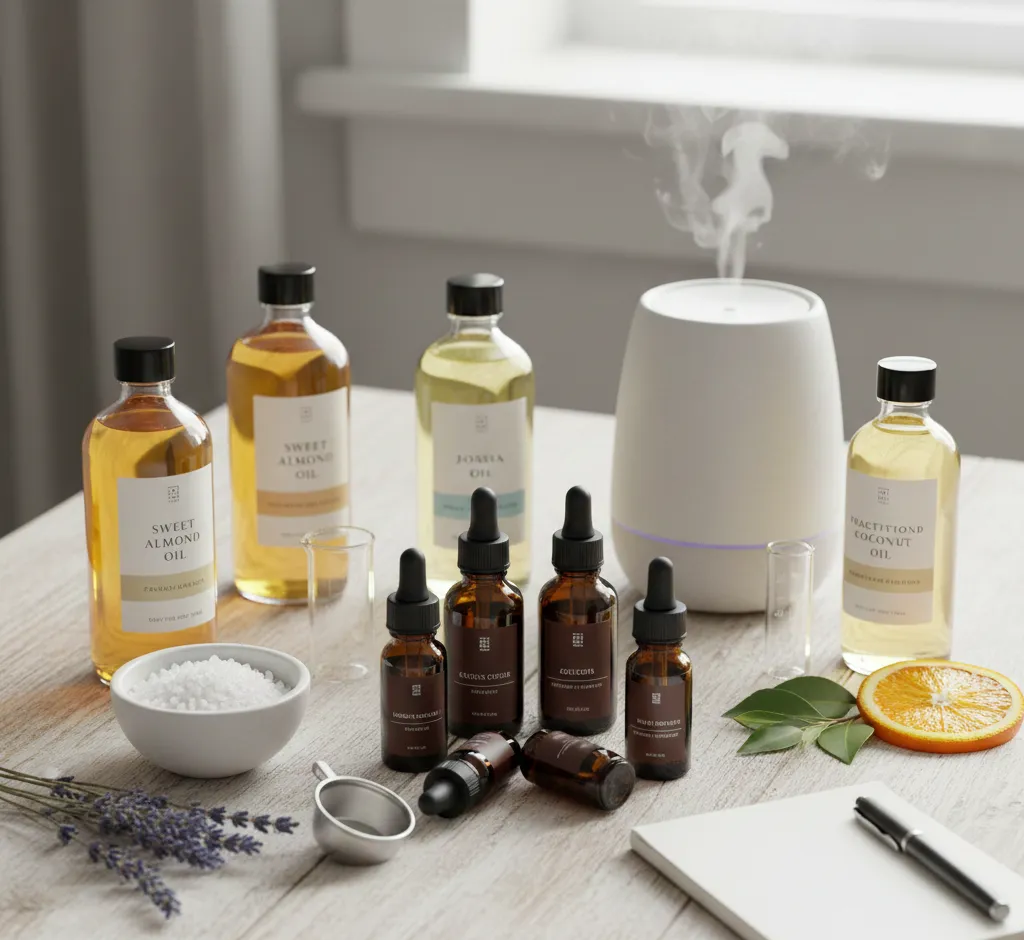
Essential oils can transform your home and wellness routine with just a few drops. From freshening the air to soothing tired muscles, these powerful plant extracts are incredibly versatile. However, because they are highly concentrated, it is crucial to use them safely—especially in DIY recipes.
In this guide, you will learn the fundamentals of safe essential oil use, recommended dilution ratios, and practical, easy-to-make DIY recipes for skin, home, and mood support. Every recipe emphasizes safety, so you can enjoy the benefits of essential oils with confidence.
Why Safety Matters with Essential Oils
Essential oils are not the same as fragrance oils or gentle herbal teas. They are concentrated extracts that contain powerful chemical compounds. Used correctly, they can be supportive and pleasant; used carelessly, they can cause irritation, sensitization, or even more serious reactions.
Common Risks of Incorrect Use
- Skin irritation and burns: Applying undiluted oils directly to the skin may cause redness, burning, or itching.
- Sensitization: Repeated overuse can lead to long-term sensitivity or allergic-type reactions.
- Phototoxicity: Some citrus oils increase sensitivity to UV light and can cause burns when exposed to sunlight.
- Respiratory issues: Very strong diffusion or using oils inappropriate for children can irritate airways.
- Drug interactions: Certain oils can interact with medications or affect conditions like high blood pressure or epilepsy.
With a few simple guidelines, you can reduce these risks dramatically while still enjoying aromatherapy benefits.
Core Principles of Safe Essential Oil Use
1. Always Dilute in a Carrier
Never apply essential oils directly to the skin. Instead, mix them into a carrier oil or other base ingredient. Safe and popular carrier oils include:
- Sweet almond oil
- Jojoba oil
- Fractionated coconut oil
- Grapeseed oil
- Olive oil (extra-virgin, for body care)
For water-based products like sprays or baths, remember that essential oils do not truly dissolve in water. You must use an appropriate dispersant (such as alcohol, solubilizer, or full-fat milk for baths) so the oils do not sit undiluted on the skin.
2. Respect Dilution Guidelines
General safe dilution ratios for adults are:
- 0.5–1% for facial products and sensitive skin.
- 1–2% for everyday body products like lotions and body oils.
- 3–5% for short-term, localized use (e.g., muscle rubs).
As a simple rule of thumb:
- 1% dilution ≈ 1 drop of essential oil per 5 ml (1 teaspoon) of carrier.
- 2% dilution ≈ 2 drops per 5 ml carrier.
- 3% dilution ≈ 3 drops per 5 ml carrier.
For children, pregnant individuals, older adults, or those with health conditions, you should use lower dilutions and consult a qualified practitioner.
3. Choose Gentle, Well-Studied Oils
If you are new to essential oils, start with gentler, widely regarded oils such as:
- Lavender (Lavandula angustifolia)
- Sweet orange (Citrus sinensis)
- Roman chamomile (Chamaemelum nobile)
- Tea tree (Melaleuca alternifolia, in low, appropriate dilutions)
- Frankincense (Boswellia carterii or serrata)
Always verify the botanical name on the label and purchase from reputable suppliers that provide GC/MS or quality testing information when possible.
4. Avoid Internal Use Without Professional Guidance
Despite frequent claims online, do not ingest essential oils unless specifically guided by a trained clinical aromatherapist or healthcare provider who understands your medical history. Internal use carries higher risks and requires precise dosing and professional oversight.
5. Store and Label Properly
- Keep essential oils in dark glass bottles, tightly sealed, away from heat and sunlight.
- Label every DIY blend with ingredients and date of creation.
- Store out of reach of children and pets.
Top Safety Tips for DIY Recipes
Patch Test Before Full Use
Before using any new DIY recipe, perform a patch test:
- Apply a small amount of the diluted product to the inner forearm.
- Wait 24 hours and observe for redness, itching, or irritation.
- Discontinue use if any discomfort or reaction occurs.
Know Phototoxic Oils
Some citrus oils can increase your skin's sensitivity to sunlight. These include:
- Cold-pressed bergamot
- Cold-pressed lemon
- Cold-pressed lime
- Bitter orange
If you use phototoxic oils on skin that will be exposed to the sun, keep dilutions very low and avoid intense sun or tanning beds for at least 12–18 hours. Alternatively, use non-phototoxic versions such as steam-distilled citrus oils, when available.
Be Extra Cautious with Children, Pregnancy, and Pets
Some essential oils are not recommended for babies, young children, pregnant or breastfeeding individuals, and pets. Avoid strong oils like peppermint, eucalyptus, rosemary, and certain spice oils around these groups, unless guided by a specialist. When in doubt, choose gentler options or skip essential oils entirely for very young children.
Safe DIY Essential Oil Recipes for Everyday Use
The recipes below are designed with conservative dilutions and gentle oils suitable for most healthy adults. Adjust amounts proportionally if you want to make smaller or larger batches, and always label your creations.
1. Calming Bedtime Room Spray
This simple spray creates a soothing bedtime atmosphere. It does not go on the skin, but it is still wise to avoid spraying directly onto the face, bedding right before lying down, or near pets that may be sensitive.
Ingredients
- 90 ml distilled water
- 10 ml high-proof vodka or perfume alcohol (helps disperse and preserve)
- 12 drops lavender essential oil
- 6 drops sweet orange essential oil
- 2 drops frankincense essential oil (optional)
Instructions
- Add the alcohol to a clean 100 ml glass spray bottle.
- Add the essential oils, cap, and shake gently to combine.
- Pour in the distilled water, leaving a small space at the top, then shake again.
- Label the bottle. Shake before each use.
- Lightly mist the bedroom air 10–15 minutes before sleep.
Safety note: Do not spray directly onto your skin or pillow right before lying down, and avoid use in very small, unventilated rooms for long periods.
2. Gentle Relaxing Body Oil
This 2% dilution body oil works well after a bath or shower to lock in moisture and promote relaxation.
Ingredients
- 45 ml sweet almond oil
- 5 ml jojoba oil
- 12 drops lavender essential oil
- 6 drops Roman chamomile essential oil
Instructions
- In a 50 ml dark glass bottle, combine the carrier oils.
- Add the essential oils.
- Cap and roll or swirl gently to mix.
- Apply a small amount to arms, legs, and torso after bathing.
Safety note: Avoid using on broken or irritated skin. If you are pregnant, nursing, or have a medical condition, check with a professional before using Roman chamomile.
3. Uplifting Shower Aromatherapy Drops
Instead of using essential oils in the bath (where they may contact skin undiluted), this recipe keeps them in a safer form while still creating a spa-like atmosphere in your shower.
Ingredients
- 1 tablespoon unscented liquid castile soap or mild shower gel base
- 4 drops peppermint essential oil
- 6 drops sweet orange essential oil
- 4 drops lavender essential oil
Instructions
- Mix the essential oils into the castile soap in a small glass bowl.
- Just before your shower, place 1–2 teaspoons of the mixture on the shower floor, away from direct drain flow but where water will hit it.
- Allow the steam to disperse the aroma as you shower.
Safety note: Use caution with peppermint if you are pregnant, have children in the bathroom, or are sensitive to menthol. Avoid contact with eyes and mucous membranes.
4. Simple Tea Tree Blemish Spot Roll-On
This targeted roll-on uses a low concentration of tea tree essential oil to support occasional blemishes. It is not meant for overall facial application.
Ingredients
- 9 ml jojoba oil
- 1 ml aloe vera oil (oil-based, not gel) or additional jojoba oil
- 3 drops tea tree essential oil
- 2 drops lavender essential oil
Instructions
- Add the carrier oils to a 10 ml glass roll-on bottle.
- Add tea tree and lavender essential oils.
- Cap securely and roll between your palms to blend.
- Apply directly to individual blemishes up to 2 times per day.
Safety note: Avoid the eye area and mucous membranes. If you experience dryness or irritation, reduce frequency or discontinue use.
5. Fresh and Safe All-Purpose Cleaning Spray
This non-toxic cleaner is excellent for countertops, sinks, and other hard surfaces. Always test on a small, inconspicuous area first.
Ingredients
- 250 ml distilled water
- 250 ml white vinegar
- 15 drops lemon essential oil (steam-distilled if possible)
- 10 drops lavender essential oil
- 10 drops tea tree essential oil (optional, for extra cleaning power)
Instructions
- Add vinegar to a 500 ml spray bottle.
- Add the essential oils and swirl to combine.
- Top up with distilled water and shake well.
- Spray onto surfaces and wipe with a clean cloth.
Safety note: Do not use vinegar-based cleaners on natural stone (like marble or granite) as it may etch the surface. Keep away from children and pets until surfaces are dry.
6. Soothing Foot Soak with Dispersed Oils
Foot soaks are a relaxing way to enjoy essential oils, but it is important to disperse the oils so they do not float undiluted on the water.
Ingredients
- 2 tablespoons Epsom salts
- 1 tablespoon full-fat milk or liquid castile soap (acts as a dispersant)
- 3 drops lavender essential oil
- 2 drops peppermint essential oil (optional)
Instructions
- In a small bowl, mix the essential oils into the milk or castile soap.
- Stir this mixture into the Epsom salts until well combined.
- Add the blend to a basin of warm water and stir to distribute.
- Soak feet for 10–15 minutes and then pat dry.
Safety note: Avoid peppermint if you are pregnant, have very sensitive skin, or plan to use this foot soak for children.
Essential Oil Selection and Quality
How to Choose Quality Oils
The safety and effectiveness of your DIY recipes depend heavily on the quality of the essential oils you use. Here are some tips for choosing good products:
- Check the label: It should list the common name, Latin name, plant part, country of origin, and extraction method.
- Avoid vague terms: Be cautious of bottles that say only "fragrance oil" or "perfume oil." These are usually synthetic and not suitable for aromatherapy.
- Look for testing: Reputable brands often share GC/MS reports or quality controls on their website.
- Store correctly: Keep oils in dark glass bottles with secure caps, away from direct light and heat, and use them within recommended shelf-life.
Understanding Oxidation and Shelf Life
Over time, essential oils oxidize and their chemical composition changes. Oxidized oils can be more irritating to the skin. As a general guideline:
- Citrus oils often have a shorter shelf life (about 1–2 years).
- Most other oils last 2–4 years when stored properly.
- Resins and woods (like sandalwood) may last even longer.
If an oil smells off compared to when you first opened it, or if it has thickened or become sticky, it may be past its prime for skin use. You can still sometimes use older oils in cleaning blends, but discontinue use on the body.
Customizing DIY Recipes Safely
Once you understand the basics, you may want to customize blends to suit your own preferences. Follow these guidelines to keep your DIY experiments safe:
- Maintain safe dilutions: Keep total essential oil content within 0.5–2% for general body use unless you are experienced and have a specific, short-term reason to go higher.
- Avoid mixing too many oils at once: Start with 2–4 oils per blend so you can identify which one might cause a reaction.
- Research each oil: Before using a new essential oil, look up its specific precautions, especially for pregnancy, children, or medical conditions.
- Record your recipes: Write down exact measurements and your skin's response, so you can refine your blends over time.
Frequently Asked Questions about Safe DIY Essential Oil Use
Can I use essential oils directly on my skin?
It is not recommended to use essential oils neat (undiluted) on the skin in most cases. While some people tolerate it, the risk of irritation and long-term sensitization increases significantly. Always dilute in a carrier oil or base before applying.
Are essential oils safe for all ages?
Essential oils require extra caution for babies, young children, pregnant or breastfeeding individuals, and older adults. Some oils, even at low dilutions, may not be appropriate. Always consult reliable references or a qualified aromatherapist for age-appropriate recommendations.
How often can I use my DIY blends?
Moderation is important. For daily body products at 1–2% dilution, once or twice per day is usually sufficient. For stronger blends (3–5%) used for specific concerns, limit use to short periods and then take a break.
Can I diffuse essential oils around pets?
Many pets are more sensitive to essential oils than humans. Avoid strong or continuous diffusion, and always ensure that animals can leave the room if they wish. Never apply essential oils directly to pets without consulting a veterinarian knowledgeable about aromatherapy.
Bringing It All Together
DIY essential oil recipes can be a beautiful, cost-effective way to personalize your self-care, cleaning routine, and home environment. The key to success is prioritizing safety: dilute correctly, choose gentle oils, patch test new blends, and stay informed about special precautions. By following these guidelines and starting with the simple recipes above, you can build a safe and enjoyable aromatherapy practice that supports your well-being every day.
Use this guide as a foundation, explore mindfully, and always listen to your body. When in doubt, consult a qualified aromatherapist or healthcare professional—your health is more important than any trend.