Does Coffee Count Toward Your Water Goals? Debunking Myths & Uncovering the Truth
Wondering if coffee counts toward your daily water intake? Discover the facts about coffee, hydration, caffeine, and your water goals, based on recent research and expert guidance.
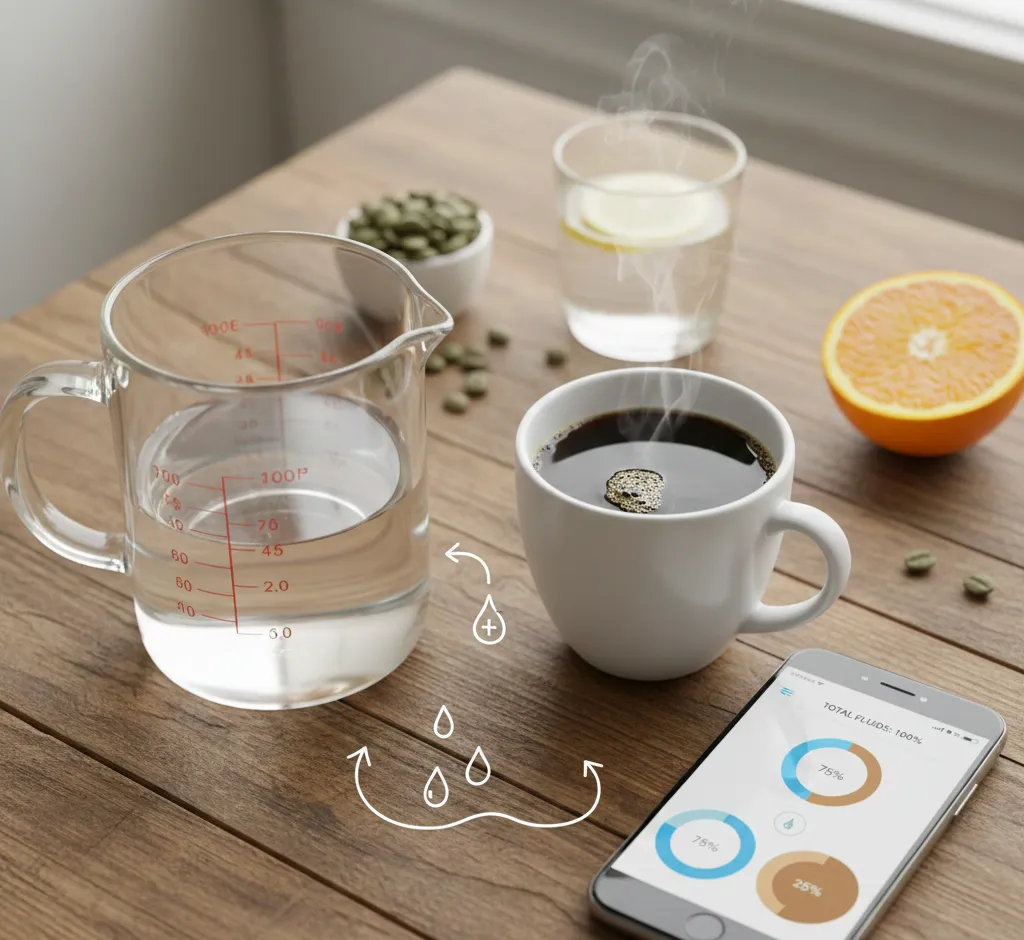
If you’re a coffee lover and someone who keeps an eye on daily water intake, you’ve probably wondered: Does coffee count toward your daily hydration goals? There’s been a long-standing debate, fueled by mixed messages from health gurus, mainstream media, and even medical professionals. This article unpacks the science, clarifies common misconceptions, and gives practical guidance on how to factor in your daily cup (or three) of coffee when tracking your hydration.
Why Hydration Matters: A Brief Overview
Proper hydration is essential for nearly every bodily function, including:
- Regulating body temperature
- Transporting nutrients and oxygen
- Supporting digestion and healthy metabolism
- Maintaining mental focus and physical performance
- Supporting detoxification and kidney function
Most adults are advised to consume between 2 to 3 liters (8-12 cups) of water daily, although factors like age, activity level, climate, and health conditions can shift your optimal target. But does your morning coffee count toward this goal?
What Defines 'Water' for Your Daily Goals?
While plain water is ideal, the fluids you consume from various sources such as tea, coffee, milk, juice, and even hydrating foods contribute to overall fluid intake. Most major health organizations, including the Institute of Medicine and the World Health Organization, recognize that hydration is not limited to plain water. It is, instead, the total volume of water from all beverages and foods.
The Caffeine Myth: Is Coffee a Diuretic?
For decades, conventional wisdom held that coffee — and caffeine in general — is dehydrating. This claim is based on the fact that caffeine can act as a mild diuretic, stimulating the kidneys to excrete more sodium and water via urine. However, the devil is in the dosage and context.
What the Research Really Says
Modern studies debunk the myth that moderate coffee intake dehydrates healthy adults. Research consistently shows that consuming up to 400 mg of caffeine per day (about 3-4 cups of brewed coffee) does not cause significant fluid loss beyond what you'd expect from any beverage. Regular coffee drinkers, in particular, develop a tolerance to caffeine's diuretic effects.
- 2014 study (PLOS ONE): Found that moderate coffee intake (4 mugs/day) hydrates as effectively as water in regular coffee drinkers.
- Institute of Medicine: States that beverages containing caffeine can contribute to daily water needs.
Therefore, if you regularly enjoy coffee, the fluid in your mug gets counted toward your water goal.
Comparing Coffee to Other Beverages
All non-alcoholic fluids provide some degree of hydration. Here’s how coffee stacks up:
- Black Coffee: Nearly 99% water by volume; very hydrating.
- Espresso: More concentrated, but still mostly water.
- Milk-based Coffees: Hydrating from both coffee and milk.
- Sugar-sweetened or Creamy Coffees: Hydration value is similar, but calories and sugar can add up.
- Herbal Teas/Tisanes: Caffeine-free and hydrating.
In contrast, alcohol is not considered hydrating and often has the reverse effect.
Does Coffee Hydrate Like Water?
While coffee does contribute to daily fluid intake, there are a few caveats that differentiate it from plain water:
- Caffeine Content: At high doses (above 400 mg caffeine daily), coffee may slightly increase urination in caffeine-sensitive individuals.
- Additives: Sugar, syrups, whipped cream, and milk add calories and affect metabolic health, but not fluid balance directly.
- Acidity: Coffee has a mild diuretic effect for some, but much less than soda or alcohol.
Generally, for healthy adults, moderate coffee consumption (3–4 cups) is a hydrating choice as part of your daily fluid intake.
How Much Coffee Is Too Much?
Individual sensitivity to caffeine varies, but most experts recommend keeping coffee intake below 400 mg of caffeine per day (about 4 standard cups). Exceeding this amount can result in:
- Insomnia and jitters
- Increased heart rate
- Stomach upset
- Mild withdrawal symptoms if suddenly reduced
Excessive coffee consumption does not improve hydration and may bring unwanted side effects.
Frequently Asked Questions About Coffee and Hydration
Does decaffeinated coffee count toward hydration goals?
Yes. Decaf coffee is even less likely to cause a diuretic effect as most of the caffeine is removed. It counts toward your daily fluid intake just like regular coffee.
Can I replace all my water intake with coffee?
Relying exclusively on coffee is not ideal for everyone, especially those with caffeine sensitivity or certain medical conditions. Aim for balance: let coffee supplement your hydration, not overtake water and other fluids.
Are there exceptions to counting coffee?
People with specific heart or kidney conditions, pregnant women, or those on certain medications should consult with their healthcare provider about safe caffeine consumption.
What about specialty coffee drinks?
Flavored lattes and sugary coffee-shop drinks contribute to hydration, but their added sugars, cream, and flavorings can have negative health impacts if consumed in excess. Choose these as occasional treats rather than hydration staples.
Practical Tips: Including Coffee in Your Water Goals
- Track All Fluids: Log all beverages in your daily water app or journal, including coffee and tea.
- Ensure Variety: Mix water, coffee, tea, and water-rich foods for balanced hydration.
- Adjust for Activity: Physical activity, hot climates, and illness may require greater intake of plain water to stay comfortably hydrated.
- Moderate Caffeine: Limit total caffeine to stay under 400 mg per day unless otherwise directed by your doctor.
- Listen to Thirst: Your body’s thirst signals are reliable; don’t force excessive water or coffee if you’re not thirsty.
Coffee for Athletes & Active Individuals
For athletes and physically active adults, coffee has a dual role:
- It hydrates and contributes to daily fluid balance
- Caffeine in coffee can enhance endurance, alertness, and even recovery in moderate doses
After intense activity or in hot weather, it’s wise to combine coffee with extra plain water, electrolyte drinks, or water-rich snacks (like fruit or yogurt) for optimal rehydration.
What the Experts Say
Registered Dietitians: Almost all registered dietitians and nutritionists agree that coffee should be included when calculating daily fluid intake for most people.
Mayo Clinic: The Mayo Clinic states that moderate coffee consumption is not likely to dehydrate you.
Consensus: Unless advised otherwise by your doctor, you can safely include coffee in your water goals.
Key Takeaways: Does Coffee Count Toward Your Water Goals?
- Yes, coffee counts toward daily water intake.
- Coffee is mostly water and does not cause dehydration in moderate amounts.
- Limit total caffeine, and balance coffee with plain water and other healthy beverages.
- For most healthy adults, 3-4 cups of coffee daily can safely count toward hydration goals.
- If you have concerns about caffeine or hydration, talk to your healthcare provider.
Summary
It’s time to put the myth to rest: coffee, in moderation, can and should be counted toward your daily water goal. While there’s no substitute for pure water, your regular cup of coffee helps keep you hydrated and energized, so enjoy it as part of a balanced routine. Listen to your body, drink to thirst, and use coffee as a pleasant, hydrating component of your daily wellness.