Does Sparkling Water Hydrate Like Still Water? What Science Really Says
Does sparkling water hydrate as well as still water? Learn what science says about carbonation, hydration, digestion, teeth, and how much sparkling water is healthy to drink.
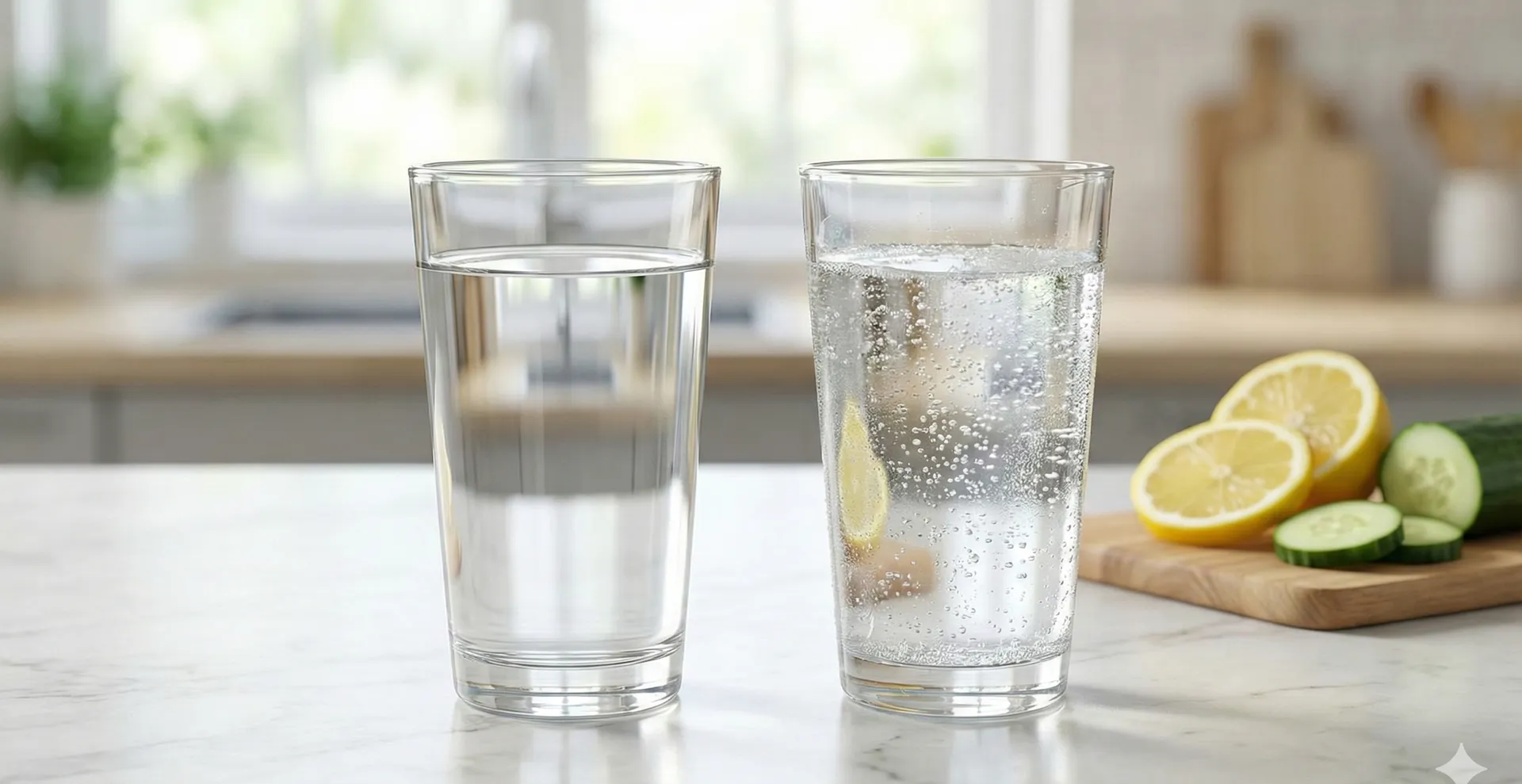
Walk down any grocery aisle and it is impossible to miss the rows of sparkling water cans and bottles in every color and flavor. Many people reach for fizzy water as a refreshing, low-calorie alternative to soda. But an important question often follows: does sparkling water hydrate you as well as still water?
Some worry that the bubbles might cause dehydration, damage teeth, or affect digestion. Others swear that sparkling water helps them drink more during the day. This article breaks down what current science says about carbonated water, hydration, and health, so you can sip with confidence.
What Counts as Sparkling Water?
Before comparing hydration, it helps to clarify what “sparkling water” actually means. Not all fizzy drinks are created equal.
Main types of sparkling water
- Plain sparkling water (carbonated water) – Still water infused with carbon dioxide (CO₂) under pressure. No sugar, no sweeteners, no flavorings.
- Seltzer water – Very similar to plain sparkling water. Often just filtered water plus CO₂, sometimes with natural flavors but typically no sugar.
- Club soda – Carbonated water with added minerals such as sodium bicarbonate, potassium sulfate, or sodium chloride. This can slightly increase its sodium content and give it a different taste.
- Sparkling mineral water – Naturally sourced water that contains minerals like calcium, magnesium, and bicarbonate. The carbonation may be natural or added later but still comes from the original spring source.
- Sparkling flavored waters – Carbonated water with added natural or artificial flavors. These may or may not contain sweeteners, so the label matters.
All of these beverages share one essential feature: they are water-based. From a basic hydration standpoint, that is the most important detail.
Does Sparkling Water Hydrate as Well as Still Water?
In simple terms, yes. For most people, plain sparkling water hydrates the body just as effectively as still water.
Why sparkling water still counts as water
Hydration depends on the amount of fluid you consume and how much your body retains, not on whether there are bubbles in it. When CO₂ dissolves in water, it forms a small amount of carbonic acid, which gives sparkling water its bite but does not remove its hydrating power.
- Same base ingredient: Both still and sparkling water are primarily H₂O, which the body absorbs in the same way through the digestive tract.
- Minor differences in absorption: Carbonation might slightly slow how quickly you drink or how fast the fluid leaves the stomach (because of fullness), but overall, total water absorption remains high.
- Backed by fluid balance research: Studies that compare common drinks show that plain sparkling water performs similarly to still water in maintaining hydration over time.
Unless you are drinking a sparkling beverage loaded with sugar, caffeine, or alcohol, the hydrating capacity of fizzy water is essentially equal to that of still water.
Common Myths About Sparkling Water and Hydration
Despite the scientific consensus, several myths continue to circulate about sparkling water. Understanding these myths helps separate fear from fact.
Myth 1: Sparkling water dehydrates you
Some assume carbonation acts like caffeine or alcohol, which can have a mild diuretic effect. However, carbonation itself is not a diuretic. CO₂ does not cause your kidneys to excrete more water.
If anything, people sometimes drink more sparkling water because they enjoy the taste and sensation, which can improve daily hydration, not reduce it.
Myth 2: Bubbles make you lose electrolytes
There is no evidence that carbonation causes loss of sodium, potassium, or other electrolytes. Electrolyte balance depends mainly on overall fluid intake, diet, sweating, and kidney function, not on whether your water is flat or fizzy.
In some cases, sparkling mineral water can even provide small amounts of helpful minerals like magnesium or calcium, which may support general health.
Myth 3: Sparkling water is just as bad as soda
This myth usually comes from people associating all bubbles with sugary soft drinks. The problem with traditional soda is not the carbonation but the high sugar content and acidity. These can affect blood sugar, weight, and dental health.
Plain sparkling water without sugar, sweeteners, or additives is very different from soda. It delivers hydration without the calorie load or sugar spike. That said, flavored sparkling waters with added sweeteners should be checked carefully on the label.
Hydration: Sparkling Water vs. Still Water
When comparing sparkling and still water, the main differences relate to comfort, preferences, and minor side effects rather than actual hydration.
Bioavailability and fluid retention
The body does not distinguish between CO₂-rich water and non-carbonated water in any dramatic way. After you swallow either type, the fluid eventually reaches the small intestine, where it is absorbed into the bloodstream.
- Absorption: Both types hydrate tissues, support blood volume, and assist with temperature control and nutrient transport.
- Fluid retention: Unless large amounts of caffeine, alcohol, or extreme sodium are present, the body retains what it needs from both sparkling and still water.
For day-to-day hydration, your total intake over 24 hours matters far more than whether it is bubbly or flat.
Satiety and drinking volume
One noteworthy difference is how sparkling water makes you feel while drinking it. The bubbles can cause a sensation of fullness or bloating for some people. This may lead to drinking less total water if the feeling is uncomfortable.
- Those who enjoy carbonation may drink more water throughout the day, which benefits hydration.
- Others may feel gassy or too full and unintentionally reduce their fluid intake.
Paying attention to your body’s response will tell you which option encourages you to drink consistently and comfortably.
Benefits of Sparkling Water for Hydration
For many people, sparkling water offers unique advantages compared to plain still water.
1. Helps replace sugary drinks
If you are trying to cut down on soda or juice, sparkling water can be a powerful ally. It delivers the bubbly, refreshing sensation of soft drinks without the sugar or calories.
- Supports weight management by reducing unnecessary calories.
- Helps stabilize blood sugar compared to sugary drinks.
- Still satisfies the craving for a fizzy beverage.
Replacing even one or two sugary drinks per day with unsweetened sparkling water can significantly improve overall health and hydration.
2. Makes hydration more enjoyable
Not everyone likes the taste of plain water, especially if their tap water has a flat or slightly off flavor. Sparkling options add variety and sensory appeal, making it easier to reach daily fluid goals.
- Light flavors (like lemon, lime, or berry) can make sipping throughout the day feel like a treat.
- The tingling sensation of carbonation may provide a stronger sense of refreshment, especially in hot weather.
Hydration habits tend to stick when the experience feels pleasant, not like a chore.
3. Potential digestive comfort for some people
Some research suggests that sparkling water may support digestion for certain individuals by stimulating swallowing and possibly aiding in stomach emptying. The bubbles can prompt small burps that relieve pressure and discomfort from trapped gas.
However, these effects are not universal and may vary widely from person to person.
Potential Downsides of Sparkling Water
Despite its benefits, sparkling water is not perfect for everyone. Being aware of potential side effects helps you make informed choices.
1. Bloating and gas
The most common complaint linked with sparkling water is gas and bloating. When you drink carbonated beverages, you swallow both liquid and gas. Some of that gas is released through burping, but some may travel into the intestines, causing a feeling of fullness or cramping.
- People with irritable bowel syndrome (IBS) or sensitive digestion may notice more discomfort.
- Those without digestive issues might tolerate carbonation with little or no problem.
If bloating affects you, alternating between still and sparkling water or limiting the amount of carbonation may help.
2. Dental health considerations
Because sparkling water is slightly more acidic than still water, some worry it might harm teeth. The acidity level of plain sparkling water is significantly lower than that of sugary sodas or fruit juices, but there is still a mild erosive potential.
- Plain, unsweetened sparkling water is generally considered safe for teeth in moderation.
- Flavored varieties, especially those with citric acid or sugar, can be more erosive.
Simple habits can reduce risk:
- Drink sparkling water with meals instead of sipping continuously all day.
- Avoid swishing it around your mouth.
- Rinse with plain water after drinking if you are concerned about enamel.
3. Sodium and additives in some varieties
Club soda and some flavored sparkling waters may contain added sodium, sweeteners, or artificial ingredients. While small amounts are usually not harmful, those who monitor blood pressure or follow a low-sodium diet should read labels closely.
- Choose versions labeled as “no sodium” or “low sodium” if needed.
- Check for added sugars or artificial sweeteners if you prefer to limit them.
Whenever possible, opt for plain or naturally flavored sparkling water without sugar for the best hydration and overall health benefits.
Who Might Prefer Still Water for Hydration?
While sparkling water can be an excellent hydration tool, certain groups might find that still water works better for their bodies or lifestyle.
People with sensitive digestion
If you regularly deal with:
- IBS
- Chronic bloating
- Acid reflux or GERD
- Frequent gas or stomach cramps
then carbonation may increase discomfort. In such cases, still water is often the gentler choice, especially around meals.
Athletes during intense exercise
During high-intensity training or competition, heavy carbonation can make drinking uncomfortable and increase feelings of fullness or nausea. Many athletes prefer still water or sports drinks (when appropriate) during workouts and save sparkling water for before or after exercise.
People with specific medical advice
Those with certain kidney conditions, severe reflux, or other medical issues may receive individualized guidance from their healthcare provider to limit carbonation or specific minerals. In such situations, follow professional advice tailored to your health status.
How Much Sparkling Water Is Safe to Drink?
For healthy adults, there is no strict upper limit on sparkling water intake, as long as it does not contain sugar, excessive sodium, or other problematic additives. Most concerns come down to comfort and balance.
Practical guidelines
- Use sparkling water as part of your daily fluid intake, not necessarily all of it.
- Pay attention to any digestive discomfort and adjust the amount accordingly.
- Prioritize plain or naturally flavored types without added sugars.
- If worried about teeth, combine sparkling and still water through the day, and maintain regular dental hygiene.
For many, a healthy pattern might include a few glasses or cans of sparkling water plus several glasses of still water each day.
Tips to Hydrate Effectively with Sparkling Water
If you enjoy bubbles and want to stay well hydrated, small habits can make a big difference.
1. Alternate still and sparkling water
Consider a simple routine such as:
- Start your day with one glass of still water to rehydrate after sleep.
- Enjoy sparkling water with lunch or as an afternoon pick-me-up.
- Switch back to still water in the evening to reduce gas or bloating before bed.
This approach offers the enjoyment of fizz while covering all hydration bases comfortably.
2. Flavor wisely
If plain sparkling water feels boring, add natural touches without piling on sugar.
- Add slices of citrus fruits (lemon, lime, orange) or cucumber.
- Use a few crushed berries or a splash of 100% fruit juice.
- Experiment with herbs like mint, basil, or rosemary for a fresh twist.
These additions can make your drink feel special and help you look forward to hydrating.
3. Keep an eye on labels
Not all sparkling waters are equal. To ensure your bubbly drink truly supports hydration:
- Check for added sugars (including corn syrup or cane sugar).
- Note the presence of artificial sweeteners if you prefer to avoid them.
- Review sodium content, especially if you have blood pressure concerns.
When in doubt, choose brands that clearly list only water, natural flavors, and carbonation, with little or no sodium.
Key Takeaways: Does Sparkling Water Hydrate Like Still Water?
To answer the central question: Yes, sparkling water hydrates the body just as effectively as still water for most people, as long as it is unsweetened and free of dehydrating ingredients like alcohol.
Summary points
- Sparkling water and still water are both primarily H₂O and support normal hydration.
- Carbonation itself does not dehydrate you and is not a diuretic.
- Plain sparkling water is a healthier choice than sugary sodas and can help reduce sugar intake.
- Some people may experience gas, bloating, or mild dental concerns with frequent sparkling water intake.
- Those with digestive sensitivity, intense athletic routines, or specific medical conditions may prefer more still water.
- The best hydration strategy is the one that helps you drink enough fluid consistently, whether it is still, sparkling, or a mix of both.
At the end of the day, the most important question is not whether your water has bubbles, but whether you are drinking enough of it. If sparkling water makes that easier, it can be a smart, effective, and enjoyable part of a healthy hydration routine.