Equine Therapy with Essential Oils: A Holistic Approach to Horse Health and Harmony
Discover how to use equine therapy with essential oils safely and effectively. Learn benefits, best practices, safety tips, and how to integrate aromatherapy into a holistic horse wellness plan.
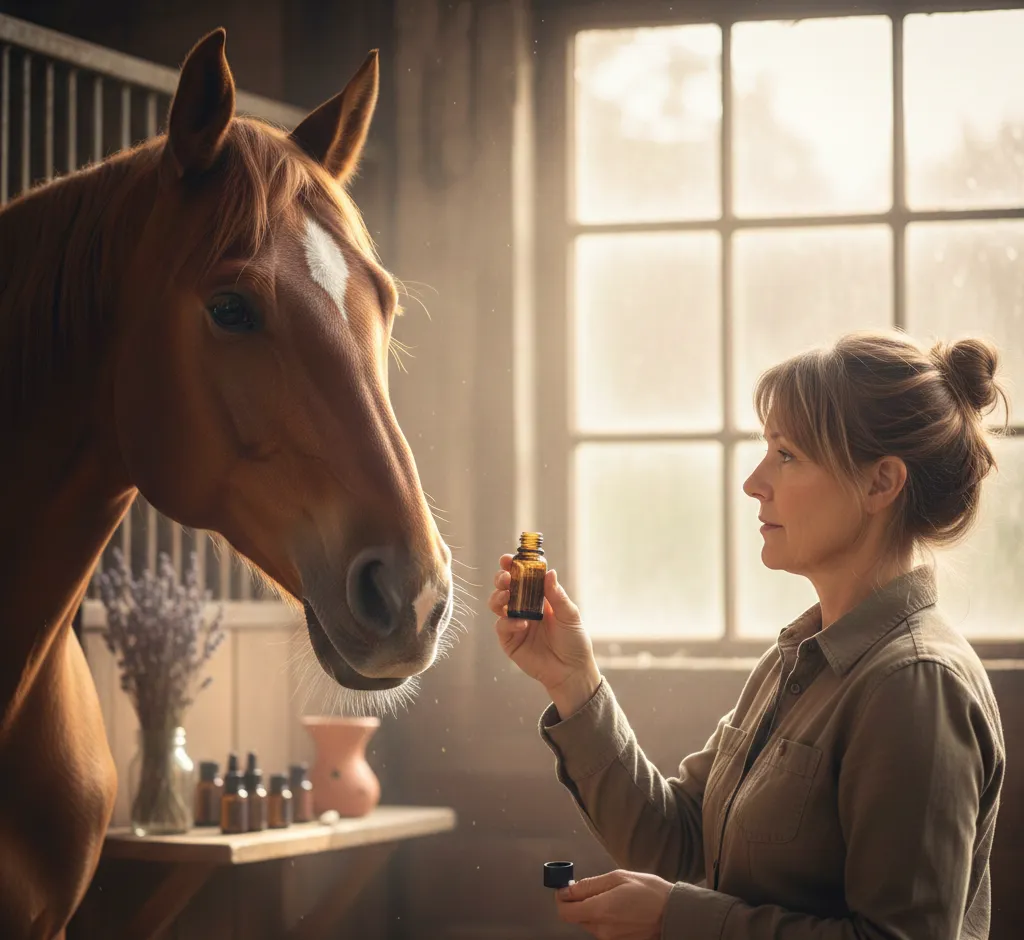
Equine therapy with essential oils is a growing holistic practice that combines the power of aromatherapy with the sensitivity and intuition of horses. When used thoughtfully and safely, essential oils can complement veterinary care, support emotional balance, and deepen the bond between horses and their caregivers.
This article explores the benefits, methods, and safety guidelines for using essential oils in equine therapy, so you can make informed, responsible decisions for the horses in your care. Always remember: essential oils are a complementary tool, not a replacement for professional veterinary diagnosis or treatment.
What Is Equine Therapy with Essential Oils?
Equine therapy with essential oils refers to the intentional use of therapeutic-grade plant extracts to support horses’ physical comfort, emotional well-being, and overall relaxation. It typically integrates:
- Aromatherapy – inhalation of oil molecules dispersed in the air.
- Topical application – diluted oils applied to specific areas of the horse’s body.
- Behavioral and bodywork sessions – combining oils with groundwork, massage, or bodywork techniques.
Because horses are highly sensitive and perceptive, they often respond clearly and quickly to aromatic stimuli. This makes them ideal partners for gentle, respectful aromatherapy practices, as long as safety and consent are prioritized.
Potential Benefits for Horses
While scientific research on essential oils in horses is still emerging, many equine practitioners and owners report positive outcomes when oils are used correctly alongside conventional care. Potential benefits include:
1. Emotional and behavioral support
Horses frequently mirror human emotions and can experience their own stress from training, competition, transportation, herd changes, or past trauma. Carefully selected essential oils may help to:
- Encourage relaxation before and after training or travel.
- Support horses with anxious, nervous, or reactive tendencies.
- Create a calmer atmosphere in barns or stables with multiple horses.
Soothing oils such as lavender or chamomile are often used in emotional support blends, always introduced slowly so the horse can accept or reject the aroma.
2. Support for physical comfort
When used with proper dilution and veterinary guidance, essential oils may:
- Support muscle relaxation after work or competition.
- Complement massage or bodywork sessions for improved comfort and recovery.
- Help maintain healthy skin and coat when properly diluted and patch-tested.
Owners sometimes integrate warming or soothing oils into post-exercise routines, although any signs of irritation or discomfort mean application should stop immediately.
3. Enhancing the human–horse connection
Equine aromatherapy sessions often focus on relationship-building. When you slow down, observe your horse’s body language, and allow them to choose or refuse certain oils, you build trust and deepen your understanding of their preferences.
Shared sessions can also benefit humans, helping both horse and handler relax, breathe more deeply, and engage with one another in a calm, present state.
Essential Safety Principles
Essential oils are highly concentrated plant extracts. Because of their potency, they must be used with care, especially on a species as sensitive as the horse. The following principles are critical for safe practice.
Work with your veterinarian
Essential oils must never replace veterinary care. Before introducing oils, consult an equine veterinarian, ideally one familiar with integrative or holistic modalities. Discuss:
- Your horse’s current health conditions and medications.
- Any skin sensitivities, allergies, or respiratory issues.
- Appropriate oils, dilutions, and methods of use for your situation.
Use only high-quality, pure oils
Horses can react to contaminants and synthetic fragrances. Choose oils that are:
- Pure, unadulterated essential oils from reputable suppliers.
- Clearly labeled with botanical names and chemotypes where relevant.
- Tested with batch-specific quality data (such as GC/MS) whenever possible.
Always dilute essential oils
Undiluted ("neat") use is not recommended for horses. Even with their large body mass, their skin and respiratory systems are sensitive. A common guideline for topical blends is:
- 0.5–1% dilution for general use on most horses.
- Lower dilutions for sensitive, young, or elderly horses.
You can dilute essential oils in a horse-safe carrier, such as fractionated coconut oil, jojoba oil, or another stable plant oil. Shake or mix thoroughly before each use.
Introduce oils through consent-based interaction
One of the most important safety practices is allowing the horse to communicate their preferences. To do this:
- Place a closed or lightly opened bottle near the horse (but not under the nostrils).
- Observe the horse’s response: leaning in, sniffing, licking, or relaxing may indicate interest; turning away, walking off, or showing tension may indicate refusal.
- Respect the horse’s reaction. Do not force exposure to any aroma.
Consent-based equine aromatherapy honors the horse as a partner, not a passive recipient.
Avoid internal use
Unless you are working under the direct guidance of a veterinarian experienced in essential oils, do not administer oils internally (in feed, water, or orally). Ingestion can pose risks to the liver, kidneys, and digestive tract.
Watch for signs of intolerance or overload
Discontinue use and seek professional advice if your horse shows any of the following after exposure to essential oils:
- Coughing, sneezing, or labored breathing.
- Head shaking, eye watering, or nasal discharge.
- Skin redness, irritation, or excessive rubbing at the application site.
- Restlessness, agitation, or avoidance behaviors.
Popular Essential Oils Used with Horses
The choice of oil depends on the individual horse, their preferences, and the goal of the session. Below are some commonly used oils in equine settings, with general applications. These are examples only, not prescriptions.
1. Lavender (Lavandula angustifolia)
Lavender is widely known for its gentle, calming aroma.
- Often used in relaxation-focused sessions.
- Sometimes incorporated into post-training routines to encourage unwinding.
- Generally well-tolerated when properly diluted and introduced slowly.
2. Roman chamomile (Chamaemelum nobile)
Roman chamomile is frequently used for its soothing scent and is popular for horses that appear worried, tense, or easily startled.
- May support a calmer mindset during new experiences.
- Can be used in low dilutions for topical blends combined with gentle massage.
3. Frankincense (Boswellia spp.)
Frankincense has a rich, grounding aroma that some horses find centering.
- Used in sessions aimed at focus and connection.
- Sometimes included in blends for older horses, under professional guidance.
4. Peppermint (Mentha × piperita)
Peppermint has a strong, penetrating aroma that must be used with caution and in very low dilutions.
- Some horses enjoy its freshness; others find it overwhelming.
- Should be introduced at a distance and never forced under the nose.
- Often avoided in horses with respiratory sensitivity.
5. Other oils sometimes used
With appropriate expertise and veterinary clearance, practitioners may also use oils such as:
- Sweet orange or mandarin for a gentle, uplifting aroma.
- Cedarwood (at low dilution) in grounding blends.
- Ylang-ylang or geranium for targeted emotional support, introduced very slowly.
Not all oils are safe for all horses. Some, including certain hot, phenol-rich, or phototoxic oils, can be too harsh or irritating and are best avoided unless you are working with a qualified professional.
How to Structure an Equine Aromatherapy Session
A well-planned session is calm, unhurried, and respectful. Below is a general framework that you can adapt to your horse’s needs, always in collaboration with your veterinarian or equine therapist.
Step 1: Prepare the environment
- Select a quiet, safe space with good ventilation.
- Ensure there is enough room for the horse to move away if they choose.
- Remove strong competing odors (such as harsh cleaning chemicals) as much as possible.
Step 2: Choose your oils and dilutions
- Limit the number of oils you introduce in a single session (for example, one to three).
- Pre-dilute your oils in an appropriate carrier at safe concentrations.
- Label each blend clearly, including date and dilution percentage.
Step 3: Invite the horse to explore the aromas
- Hold the bottle or a scent strip at a comfortable distance from the horse’s nose.
- Allow the horse to approach or avoid freely.
- Offer each aroma one at a time, watching for any shifts in breathing, posture, or focus.
If the horse shows clear interest in a particular oil, you may keep it nearby in an open but elevated position, so the scent diffuses gently rather than intensely.
Step 4: Optional gentle topical work
If your veterinarian approves topical use and the horse has indicated clear acceptance of an oil, you may:
- Apply a small amount of diluted oil to your hands.
- Offer your hands to the horse to smell again.
- Gently stroke areas such as the neck, shoulder, or chest while monitoring for any changes in comfort.
Avoid sensitive areas, including eyes, nostrils, genitals, mucous membranes, and open wounds. Do not apply oils under tack where friction and heat could increase irritation.
Step 5: Allow integration time
After the session, give the horse time and space to process. Some may yawn, lick and chew, stretch, or roll. Others may simply stand quietly or walk away.
Observe and note the horse’s behavior over the next hours and days. Keep a record of which oils you used, how the horse responded, and any changes you noticed. This can be valuable information for your vet and for future sessions.
Special Considerations and Contraindications
Not every situation is appropriate for essential oil use. Pay particular attention to these scenarios:
Mares, foals, and senior horses
- Pregnant or lactating mares: Many essential oils are not recommended during pregnancy. Never use oils in these cases without explicit veterinary approval.
- Foals: Young horses are especially sensitive. Aromatherapy for foals should be minimal, extremely dilute, and professionally supervised.
- Senior horses: Older horses may have underlying health conditions or medications that interact with essential oils. Extra caution and veterinary input are essential.
Horses with respiratory issues
Horses with chronic respiratory problems, such as heaves or asthma-like conditions, may react strongly to aromas. In many cases, diffusing or concentrated scents should be avoided or limited strictly to veterinary-directed protocols.
Competition and regulatory rules
Some equestrian organizations have regulations about substances used on or around competition horses. Before using essential oils in training or at events, check relevant guidelines to ensure compliance and avoid unintended rule violations.
Integrating Essential Oils into a Holistic Equine Wellness Plan
Equine therapy with essential oils works best as part of a broader, holistic approach to horse care. Elements of a balanced wellness plan may include:
- Regular veterinary examinations and preventive care.
- Appropriate nutrition and access to clean water.
- Turnout time, movement, and social interaction with other horses.
- Thoughtful, low-stress training methods.
- Bodywork, saddle fitting, and hoof care.
Within this wider framework, essential oils can serve as a gentle tool for:
- Creating calming pre- and post-ride rituals.
- Supporting horses during transitions, such as moving barns or changing herd dynamics.
- Enhancing relaxation during non-invasive bodywork or grooming sessions.
Ethical and Responsible Practice
When working with essential oils and horses, the ethical foundation is simple: prioritize the horse’s welfare and autonomy. That means:
- Listening to their body language and honoring their "no."
- Avoiding overuse or constant exposure to strong scents.
- Choosing the least invasive approach that still supports the horse’s needs.
- Being transparent with your veterinary team about all complementary methods you use.
Responsible aromatherapy practitioners emphasize continuing education, evidence-informed decision-making, and clear communication with owners, vets, and other professionals involved in the horse’s care.
Key Takeaways
- Equine therapy with essential oils is a complementary, holistic practice that aims to support emotional balance, physical comfort, and connection, not to replace veterinary medicine.
- Safety is paramount: consult your veterinarian, use only high-quality oils, dilute appropriately, and introduce aromas through consent-based interaction.
- Every horse is an individual. What one horse loves, another may refuse, so always respect the animal’s preferences and limits.
- Integrating essential oils into a broader wellness plan can enrich your relationship with your horse and support a calmer, more harmonious environment.
With thoughtful application and a deep respect for the horse’s voice and needs, essential oils can become a valuable part of a well-rounded equine therapy toolkit.