Ergonomic Handle Design in Modern Steam Irons: Comfort, Control, and Safety
Discover how ergonomic handle design in modern steam irons improves comfort, control, and safety. Learn what to look for in a handle, key design features, and emerging trends.
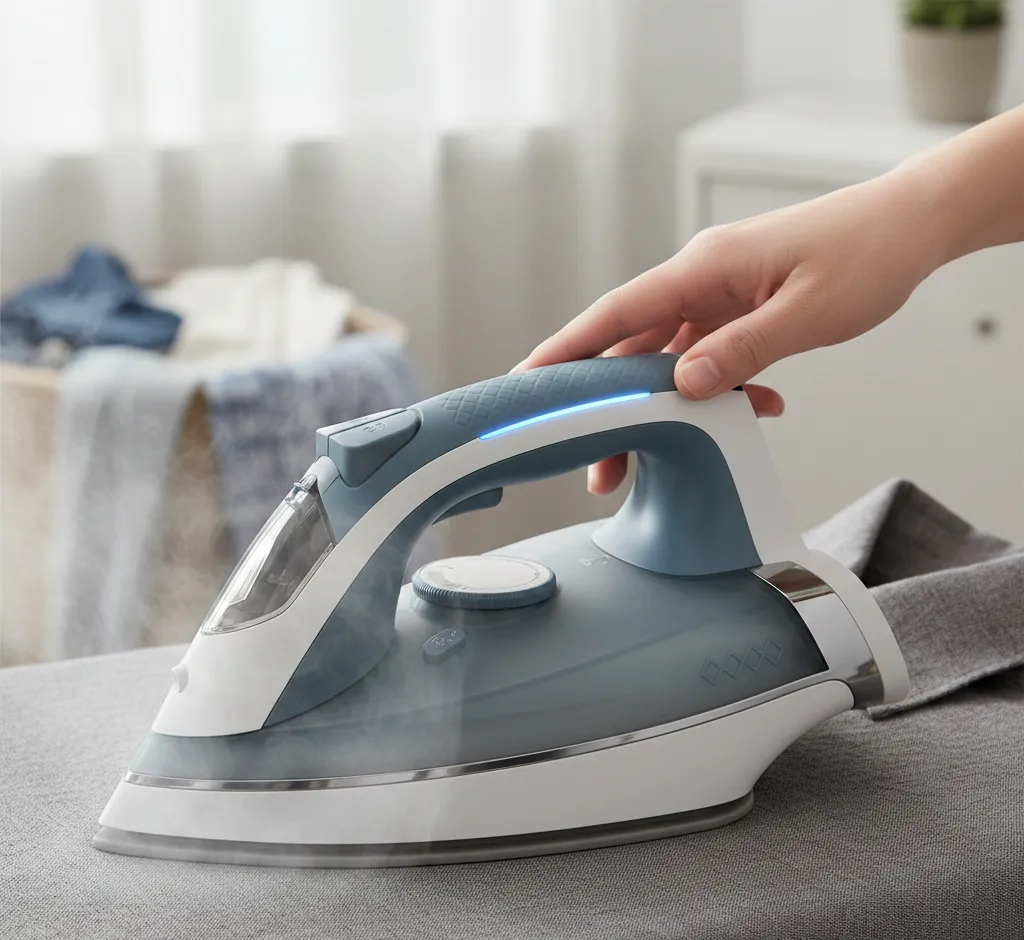
Modern steam irons have evolved far beyond simple heating devices. Today, buyers pay close attention not only to power, steam output, and soleplate material, but also to how the iron feels in the hand. The ergonomic handle has become one of the most important features because it directly affects comfort, precision, and even long-term health. A well-designed handle can reduce hand fatigue, improve control, and make ironing faster, safer, and more enjoyable.
In this article, we explore what makes an ergonomic handle in modern steam irons, why it matters, how manufacturers design and test it, and what to look for when choosing your next iron. Understanding these details will help you select a steam iron that is not only powerful, but also genuinely comfortable to use.
What Is an Ergonomic Handle in a Steam Iron?
An ergonomic handle is a handle designed to fit the natural shape, movement, and strength of the human hand and wrist. Instead of forcing your hand into an awkward position, it supports a neutral posture, distributes pressure evenly, and offers secure grip with minimal effort.
In the context of modern steam irons, an ergonomic handle usually combines several design aspects:
- Shape and contour: Curved forms that follow the natural arc of the palm and fingers.
- Size and thickness: A diameter that most users can grasp without excessive force.
- Surface texture: Non-slip materials or patterns that prevent sliding when hands are dry or slightly damp.
- Weight distribution: A balance point that reduces strain on the wrist during forward and backward strokes.
- Control access: Intuitive placement of buttons and sliders for steam bursts, spray, and temperature.
Ergonomics aims to match the tool to the user, not the other way around. In a steam iron, that means the handle works with your body so that ironing feels natural and controlled rather than awkward or tiring.
Why Ergonomic Handle Design Matters
1. Reduced Hand and Wrist Fatigue
Ironing often involves repetitive back-and-forth movements over extended periods. A poorly designed handle that is too thick, too thin, or too angular forces the user to grip harder and bend the wrist in uncomfortable angles. Over time, this can lead to muscle tension, fatigue, or even repetitive strain issues.
An ergonomic handle encourages a more neutral wrist position and allows you to maintain a lighter grip. This reduces the effort needed to guide the iron and helps keep your hand and forearm relaxed, even when ironing large loads of laundry.
2. Better Precision and Control
Control is essential when navigating around buttons, seams, collars, delicate fabrics, and tricky areas like pleats. A handle that fits well in the hand gives you fine-tuned control over angle, pressure, and speed. You can make micro-adjustments with ease because the iron feels like an extension of your hand rather than a heavy, unbalanced object.
This precision is especially important when ironing delicate fabrics such as silk or synthetics that are prone to scorch marks. Subtle control over glide and pressure can mean the difference between a perfectly smooth garment and damaged fabric.
3. Increased Safety
Steam irons reach high temperatures and release powerful bursts of steam. A secure, non-slip handle reduces the risk of accidental drops, sudden slips, or over-rotation that could bring hot surfaces too close to your skin. Ergonomic handles often have materials and shapes specifically designed to stay steady, even when your hand is slightly sweaty.
Good ergonomics also include clear, easy-to-reach controls. When you can quickly activate or stop steam, adjust temperature, or engage a safety lock without changing your grip, you lower the risk of accidental burns and fabric damage.
4. Enhanced Overall User Experience
Even if you iron only occasionally, comfort matters. A steam iron with an ergonomic handle can transform ironing from a chore into a smoother, less tiring task. For frequent users—such as large households, fashion enthusiasts, or small businesses—this difference is even more significant.
Brands increasingly highlight ergonomic handle design as a key selling point, reflecting how strongly user satisfaction is tied to comfort, grip quality, and ease of control.
Key Elements of Ergonomic Handle Design
Handle Shape and Contour
The overall geometry of the handle greatly influences how natural it feels. Most modern steam irons use a gently curved handle that supports the following characteristics:
- Neutral wrist angle: The wrist stays relatively straight rather than bent upward or downward.
- Full palm support: The palm rests comfortably on the top of the handle, with space for all fingers to wrap around.
- Comfortable finger placement: Subtle grooves or contours guide the fingers into a stable position.
Some designers also consider left-handed users, creating symmetrical handles that remain comfortable regardless of which hand you use. Others add a slightly raised back section that prevents the hand from sliding backward during strong forward strokes.
Grip Size and Circumference
Grip diameter is crucial for comfort. A handle that is too thin forces your hand to squeeze tighter, increasing muscle load. One that is too thick may prevent you from closing your fingers comfortably, especially for users with smaller hands.
Most manufacturers aim for a handle circumference that works well for a wide range of hand sizes. Some may add more pronounced cushioning or tapering, providing a secure grip without requiring excessive strength. When possible, physically trying an iron in-store can reveal a lot: if your fingers strain to meet or your hand feels stretched, the handle may not be ergonomically ideal for you.
Materials and Surface Texture
Surface materials have a big impact on perceived comfort and safety. Common ergonomic approaches include:
- Soft-touch coatings: Rubberized or silicone-like materials that feel warm and slightly cushioned.
- Textured patterns: Ridges, dots, or matte finishes that improve grip and reduce slippage.
- Heat insulation: Materials that remain cool to the touch even when the iron operates at high temperature.
These materials help maintain grip quality even when your hand becomes slightly damp from steam or room humidity. At the same time, they must be durable and resistant to cleaning agents, sweat, and long-term use.
Weight Distribution and Balance
Even a perfectly shaped handle can feel uncomfortable if the iron is unbalanced. Ergonomic design takes into account the location of the water tank, heating components, and soleplate weight so that the iron feels centered in the hand.
A well-balanced iron minimizes torque on your wrist. As you move the iron forward and backward, the center of gravity should remain close to the handle. This helps you guide the iron with minimal effort, reducing the risk of strain during long ironing sessions.
Placement of Controls and Buttons
In modern steam irons, handle ergonomics also include how controls are integrated. Important functions like steam burst, continuous steam adjustment, and spray are often activated from the handle area. Key ergonomic principles include:
- Thumb-accessible buttons: Steam burst buttons located where the thumb naturally rests.
- Intuitive levers: Steam and water controls placed within easy reach of the index finger or thumb.
- Distinct feedback: Clicky or tactile responses so you can feel when a button is pressed without looking.
By placing the controls logically and within reach, designers help users maintain a stable grip. You should not need to twist your hand or stretch fingers awkwardly just to trigger steam or adjust settings.
Human Factors and Testing in Ergonomic Iron Design
User Research and Hand Measurements
Behind every ergonomic handle is extensive human factors research. Manufacturers analyze hand size data, grip strength, and typical wrist angles. They also study how different users hold and move irons in real scenarios, from quick touch-ups to full weekly ironing loads.
Prototype handles are tested with diverse user groups, including people with smaller or larger hands, left-handed users, older adults, and those with reduced grip strength. Feedback from these tests guides adjustments to shape, angle, and material choices.
Simulation and Prototyping
Designers often use digital modeling to simulate forces, weight distribution, and contact areas between hand and handle. 3D-printed prototypes allow rapid testing of different contours, letting users compare variations side by side.
This iterative process refines not only comfort but also safety and durability. For example, designers may strengthen specific areas of the handle that receive more stress while keeping the overall shape smooth and light.
Durability and Long-Term Comfort
Ergonomics is not just about the first impression. A handle might feel fine during a quick test but become uncomfortable after 20 or 30 minutes of continuous ironing. That is why long-duration testing is essential.
During these tests, users report on hot spots, pressure points, slipping, or fatigue. Designers then refine cushioning, texture placement, or curvature until the handle feels comfortable across an entire ironing session, not just the first few minutes.
Different Handle Styles in Modern Steam Irons
Traditional Horizontal Handles
Most home steam irons use a horizontal handle positioned above the body of the iron. Ergonomic improvements in this category often focus on:
- Smoother curves instead of sharp edges.
- Soft-touch overlays for key contact areas.
- Optimized height so the wrist remains relatively neutral.
This style is familiar and intuitive for most users. When well designed, it offers a good balance between comfort, control, and visibility of the ironing surface.
Open and Loop Handles
Some irons feature open or loop-style handles that partially surround the hand. These designs can provide extra stability and prevent slipping, especially when working quickly or applying more pressure to stubborn wrinkles.
From an ergonomic perspective, loop handles must be wide enough to allow free finger movement and must not press sharply against knuckles or the back of the hand. Padding and smooth inner surfaces are essential for long-term comfort.
Vertical and Hybrid Handle Concepts
With the rise of vertical steamers and multi-function irons, new handle concepts have emerged. Hybrid designs may combine horizontal grip for traditional ironing with more vertical grip options for steaming hanging garments.
These designs often emphasize lightweight construction and balanced centers of gravity, since vertical use places different demands on the wrist and arm. Ergonomic success here depends on offering multiple comfortable hand positions that can be changed easily during use.
Choosing a Steam Iron with a Comfortable Handle
Factors to Evaluate Before Buying
When selecting a steam iron, many buyers focus purely on technical specifications. To ensure long-term comfort, it is just as important to evaluate the handle. Consider the following checklist:
- Grip comfort: Does the handle feel natural in your hand? Can your fingers wrap around it easily?
- Wrist position: Is your wrist relatively straight when holding the iron at a typical ironing angle?
- Weight and balance: Does the iron feel front-heavy or well balanced around the handle?
- Surface feel: Does the material feel secure, or does it feel slippery or hard?
- Control access: Can you reach steam and spray buttons without shifting your grip?
If you often iron for long sessions or have a history of wrist or hand discomfort, handle ergonomics should rank as high as wattage or steam rating on your priority list.
Special Considerations for Different Users
Different users may have unique ergonomic needs:
- Users with smaller hands: Look for slightly slimmer handles or tapered designs that do not require a wide stretch.
- Older adults: Prioritize lightweight irons with cushioned, non-slip handles to minimize strain and maximize control.
- Left-handed users: Seek symmetrical handles and ambidextrous button placement.
- Users with limited grip strength: Choose irons that are both light and feature soft-touch, high-traction handles.
Where possible, testing a display model in person gives the most reliable sense of comfort. If buying online, carefully read reviews that mention handle comfort, balance, and maneuverability.
Trends and Innovations in Ergonomic Iron Handles
Advanced Materials and Coatings
Manufacturers continue to experiment with new polymers and coatings that offer a combination of softness, durability, and temperature resistance. Some handles use dual-layer construction, with a firm internal structure for support and a softer outer shell for comfort.
Anti-microbial or easy-clean coatings also appear in higher-end models, helping maintain hygiene and appearance as the handle comes into contact with skin oils and household dust.
Customizable and Adaptive Designs
While still emerging, there is growing interest in adjustable or semi-custom ergonomic solutions. Potential innovations include interchangeable grip sleeves, adjustable handle angles, or modular attachments that adapt to different hand sizes and ironing styles.
Although not yet common in mainstream irons, these concepts show how ergonomics may become increasingly personalized in the future, giving users more control over how the iron fits their hand.
Integration with Smart Features
As steam irons adopt smart features such as automatic temperature optimization or fabric sensors, handle design also adapts. Some models may incorporate subtle status indicators or haptic feedback into the handle itself, allowing users to receive alerts or confirmations without looking away from the garment.
Even with added technology, ergonomic principles remain essential. Any integrated lights or sensors must not compromise grip comfort, balance, or safety.
Care and Maintenance of Ergonomic Handles
To keep an ergonomic handle performing well over time, basic care is important. Dirt, detergent residues, and skin oils can build up on the handle surface, reducing grip and potentially degrading materials.
- Regularly wipe the handle with a soft, slightly damp cloth.
- Avoid harsh chemicals or abrasive pads that can damage soft-touch coatings.
- Allow the iron to cool completely before cleaning the handle area.
- Store the iron in a dry place to prevent materials from aging prematurely.
With proper maintenance, the handle will retain its texture, cushioning, and structural integrity, ensuring long-term comfort and safety.
Conclusion: Ergonomics as a Core Buying Criterion
Ergonomic handle design in modern steam irons is no longer an afterthought. It is a central feature that influences how comfortably, safely, and effectively you can use the appliance. From handle shape and size to materials, balance, and control placement, each design decision affects how the iron feels in your hand.
When comparing models, take time to consider ergonomics alongside power, steam performance, and soleplate technology. The right handle can reduce fatigue, offer superior control, and help protect your wrists and hands during repeated use. As innovation continues, expect even more refined ergonomic solutions that make ironing easier and more enjoyable for everyone.