Essential Oils for Stress Relief: A Complete Beginner’s Guide
Discover the best essential oils for stress relief and how to use them safely. Learn practical blends, diffuser recipes, and daily rituals to reduce tension and support calm, natural relaxation.
In today’s fast-paced world, more people than ever are looking for natural ways to relax, unwind, and cope with everyday pressure. Essential oils for stress relief have become a popular choice because they are pleasant to use, easy to integrate into daily routines, and can support emotional balance when used correctly. While they are not a cure for anxiety or medical conditions, they can be a helpful tool in a broader self-care and stress-management plan.
What Are Essential Oils and How Do They Work?
Essential oils are highly concentrated plant extracts obtained from flowers, leaves, bark, roots, or resins. They capture the plant’s natural aroma and many of its active compounds, which can influence both mood and physical sensations.
When you use essential oils for stress relief, you usually experience their effects in two main ways:
- Aromatherapy (inhalation) – Breathing in essential oil molecules can stimulate the olfactory system, which is directly linked to the brain’s limbic system, the area that plays a role in emotions, memory, and stress response.
- Topical application – When properly diluted and applied to the skin, certain essential oils can create soothing, warming, or cooling sensations and support relaxation through gentle massage and mindful touch.
Current research suggests that some essential oils may influence heart rate, blood pressure, breathing patterns, and cortisol levels, all of which are associated with how the body responds to stress. However, aromatherapy should be seen as complementary, not a replacement for professional mental health or medical care.
Best Essential Oils for Stress Relief
There are many essential oils that people use to help relax, unwind, and reduce tension. Below are some of the most popular and well-studied options for stress relief and emotional balance.
1. Lavender (Lavandula angustifolia)
Lavender essential oil is one of the most widely used oils for relaxation. Its soft, floral aroma is associated with calmness, better sleep, and reduced feelings of nervousness.
- Often used to support sleep, especially before bedtime.
- Helps create a peaceful atmosphere during meditation or yoga.
- Can be blended with other calming oils like chamomile or bergamot.
Lavender is gentle for most adults when used properly and is a great starting point for beginners exploring essential oils for stress relief.
2. Chamomile (Roman or German)
Roman chamomile has a sweet, apple-like scent, while German chamomile has a deeper, herbaceous aroma. Both are often used to promote emotional balance and soothe restlessness.
- Commonly added to bedtime blends to encourage relaxation.
- Can be used in a diffuser during stressful workdays.
- Pairs well with lavender, bergamot, or clary sage.
Chamomile essential oil is especially popular among people with sensitive moods who need gentle, nurturing support to wind down.
3. Bergamot (Citrus bergamia)
Bergamot essential oil has a bright, citrusy aroma with a subtle floral note. It is known for its uplifting yet relaxing effects, making it ideal for stress that feels heavy or emotionally draining.
- Often used to ease feelings of tension, irritability, or low mood.
- Great for daytime blends where you want calm focus instead of drowsiness.
- Blends beautifully with lavender, ylang-ylang, and frankincense.
Because bergamot can increase sun sensitivity when used on the skin, it must be diluted carefully and kept away from direct sunlight on treated areas.
4. Frankincense (Boswellia carterii and others)
Frankincense essential oil has a warm, resinous, woody aroma that has been used in spiritual and ceremonial contexts for centuries. Many people find it deeply grounding and centering.
- Supports a sense of inner peace and quiet reflection.
- Ideal for meditation, breathwork, journaling, or prayer.
- Pairs well with citrus oils and florals like lavender or geranium.
Frankincense is especially helpful when your stress feels scattered or you find it hard to stay present.
5. Ylang-Ylang (Cananga odorata)
Ylang-ylang essential oil offers a rich, exotic floral scent. It is often used to ease feelings of anger, frustration, or emotional overload.
- Can help promote a sense of emotional warmth and self-acceptance.
- Useful in evening blends when you want to transition out of "work mode."
- Best used in small amounts due to its intense aroma.
Because of its strength, ylang-ylang is often blended with lighter oils like orange, bergamot, or lavender to create a balanced, stress-relieving synergy.
6. Clary Sage (Salvia sclarea)
Clary sage essential oil has a herbaceous, slightly sweet aroma. It is commonly used for emotional stress, especially when hormones might be involved, such as during PMS or perimenopause.
- May support relaxation and a sense of emotional stability.
- Often used in blends for mood swings and tension.
- Combines well with lavender, bergamot, and geranium.
Clary sage should not be used before driving or any activity that requires sharp alertness, as it can be deeply relaxing for some people.
7. Sweet Orange (Citrus sinensis) and Other Citrus Oils
Sweet orange, lemon, and mandarin essential oils bring a cheerful, bright aroma that can gently lift your mood while also helping the body relax.
- Ideal for daytime stress, workplace tension, and afternoon slumps.
- Help create an inviting, positive atmosphere at home or in the office.
- Mix well with grounding oils such as cedarwood, frankincense, and vetiver.
Citrus oils are excellent when you feel stressed yet tired, and want both lightness and calm instead of deep sedation.
How to Use Essential Oils Safely for Stress Relief
Using essential oils safely is just as important as choosing the right oils. Because they are highly concentrated, they must be handled with care and respect.
1. Inhalation Methods
Aromatherapy inhalation is one of the simplest and most effective ways to use essential oils for stress relief.
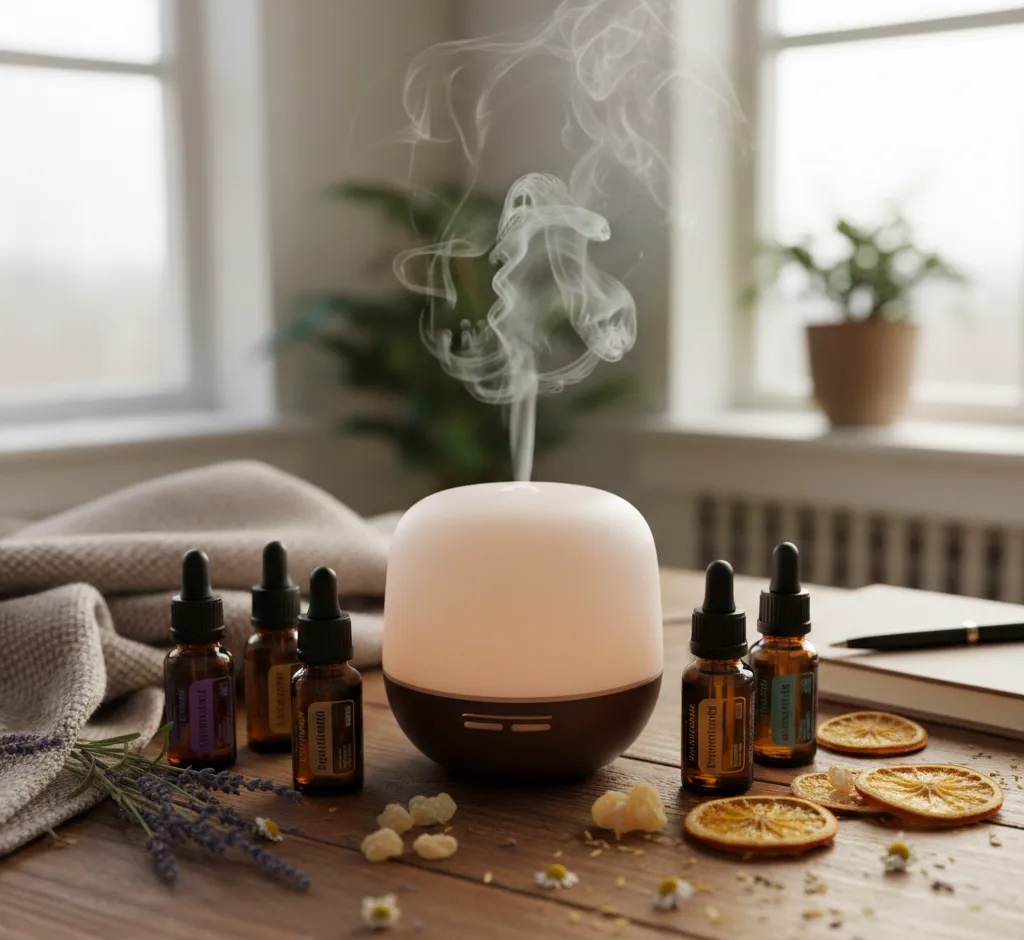
Diffuser
Use an ultrasonic or nebulizing diffuser according to manufacturer instructions.
- Add water (if required) and 3–6 drops of essential oil or a blend.
- Diffuse for 15–30 minutes at a time, then take a break.
- Place the diffuser in a well-ventilated room, away from pets and babies.
Personal inhaler or tissue method
- Add 5–15 drops of essential oil to a blank inhaler wick, then insert into the tube.
- Alternatively, place 1–2 drops on a tissue or cotton pad.
- Hold a few centimeters away from the nose and take slow, deep breaths when you feel stressed.
Personal inhalers are discreet and ideal for use at work, while traveling, or in situations where a diffuser is not practical.
2. Topical Application
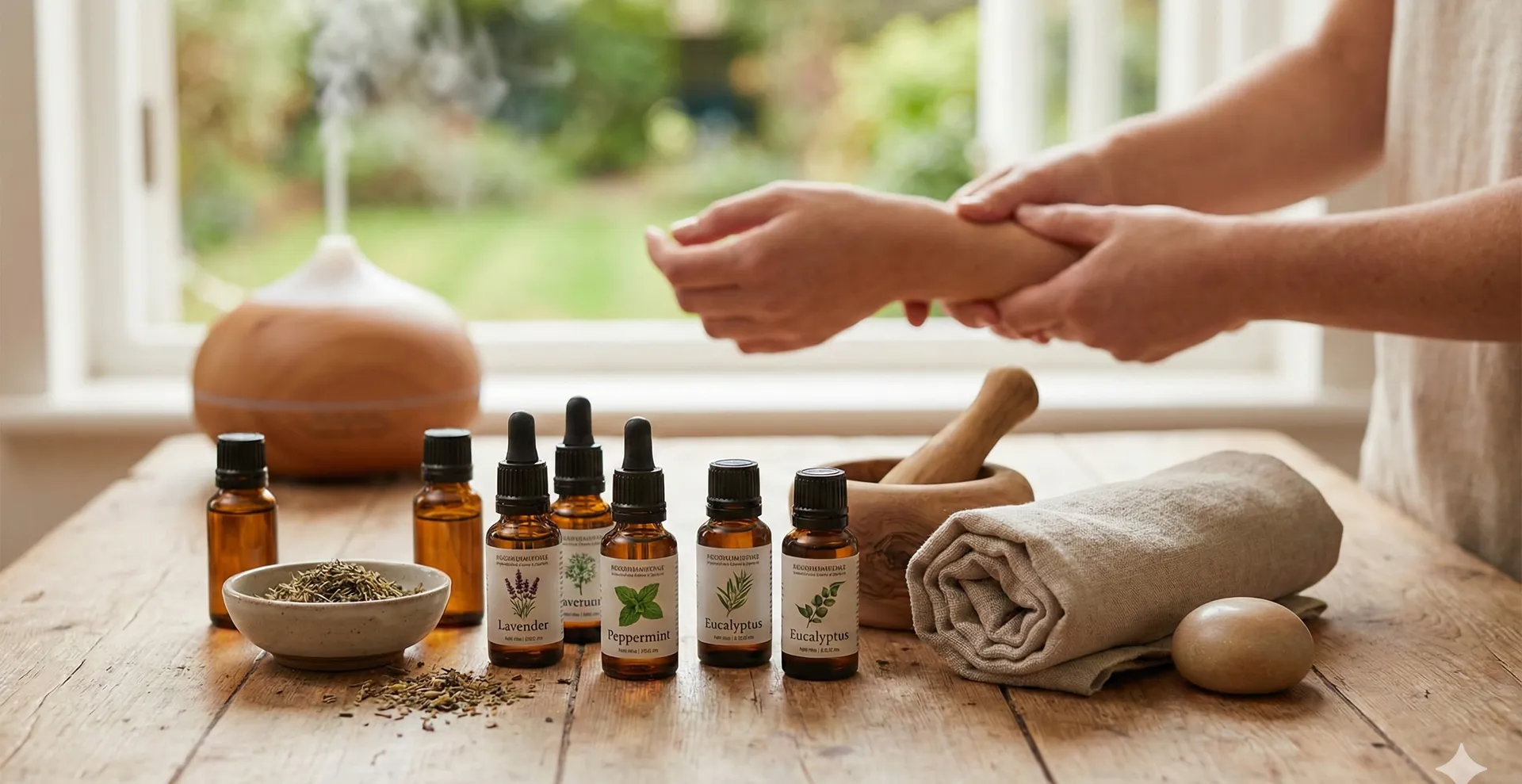
Topical use combines the power of scent with the relaxation of touch. Always dilute essential oils in a carrier oil before putting them on your skin.
Dilution guidelines
- Adults (general use): 1–2% dilution, or about 1–2 drops of essential oil per 5 ml of carrier oil.
- Short-term or localized use: up to 3% dilution, depending on the oil and skin sensitivity.
- Pregnant people, older adults, and those with sensitive skin: stay closer to 0.5–1% unless advised otherwise by a qualified professional.
Relaxing massage blend idea
- 10 ml carrier oil (such as sweet almond, jojoba, or fractionated coconut oil)
- 2 drops lavender
- 1 drop bergamot
- 1 drop frankincense
Massage gently into the shoulders, neck, or feet in the evening while focusing on slow, deep breathing.
3. Calming Baths (Without Ingesting Oils)
A warm bath is a classic way to ease stress, and adding the aroma of essential oils can make the experience even more soothing. However, essential oils should never be added directly to bathwater because they do not disperse in water on their own.
- Always mix 3–6 drops of essential oil with an emulsifier such as a tablespoon of carrier oil, unscented liquid soap, or a dedicated bath base.
- Add the mixture to the running water to help it disperse.
- Soak for 15–20 minutes and focus on calming breathing techniques.
Never ingest essential oils for stress relief unless supervised directly by a qualified professional trained specifically in internal use.
Simple Essential Oil Blends for Stress Relief
You can use single oils or create blends that combine several aromas. Blends can offer a more complex scent profile and a synergistic effect.
1. Calming Evening Diffuser Blend
- 3 drops lavender
- 2 drops sweet orange
- 1 drop frankincense
Diffuse this blend 30–60 minutes before bedtime to help create a peaceful, cozy atmosphere.
2. Uplifting Anti-Stress Daytime Blend
- 3 drops bergamot
- 2 drops lemon
- 1 drop ylang-ylang
Use in a diffuser while working or studying when you want to feel calm yet alert and inspired.
3. Grounding Meditation Blend
- 2 drops frankincense
- 2 drops cedarwood
- 1 drop lavender
Add this blend to a personal inhaler or use it in a diffuser during meditation, journaling, or breathwork to help anchor your awareness.
Integrating Essential Oils into a Daily Stress-Relief Routine
Essential oils work best when they become part of a consistent, mindful self-care ritual. You do not need a complex routine; small, regular practices can make a noticeable difference in how you feel day to day.
Morning: Set the Tone for Your Day
Start your morning with a clear, intentional moment instead of grabbing your phone immediately.
- Diffuse a bright citrus blend while getting ready.
- Take 5 deep breaths with a personal inhaler before leaving home.
- Apply a diluted stress-relief roller blend to your wrists and inhale deeply.
This helps you step into the day feeling more centered and prepared for whatever comes your way.
Midday: Interrupt the Stress Cycle
Stress often builds quietly through the day. Short aromatic breaks can help reset your nervous system.
- Pause for a 2-minute breathing exercise using a calming oil like lavender or chamomile.
- Use a discreet personal inhaler at your desk during tense meetings or deadlines.
- Walk outside if possible and pair movement with inhalation of an uplifting blend.
These micro-breaks can prevent stress from escalating and support more sustainable productivity.
Evening: Wind Down and Prepare for Rest
Evenings are the perfect time to signal to your body and mind that it is safe to slow down.
- Diffuse a relaxing blend in your bedroom 30–45 minutes before sleep.
- Use a diluted massage oil on your shoulders, neck, or feet while practicing mindful breathing.
- Create a technology-free routine that includes gentle stretching, reading, or journaling with a calming aroma in the background.
Over time, your brain can begin to associate specific scents with relaxation, making it easier to transition from stress to rest.
Safety Tips and When to Be Cautious
While essential oils can be wonderful tools for stress relief, they are potent and must be used responsibly. Following a few basic guidelines will help you enjoy their benefits with confidence.
- Do a patch test on a small area of skin with any new oil or blend to check for irritation.
- Keep oils away from eyes, inner ears, and mucous membranes.
- Store essential oils safely out of reach of children and pets, in dark glass bottles away from heat and sunlight.
- Do not ingest essential oils unless you are under the direct guidance of a qualified practitioner with appropriate training.
- Use extra caution during pregnancy, breastfeeding, or if you have chronic health conditions. Consult a healthcare professional or certified aromatherapist when in doubt.
- Be mindful of pets, especially cats and small dogs. Some essential oils are not safe for animals, and diffusing around them should be done with plenty of ventilation and the option for them to leave the room.
If you experience headaches, dizziness, nausea, skin redness, or breathing discomfort while using essential oils, stop use immediately and ventilate the room. If symptoms persist, seek medical advice.
Essential Oils as Part of a Holistic Stress-Management Plan
Essential oils for stress relief are most effective when they support a holistic approach to wellbeing. They work best alongside other healthy habits that build resilience and emotional balance.
- Mind-body practices like yoga, tai chi, or meditation can be enhanced by diffusing calming oils during practice.
- Regular movement and exercise help regulate stress hormones and improve mood; a post-workout lavender bath can deepen relaxation.
- Healthy sleep hygiene supports emotional stability; pairing a consistent bedtime with a gentle aroma trains your body to rest more easily.
- Balanced nutrition and hydration provide the foundation for a calmer nervous system.
- Professional support from a therapist, coach, or healthcare provider can address deeper issues that essential oils alone cannot resolve.
Think of essential oils as one piece of a larger toolkit: they can comfort, soothe, and support you while you build sustainable habits and coping skills for long-term stress management.
Final Thoughts
Essential oils for stress relief offer a sensory, enjoyable way to care for your emotional wellbeing. From the classic calm of lavender to the uplifting brightness of bergamot and the deep grounding of frankincense, there is a wide range of aromas to explore. By using them safely, blending them thoughtfully, and weaving them into daily rituals, you can create personal moments of calm even in a busy life.
Always remember that while essential oils can help you feel more at ease, they are not a substitute for professional care when stress becomes overwhelming or interferes significantly with your daily functioning. When used as part of a holistic self-care routine, however, they can become a powerful ally in your journey toward balance, resilience, and inner peace.