Essential Oils in the Cosmetics Industry: Benefits, Risks, and Best Practices
Discover how essential oils are used in the cosmetics industry: key benefits for skin and hair, potential risks and allergies, safety regulations, and best practices for formulators and consumers.
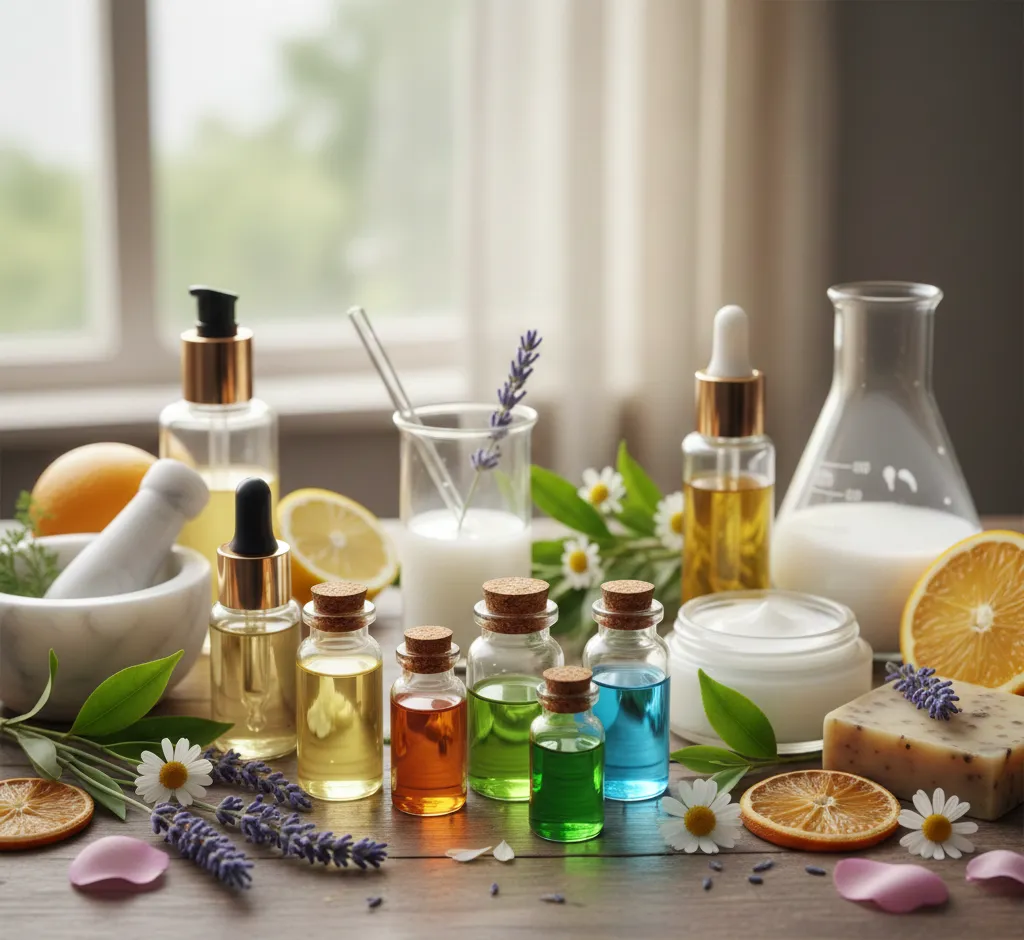
Essential oils have become one of the most talked‑about ingredients in modern cosmetics. From facial serums and body lotions to shampoos and perfumes, these highly concentrated plant extracts promise natural fragrance, targeted skincare benefits, and a more holistic beauty experience. However, their potency also means they must be used with knowledge and care.
This article explores how essential oils are used in the cosmetics industry, their key benefits and risks, regulatory considerations, and best formulation and usage practices for safe and effective skincare. It is intended for both beauty professionals and informed consumers who want to understand what really lies behind the label.
What Are Essential Oils?
Essential oils are volatile, aromatic compounds extracted from plants through processes such as steam distillation, cold pressing, or solvent extraction. They capture the characteristic fragrance and some of the active constituents of flowers, leaves, bark, roots, fruits, or resins.
In cosmetics, essential oils are generally used in very low concentrations, usually diluted in plant oils, creams, gels, or surfactant bases. They contribute both aroma and functional benefits, such as soothing irritated skin, supporting barrier function, or providing an invigorating sensory experience.
Extraction methods and quality
The extraction method strongly affects the composition and quality of an essential oil:
- Steam distillation – the most common method, used for lavender, eucalyptus, tea tree, rosemary, and many others. It produces relatively stable oils suitable for most cosmetic applications.
- Cold pressing – primarily used for citrus peels (e.g., sweet orange, lemon, bergamot). These oils are rich in fragrance but tend to oxidize faster and may contain photosensitizing compounds.
- Solvent extraction and CO2 extraction – used for delicate flowers like jasmine or rose. The resulting absolutes or CO2 extracts are highly aromatic and often more expensive.
High‑quality essential oils for cosmetics must be pure, correctly identified botanically (genus, species, chemotype), and accompanied by safety data. Adulterated or low‑grade oils may increase the risk of irritation or lead to unstable formulations.
Why the Cosmetics Industry Uses Essential Oils
Brands turn to essential oils not only for their natural origin, but also because they can replace or complement synthetic fragrances and add marketing value to “clean beauty” and “aromatherapy” products. At the same time, many essential oils contain bioactive components that can support skin and hair health when used appropriately.
Key benefits in cosmetic formulations
- Naturally derived fragrance. Essential oils provide rich, complex aromas that are hard to replicate purely with synthetic fragrance compounds. This is a major reason they are used in perfumes, creams, and body products.
- Functional skincare benefits. Certain essential oils exhibit soothing, balancing, or invigorating properties that can complement a formulation’s main active ingredients.
- Marketing and storytelling. Plant‑based ingredients with recognizable names (like lavender, chamomile, or rose) help brands communicate natural, holistic, and sensorial benefits to consumers.
- Aromatherapy synergy. In products such as bath oils, massage blends, and spa cosmetics, essential oils can support mood and relaxation, enhancing the overall user experience.
Common essential oils in cosmetics and their typical roles
- Lavender (Lavandula angustifolia) – valued for its soft floral scent and perceived calming properties. Often used in face creams, body lotions, and sleep‑enhancing products.
- Tea tree (Melaleuca alternifolia) – frequently included in blemish‑prone skin care, scalp care, and cleansing products due to its purifying reputation.
- Chamomile (Matricaria recutita or Anthemis nobilis) – used in products for sensitive or irritated skin, baby care cosmetics, and after‑sun formulas.
- Rose (Rosa damascena, Rosa centifolia) – prized in premium skin care and perfumery for its luxurious aroma and association with hydration and balance.
- Geranium (Pelargonium graveolens) – popular in facial oils and toners targeted at combination or mature skin, thanks to its balancing scent and traditional use.
- Citrus oils (orange, lemon, grapefruit, bergamot) – contribute bright, uplifting fragrance tones to shower gels, body scrubs, and hair products.
Essential Oils and Skin: Benefits and Mechanisms
Essential oils are composed of dozens, sometimes hundreds, of individual chemical constituents. These include terpenes, alcohols, esters, aldehydes, phenols, and ketones. In well‑designed cosmetic formulations, these molecules can support the overall performance of a product, often in a complementary way to other active ingredients.
Soothing and balancing effects
Some essential oils are traditionally used to support the skin’s barrier and to reduce feelings of discomfort.
- Lavender and chamomile are often included in products designed for delicate, stressed, or easily irritated skin. While they should never replace clinically proven actives for severe conditions, they can be part of a gentle, comforting routine.
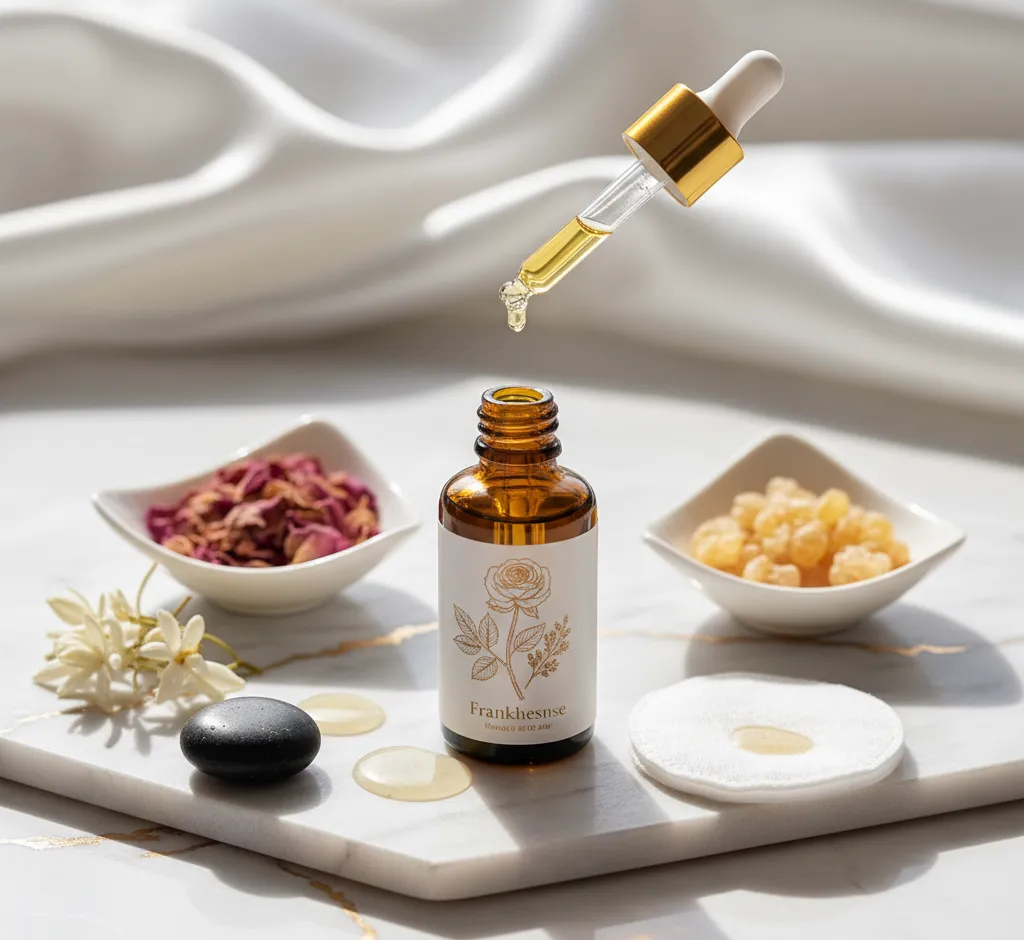
- Frankincense and sandalwood are sometimes used in mature skin products, where their aromatic profiles and traditional uses align with concepts of nourishment and balance.
Clarifying and purifying support
Certain essential oils are associated with clearer‑looking skin and scalp.
- Tea tree appears in many anti‑blemish spot treatments, cleansers, and scalp tonics geared toward oilier or more congested skin types.
- Rosemary and peppermint are often used in hair and scalp products for a fresh sensation and to help maintain a clean‑feeling scalp environment.
Antioxidant potential
Some essential oil constituents exhibit antioxidant properties in vitro, meaning they may help neutralize certain free radicals at a molecular level. For example, components of rosemary, clove, and citrus oils have been studied for their antioxidant capacity.
In cosmetic products, this antioxidant activity can contribute to product stability and, in some cases, may complement other antioxidant ingredients (like vitamin C or E) to support skin exposed to environmental stressors. However, the concentration of essential oils is typically low, so they are rarely the primary antioxidant system in a formula.
Risks, Irritation, and Allergies
Despite their natural origin, essential oils are not automatically safe for everyone. Their high concentration of reactive molecules means they can cause adverse reactions if used incorrectly, at excessive doses, or on sensitive individuals.
Potential adverse reactions
- Irritant contact dermatitis. Some essential oils can directly irritate the skin, especially in high concentrations or when applied undiluted. Symptoms may include redness, burning, and stinging.
- Allergic contact dermatitis. Sensitization occurs when the immune system reacts to a specific component. Once sensitized, even very small amounts can trigger eczema‑like reactions.
- Photosensitivity. Certain citrus oils, particularly expressed bergamot and some other cold‑pressed citrus oils, can increase the skin’s sensitivity to UV radiation, leading to burns or hyperpigmentation if followed by sun exposure.
- Respiratory and systemic effects. Inhalation of very high concentrations or misuse of diffusers in enclosed spaces can cause headaches, nausea, or respiratory discomfort in some individuals.
High‑risk essential oils in cosmetics
Not all essential oils are equally suitable for leave‑on skin products. Some are generally avoided or heavily restricted due to their higher risk profile, for example:
- Strongly sensitizing oils (certain cinnamon, clove, or oregano oils), which are more commonly used in very low concentrations or avoided in facial products.
- Phototoxic citrus oils (e.g., some lemon, lime, and bergamot oils) if not specifically processed to remove photosensitizing compounds.
- Oils with neurotoxic or other concerning constituents if used incorrectly or in vulnerable populations (such as infants or pregnant individuals).
This is why experienced formulators follow detailed safety guidelines rather than relying on general “natural” claims.
Regulation of Essential Oils in Cosmetics
Within cosmetic products, essential oils are regulated as cosmetic ingredients rather than as medicines or foods. Brands must ensure that the finished product is safe for its intended use and that all claims are truthful, not misleading, and supported by evidence.
International guidelines and standards
Different regions apply their own regulatory frameworks, but there are common principles that impact the use of essential oils:
- Ingredient restrictions. Certain constituents found in essential oils (for example, some allergenic fragrance components) have maximum allowed levels in cosmetics, especially in leave‑on products.
- Allergen labelling. In many jurisdictions, specific fragrance allergens must be clearly listed on the product label when present over defined thresholds.
- Safety assessments. Professional cosmetic safety assessors evaluate essential oil concentrations, product type, application area, and user population to determine whether a formula is safe.
Reputable manufacturers rely on detailed safety standards from organizations such as the International Fragrance Association (IFRA), as well as regional cosmetic regulations, to determine acceptable usage levels.
Claims and compliance
Cosmetic claims around essential oils must avoid suggesting that a product treats or cures medical conditions. While a cream can claim to “soothe the feel of dry skin” or “provide a calming scent,” it cannot be marketed as a drug without meeting strict medicinal regulations.
Best Practices for Formulating with Essential Oils
For brands and formulators, the challenge is to harness the benefits of essential oils while minimizing risks. This requires thoughtful ingredient selection, appropriate dosage, and rigorous stability and safety testing.
Recommended usage levels
Usage levels vary depending on the oil, product type, and application area. While exact limits are product‑specific and must be determined by a safety assessor, a few general principles apply:
- Facial leave‑on products (serums, creams, oils) often contain relatively low total essential oil content, commonly around 0.1–1%, depending on the specific oils and target consumer.
- Body products (lotions, butters, massage oils) may allow slightly higher levels, but still must respect safety limits and avoid excessive fragrance load.
- Rinse‑off products (cleansers, shampoos, body washes) can sometimes use somewhat higher concentrations because contact time with the skin is shorter.
Each essential oil has its own safety profile, so generic percentages are only starting points. A detailed assessment is needed for production‑level formulations.
Dilution and solubility
Because essential oils are lipophilic, they must be properly dispersed:
- In oil‑based products, such as balms or oils, essential oils are typically blended into carrier oils (like jojoba, sweet almond, or fractionated coconut oil).
- In emulsions (creams and lotions), they are solubilized in the oil phase and stabilized with appropriate emulsifiers and antioxidants.
- In water‑based formats (toners, mists), special solubilizers or emulsifiers are required to ensure even distribution and reduce the risk of droplets sitting directly on the skin.
Improper mixing can cause localized high concentrations on the skin, increasing the chance of irritation.
Oxidation and stability
Essential oils can degrade over time, especially when exposed to heat, light, and air. Oxidized oils may lose their pleasant aroma and become more irritating.
- Formulators often use antioxidants (such as vitamin E) to support stability.
- Packaging choices, such as air‑tight pumps and opaque containers, help protect the formula.
- Shorter shelf lives or “use within” recommendations can also be part of a responsible product strategy.
Consumer Tips for Using Essential Oil Cosmetics
Consumers increasingly seek out essential‑oil‑based products, but it is important to use them wisely. A few simple habits can enhance both enjoyment and safety.
Reading labels carefully
On cosmetic labels, essential oils may appear under their common names, Latin botanical names, or as part of “parfum/aroma” disclosures. For those with sensitive skin or allergies, checking the list of fragrance allergens is especially important.
- Look for clear information about which essential oils are included.
- Pay attention to whether the product is intended for the face, body, or hair, and whether it is rinse‑off or leave‑on.
- If you have a history of allergies, consult a dermatologist or allergist before introducing multiple new scented products at once.
Patch testing new products
Before applying a new essential‑oil‑containing cosmetic widely, a simple patch test can help identify potential reactions.
- Apply a small amount of the product to a discreet area of skin (such as the inner forearm).
- Leave it on as directed and avoid washing the area for at least 24 hours.
- If redness, itching, or burning occurs, discontinue use and, if needed, seek professional advice.
Sun exposure and citrus oils
When using products containing certain citrus essential oils, especially on exposed skin, it is wise to follow sun‑safety practices:
- Use broad‑spectrum sunscreen during the day.
- Avoid applying potentially phototoxic oils before extended direct sun exposure, unless they are known to be specially processed to remove photosensitizers.
- Follow the manufacturer’s instructions and warnings regarding sun exposure.
Special populations
Extra caution is recommended for infants, young children, pregnant individuals, and people with chronic skin conditions. Products aimed at these groups usually undergo particularly careful safety review and avoid certain essential oils altogether.
Trends and Innovations in Essential Oil Cosmetics
The integration of essential oils into cosmetics continues to evolve. Modern consumers expect not only pleasant scents and natural origin, but also transparency, scientific support, and sustainability.
Clean beauty and transparency
Brands are increasingly sharing detailed information about the origin and purity of essential oils in their products. This may include:
- Botanical species and part of the plant used.
- Geographical origin and harvesting practices.
- Information about testing for purity and contaminants.
Such transparency helps consumers make informed decisions and supports trust in natural formulations.
Sustainability and sourcing
Demand for certain essential oils can put pressure on ecosystems and local communities. Responsible brands are focusing on:
- Sustainable harvesting to avoid overexploitation of wild plants.
- Fair trade relationships that support farmers and producers.
- Alternative ingredients or synthetic nature‑identical molecules where natural supply is limited or threatened.
In this context, sustainability is not only an ethical consideration but also a long‑term business necessity.
Advanced formulation strategies
Modern cosmetic science increasingly combines essential oils with other evidence‑based ingredients. Rather than relying on essential oils alone, formulators design multi‑functional products where each component has a specific role.
- Essential oils may provide fragrance and sensory benefits while peptides, ceramides, or vitamins deliver targeted skincare actions.
- Encapsulation technologies can help protect volatile constituents and modulate their release on the skin, optimizing both aroma and tolerability.
- Data‑driven testing helps refine ideal concentrations that balance enjoyment with low irritation potential.
Conclusion: Powerful, Natural, and Best Used Wisely
Essential oils offer the cosmetics industry a rich palette of natural fragrances and supportive benefits for skin and hair care, as well as a strong emotional connection through scent. When used responsibly, they can enhance both the performance and pleasure of everyday beauty routines.
At the same time, their potency demands respect. Safe use depends on appropriate dilutions, careful ingredient selection, robust safety assessments, and clear communication with consumers. For skincare enthusiasts, choosing products from reputable brands, reading labels, and patch testing new items can help ensure that essential‑oil‑based cosmetics remain a positive and enjoyable part of a healthy routine.
In short, essential oils are powerful allies in modern cosmetics—but like all powerful tools, they deliver their best results when guided by knowledge, science, and care.