Flavoring Food with Essential Oils: Safe, Tasty and Aromatic Cooking at Home
Learn how to flavor food with essential oils safely and deliciously. Discover the best culinary essential oils, proper dilution, dosing tips, recipe ideas and key safety rules for aromatic cooking at home.
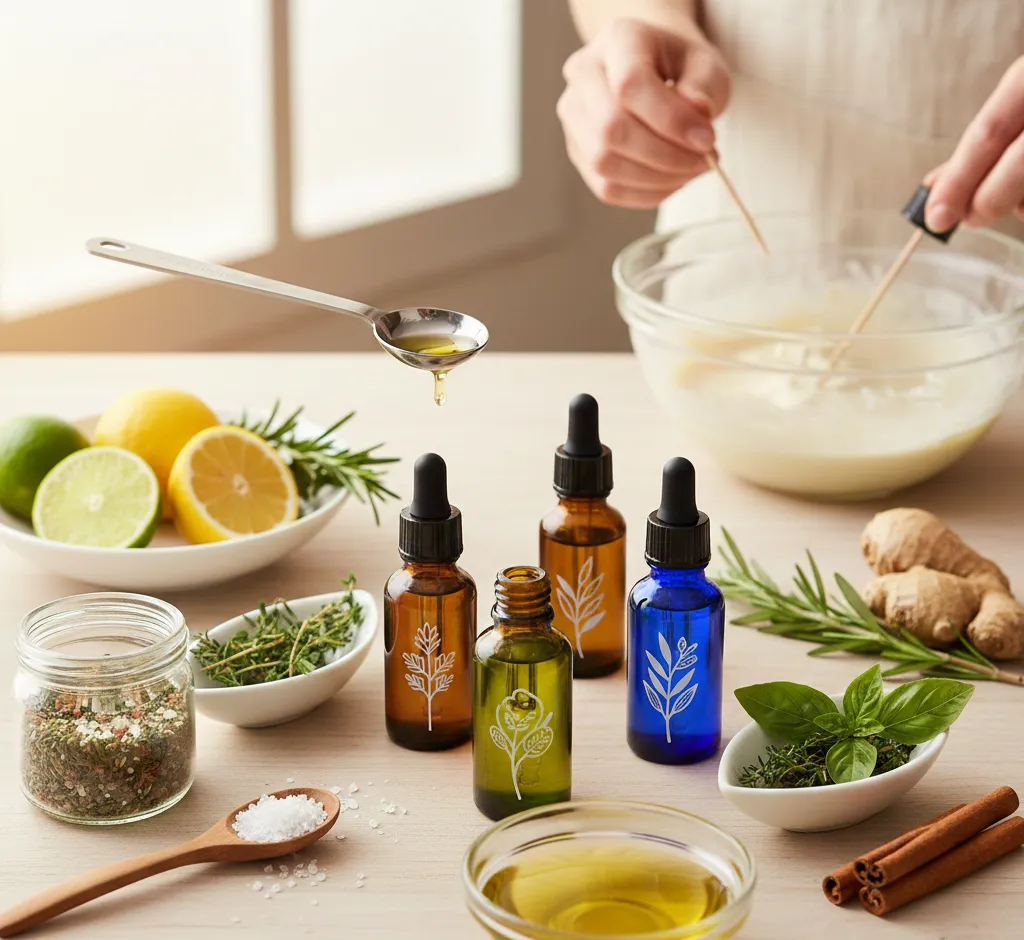
Using essential oils in the kitchen is becoming increasingly popular among home cooks and wellness enthusiasts. Concentrated plant essences can add vibrant flavor, appealing aroma and even potential wellness benefits to drinks, desserts and savory dishes. However, essential oils are extremely potent, and using them in food requires knowledge, care and respect for safety rules.
This guide explains how to flavor food with essential oils safely and deliciously. You will learn which oils are most suitable for culinary use, how to dose them correctly, which dilution methods work best, and what to avoid so that your experiments bring only enjoyment.
What Are Culinary Essential Oils?
Essential oils are highly concentrated, volatile aromatic compounds extracted from plants: leaves, flowers, bark, roots, seeds or fruit peel. In the culinary context, they are used as intense natural flavorings that can substitute or complement fresh herbs and spices.
Unlike standard liquid flavorings, pure essential oils are much stronger. One drop of a citrus essential oil can correspond to the zest of a whole fruit in terms of aroma intensity. Because of this, these products must be dosed with great precision and always diluted before consumption.
Not All Essential Oils Are Safe to Eat
Many essential oils are intended only for external or aromatic use (for example, in diffusers or cosmetics) and are not suitable for internal use. Some can irritate mucous membranes, others can be toxic to the liver or nervous system, especially in larger amounts or when used for a prolonged time.
For culinary purposes, always choose oils that are:
- Labeled as food grade, or clearly marked as suitable for internal use according to reputable standards.
- 100% pure, without synthetic additives, solvents or undisclosed ingredients.
- Provided with clear usage directions and warnings from the manufacturer.
If the label does not explicitly indicate that the oil can be used internally, treat it as unsuitable for food.
Safety Rules When Cooking with Essential Oils
Because essential oils are so concentrated, safety comes first. Observing a few important rules will help prevent irritation, allergic reactions and unwanted side effects.
1. Always Dilute Essential Oils
Pure essential oils must never be swallowed directly or added to food undiluted. Before contact with the mouth or digestive tract, they should be mixed with a carrier:
- Fats: high-quality vegetable oils (olive, coconut, avocado), butter or ghee, cream, nut butters.
- Sugars and sweeteners: honey, agave syrup, maple syrup, sugar syrups.
- Salt: table salt or sea salt works as a good base for flavored seasoning blends.
- Dry ingredients: starch, baking mixes, tea blends, ground spices.
First, add essential oil to a small amount of carrier and mix thoroughly. Then incorporate this aromatic mix into the whole dish. This ensures even dispersion and reduces the risk of ingesting a concentrated droplet.
2. Use the Smallest Possible Amount
When cooking with essential oils, the principle is simple: less is more. In most recipes, you will need only 1–3 drops for the entire dish or batch. When trying a new oil or recipe, always start with the minimum amount and adjust next time if needed.
A practical trick is to use the toothpick method:
- Dip the tip of a clean toothpick into the essential oil bottle.
- Stir that toothpick through the batter, sauce or drink.
- Taste and only then decide whether to add more intensity.
This approach helps especially with strong oils like oregano, thyme, cinnamon or clove, where a full drop may already be too much.
3. Be Aware of Individual Sensitivities
Each person reacts differently to aromatic substances. Some essential oils can irritate the digestive tract or trigger allergic symptoms in sensitive people. When serving food with essential oils:
- Always inform guests that the dish contains essential oils.
- Avoid using them in children’s meals, especially for children under 6 years old, unless advised otherwise by a qualified healthcare professional.
- Pregnant and breastfeeding individuals, as well as people with chronic illnesses or those taking medication, should consult a professional before regular internal use of essential oils.
If any burning, discomfort, dizziness or nausea occurs after consumption, discontinue use and seek medical advice if needed.
4. Respect Maximum Daily Amounts
Essential oils are not meant to be ingested in large quantities or on a continuous daily basis without guidance. Treat them as occasional culinary accents, not as a primary source of nutrients or a health supplement. For regular wellness support, whole herbs, teas, spices and fresh foods are safer and more balanced options.
Best Essential Oils for Culinary Use
Certain essential oils pair naturally with food and mimic familiar herbs, spices and fruits. Below are some of the most popular options for safe and delicious flavoring.
Citrus Essential Oils
Citrus oils are among the most versatile and forgiving in the kitchen. They add freshness, brightness and a pleasantly clean aroma.
- Lemon oil: Great in cakes, muffins, frostings, salad dressings, marinades for fish and chicken, herbal teas and sparkling water.
- Orange or sweet orange oil: Perfect for chocolate desserts, brownies, cookies, breakfast oats, smoothies and festive drinks.
- Lime oil: Works well with Mexican-style dishes, guacamole, marinades for seafood, cocktails and fruit salads.
- Grapefruit oil: Adds tart bitterness to dressings, sorbets, flavored waters and yogurt bowls.
Use 1 drop per portion of the entire dish or even less. For baking, combine citrus oils with zest for a richer, more complex flavor profile.
Herbal and Leafy Essential Oils
Herbal oils reproduce the aroma of fresh herbs and often withstand gentle heating in sauces and baked dishes.
- Basil oil: Combines well with tomato sauces, pesto-style spreads, salad dressings and Mediterranean dishes.
- Oregano oil: Extremely strong; use the toothpick method. Enhances pizzas, Italian sauces and roasted vegetables.
- Thyme or rosemary oil: Good for roasted potatoes, baked meats, soups, stews and homemade bread.
- Mint or peppermint oil: Adds cool freshness to desserts, hot chocolate, teas, lemonades and fruit salads.
Herbal oils tend to dominate, so always test combinations in small batches before serving to a crowd.
Spicy and Warming Essential Oils
Some essential oils mimic popular warm spices used in baking and seasonal drinks.
- Cinnamon bark or leaf oil: Very intense and potentially irritating in larger amounts. Use sparingly in baked goods, porridges, mulled juice and festive drinks.
- Clove oil: Adds depth to gingerbread, mulled wine–style beverages, chutneys and marinades for red meats. A tiny quantity is enough.
- Ginger oil: Great for cookies, Asian-inspired marinades, warming teas and stir-fries.
- Cardamom oil: Elegant addition to coffee drinks, sweet breads, rice puddings and Middle Eastern–style desserts.
Because these oils can irritate mucous membranes, they must be well diluted and rarely used at more than 1 drop per full recipe.
Floral and Exotic Essential Oils
Some floral or exotic essential oils can add a sophisticated, gourmet touch when used correctly.
- Lavender oil: Matches beautifully with honey, lemon and berries in cookies, ice cream, syrups and herbal teas.
- Rose oil (food grade): Used in very small amounts in Middle Eastern sweets, creams and syrups.
- Ylang-ylang or jasmine (if labeled food grade): Occasionally used by professional chefs in tiny amounts for experimental desserts and drinks.
Floral oils can quickly become perfume-like and overpowering, so always pre-test in micro portions and never exceed the lowest effective amount.
How to Add Essential Oils to Different Types of Dishes
Success with culinary essential oils depends not only on which oils you use but also on how and when you add them to food. Temperature, fat content and cooking time all play a role.
Beverages: Water, Teas and Cocktails
Beverages are one of the easiest ways to enjoy essential oil flavors, but also where overdosing is most common. To avoid irritation, never drip essential oil directly into plain water and drink it.
Instead, use this safer approach:
- Mix 1 drop of essential oil with 1 teaspoon of honey, syrup or plant oil.
- Stir this mixture into a larger jug of water, tea or lemonade (at least 500–1000 ml).
- Taste and adjust with more plain liquid if the flavor is too strong.
In cocktails and mocktails, combine essential oils with syrups or bitters, then add to the drink. Citrus and mint oils are especially well suited here.
Baked Goods and Desserts
Essential oils work beautifully in cakes, muffins, cookies, frostings and raw desserts. Heat can evaporate part of the aroma, but usually enough remains to give a clear taste.
General guidelines:
- First mix the essential oil with a fat component (butter, coconut oil, cream) or sugar and only then add to the batter.
- For a standard cake or muffin recipe, 2–4 drops of citrus or mild spice oil are usually sufficient.
- For raw desserts (like cheesecakes or energy balls), begin with 1–2 drops because nothing evaporates during cooking.
- For frostings, glazes and creams, add the oil at the end, taste, and increase drop by drop only if needed.
Citrus, vanilla-like blends, peppermint, lavender, cinnamon and ginger are classic dessert choices.
Main Dishes, Sauces and Marinades
Essential oils can elevate savory dishes by enhancing existing herbs and spices. They are especially effective in marinades, salad dressings and finishing sauces.
- Marinades: Mix 1–3 drops of essential oil with olive oil, citrus juice, garlic and herbs. Use for fish, chicken or vegetables. Allow enough time for flavors to meld.
- Salad dressings: Add citrus, basil or oregano oil (1 drop per several servings) to vinaigrette made from oil, vinegar and mustard.
- Soups and stews: Add herbal essential oil right at the end of cooking, off the heat, to preserve aroma. Stir well and let sit for a few minutes before serving.
Remember that savory dishes usually have complex flavor layers, so essential oils should complement, not dominate, the taste profile.
Homemade Seasoning Blends and Salts
One of the most practical ways to use essential oils is to prepare aromatic salts, sugars or spice blends in advance. This makes dosing easier and reduces the risk of overuse.
For example, to make lemon herb salt:
- In a small bowl, mix 100 g of coarse salt with dried herbs (thyme, rosemary, oregano).
- Add 3–5 drops of lemon essential oil, stirring constantly to distribute evenly.
- Spread the salt in a thin layer and let it dry in an airy place for several hours.
- Store in an airtight jar and use as a finishing salt for fish, vegetables and salads.
Similar methods work for vanilla sugar, orange sugar, chai-style spice blends and many other aromatic condiments.
Three Simple Recipe Ideas with Essential Oils
The following examples show how a tiny amount of essential oil can transform everyday recipes into something special.
1. Refreshing Citrus Lemonade with Essential Oils
This lemonade is ideal for hot days and parties. Essential oils add a clear citrus aroma that feels more intense than juice alone.
- 1 liter still or sparkling water
- 150 ml fresh lemon juice
- 3–4 tablespoons honey or other liquid sweetener
- 1 drop lemon essential oil (food grade)
- Optional: 1 drop orange or lime essential oil
First, combine the honey with the essential oils and mix thoroughly. Add lemon juice, then pour in the water and stir well. Taste and adjust the sweetness or acidity. Serve with ice and fresh lemon slices.
2. Chocolate Mint Energy Balls
These no-bake snacks use peppermint essential oil for a refreshing twist.
- 200 g pitted dates
- 80 g nuts (almonds, walnuts or hazelnuts)
- 2 tablespoons cocoa powder
- 1–2 teaspoons coconut oil
- 1 drop peppermint essential oil (food grade)
Blend the nuts in a food processor until finely ground. Add dates, cocoa and coconut oil, and process until a sticky dough forms. Mix peppermint oil into the dough, pulse again and taste. If the mint flavor is strong enough, form small balls and chill in the refrigerator.
3. Herb-Infused Olive Oil for Bread and Salads
This flavored oil works both as a dip for bread and as a base for simple dressings.
- 250 ml extra virgin olive oil
- 1 drop basil essential oil
- 1 drop rosemary essential oil
- Optional: dried thyme, chili flakes, crushed garlic
Pour the olive oil into a clean glass bottle or jar. Add essential oils and optional dried herbs or spices. Close the container and shake gently. Let sit for at least 24 hours to allow the flavors to blend. Use within a few weeks and store away from direct sunlight.
Quality, Storage and Shelf Life
The quality of essential oils makes a big difference, both in terms of flavor and safety. Choose suppliers who provide transparency about plant origin, extraction methods and purity testing. Organic certification can be an advantage, especially for citrus oils that come from the peel.
Store essential oils:
- In dark glass bottles, tightly closed.
- Away from heat sources and direct sunlight.
- Out of reach of children and pets.
Over time, essential oils can oxidize and lose their aromatic qualities or become more irritating to skin and mucous membranes. Respect the recommended shelf life indicated by the manufacturer and avoid using old or rancid-smelling oils in food.
Frequently Asked Questions About Flavoring Food with Essential Oils
Can any essential oil be used in food?
No. Only oils explicitly labeled as suitable for internal use or food grade should be considered for culinary applications. Many aromatic oils sold for cosmetics or home fragrance are not safe to eat.
Is it healthier to use essential oils instead of fresh herbs?
Essential oils do not replace whole foods. They lack fiber and many nutrients found in fresh herbs and spices. Think of them as aromatic accents rather than a healthier alternative. For everyday cooking, fresh or dried herbs remain fundamental.
Can essential oils help preserve food?
Some essential oils, such as oregano or thyme, have antimicrobial properties and can slow spoilage under certain conditions. However, they are not a reliable method for food preservation at home. Always follow standard food safety rules for refrigeration, canning and storage.
How to know if the flavor is too strong?
When using essential oils, aim for a gentle, balanced aroma that supports other ingredients. If the dish smells perfume-like, burns slightly in the mouth or masks all other flavors, the dose is too high. Next time, cut down to half or even a quarter of the previous amount.
Final Thoughts
Flavoring food with essential oils opens up exciting possibilities in the kitchen. With just a drop or two, everyday recipes become brighter, fresher and more aromatic. However, the same potency that makes essential oils so appealing also demands responsibility.
By choosing food-grade products, diluting properly, respecting low dosages and paying attention to individual sensitivities, essential oils can become a safe and inspiring tool in your culinary toolbox. Start with simple recipes, experiment patiently and let the aromas guide your creativity—always with safety and moderation as your compass.