Garden Protection with Essential Oils: A Natural Way to Repel Pests and Support Plant Health
Discover how to protect your garden naturally with essential oils. Learn the best oils for pest control, DIY spray recipes, safe application tips, and how to integrate them into an organic garden care routine.
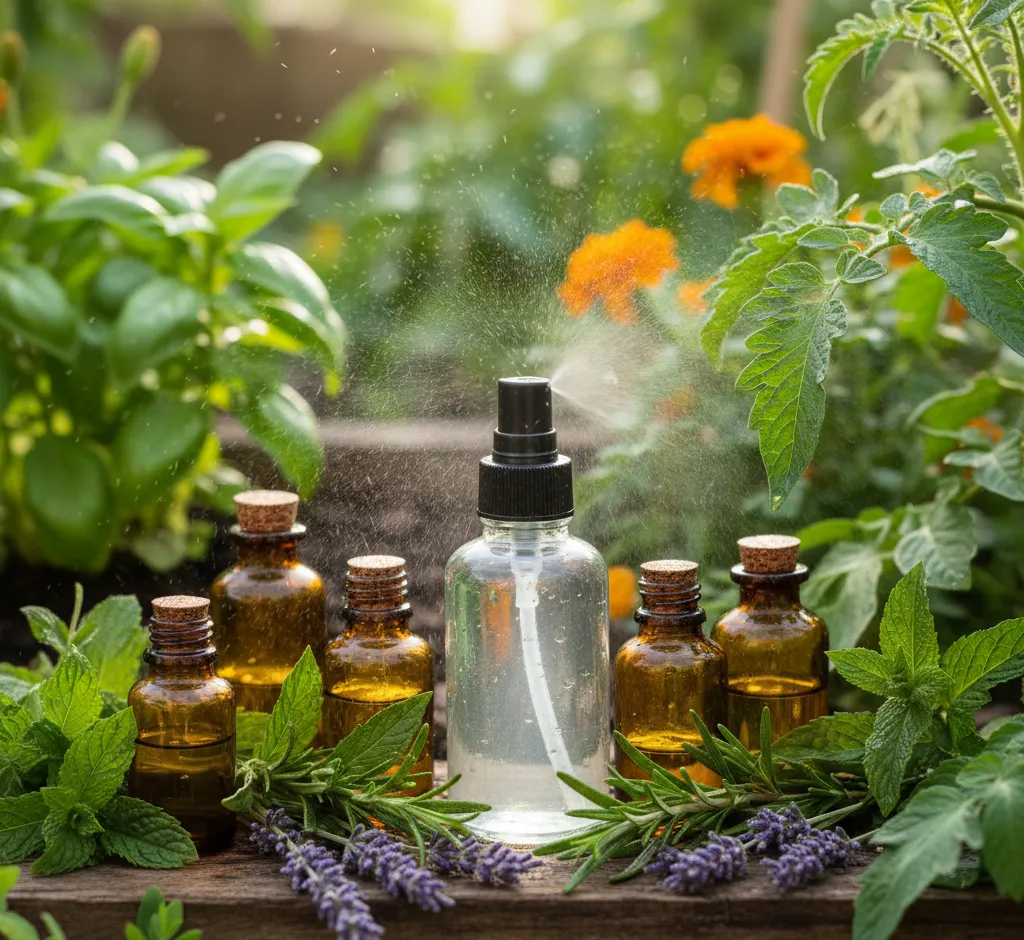
Essential oils offer a powerful, natural way to protect your garden from pests, fungi, and diseases without relying on harsh chemicals. When used correctly, they can help create a healthier ecosystem, support beneficial insects, and keep your plants thriving throughout the growing season.
This guide explains how to use essential oils safely and effectively in your garden, which oils work best for common problems, and how to mix and apply them for maximum results.
Why Use Essential Oils in the Garden?
Essential oils are concentrated plant extracts that contain volatile compounds responsible for a plant’s aroma and many of its defense mechanisms. In the garden, these same compounds can help:
- Repel common pests such as aphids, whiteflies, beetles, and mosquitoes.
- Discourage fungal diseases including powdery mildew and some molds.
- Mask plant scents, making it harder for harmful insects to locate your crops.
- Support beneficial insects like bees and ladybugs when used thoughtfully.
- Reduce chemical use and help build a more sustainable, organic garden system.
Because essential oils are highly concentrated, only small amounts are needed to have an effect. However, this strength also means they must be diluted and used correctly to avoid damaging plants or beneficial organisms.
Safety First: Best Practices for Using Essential Oils Outdoors
Before applying any essential oils in your garden, it is important to follow basic safety guidelines. Misuse can burn leaves, harm beneficial insects, or irritate skin and eyes.
Dilution Guidelines
Never apply undiluted essential oils directly to plants. Always mix with water and a mild emulsifier (such as a small amount of gentle liquid soap or horticultural soap) so the oils disperse evenly.
- General foliar spray: 10–20 drops of essential oil per 1 liter of water, plus a few drops of mild liquid soap.
- Stronger spot treatment: Up to 30 drops per 1 liter of water for localized pest issues, applied carefully and sparingly.
- Soil drench: Use a weaker mix, about 5–10 drops per 1 liter of water, and test on a small area first.
Always shake the solution well before and during application, because oil and water naturally separate.
Patch Testing on Plants
Some plants are more sensitive than others. To protect your garden:
- Spray the diluted solution on a small section of the plant first.
- Wait 24–48 hours and observe for leaf burn, discoloration, or wilting.
- If no damage appears, you can safely treat the rest of the plant.
Application Timing and Conditions
Essential oil sprays are best applied during cooler parts of the day:
- Spray early in the morning or late in the afternoon to reduce sunburn risk.
- Avoid spraying in strong sunlight or high heat, which can intensify leaf burn.
- Do not spray just before rain, as the solution will wash away.
Wear gloves and avoid contact with eyes and mucous membranes. Some essential oils can be irritating to skin or trigger reactions in sensitive individuals.
Top Essential Oils for Garden Pest Control
Different essential oils target different pests and problems. Combining a few oils can create a broader spectrum effect while keeping your formulas simple and manageable.
1. Peppermint Oil
Peppermint essential oil has a strong, cooling scent that many insects dislike. It can help repel:
- Aphids
- Ants
- Spider mites
- Beetles
Use 10–15 drops per liter of water with a few drops of mild soap and spray affected plants, focusing on leaf undersides where pests often hide.
2. Lavender Oil
Lavender essential oil is known for its calming scent to humans, but it can deter many garden pests while being relatively gentle on plants.
- Helps repel moths, fleas, and some beetles.
- Can be used around seating areas to discourage mosquitoes.
- Works well in combination with peppermint or lemon for general protection.
3. Rosemary Oil
Rosemary essential oil is especially useful in vegetable gardens and herb beds.
- Repels cabbage moths and some flying insects.
- Discourages spider mites and aphids on tomatoes, peppers, and brassicas.
- Blends well with thyme or clove oil for stronger formulations.
4. Eucalyptus Oil
Eucalyptus essential oil has a sharp, medicinal aroma that can keep a wide range of pests at bay.
- Effective against flies, mosquitoes, and some beetles.
- Useful around outdoor seating and pathways.
- Should be well diluted, as it can be strong on tender foliage.
5. Tea Tree Oil
Tea tree essential oil (melaleuca) is valued not only for pest control, but also for its antifungal properties.
- Helps fight powdery mildew on cucumbers, squash, roses, and ornamental plants.
- Can support control of some leaf spot issues when used early.
- Should be used at lower concentrations (5–10 drops per liter) and tested on sensitive plants.
6. Citronella and Lemongrass Oils
Citronella and lemongrass essential oils are popular for repelling flying insects around outdoor areas and garden borders.
- Discourage mosquitoes and gnats.
- Can help mask plant scents that attract certain pests.
- Often used in perimeter sprays near patios or garden seating.
7. Clove and Thyme Oils
Clove and thyme essential oils have strong antimicrobial and insect-repelling properties, but need careful dilution.
- May deter slugs, snails, and some chewing insects when sprayed on plant surroundings or barriers.
- Useful in targeted treatments rather than broad, frequent sprays.
- Always test on a small leaf area first, as they can be potent.
DIY Essential Oil Spray Recipes for Garden Protection
Homemade essential oil sprays are simple to prepare and allow customization based on the pests you are facing. Below are practical, garden-tested formulas.
General All-Purpose Garden Spray
This gentle blend works as a preventive spray for many common insect pests.
- 1 liter of water
- 5 drops peppermint essential oil
- 5 drops lavender essential oil
- 5 drops rosemary essential oil
- 5–10 drops mild liquid soap (as an emulsifier)
Instructions:
- Add the soap and essential oils to a spray bottle.
- Fill with water, leaving a small air gap at the top.
- Shake vigorously before each use to distribute the oils.
- Spray the tops and undersides of leaves every 7–10 days as a preventive measure.
Anti-Aphid and Mite Spray
Aphids and spider mites multiply quickly. This stronger blend helps knock down small infestations when caught early.
- 1 liter of water
- 8 drops peppermint essential oil
- 8 drops rosemary essential oil
- 4 drops eucalyptus essential oil
- 10 drops mild liquid soap
Instructions:
- Combine soap and essential oils in a spray bottle, then add water.
- Shake well and test on a few leaves first.
- Spray affected plants in the early morning, focusing on colonies.
- Repeat every 3–5 days until the pest population is under control.
Anti-Fungal Spray for Powdery Mildew
This formula can help manage early stages of powdery mildew on susceptible plants.
- 1 liter of water
- 5 drops tea tree essential oil
- 5 drops lavender essential oil
- 5 drops mild liquid soap
Instructions:
- Mix all ingredients in a spray bottle and shake well.
- Test on a small leaf section for sensitivity.
- Spray once or twice a week on affected foliage, avoiding open flowers.
- Combine with better air circulation and careful watering practices for best results.
Using Essential Oils to Protect Specific Garden Areas
Essential oils can be tailored to different parts of your outdoor space, from vegetable beds to seating areas and pathways.
Vegetable Gardens and Raised Beds
In vegetable gardens, the goal is to protect crops while respecting beneficial insects and soil life.
- Use gentle blends with peppermint, rosemary, or lavender on leafy greens and herbs.
- Avoid spraying directly on flowers to protect pollinators.
- Rotate essential oil formulas every few weeks to reduce pest adaptation.
Spray on calm days to prevent drift, and focus the spray on the leaves and stems where pests are most active rather than the entire garden area.
Ornamental Beds and Roses
Roses and ornamentals are often vulnerable to aphids and fungal problems.
- Use a lavender and peppermint blend for aphids on roses.
- Combine tea tree and lavender in weak dilutions to help manage powdery mildew.
- Test on a few leaves before spraying prized specimens extensively.
Patios, Decks, and Seating Areas
Essential oils are very effective at improving comfort in outdoor living spaces, particularly in warm months when insects are active.
- Use citronella, lemongrass, or eucalyptus sprays on the perimeter of patios and decks.
- Spray on garden furniture surfaces (test first) or around the base of nearby plants, avoiding flowers.
- Refresh sprays every few days, especially after rain or heavy watering.
Integrating Essential Oils with Organic Garden Practices
Essential oils work best as part of a broader organic garden management plan. They are tools, not magic bullets, and combining them with other good practices leads to stronger, healthier plants.
Companion Planting and Habitat Support
Consider combining essential oils with strategic planting:
- Grow aromatic herbs like basil, thyme, rosemary, and mint around beds to naturally repel some pests.
- Plant flowering species like marigolds, calendula, and alyssum to attract beneficial insects.
- Use essential oil sprays sparingly when beneficial insects are most active.
By supporting a balanced ecosystem, you will likely need fewer interventions overall.
Soil Health and Watering
Healthy soil and proper watering reduce plant stress, making them less attractive to pests and disease in the first place.
- Use compost and organic mulches to feed the soil and conserve moisture.
- Avoid over-watering, which encourages fungal diseases and root problems.
- Apply essential oil sprays to foliage, not directly into the soil, unless using a very weak drench for specific issues.
Common Mistakes to Avoid
While essential oils are natural, they are still powerful. Avoid these frequent errors to keep your garden safe.
- Over-concentrated sprays: Using too many drops of oil can burn plant leaves or harm beneficial insects.
- Frequent blanket spraying: Spraying the entire garden every few days can disrupt the natural balance.
- Ignoring plant sensitivity: Tender, young plants and some ornamentals may react strongly.
- Spraying during peak sun: Oil droplets can intensify sunlight and increase leaf scorch.
- Skipping patch tests: Not testing new blends can lead to widespread damage.
Frequently Asked Questions About Garden Protection with Essential Oils
Can essential oils replace all chemical pesticides?
Essential oils can reduce or replace many synthetic products, especially for small home gardens, but they are not a complete substitute in every situation. They work best as part of an integrated pest management approach that includes good cultural practices, mechanical controls (like hand-picking pests), and habitat support for beneficial insects.
Are essential oils safe for bees and pollinators?
Essential oils are generally considered safer than many conventional pesticides when used correctly. However, strong scents can still confuse or deter pollinators, and direct contact may be harmful. To protect bees:
- Avoid spraying open flowers.
- Apply sprays early in the morning or late evening when pollinator activity is low.
- Use targeted spot treatments instead of broad, frequent applications.
How often should essential oil sprays be applied?
In most cases, essential oil sprays should be applied every 7–10 days as a preventive measure, or every 3–5 days during active infestations until the problem is under control. Over-application can stress plants and reduce effectiveness over time.
Can essential oils be used on edible plants?
Many gardeners safely use essential oils on fruits, vegetables, and herbs. Use only pure, high-quality essential oils, and allow time between the last spray and harvest. Washing produce thoroughly with clean water before eating is always recommended.
Conclusion: Building a Naturally Protected Garden
Garden protection with essential oils is a practical, environmentally friendly way to deter pests, discourage disease, and support plant vitality. By choosing the right oils, diluting them correctly, and applying them thoughtfully, you can reduce your reliance on synthetic chemicals and cultivate a more resilient, thriving garden.
Start with one or two simple recipes, observe how your plants and local ecosystem respond, and adjust your approach over time. With patience and consistency, essential oils can become a valuable part of your long-term garden care toolkit.