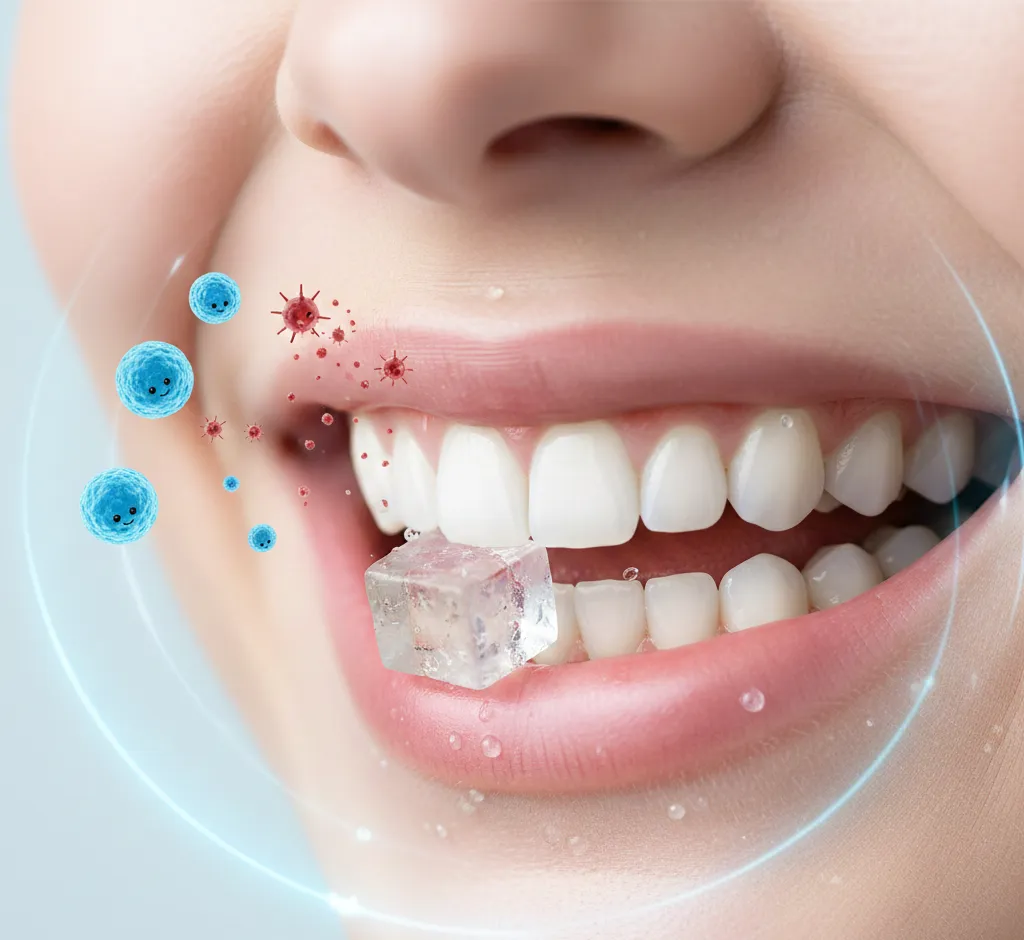
Green Tea Benefits for Oral Care: How a Simple Drink Can Transform Your Smile
Discover how green tea supports oral health. Learn scientifically backed benefits for teeth, gums, cavities, bad breath, and how to safely use green tea in your daily oral care routine.

Why Green Tea Belongs in Your Oral Care Routine
Green tea is best known for its calming effect and rich antioxidant profile, but its benefits go far beyond relaxation. In recent years, dentists and researchers have paid special attention to how green tea supports oral health and protects teeth and gums. From reducing harmful bacteria to freshening breath, this simple drink can be a powerful ally for a healthier smile.
In this article, you will learn how green tea works in the mouth, what specific oral benefits it offers, how to use it safely, and what to watch out for. Whether you drink it daily, use it as a mouth rinse, or simply want a natural way to support a cleaner, fresher mouth, green tea can become an easy and effective addition to your oral care routine.
Key Active Compounds in Green Tea
The oral health benefits of green tea come mainly from its unique combination of natural compounds. Understanding these components helps explain why this drink is so effective in supporting teeth and gums.
Catechins: The Antibacterial Powerhouses
The most important group of compounds in green tea are catechins, a type of polyphenol. One catechin in particular, epigallocatechin gallate (EGCG), has been widely studied for its antibacterial and anti-inflammatory properties.
- Antibacterial effects: Catechins can weaken the cell walls of certain bacteria and interfere with their ability to stick to surfaces.
- Anti-inflammatory effects: EGCG helps reduce the production of inflammatory molecules that can damage gum tissue.
- Antioxidant activity: Catechins neutralize free radicals, helping to protect the delicate tissues of the mouth.
Fluoride and Minerals
Green tea naturally contains trace amounts of fluoride, a mineral commonly added to toothpastes and drinking water to strengthen enamel and reduce the risk of cavities. While the fluoride content varies depending on the growing conditions and preparation, it can contribute to overall enamel protection when green tea is consumed regularly as part of a balanced diet.
Polyphenols and Tannins
Besides catechins, green tea contains other polyphenols and tannins that play a role in oral health.
- Polyphenols: Help reduce the number of odor-causing bacteria and the production of volatile sulfur compounds that lead to bad breath.
- Tannins: Have a mild astringent effect that can help create a less hospitable environment for plaque-forming bacteria.
Top Green Tea Benefits for Oral Health
Green tea does not replace brushing, flossing, or professional dental care, but it can complement them in meaningful ways. Here are the main benefits supported by current research.
1. Reduces Harmful Oral Bacteria
Many common oral problems, from cavities to gum disease, start with an overgrowth of specific types of bacteria. Green tea’s catechins can help inhibit the growth of several harmful bacterial strains.
- Streptococcus mutans: One of the main bacteria responsible for tooth decay. Green tea catechins can reduce its ability to form plaque and produce acids.
- Porphyromonas gingivalis: Linked with gum disease and inflammation. Some studies suggest green tea extracts can suppress its growth.
By lowering the bacterial load in the mouth, green tea helps reduce plaque formation and supports a cleaner feeling between brushings.
2. Supports Gum Health and Fights Inflammation
Gum health is essential not only for your smile but also for your overall wellness. Chronic inflammation in the gums is associated with conditions like periodontitis and may have links with systemic diseases.
Green tea’s anti-inflammatory and antioxidant properties can help:
- Reduce swelling and redness in gum tissues.
- Lower the production of inflammatory markers.
- Support a healthier response to plaque buildup.
Some observational studies have found that people who regularly drink green tea may have better periodontal health, including less bleeding and less attachment loss. While green tea alone cannot cure gum disease, it can be an excellent supportive tool alongside professional treatment and daily oral hygiene.
3. Helps Protect Against Cavities
Cavities form when bacteria in the mouth feed on sugars and produce acids that erode tooth enamel. Green tea contributes to cavity prevention through several mechanisms:
- Reduced bacterial activity: Fewer acid-producing bacteria means less acid attack on the enamel.
- Fluoride content: Naturally occurring fluoride can help remineralize early enamel damage.
- Less sugar intake: Replacing sugary drinks with unsweetened green tea lowers overall sugar exposure in the mouth.
When paired with fluoride toothpaste, regular brushing, and flossing, green tea can play a meaningful role in a comprehensive cavity prevention strategy.
4. Freshens Breath Naturally
Bad breath (halitosis) is often caused by bacteria that produce volatile sulfur compounds. These compounds lead to unpleasant odors that are not always fully masked by mints or mouthwashes.
Green tea helps freshen breath in several ways:
- Polyphenols reduce the growth of odor-causing bacteria.
- Green tea can temporarily neutralize some volatile sulfur compounds.
- Drinking green tea instead of sugary beverages reduces food sources for odor-producing microbes.
Using unsweetened green tea as a drink or mild mouth rinse after meals may help maintain fresher breath throughout the day.
5. Supports Overall Oral Tissue Health
Beyond teeth and gums, the soft tissues of the mouth can also benefit from green tea’s antioxidant and protective properties. The lining of the cheeks, tongue, and palate is continually exposed to physical and chemical stress, from chewing to temperature changes.
Antioxidants in green tea help defend these tissues from oxidative stress and may contribute to a healthier oral environment. While more research is needed to fully understand long-term effects, incorporating green tea into a balanced lifestyle appears to be a low-risk, potentially beneficial choice.
How to Use Green Tea for Oral Care
To get the most oral health benefits from green tea, it is important to use it correctly and consistently. Below are practical ways to integrate it into your daily routine.
1. Drink Unsweetened Green Tea
The simplest and most effective way to enjoy green tea’s oral benefits is to drink it regularly without added sugar.
Practical tips:
- Aim for 1–3 cups per day, depending on your caffeine sensitivity.
- Avoid adding sugar or sweet syrups that can promote cavities.
- If you prefer a milder flavor, add a slice of lemon or a few mint leaves instead of sweeteners.
- Allow the tea to cool slightly before drinking to avoid burning your mouth.
2. Use Green Tea as a Mouth Rinse
Green tea can be used as a gentle, natural mouth rinse to help reduce bacteria and freshen breath.
How to make a simple green tea mouth rinse:
- Brew a cup of green tea using hot (not boiling) water.
- Let it steep for 2–3 minutes, then remove the tea bag or strain the leaves.
- Allow the tea to cool to a comfortable, lukewarm temperature.
- Swish 10–15 ml in your mouth for 30–60 seconds, then spit it out.
- Use once or twice daily, preferably after brushing and flossing.
Do not add sugar or honey if you are using it as a rinse, and avoid rinsing with very hot tea to protect your oral tissues.
3. Choose Green Tea–Based Oral Care Products
The popularity of green tea in oral care has led to the development of toothpastes, mouthwashes, and dental gums that include green tea extracts.
- Look for products that clearly list green tea extract or catechins in the ingredient list.
- Prefer formulas with low or no added sugar and minimal harsh alcohol content.
- Combine these products with regular professional cleanings and checkups.
While these products can be a convenient way to harness green tea’s benefits, they should complement, not replace, healthy habits like brushing twice daily and flossing once a day.
Best Practices for Brewing Green Tea
How you brew green tea affects not only its flavor but also the concentration of beneficial compounds. Over-brewing can make the tea overly bitter, while using water that is too hot may degrade some antioxidants.
Ideal Brewing Method
- Heat fresh, filtered water to about 70–80°C (not boiling).
- Pour water over the tea bag or leaves.
- Steep for 2–3 minutes for a mild flavor or up to 4 minutes for a stronger brew.
- Remove the tea bag or strain the leaves promptly to avoid excessive bitterness.
Proper brewing helps you get a pleasant, drinkable tea that you are more likely to enjoy daily, which is key for any long-term health benefit.
Potential Side Effects and How to Avoid Them
Green tea is generally safe for most people when consumed in moderation, but there are a few considerations to keep in mind, especially for oral health.
1. Risk of Tooth Staining
Although green tea tends to stain teeth less than black tea or coffee, it still contains pigments and tannins that may cause surface discoloration over time.
Tips to reduce staining:
- Rinse your mouth with plain water after drinking green tea.
- Use a straw for iced green tea to limit contact with the front teeth.
- Maintain regular professional cleanings to remove any superficial stains.
2. Acidity and Enamel Health
Green tea is mildly acidic, but generally less so than many fruit juices and soft drinks. When consumed in reasonable amounts and without added sugar, it is not considered highly erosive to enamel. However, constant sipping throughout the day may expose the teeth to a slightly acidic environment for longer periods.
- Try to drink green tea in one sitting rather than sipping all day long.
- Avoid brushing immediately after acidic drinks; wait about 30 minutes to let saliva buffer the acids.
3. Caffeine Sensitivity
Green tea contains less caffeine than coffee, but it is not caffeine-free. Excessive intake may cause jitteriness, sleep disturbances, or increased heart rate in sensitive individuals.
- Limit intake if you are sensitive to caffeine or have been advised by your doctor to avoid it.
- Drink green tea earlier in the day if it interferes with your sleep.
- Consider caffeine-free herbal alternatives in the evening if needed.
4. Not a Replacement for Professional Care
It is important to remember that green tea is a supportive measure, not a complete solution. It cannot replace:
- Regular brushing with fluoride toothpaste.
- Daily flossing or interdental cleaning.
- Professional dental checkups and cleanings.
If you experience persistent pain, bleeding gums, or other oral symptoms, consult a dentist rather than relying solely on home remedies, including green tea.
Who Can Benefit Most from Green Tea for Oral Care?
Almost anyone can benefit from adding green tea to their daily routine, but certain groups may find it especially helpful.
- People with high sugar intake: Replacing sugary drinks with unsweetened green tea can reduce cavity risk.
- Individuals prone to bad breath: Green tea’s polyphenols may help control odor-causing bacteria.
- Those with early gum issues: Mild inflammation or bleeding may improve alongside proper dental care and green tea use.
- Adults seeking natural support: Anyone who prefers gentle, plant-based ways to support oral hygiene.
Children, pregnant individuals, and people with medical conditions should consult a healthcare professional about caffeine intake and overall dietary choices, including green tea.
Simple Daily Routine Incorporating Green Tea
If you want to take advantage of green tea’s oral benefits, consistency matters more than perfection. Here is an example of a simple daily routine that weaves green tea into standard oral care.
Morning
- Brush your teeth thoroughly with fluoride toothpaste.
- Drink a warm cup of unsweetened green tea after breakfast instead of a sugary drink.
Afternoon
- After lunch, rinse with cooled green tea or drink a cup to help reduce bacteria and freshen breath.
- Follow with a glass of water to keep your mouth hydrated.
Evening
- Brush and floss before bed as usual.
- If you enjoy green tea at night, choose a decaffeinated option to avoid sleep disruption, and drink it at least an hour before bedtime.
Frequently Asked Questions About Green Tea and Oral Care
Does green tea whiten teeth?
Green tea is not a tooth-whitening agent. In fact, it may cause mild staining over long periods, although usually less than black tea or coffee. Its main benefits relate to reduced bacteria, fresher breath, and support for gum health rather than whitening.
Is bottled green tea good for oral health?
Many bottled green teas contain added sugar, sweeteners, or acids that can increase cavity risk. For oral health benefits, it is best to choose freshly brewed, unsweetened green tea without added flavors or sugars.
Can I stop using mouthwash if I drink green tea?
Green tea can act as a natural, mild alternative to some mouthwashes, but it does not completely replace them, especially if your dentist has recommended a specific therapeutic product. Always follow your dentist’s advice and consider green tea as an additional support.
How soon will I notice a difference?
Some people notice fresher breath fairly quickly when they start using green tea regularly. Benefits for gum health and plaque control may take longer and are best assessed during your routine dental checkups. Consistency over weeks and months is key.
Conclusion: A Simple Habit with Big Oral Health Potential
Green tea is more than a comforting drink. Its catechins, polyphenols, and natural minerals make it a valuable ally for oral health, helping to reduce harmful bacteria, support gum tissues, limit cavity risk, and naturally freshen breath. When used alongside daily brushing, flossing, a balanced diet, and regular dental visits, green tea can be a simple, enjoyable way to invest in your smile.
By choosing unsweetened green tea and incorporating it into a consistent routine, you harness a time-tested, plant-based tool that supports not only your overall health but also the long-term wellbeing of your teeth and gums.