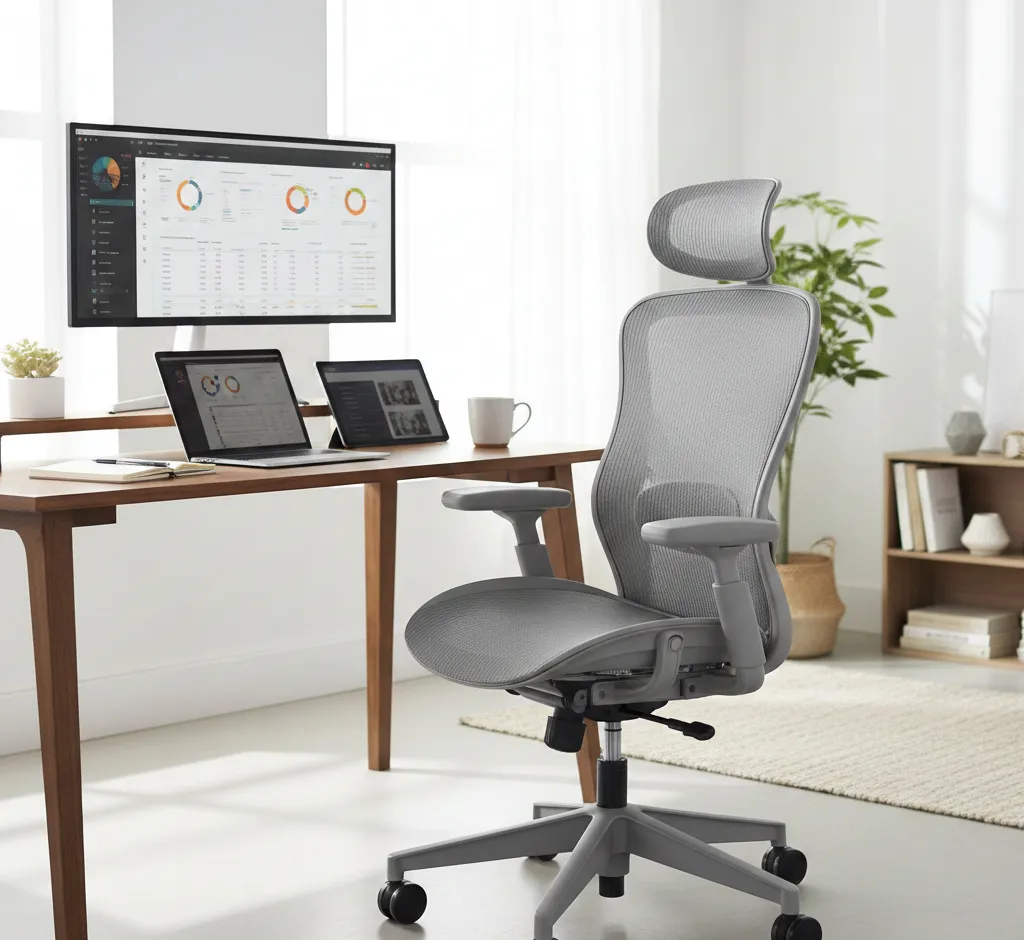
Guide to Chair Weight Capacity Selection: Safety, Comfort, and Durability
Learn how to choose the right chair weight capacity for safety, comfort, and durability at home or work with this practical, SEO‑friendly guide.
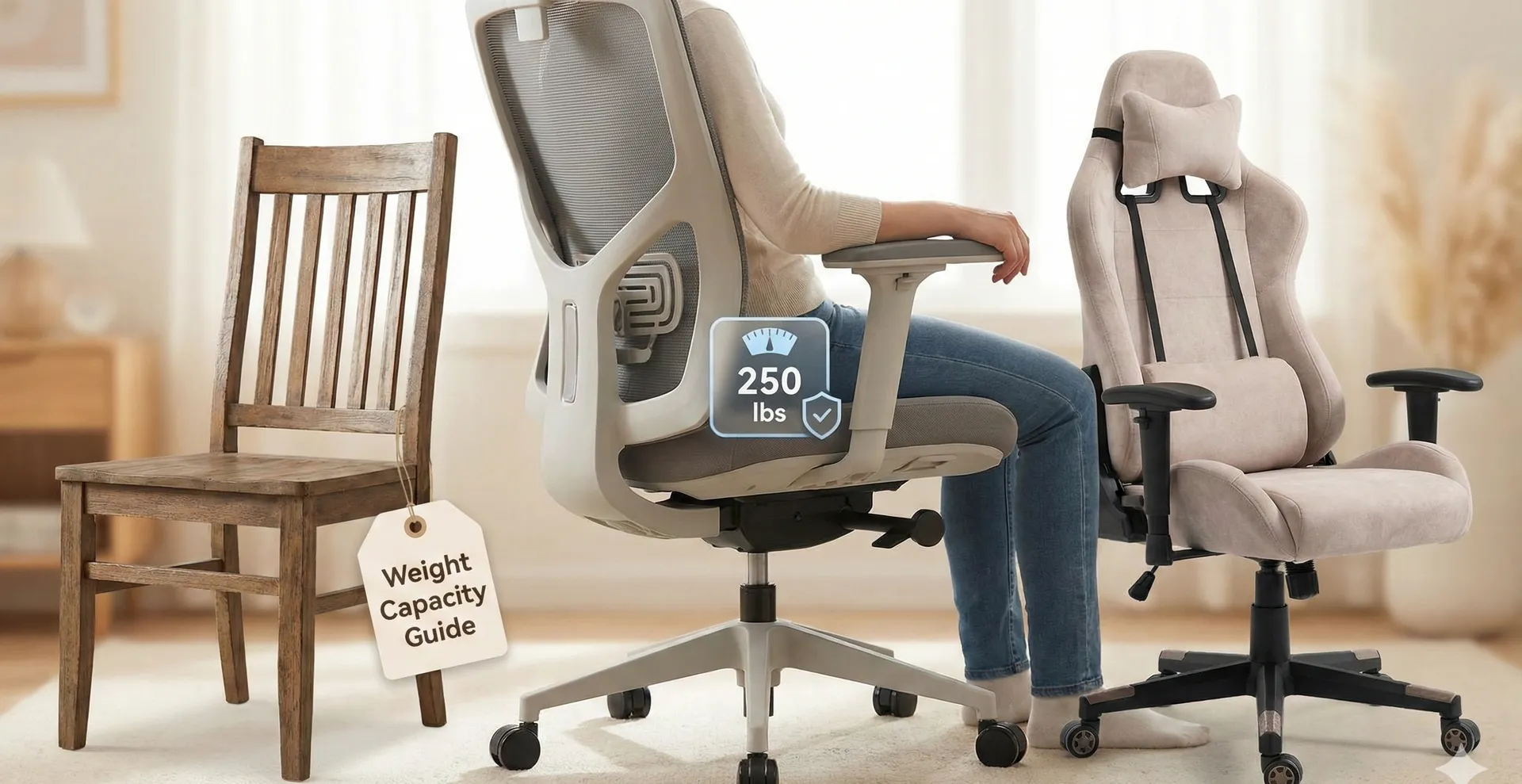
Choosing the right chair weight capacity is essential for safety, comfort, and long-term durability, whether you are furnishing a home office, dining room, restaurant, or workspace.
What Chair Weight Capacity Really Means
Chair weight capacity is the maximum load a chair has been designed and tested to support without structural failure under normal use conditions. [web:2]
This rating is based on laboratory testing, where chairs are subjected to repeated static and dynamic loads to simulate years of everyday use. [web:2]
Manufacturers use this limit to signal whether a chair is suitable for standard use or whether a heavy-duty model is required for higher loads or intensive environments. [web:11]
Why Weight Capacity Matters
- Safety: Exceeding the weight limit increases the risk of sudden breakage, tipping, or wheel and gas-lift failure, which can result in injury. [web:7]
- Comfort: A chair operating near its maximum limit is more likely to compress padding, creak, or wobble, reducing support and comfort over time. [web:5]
- Durability: Staying within a safe margin below the rated capacity slows wear on joints, frames, and casters, extending the life of the chair. [web:11]
Typical Weight Limits by Chair Type
Different chair categories use different materials, engineering, and testing standards, so their typical weight limits vary significantly. [web:2]
Common Capacity Ranges
- Standard office chairs: Commonly rated around 250 lbs (about 113 kg) for general users. [web:7]
- Heavy-duty or big-and-tall office chairs: Often rated from 400 lbs to 500 lbs, and some specialized models go even higher. [web:7][web:5]
- Standard dining chairs: Many mass-market dining chairs fall roughly in the 250–300 lb range, depending on materials and frame design. [web:3]
- Gaming chairs: Typical models are rated around 250–300 lbs, with heavy-duty variants reaching 400 lbs or more. [web:9]
Material and Construction Influence
Weight capacity is closely tied to the frame material, joint design, and base construction of the chair. [web:3]
- Solid wood and metal frames: Often provide higher strength and less flex under load, supporting higher capacities when properly engineered. [web:3]
- Plastic or lightweight composite frames: Can be comfortable and easy to move, but usually have lower weight limits and shorter lifespans under heavy use. [web:3]
- Reinforced bases and wider seat pans: Key traits of heavy-duty chairs that allow them to carry higher loads safely. [web:7]
Recommended Safety Margin Over Body Weight
When selecting a chair, it is wise to choose a weight capacity that exceeds the intended user’s weight rather than matching it exactly. [web:4]
Allowing a safety margin increases stability, protects against accidental overloads, and helps the chair maintain its comfort and performance longer. [web:5]
Practical Rules of Thumb
- Single user: Aim for a chair rated at least 10–20% above the user’s body weight to account for movement, posture changes, and minor added loads like bags or equipment. [web:4]
- Shared seating: In offices, clinics, or waiting areas where users vary, select capacities that accommodate the heaviest likely user, not just the average. [web:11]
- Heavy-duty scenarios: For users near or above 250 lbs, industry guidance frequently recommends chairs specifically designed with higher limits, often 400 lbs or more. [web:7][web:5]
Key Factors When Choosing Chair Weight Capacity
Weight capacity is only one part of overall chair suitability, but it is closely intertwined with size, ergonomics, and the environment where the chair will be used. [web:11]
User Profile
- Body weight: The primary determinant for minimum capacity; always start by knowing the actual or expected user weights. [web:9]
- Height and body proportions: Taller or broader users may require wider seats, taller backrests, and different seat depths even if their weight is within typical limits. [web:9]
- Usage duration: People sitting for many hours a day put more cyclical stress on the chair, making heavy-duty engineering more important. [web:5]
Usage Environment
- Home office: A standard 250 lb office chair may suffice for many home users, but heavier users or people working all day at the desk benefit from higher limits. [web:7]
- Corporate workplaces: Mixed workforces often require a combination of standard and heavy-duty seating to ensure inclusive and safe accommodation. [web:11]
- Hospitality and dining: Restaurants and cafes should select chairs with robust capacities to cover a wide range of body types and frequent daily use. [web:3]
Construction and Components
- Frame and base: Look for steel or reinforced aluminum bases and sturdy frames for higher weight capacities and long-term stability. [web:5]
- Casters and gas lift (for office chairs): These components are often rated separately and must match or exceed the overall chair weight capacity. [web:7]
- Seat and backrest structure: Internal supports, crossbars, and multi-layer plywood or metal plates contribute significantly to load distribution. [web:2]
Capacity Benchmarks for Different Chair Types
The table below summarizes typical capacity bands so you can quickly see which type of chair best suits different user needs. [web:2][web:7][web:9]
| Chair type | Typical capacity range | Best suited for |
|---|---|---|
| Standard office chair | Up to about 250 lbs [web:7] | Average-weight users in home or office settings [web:7] |
| Heavy-duty / big-and-tall office chair | Around 300–500 lbs, sometimes higher [web:7][web:5] | Heavier users, intensive daily use, or shared workplaces [web:5] |
| Standard dining chair | Roughly 250–300 lbs depending on material [web:3] | Most household dining and light hospitality settings [web:3] |
| Gaming chair | About 250–300 lbs standard; up to 400 lbs heavy-duty [web:9] | Home users, especially gamers, requiring reclining and ergonomic features [web:9] |
How to Read Manufacturer Specifications
Product pages, labels, and manuals typically list a maximum load or weight limit, sometimes alongside separate ratings for components like gas lifts or casters. [web:11]
Understanding how to interpret these specifications helps you avoid mismatched components and choose chairs that truly meet your requirements. [web:5]
Common Terms to Recognize
- Maximum weight capacity: The total load the chair is designed to support, including the user and any additional items resting on the seat. [web:2]
- Static vs. dynamic load: Static refers to stationary weight, while dynamic accounts for movement like leaning, shifting, or sitting down abruptly. [web:2]
- 24/7 rating: Some heavy-duty chairs are tested for continuous use, such as in control rooms or call centers, and often come with higher capacities and stricter durability standards. [web:11]
Certification and Testing Standards
Many professional-grade office chairs are tested against industry standards that define methods for load and durability testing. [web:11]
Chairs that meet recognized standards are more likely to provide reliable performance when used within their stated capacity. [web:11]
Matching Chair Capacity to Real-World Scenarios
Selecting the right chair is easier when you translate capacity numbers into everyday situations and user profiles. [web:11]
Home Office Example
- Light to average-weight user (under ~200 lbs): A standard office chair around 250 lb capacity can be sufficient, especially for moderate daily use. [web:7]
- Heavier user or long hours: Choose a chair with at least 300–400 lb capacity, a wider seat, and a stronger base to maintain comfort and safety during long sessions. [web:7][web:5]
Shared Workstation or Meeting Room
- Mixed workforce: Plan for the heaviest likely user rather than the average, which often means incorporating a proportion of heavy-duty chairs into the space. [web:11]
- Frequent use: In meeting rooms or hot-desking setups, higher-capacity chairs resist wear better because they are engineered for greater stresses. [web:11]
Dining Room or Restaurant
- Home dining: Chairs near the 250–300 lb range can be suitable for most households, as long as they come from reputable manufacturers and use strong materials. [web:3]
- Restaurants and hospitality: Heavy traffic and diverse guests justify higher-capacity chairs with robust frames and joints for safety and reduced replacement costs. [web:3]
Signs Your Chair Is Overloaded or Underspecified
Even if the chair has not failed, certain warning signs indicate that the weight capacity may be insufficient for current use. [web:5]
Visual and Structural Indicators
- Visible bending or warping: Frames, legs, or bases that appear bowed or twisted suggest excessive load or design limits being exceeded. [web:5]
- Loose joints or wobbling: Repeated stress near or above the capacity gradually loosens bolts and joints, leading to instability. [web:11]
- Cracked plastic or deformed casters: Surface cracks and flattened wheels often accompany overloading or prolonged stress. [web:7]
Comfort and Performance Issues
- Rapid cushion flattening: Foam that compresses quickly and does not rebound may indicate that the chair was not designed for the applied load. [web:5]
- Unusual noises: Creaking, popping, or snapping sounds during normal movement can signal stressed components approaching failure. [web:11]
- Difficulty rolling or adjusting: Casters and gas lifts can become stiff or fail entirely when consistently overloaded. [web:7]
How Weight Capacity Relates to Ergonomics
Higher weight capacity often goes hand in hand with enhanced ergonomic support, especially in big-and-tall or heavy-duty chair lines. [web:7]
However, capacity alone does not guarantee ergonomic fit, so users still need to consider seat dimensions, adjustability, and lumbar support. [web:11]
Seat Size and Depth
- Wider seats: Heavy-duty chairs typically offer wider seat pans to distribute weight more evenly and improve comfort for larger users. [web:7]
- Seat depth: Adequate depth allows the user to sit back against the backrest while keeping a small gap between the seat edge and the back of the knees. [web:9]
Backrest and Lumbar Support
- Taller backrests: Larger users often need taller backrests to support the upper back and shoulders properly. [web:9]
- Adjustable lumbar: Adjustable lumbar cushions or mechanisms help align the lower spine, reducing fatigue during long sitting periods. [web:7]
SEO Considerations for Content About Chair Weight Capacity
For businesses or content creators writing about chair weight limits, good SEO practices help users find reliable guidance when shopping for safe seating. [web:8]
Well-structured titles, meta descriptions, and headings improve visibility and click-through rates in search results. [web:6][web:10]
Title and Heading Best Practices
- Use main keywords early: Place phrases like “chair weight capacity” or “office chair weight limit” near the beginning of the title while keeping it under about 60 characters. [web:8]
- Ensure clarity and relevance: Align headings such as <h2> and <h3> with user intent, covering questions about typical limits, safety margins, and how to choose the right chair. [web:17]
Meta Description and On-Page Optimization
- Concise summaries: Meta descriptions under roughly 150–155 characters that highlight benefits and contain key phrases are more likely to attract clicks. [web:6][web:12]
- Natural keyword usage: Integrate relevant terms throughout the article without keyword stuffing, focusing on helpful, readable content for users. [web:16]
Step-by-Step Checklist for Choosing Chair Weight Capacity
A simple process can guide you from understanding user needs to selecting a suitable model that balances safety, comfort, and cost. [web:4]
- Identify users and usage: List typical and maximum user weights, height ranges, and daily sitting hours for the chair. [web:11]
- Select a chair type: Decide whether you need an office chair, dining chair, gaming chair, or specialized heavy-duty model based on context. [web:2]
- Set a minimum capacity: Choose a rating that exceeds the heaviest user by at least 10–20%, adjusting upward for heavy use or commercial environments. [web:4][web:5]
- Evaluate construction: Check frame material, base design, casters, and gas lift ratings to ensure they align with the stated capacity. [web:7]
- Confirm ergonomic fit: Review seat width, depth, backrest height, and adjustment features for comfort and posture support. [web:9]
- Review certifications and warranty: Prefer chairs that follow recognized test standards and offer warranties appropriate to their intended use. [web:11]
Making Informed, Long-Term Seating Decisions
Understanding chair weight capacity helps prevent accidents, reduce replacement costs, and create more inclusive, comfortable spaces for all users. [web:11]
By combining realistic user data with knowledge of typical capacity ranges, construction quality, and ergonomic needs, you can select chairs that remain safe, comfortable, and durable over many years of use. [web:2][web:7]