Gum Recession Causes and Reversal Tips: How to Protect and Restore Your Smile
Learn what causes gum recession, how to stop gums from receding, and which professional treatments and daily habits can help protect and restore your smile.
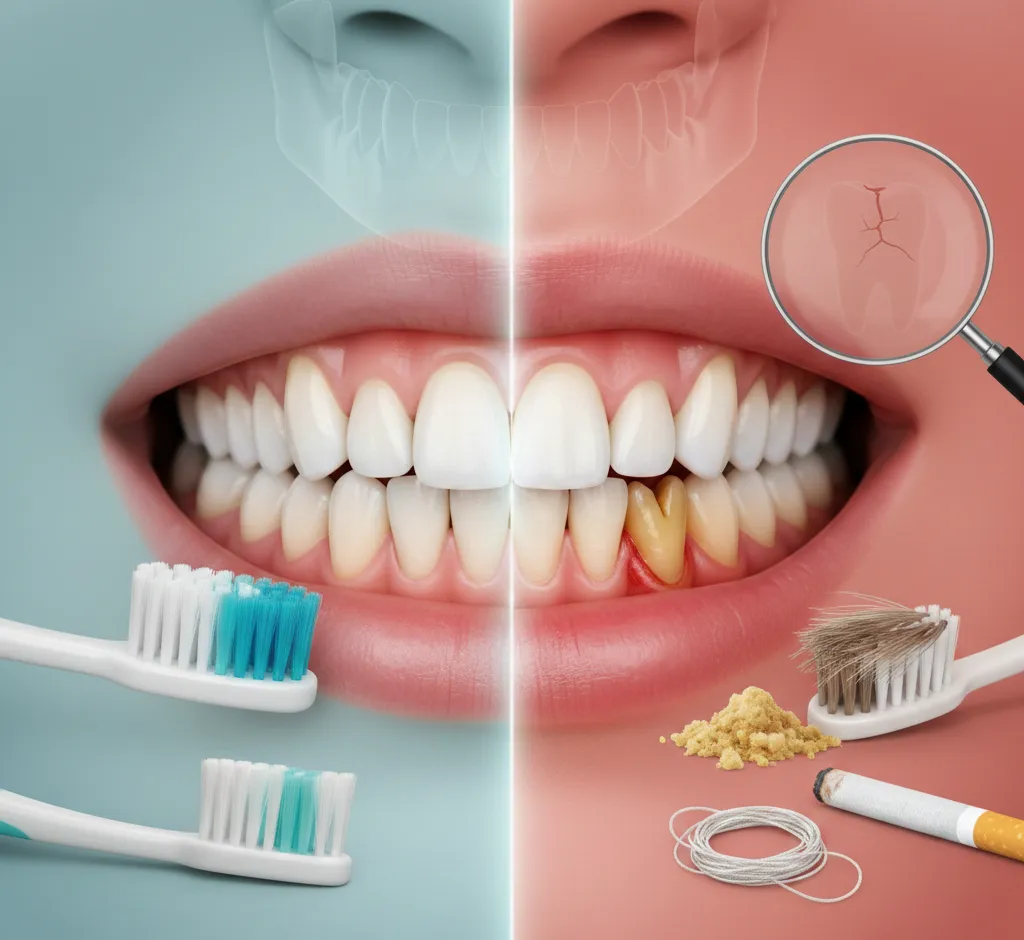
Gum recession is a common dental problem that many people notice only when it has already progressed. Your teeth may start to look longer, you might feel sensitivity when drinking something hot or cold, or you may see notches near the gumline. While gum recession can be worrying, understanding its causes and knowing what you can do to slow, stop, or even reverse some of its effects can help you protect your smile.
This guide explains the main causes of gum recession, what signs to look for, and practical, evidence-based tips for prevention and reversal. It is not a replacement for professional dental advice, but it can help you have a more informed conversation with your dentist or periodontist.
What Is Gum Recession?
Gum recession happens when the gum tissue surrounding your teeth wears away, pulls back, or shrinks, exposing more of the tooth or its root. Over time, this can create gaps (called periodontal pockets) between the teeth and gumline, where harmful bacteria can accumulate.
If left untreated, gum recession can lead to:
- Increased tooth sensitivity to hot, cold, sweet, or acidic foods and drinks.
- Higher risk of tooth decay on the exposed root surfaces.
- Inflammation, bleeding, and infection of the gums.
- Loss of supporting bone and, in severe cases, tooth mobility or tooth loss.
Gum recession is often a slow process. The earlier you notice changes and seek help, the easier it is to manage and protect your oral health.
Common Causes of Gum Recession
Gum recession rarely has just one cause. It usually results from a combination of daily habits, underlying dental conditions, and even genetics. Understanding the key triggers can help you avoid making the problem worse.
1. Aggressive or Improper Brushing
Brushing your teeth too hard, or using a toothbrush with hard bristles, can wear down enamel near the gumline and traumatize the gum tissue. Over time, this mechanical damage can cause the gums to pull away from the teeth.
Signs this might be a factor include:
- Noticeable notches or grooves near the gumline.
- Gums that look "scraped" or are regularly irritated.
- A history of using hard-bristled brushes or scrubbing motions.
2. Gum Disease (Periodontal Disease)
Gum disease is one of the leading causes of gum recession. When plaque and tartar build up along the gumline, they harbor bacteria that cause inflammation (gingivitis). If left untreated, this can progress to periodontitis, a more severe infection that destroys gum tissue and the bone supporting your teeth.
Typical symptoms of gum disease include:
- Red, swollen, or tender gums.
- Bleeding when brushing or flossing.
- Persistent bad breath or bad taste.
- Gums pulling away from teeth or teeth appearing longer.
3. Poor Oral Hygiene
Inconsistent brushing, not flossing, and skipping regular dental cleanings allow plaque to harden into tartar (calculus). Tartar is rough and cannot be removed by normal brushing. It irritates the gums and creates a favorable environment for bacteria, which can lead to gum inflammation and recession.
4. Misaligned Teeth and Bite Problems
Crowded, rotated, or misaligned teeth can place excessive force on certain teeth and areas of the gums when you bite or chew. This uneven pressure can gradually cause the gum tissue to recede in those spots.
Orthodontic issues such as a deep bite, crossbite, or teeth that flare outward can also contribute to gum recession, especially if the teeth are pushed outside the protective bony housing.
5. Teeth Grinding and Clenching (Bruxism)
Grinding or clenching your teeth, especially at night, puts excessive mechanical stress on teeth and supporting structures. This can accelerate wear at the gumline and increase the risk of recession and sensitivity.
Common signs of bruxism include:
- Flat, worn or chipped teeth.
- Jaw pain or tightness, especially in the morning.
- Frequent headaches or earaches without obvious cause.
6. Tobacco Use (Smoking and Vaping)
Smoking and using other tobacco products significantly increases the risk of gum disease and gum recession. Tobacco reduces blood flow to the gums, weakens the immune response, and makes it harder for gum tissue to heal.
Even vaping, while different from traditional smoking, may contribute to dry mouth and inflammation, indirectly affecting gum health.
7. Hormonal Changes
Hormonal shifts, particularly in women during puberty, pregnancy, and menopause, can make gums more sensitive and prone to inflammation. This increased sensitivity can worsen gum problems if oral hygiene is not carefully maintained.
8. Genetic Predisposition
Some people are simply more prone to gum recession and periodontal disease due to their genetics. If close family members have had significant gum problems or early tooth loss, you may have a higher risk and should monitor your gum health closely.
9. Piercings and Physical Trauma
Lip or tongue piercings can rub against the gums and cause chronic irritation or microtrauma. Over time, this can erode gum tissue and lead to localized recession around specific teeth.
10. Inadequate Dental Care or Delayed Treatment
Putting off dental checkups and professional cleanings allows minor gum issues to progress unnoticed. Early gum disease and mild recession are often painless, which makes regular dental visits essential for early detection.
Can Gum Recession Be Reversed?
The answer depends on the severity and cause of the recession. Once gum tissue has receded significantly, it does not grow back on its own. However, you can often:
- Stop further recession.
- Reduce symptoms like sensitivity and inflammation.
- Improve the appearance of your smile.
- Restore gum coverage through professional procedures.
Mild recession caused by inflammation or poor hygiene can sometimes appear to "improve" when the gums become healthier, less swollen, and more firmly attached to the teeth. For more advanced recession, dental treatments such as gum grafting or other periodontal procedures are usually needed to restore lost tissue.
Home Care Tips to Prevent and Slow Gum Recession
While home care alone cannot repair severe gum recession, it plays a crucial role in prevention and in supporting professional treatment. These daily habits can help protect your gums from further damage.
1. Brush Gently with the Right Technique
Brushing correctly is one of the simplest and most effective ways to protect your gums.
- Use a soft-bristled toothbrush. Soft or extra-soft bristles clean effectively without scraping sensitive gum tissue.
- Hold the brush at a 45-degree angle. Aim the bristles toward the gumline and use small, circular motions rather than aggressive back-and-forth scrubbing.
- Brush for at least two minutes. Spend about 30 seconds on each quadrant of the mouth, covering all surfaces of your teeth.
- Avoid excessive pressure. Let the bristles do the work. Pressing harder does not mean cleaner teeth.
2. Floss Daily (Or Use Interdental Cleaners)
Flossing removes plaque and food debris from between teeth where your toothbrush cannot reach. This reduces the risk of gum inflammation and disease.
- Slide the floss gently between the teeth, hugging each tooth in a C-shape.
- Do not snap or force the floss, as this can injure the gums.
- If traditional floss is difficult, try interdental brushes or a water flosser.
3. Choose a Gum-Friendly Toothpaste and Mouthwash
Desensitizing toothpastes can help reduce sensitivity caused by exposed roots, while fluoride strengthens enamel and helps prevent cavities near the gumline.
- Look for toothpaste formulated for sensitive teeth and gum health.
- Select an alcohol-free mouthwash to avoid drying out the mouth.
- Ask your dentist if you need prescription-strength fluoride products.
4. Protect Against Teeth Grinding
If you grind or clench your teeth, talk to your dentist about a custom night guard. This protective device cushions your teeth and reduces pressure on the gums and supporting bone.
Stress management techniques, such as relaxation exercises, stretching, and better sleep hygiene, can also help if grinding is related to stress.
5. Quit Smoking and Avoid Tobacco
Stopping smoking is one of the best things you can do for your gum health. Once you quit, blood flow improves, healing speeds up, and the risk of gum disease decreases. If you need help quitting, your dentist or doctor can recommend cessation programs or medications.
6. Maintain a Balanced, Gum-Friendly Diet
What you eat affects your gums as much as your teeth. A diet rich in vitamins and minerals supports a healthy immune system and tissue repair.
- Eat plenty of fruits and vegetables for vitamins C and A, which support gum health.
- Include sources of calcium and vitamin D, such as dairy or fortified alternatives, for strong bones and teeth.
- Limit sugary and acidic snacks and drinks that promote plaque buildup.
- Drink plenty of water to help wash away food particles and keep saliva flowing.
7. Visit Your Dentist Regularly
Routine checkups and professional cleanings (usually every 6 months, or more often if recommended) are essential. Your dentist or hygienist can remove tartar, monitor your gums, and spot early signs of problems before they become serious.
Professional Treatments to Manage and Reverse Gum Recession
When gum recession is more advanced, home care alone is not enough. Dentists and periodontists (gum specialists) offer several proven treatments to manage and, in many cases, reverse gum recession.
1. Professional Cleaning and Scaling
For mild recession caused by plaque and tartar buildup, a professional dental cleaning can be the first step. The hygienist will remove plaque and tartar from above and below the gumline, reducing inflammation and allowing the gums to heal.
2. Scaling and Root Planing (Deep Cleaning)
Scaling and root planing is a deeper cleaning procedure often used when there are periodontal pockets. It involves:
- Scaling: Removing plaque, tartar, and bacterial deposits from below the gumline.
- Root planing: Smoothing the root surfaces so the gums can reattach more easily.
This treatment can reduce inflammation, shrink pocket depth, and slow or stop further recession.
3. Gum Grafting Procedures
When gum tissue is significantly lost, a gum graft may be recommended to restore coverage. In a typical grafting procedure, the dentist or periodontist takes a small amount of tissue (often from the roof of the mouth or from adjacent gums) and attaches it to the affected area.
Common types of gum grafts include:
- Connective tissue grafts: Tissue is taken from beneath the surface layer of the palate and placed over the exposed root.
- Free gingival grafts: Surface tissue from the palate is used to thicken thin gums and protect against further recession.
- Pedicle grafts: Gum tissue is moved from an area near the recession site, keeping part of it attached for better blood supply.
Gum grafting can improve appearance, reduce sensitivity, and help protect the tooth from further damage.
4. Minimally Invasive Techniques
Some newer methods, such as the pinhole surgical technique (PST) or other minimally invasive approaches, may be suitable for certain patients. These techniques use small entry points and specialized instruments to reposition and stretch existing gum tissue over exposed roots, often with less discomfort and quicker recovery.
Not everyone is a candidate for these procedures, so your specialist will evaluate your specific case.
5. Orthodontic Treatment
If misaligned teeth or bite problems contribute to your gum recession, orthodontic treatment (such as braces or clear aligners) may help. By aligning the teeth properly within the jawbone, orthodontics can reduce excessive forces on specific teeth and create a more favorable environment for healthy gums.
6. Bite Adjustment (Occlusal Therapy)
In some cases, selective adjustment of the biting surfaces of teeth, use of splints, or restorative treatments can help distribute forces more evenly. This reduces localized stress on teeth and gums, which may help slow or prevent further recession.
How to Know If You Need Treatment
Because gum recession can be gradual and often painless, it is important to watch for early warning signs and seek professional advice when something changes.
Common Warning Signs
- Teeth that appear longer than before.
- Increased sensitivity to cold, heat, or sweet foods.
- Visible roots or a darker color near the gumline.
- Notches, grooves, or wear near the gumline.
- Gums that bleed when brushing or flossing.
- Persistent bad breath or a bad taste in the mouth.
If you notice any of these changes, schedule an appointment with your dentist. Early treatment can prevent minor issues from becoming serious dental problems.
Myths About Gum Recession
Misinformation can make gum recession more confusing and stressful than it needs to be. Knowing the facts helps you make better choices for your oral health.
Myth 1: Gums Always Grow Back on Their Own
Once gum tissue is lost, it generally does not regenerate on its own. While inflammation can improve and gums can become healthier and more firm, significant recession usually requires professional treatment to restore lost coverage.
Myth 2: Only Older Adults Get Gum Recession
Gum recession is more common as we age, but it can occur in teenagers and young adults as well. Aggressive brushing, piercings, misaligned teeth, and poor oral hygiene can contribute to recession at any age.
Myth 3: If It Does Not Hurt, It Is Not Serious
Many early gum problems are painless. Waiting until you feel pain often means the condition has progressed. Regular checkups and paying attention to subtle changes in your mouth are essential.
Myth 4: Brushing Harder Means Cleaner Teeth
Brushing too hard can damage enamel and irritate gums, actually increasing your risk of recession. Gentle but thorough brushing is more effective and safer for your mouth.
Practical Daily Routine for Healthier Gums
If you are concerned about gum recession, creating a simple daily routine can help you protect your gums and support any treatment recommended by your dentist.
- Morning: Brush gently with a soft-bristled brush and fluoride toothpaste for two minutes, then floss or use an interdental cleaner.
- Midday: Rinse your mouth with water after meals and limit sugary snacks.
- Evening: Brush again for two minutes, floss if you did not in the morning, and use an alcohol-free mouthwash if recommended.
- Nighttime: Wear your night guard if you grind your teeth.
- Weekly: Do a quick self-check in the mirror for changes in gumline, color, or sensitivity.
When to See a Specialist
If your general dentist notices significant recession, deep pockets, or advanced gum disease, you may be referred to a periodontist. A periodontist specializes in the prevention, diagnosis, and treatment of gum disease and in procedures such as gum grafting.
You should consider seeing a specialist if:
- You have rapidly progressing gum recession.
- Your teeth feel loose or your bite has changed.
- You have been treated for gum disease but still have deep pockets.
- You are considering cosmetic improvement of your gumline.
Key Takeaways
Gum recession is common, but it is not something you have to accept as an inevitable part of aging. By understanding the main causes, adopting healthy daily habits, and seeking professional advice early, you can protect your gums, reduce sensitivity, and maintain a healthier, more confident smile.
If you are worried about your gums, do not wait. Book a dental checkup, discuss your concerns, and create a personalized plan with your dental professional. The sooner you act, the more options you have to preserve and restore your gum health.