Hemp Seed Oil for Skin Barrier: Benefits, Science, and How to Use It Effectively
Discover how hemp seed oil supports a healthy skin barrier. Learn about its science-backed benefits, best uses for different skin types, and how to add it safely to your skincare routine.
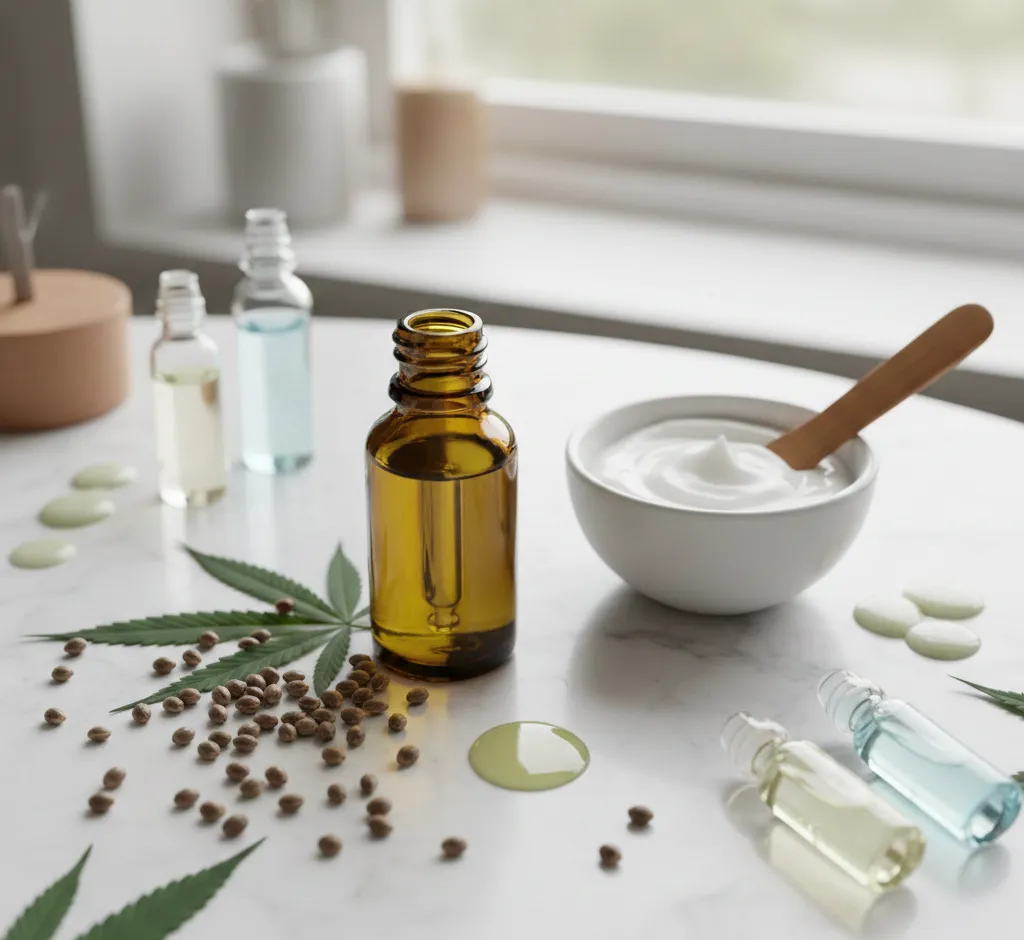
Hemp seed oil has become one of the most talked-about natural skincare ingredients, especially when it comes to strengthening and repairing the skin barrier. Lightweight yet deeply nourishing, this green-gold oil is rich in essential fatty acids, antioxidants, and skin-soothing compounds that support a healthy, resilient complexion.
In this article, you will learn how hemp seed oil works on the skin barrier, what the science says, which skin types benefit the most, and how to use it safely and effectively in your daily routine.
What Is Hemp Seed Oil?
Hemp seed oil is a plant oil cold-pressed from the seeds of the Cannabis sativa plant. Unlike CBD oil or other extracts derived from the flowers or leaves, hemp seed oil contains no THC and does not have psychoactive effects. It is widely used in food, supplements, and cosmetics for its nourishing profile.
For skincare, hemp seed oil stands out because of its unique balance of fatty acids, lightweight texture, and non-comedogenic nature, which means it is unlikely to clog pores. This makes it suitable for many skin types, from dry and sensitive to combination and even acne-prone skin.
Why the Skin Barrier Matters
The skin barrier is the outermost layer of your skin, often called the "acid mantle" or the stratum corneum. You can think of it as a brick wall: the skin cells are the bricks, and a mixture of lipids (ceramides, cholesterol, and fatty acids) acts as the mortar holding everything together.
A healthy skin barrier:
- Prevents excessive water loss (transepidermal water loss, or TEWL).
- Protects against irritants, pollutants, and microbes.
- Keeps skin feeling soft, plump, and comfortable.
When the barrier is damaged, you may notice:
- Dryness, tightness, or rough texture.
- Redness, irritation, or burning sensations.
- Increased sensitivity to products that never used to sting.
- Flaking, micro-cracks, or more frequent breakouts.
Modern lifestyles—frequent cleansing, hot showers, harsh exfoliants, stress, and environmental pollution—often weaken this barrier. This is where hemp seed oil can provide targeted support.
How Hemp Seed Oil Supports the Skin Barrier
Hemp seed oil works on multiple levels to help restore and maintain a strong skin barrier. Its composition closely resembles the lipids naturally present in the skin, so it can integrate well into the outer layer and improve its function.
1. Rich in Essential Fatty Acids
Hemp seed oil is one of the most balanced plant oils in terms of omega fatty acids. It typically contains:
- Omega-6 (linoleic acid) – crucial for barrier repair, smooth texture, and reduced flakiness.
- Omega-3 (alpha-linolenic acid) – supports calm, less reactive skin and helps modulate inflammation.
- Gamma-linolenic acid (GLA) – a special omega-6 derivative associated with improved moisture retention and soothing effects.
These fatty acids are called "essential" because the body cannot produce them on its own. Topically applied, they help replenish the skin’s lipid matrix, supporting a more cohesive and flexible barrier.
2. Helps Reduce Water Loss
Barrier-compromised skin often loses water too quickly, leading to dehydration even if the skin is oily on the surface. Hemp seed oil forms a breathable, lightweight film that slows down transepidermal water loss without feeling heavy or occlusive.
By reinforcing the lipid layer, hemp seed oil helps your skin hold onto hydration longer. When paired with humectants like glycerin or hyaluronic acid, it can lock in moisture and keep the skin comfortable throughout the day.
3. Anti-Inflammatory and Soothing Properties
The blend of omega-3, omega-6, and GLA in hemp seed oil is associated with anti-inflammatory activity. For irritated or reactive skin, this can translate into less redness, reduced itching, and a calmer complexion over time.
While hemp seed oil is not a medicine, its soothing profile makes it a popular supportive ingredient for:
- Dry, rough, or flaky patches.
- Skin that feels tight after cleansing.
- Skin exposed to cold, wind, or low humidity.
4. Antioxidant Support
Hemp seed oil contains natural antioxidants such as vitamin E and phytosterols. These compounds help neutralize free radicals generated by UV exposure and pollution, which can otherwise degrade skin lipids and weaken the barrier over time.
Regular use of antioxidant-rich oils like hemp seed oil can support a more resilient barrier and a healthier-looking skin surface in the long term.
5. Non-Comedogenic and Lightweight
Many people with compromised barriers also struggle with congestion or acne. Heavy occlusive ointments can sometimes make breakouts worse, even though they protect the barrier. Hemp seed oil offers a middle ground: it is considered low on the comedogenic scale and has a fluid, fast-absorbing texture.
This makes hemp seed oil a good option for combination and oily skin types that need barrier repair without clogging pores.
Skin Types That Benefit Most
Hemp seed oil can work for a broad range of skin types, but certain groups may see particularly noticeable benefits.
Dry and Dehydrated Skin
If your skin feels rough, tight, or tends to flake, hemp seed oil can help refill missing lipids in the barrier. When combined with a hydrating toner or serum, it helps trap water in the upper layers of the skin, improving comfort and softness.
Sensitive and Reactive Skin
Sensitive skin often has a weakened barrier that allows irritants to penetrate more easily. The soothing fatty acids and anti-inflammatory potential of hemp seed oil can help calm reactivity over time. Because it is generally gentle and fragrance-free in its pure form, it is often well tolerated when introduced slowly.
Combination and Oily Skin
Even oily skin can have a damaged barrier, especially if exposed to harsh cleansers or over-exfoliation. Hemp seed oil’s light texture, balanced fatty acid profile, and non-comedogenic nature make it suitable for replenishing lipids without leaving a heavy film or greasy residue.
Mature or Stressed Skin
As we age, lipid production decreases and the barrier becomes thinner and more fragile. Antioxidant-rich hemp seed oil can support barrier integrity, help maintain elasticity, and reduce the appearance of dullness associated with a tired or stressed complexion.
How to Use Hemp Seed Oil for Skin Barrier Support
To get the most from hemp seed oil, you need to use it correctly and consistently. Below are practical ways to incorporate it into your skincare routine.
1. As a Moisturizing Oil (Last Step)
One of the simplest methods is to use hemp seed oil as the final step in your evening routine.
- Cleanse your face with a gentle, non-stripping cleanser.
- Apply a hydrating toner or serum rich in humectants.
- Seal everything in with a few drops of hemp seed oil, pressing it gently into damp skin.
This layering approach allows water-binding ingredients to do their job while hemp seed oil reinforces the lipid barrier and prevents moisture from evaporating too quickly.
2. Mixed Into Your Moisturizer
If you prefer not to apply pure oil, you can mix 1–2 drops of hemp seed oil into your regular moisturizer in the palm of your hand. This slightly enriches the cream, making it more nourishing without drastically changing its texture.
3. As a Gentle Facial Massage Oil
Facial massage not only relaxes facial muscles but also supports microcirculation. Using hemp seed oil as a massage medium can combine relaxation with barrier care.
Apply a few drops to clean, slightly damp skin and use gentle upward and outward motions. Afterward, you can either leave the oil on or gently blot excess with a soft cloth.
4. Spot Treatment for Dry or Irritated Areas
If your barrier issues are localized—around the nose, cheeks, or mouth—you can apply hemp seed oil only to those areas. This targeted approach is particularly useful for combination skin, where some zones are dry and others are oily.
How to Choose a Good Hemp Seed Oil
The quality of the oil you choose plays a big role in both safety and efficacy. Look for these criteria when shopping:
- Cold-pressed and unrefined: This method preserves more of the natural fatty acids and antioxidants.
- Dark glass bottle: Hemp seed oil is sensitive to light and can oxidize quickly. Dark glass helps protect it.
- Freshness and storage: Check the expiration date and store the oil in a cool, dark place. Some brands recommend refrigeration.
- Minimal or no added fragrance: Pure hemp seed oil has a mild, nutty, herbal scent. Added fragrances can irritate sensitive skin.
- Cosmetic-grade or skincare-specific: If you use food-grade oil, ensure it is high-quality and handled hygienically.
Potential Side Effects and Precautions
Hemp seed oil is generally considered safe and well-tolerated, but every skin is unique. Keep the following points in mind:
- Patch test first: Apply a small amount to a discreet area (like behind the ear or on the jawline) for several days to check for reactions.
- Watch for signs of irritation: Redness, itching, burning, or increased breakouts may indicate that hemp seed oil is not suitable for your skin or that another ingredient in the product is causing issues.
- Avoid contaminated or rancid oil: Oxidized oils can be irritating. If the oil smells strongly off or has changed color significantly, do not use it on your skin.
- Consult a professional if you have skin conditions: If you are dealing with eczema, psoriasis, or severe acne, speak with a dermatologist before making major changes to your routine. Hemp seed oil can be a helpful adjunct, but it should not replace prescribed treatments.
Combining Hemp Seed Oil with Other Barrier-Friendly Ingredients
Hemp seed oil works particularly well as part of a broader barrier-supporting routine. Consider combining it with the following ingredients:
- Ceramides: These are key structural lipids in the skin barrier. Products containing ceramides, cholesterol, and fatty acids mimic the skin’s natural composition.
- Niacinamide: A multi-tasking ingredient that supports barrier function, reduces redness, and helps regulate sebum production.
- Hyaluronic acid and glycerin: Humectants that pull water into the skin. Hemp seed oil can help keep that water from evaporating.
- Panthenol (pro-vitamin B5): Known for its soothing and moisturizing properties.
When using active ingredients like retinoids or exfoliating acids, hemp seed oil can help buffer potential irritation by reinforcing the barrier. Apply it after your treatment step to soften the impact on the skin.
Morning vs. Evening Use
You can use hemp seed oil both morning and night, but the way you incorporate it may differ.
Morning Routine
In the morning, a few drops of hemp seed oil layered over a lightweight moisturizer can help protect the barrier throughout the day. Always finish with a broad-spectrum sunscreen, as UV damage is one of the fastest ways to weaken the skin barrier.
Evening Routine
At night, your skin focuses on repair. Using hemp seed oil as the last step helps create an environment that supports overnight regeneration. If you use retinoids or acids, applying hemp seed oil afterward can reduce dryness and flaking.
Frequently Asked Questions
Is hemp seed oil the same as CBD oil?
No. Hemp seed oil is pressed from the seeds and mainly contains fatty acids and nutrients, while CBD oil is extracted from the flowers and leaves and contains cannabidiol. For barrier support, it is specifically hemp seed oil that is used in most cosmetic formulations.
Will hemp seed oil clog my pores?
Hemp seed oil is generally considered low comedogenic and is often recommended for combination or acne-prone skin. However, individual responses vary. If you are very breakout-prone, introduce it slowly and monitor your skin’s reaction.
How long does it take to see results?
When used consistently, some people notice improvements in softness and comfort within a few days. More visible changes in dryness, flakiness, or overall resilience may take several weeks, as the skin barrier gradually rebuilds.
Can I use hemp seed oil around the eyes?
Many people do, as the area around the eyes is often dry and delicate. Use a very small amount, avoid direct contact with the eyes, and patch test first if you are sensitive.
Practical Routine Example for Barrier Repair
If your main goal is to rebuild a compromised skin barrier, a simplified routine including hemp seed oil might look like this:
Morning
- Gentle, low-foam cleanser.
- Hydrating toner or essence.
- Niacinamide or ceramide serum (optional).
- Light moisturizer.
- 1–2 drops of hemp seed oil pressed into the skin.
- Broad-spectrum SPF 30 or higher.
Evening
- Gentle cleanser.
- Hydrating serum or toner.
- Barrier cream with ceramides and panthenol.
- Hemp seed oil as the final step to seal everything in.
Keep exfoliation to a minimum while your barrier recovers—once a week or less, depending on your tolerance. Focus on comfort, consistency, and simplicity rather than aggressive treatments.
Key Takeaways
Hemp seed oil is a versatile, barrier-friendly ingredient that offers a unique combination of essential fatty acids, antioxidants, and soothing properties. By replenishing lipids, reducing water loss, and supporting a calmer skin environment, it can play a valuable role in any routine focused on barrier repair and maintenance.
Whether your skin is dry, sensitive, combination, or simply stressed by modern life, carefully chosen hemp seed oil—used consistently and paired with a gentle routine—can help you move toward a stronger, more resilient skin barrier and a healthier-looking complexion overall.