Herbal Toothpaste Alternatives and Their Surprising Oral Health Benefits
Discover herbal toothpaste alternatives: key ingredients like neem, clove, aloe, and mint, their oral health benefits, how they compare to conventional toothpaste, and tips for choosing and using natural formulas safely and effectively.
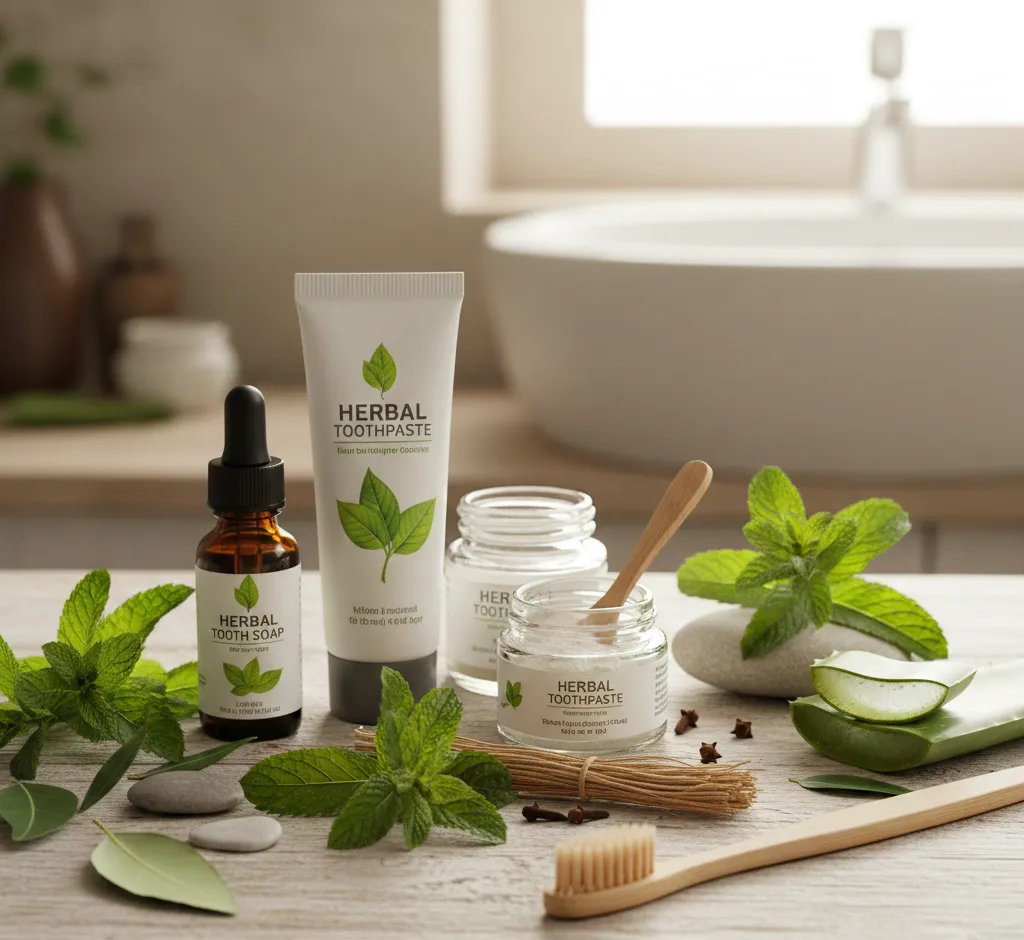
Herbal toothpaste alternatives have exploded in popularity as more people look for natural, minimalist, and eco-friendly ways to care for their teeth and gums. Instead of relying solely on conventional toothpaste that may contain synthetic foaming agents, artificial flavors, or harsh abrasives, herbal options use plant-based ingredients that have been trusted for centuries in traditional medicine.
In this article, you will learn what herbal toothpaste actually is, the most common herbs and natural ingredients used, the science-backed benefits, and how these alternatives compare to conventional products. You will also find practical tips on choosing the right herbal toothpaste for your needs and how to use it safely as part of a complete oral care routine.
What Are Herbal Toothpaste Alternatives?
Herbal toothpaste alternatives are oral care products that use plant extracts, essential oils, and natural minerals in place of—or alongside—synthetic chemicals. They are designed to clean teeth, freshen breath, and support gum health using ingredients sourced from nature.
These products come in several forms, including:
- Herbal toothpastes in a tube – Similar in texture to conventional toothpaste but formulated with herbal extracts and fewer synthetic additives.
- Tooth powders – Dry blends of herbal powders and minerals that you apply with a damp toothbrush.
- Tooth soaps and gels – Mild, plant-based cleansing gels or soap-like liquids infused with herbs and essential oils.
- DIY blends – Homemade mixtures using ingredients such as baking soda, coconut oil, and powdered herbs.
While they vary in texture and flavor, the key characteristic they share is a focus on gentler, plant-centered formulations that support oral hygiene without relying heavily on synthetic foaming agents or preservatives.
Key Herbal Ingredients and Their Roles
Many herbs traditionally used for oral health appear in herbal toothpaste formulas today. Each brings unique properties that may help control plaque, soothe gums, and freshen breath.
Neem (Azadirachta indica)
Neem is widely used in Ayurvedic dentistry. Its twigs have traditionally been used as natural chew sticks for cleaning teeth, and modern research suggests neem has strong antibacterial and anti-inflammatory properties.
- May help inhibit plaque-causing bacteria.
- Can support gum health and reduce redness.
- Often included in toothpastes targeting sensitive or inflamed gums.
Clove (Syzygium aromaticum)
Clove oil contains eugenol, a compound with well-documented analgesic and antimicrobial effects. It has long been used to relieve toothache and freshen breath.
- Provides a warming, numbing sensation that may ease minor tooth discomfort.
- Helps fight odor-causing bacteria.
- Common in herbal pastes and mouthwashes for its strong, spicy flavor.
Mint (Peppermint and Spearmint)
Peppermint and spearmint are among the most familiar herbal flavors in oral care. Beyond taste, their essential oils offer cooling and antimicrobial effects.
- Help neutralize bad breath.
- Provide a clean, refreshing mouthfeel.
- Can support the reduction of oral bacteria when used consistently.
Tea Tree (Melaleuca alternifolia)
Tea tree oil is known for its broad-spectrum antimicrobial activity. In low, carefully controlled concentrations, it is often added to natural toothpastes and oral gels.
- May help reduce levels of plaque-causing bacteria.
- Supports gum health when used in gentle formulations.
- Should never be swallowed and must be properly diluted in finished products.
Aloe Vera
Aloe vera gel is soothing and hydrating, which makes it popular in formulations for sensitive mouths or irritated gums.
- Helps calm minor gum irritation.
- Provides a gentle, non-abrasive base for toothpaste.
- Pairs well with other herbs like chamomile for extra soothing benefits.
Miswak (Salvadora persica)
Miswak, also called the "toothbrush tree," has been used for oral hygiene for over a thousand years. Traditionally chewed as a stick, it contains natural anti-plaque compounds.
- Supports mechanical plaque removal when used as a chew stick.
- Contains minerals and natural antibacterial agents.
- Now appears as a powdered or extract form in some herbal toothpastes.
Other Helpful Botanicals
Many herbal toothpastes also include supporting ingredients such as:
- Chamomile – Gentle and calming, often used for sensitive gums.
- Myrrh – A resin with traditional use in oral care for its antiseptic qualities.
- Sage and thyme – Aromatic herbs with natural antimicrobial compounds.
- Fennel or anise – For mild sweetness and pleasant breath-freshening effects.
Common Non-Herbal Natural Ingredients
In addition to herbs, many herbal toothpaste alternatives rely on natural minerals and gentle abrasives to clean teeth effectively.
- Baking soda (sodium bicarbonate) – Helps neutralize acids and provides mild whitening through gentle abrasion.
- Calcium carbonate or clay – Used as natural polishing agents to remove surface stains.
- Xylitol – A natural sweetener that can help reduce cavity-causing bacteria when used regularly.
- Coconut oil – Sometimes included for its smooth texture and potential antimicrobial properties.
These components work together with herbs to offer a balanced, natural approach to cleaning and freshening the mouth.
Key Benefits of Herbal Toothpaste Alternatives
Switching to herbal toothpaste alternatives can offer several potential benefits, especially if you are seeking a more natural or minimalist approach to oral care. However, it is important to remember that not all products are equal, and you should always choose options backed by clear ingredient lists and quality standards.
1. Fewer Synthetic Chemicals
Many people choose herbal toothpaste to avoid certain ingredients commonly found in conventional formulas, such as strong detergents or artificial flavors. Herbal alternatives often:
- Reduce or eliminate harsh foaming agents like sodium lauryl sulfate (SLS).
- Use natural flavors from essential oils instead of synthetic ones.
- Avoid artificial colorants and unnecessary fillers.
This can be especially appealing for individuals with a history of mouth sensitivity, allergies, or skin reactions.
2. Supportive Herbal Actions
The herbs used in these products are not only natural flavorings; many of them offer functional benefits supported by traditional use and, in some cases, modern research.
- Antimicrobial herbs like neem, tea tree, and clove help limit plaque-causing bacteria.
- Soothing herbs such as aloe vera and chamomile may calm delicate or irritated gums.
- Aromatic herbs like mint and fennel provide long-lasting freshness.
When used consistently alongside proper brushing and flossing, these actions can contribute to a healthier oral environment.
3. Gentler on Enamel and Gums
Some conventional whitening toothpastes rely on aggressive abrasives or strong chemicals that may be too harsh for people with sensitive teeth or receding gums. Herbal alternatives often use milder abrasives like fine clays or calcium carbonate in lower concentrations.
- Help remove plaque and surface stains without excessive abrasion.
- May feel more comfortable for people with sensitive teeth.
- Can be paired with soft-bristled toothbrushes for extra gentleness.
4. Flavor Variety and Customization
If you dislike the strong, sometimes artificial taste of conventional mint toothpaste, herbal options offer a wider and more nuanced flavor palette.
- Spiced blends with clove, cinnamon, and fennel.
- Floral and calming notes from chamomile or lavender (in some formulations).
- Fresh herbal combinations like sage and thyme.
This variety can make brushing more enjoyable and help encourage consistent oral hygiene routines, especially for people who find typical mint flavors too intense.
5. Eco-Friendly and Ethical Appeal
Many brands that focus on herbal toothpaste alternatives also emphasize environmental and ethical values, such as:
- Using recyclable or reduced-plastic packaging.
- Choosing cruelty-free testing policies.
- Sourcing organic or sustainably harvested herbs where possible.
For eco-conscious consumers, these added values can make herbal toothpaste an attractive part of a more sustainable lifestyle.
Herbal vs. Conventional Toothpaste: How Do They Compare?
When comparing herbal and conventional toothpaste, it is essential to focus on their ability to perform the core jobs of any oral care product: cleaning teeth, helping to prevent cavities, supporting gum health, and freshening breath.
Cleaning Power and Plaque Removal
Both herbal and conventional toothpastes depend largely on mechanical brushing for plaque removal. The abrasives and foaming agents in a formula support this process but do not replace good brushing technique.
- Quality herbal toothpastes with mild abrasives can clean teeth effectively when you brush for two minutes twice a day.
- Conventional pastes may contain stronger foaming agents that provide a more intense "clean" feeling, though this does not always mean better plaque removal.
Cavity Protection and Fluoride
One major difference is fluoride content. Many conventional toothpastes contain fluoride, a mineral widely studied and recommended by dentists to help strengthen enamel and prevent cavities. Some herbal toothpastes also include fluoride, while others are completely fluoride-free.
- If you choose a fluoride-free herbal toothpaste, you may wish to discuss your overall cavity risk and preventive strategy with your dentist.
- If you prefer fluoride for its protective benefits, look for herbal formulations that still include fluoride along with plant-based ingredients.
The best choice depends on your dental history, diet, and professional advice.
Gum Health and Sensitivity
For people with sensitive gums, gingivitis, or a tendency toward irritation, herbal toothpastes can be appealing due to their soothing botanicals and gentler formulations.
- Herbs like aloe, chamomile, and myrrh may offer extra comfort for delicate tissues.
- Reducing harsh detergents can be beneficial if your mouth feels dry or easily irritated.
However, persistent bleeding, pain, or swelling in the gums should always be evaluated by a dental professional, regardless of the toothpaste you use.
How to Choose a Herbal Toothpaste Alternative
Not all herbal toothpastes are the same. Some prioritize flavor over function, while others are formulated with research-backed ingredients and clear quality standards. Use the following guidelines to select a product that fits your needs.
1. Read the Ingredient List Carefully
A transparent ingredient list is crucial. Look for:
- Clearly named herbal extracts or essential oils (for example, "neem leaf extract," "peppermint oil").
- Known gentle abrasives like calcium carbonate or hydrated silica (if present).
- The presence or absence of fluoride, depending on your preference.
Be cautious with products that list only vague terms such as "proprietary herbal blend" without specifying which plants are used, especially if you have allergies.
2. Match the Formula to Your Oral Health Needs
Different herbal blends target specific concerns. Consider choosing a formula that aligns with your priorities:
- For sensitive gums: Look for aloe vera, chamomile, or myrrh.
- For fresh breath: Choose mint, clove, fennel, or tea tree oil (in low, safe concentrations).
- For plaque control: Seek products featuring neem, miswak, or xylitol.
If you have a history of cavities, consult your dentist about whether a fluoride-containing herbal toothpaste is a better option.
3. Check for Certifications and Testing
Many reputable brands highlight independent testing or certifications to build trust.
- Look for seals from dental associations where available.
- Check for cruelty-free logos or organic certifications if those values matter to you.
- Review brand information on quality control, especially for essential oils and herbal extracts.
4. Consider Taste and Texture
Your toothpaste should be something you do not mind using twice a day, every day. Because herbal toothpastes can range from mild and sweet to very earthy or spicy, it may take some trial and error to find a formula you truly enjoy.
- Start with small tubes or sample sizes when trying a new brand.
- Pay attention to how your mouth feels after brushing—clean, refreshed, or perhaps too strong or too mild.
How to Use Herbal Toothpaste Safely and Effectively
Herbal toothpaste alternatives work best when integrated into a complete, consistent oral care routine. Simply switching the paste without addressing brushing technique or diet will not deliver optimal results.
Daily Brushing Routine
- Brush twice a day for at least two minutes each time, covering all tooth surfaces.
- Use a soft-bristled toothbrush to protect your enamel and gums, especially if your paste includes abrasives.
- Apply a pea-sized amount of herbal toothpaste; more is not necessary for effective cleaning.
- Spit out excess paste after brushing, and avoid swallowing, especially if the product contains essential oils.
Flossing and Complementary Care
No toothpaste—herbal or conventional—can fully clean the tight spaces between teeth. For complete care, consider the following:
- Floss or use interdental brushes at least once a day.
- Rinse with a gentle, preferably alcohol-free mouthwash that may include herbal extracts for added freshness.
- Stay hydrated and limit frequent snacking on sugary or acidic foods.
Regular dental checkups and professional cleanings remain essential, even if your at-home routine is excellent.
Special Note on DIY Herbal Toothpaste
Some people enjoy making their own herbal toothpaste using ingredients like baking soda, coconut oil, and powdered herbs. While DIY recipes can be appealing, there are some important cautions:
- Abrasive ingredients like coarse baking soda or charcoal can wear down enamel if used too aggressively or too often.
- Essential oils must be carefully diluted; high concentrations can irritate the mouth.
- Homemade products may lack fluoride and other protective minerals.
If you choose to experiment with DIY herbal toothpaste, do so cautiously, use very gentle ingredients, and consider alternating with a professionally formulated toothpaste for balance.
Who Might Benefit Most from Herbal Toothpaste?
Herbal toothpaste alternatives are not just a wellness trend; they can be a smart option for people with specific needs and preferences.
- Individuals with sensitivity to detergents or artificial additives may find herbal formulas more comfortable.
- People seeking a more natural lifestyle often appreciate plant-based ingredients and eco-conscious packaging.
- Those interested in traditional medicine may enjoy using herbs like neem, miswak, or clove as part of daily routine.
However, anyone with active dental problems, frequent cavities, or gum disease should always work with a dentist to ensure their toothpaste choice supports, rather than compromises, their treatment plan.
Precautions and When to See a Dentist
Even though herbal toothpastes use natural ingredients, "natural" does not always mean risk-free. It is possible to be allergic or sensitive to certain herbs or essential oils.
- Stop using any product that causes burning, rash, or persistent irritation in or around your mouth.
- Introduce new herbal products one at a time so you can identify any reactions.
- Store products away from children, especially those containing concentrated essential oils.
Seek professional dental advice if you notice:
- New or worsening tooth sensitivity.
- Chronic bad breath that does not improve with good hygiene.
- Bleeding, swelling, or pain in your gums.
- Chips, cracks, or visible wear on your teeth, which may suggest over-abrasive products or brushing technique.
Integrating Herbal Toothpaste into a Holistic Oral Care Lifestyle
Herbal toothpaste works best as part of a broader, holistic approach to oral health that includes diet, lifestyle, and regular professional care.
- Choose a balanced diet rich in whole foods, with limited added sugars.
- Stay well hydrated to support saliva production, which naturally protects teeth.
- Avoid smoking and limit alcohol, which can dry and irritate oral tissues.
- Continue routine exams and cleanings with your dentist or hygienist.
By viewing herbal toothpaste alternatives as part of an overall wellness strategy rather than a miracle cure, you can set realistic expectations and enjoy their benefits more fully.
Conclusion: Are Herbal Toothpaste Alternatives Right for You?
Herbal toothpaste alternatives offer an appealing blend of tradition and modern oral care science. With plant-based ingredients like neem, clove, aloe, and mint, they can provide effective cleaning, gentle support for gums, and a refreshing brushing experience while limiting synthetic additives.
The best choice for you will depend on your dental history, personal values, taste preferences, and guidance from your dental professional. Whether you fully switch to herbal toothpaste or simply incorporate it alongside conventional options, these natural alternatives can play a valuable role in a thoughtful, health-focused oral care routine.