How Steam Output Affects Ironing Speed at Home: A Practical, Data‑Driven Guide
Discover how steam output really affects ironing speed at home. Learn what g/min numbers mean, how much steam you need, and practical tips to iron faster with less effort.
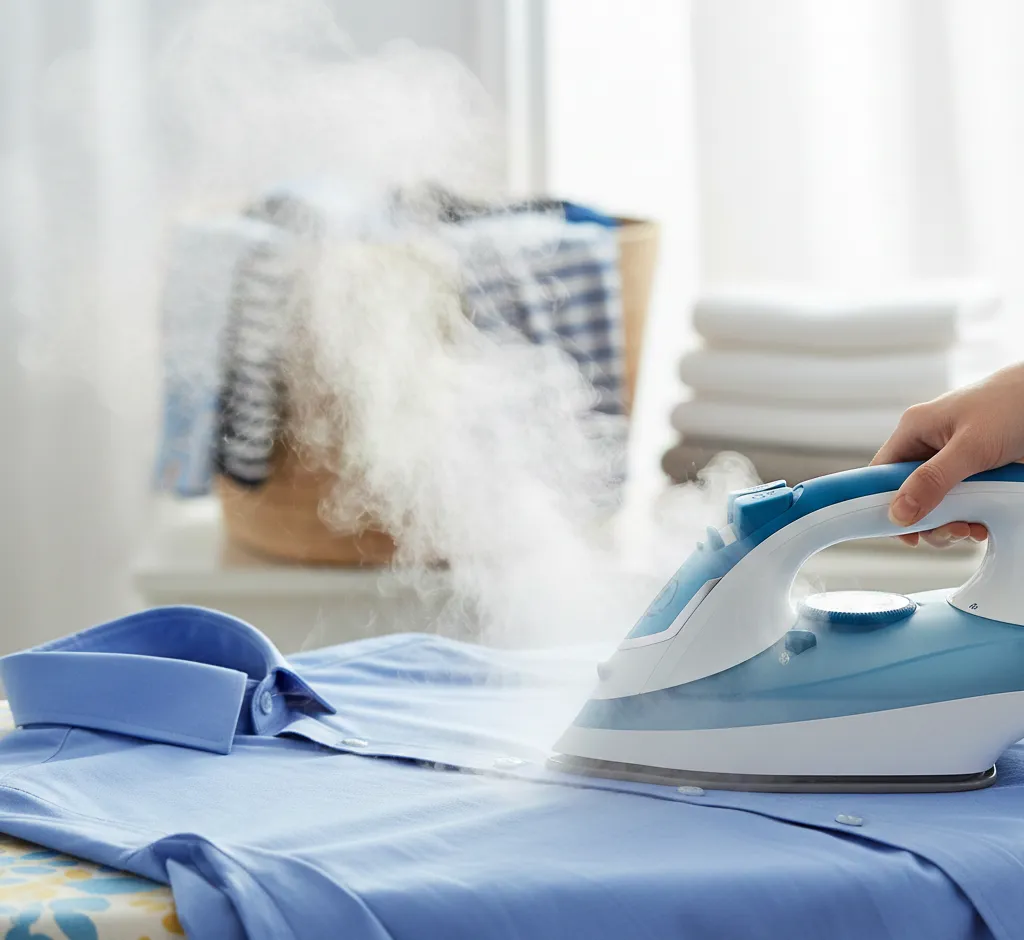
Ironing can either be a quick, almost effortless task or a slow, frustrating chore. One of the biggest factors that determines which of these you experience is steam output. The amount and quality of steam your iron produces has a direct impact on how fast and how easily you can remove wrinkles from clothes at home.
This article explains in simple, practical terms how steam output affects ironing speed, which numbers actually matter, and how to choose and use a steam iron or steam generator to save time. If you want to spend less time at the ironing board and still get crisp, smooth results, understanding steam output is essential.
What Does Steam Output Really Mean?
Manufacturers often describe steam performance using numbers and terms that can be confusing. To understand how steam affects ironing speed, it helps to break these down into clear concepts.
Continuous steam (g/min)
Continuous steam output is usually given in grams per minute (g/min). It tells you how much steam the iron releases steadily as you move it over the fabric.
- Low steam: up to around 30 g/min – fine for light touch-ups and thin fabrics.
- Medium steam: about 30–45 g/min – suitable for everyday home ironing.
- High steam: 45–60+ g/min – better for thick fabrics, large loads, and faster results.
In general, higher continuous steam output means wrinkles relax faster, so you need fewer passes with the iron. This directly reduces total ironing time.
Steam boost (shot of steam)
Most irons also have a steam boost (sometimes called a steam shot), measured in g/min or simply given as a one-time figure in grams. This is a powerful burst of steam you can release by pressing a button.
- Useful for stubborn creases.
- Helps with heavy fabrics like denim, linen, or cotton tablecloths.
- Can refresh hanging garments when used vertically.
Steam boost does not directly increase overall ironing speed on its own, but it helps you deal quickly with problem areas so you do not waste time repeatedly going over the same crease.
Steam pressure (for steam generators)
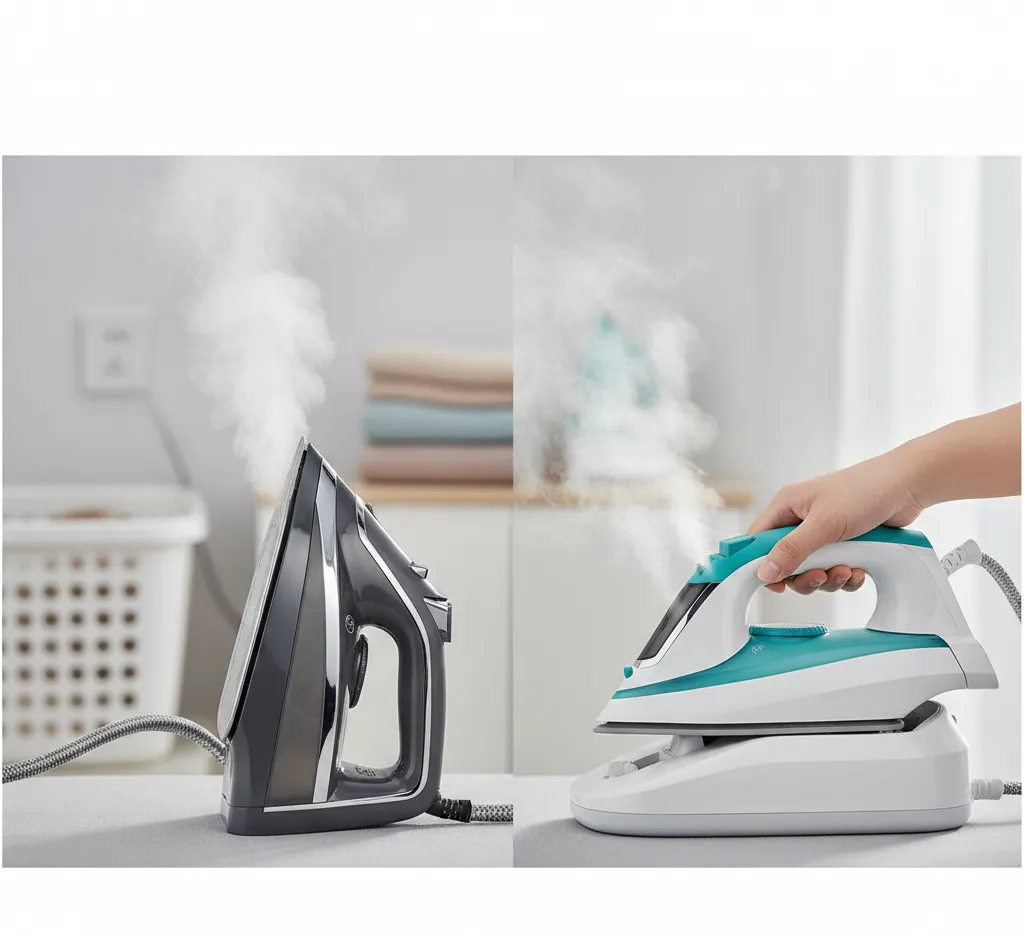
If you use a steam generator iron or boiler system, you will also see steam pressure expressed in bar (e.g., 5 bar, 7 bar). Higher pressure means steam is delivered more forcefully and can penetrate deeper into the fibers, especially through multiple layers.
At home, this matters when you iron:
- Thick cotton shirts and trousers.
- Jeans and jackets.
- Bed linens, duvet covers, or curtains.
With higher pressure, you can often iron faster because you do not need to flip items as often or press as hard.
How Steam Speeds Up Ironing: The Science in Simple Terms
Steam is more than just hot water vapor. It changes how fabric behaves. To understand why steam output affects ironing speed, it helps to know what happens inside the fibers.
Heat + moisture = relaxed fibers
Wrinkles form when fibers in the fabric are bent and locked into place as they cool and dry in a crumpled shape. To remove wrinkles, you need to:
- Heat the fibers so they become flexible again.
- Add moisture so the fibers can move and reposition.
- Apply pressure so the fibers set in a new, smooth shape as they cool.
Steam provides both heat and moisture at the same time, which is why it is so effective. When you increase steam output, your iron delivers more moisture and heat into the fabric more quickly. This allows wrinkles to relax faster, so each pass of the iron does more work.
Deeper penetration, fewer passes
On thick or layered fabrics, dry heat from the soleplate might only affect the surface. Steam, especially at higher output or pressure, penetrates through the fabric layers.
The result:
- You can often iron both sides of a shirt panel with fewer strokes.
- Creases at seams and edges of garments respond more quickly.
- Large items like sheets can be ironed in broad sections without constant reworking.
This is why steam output has such a clear impact on practical ironing speed at home.
Where Is the Time Actually Saved?
The time you spend ironing is not just the minutes with the iron on the fabric. It includes:
- Waiting for wrinkles to respond.
- Going over the same area multiple times.
- Adjusting garment position again and again.
- Dealing with particularly stubborn creases.
Higher and better-controlled steam output reduces these hidden time drains.
Fewer strokes per garment
With adequate steam output, each movement of the iron is more productive. You can often:
- Smooth a shirt sleeve in one or two passes instead of four or five.
- Handle a cotton shirt front panel with broad, efficient strokes.
- Remove deep creases from linen trousers with a couple of passes plus a steam boost.
If you iron regularly, even saving 10–20 seconds per garment adds up to significant time savings over a full laundry basket.
Less effort and repositioning
Higher steam output lets the iron glide more easily, with less need to press down hard. Steam does more of the work, so you do less.
When wrinkles relax quickly:
- You do not need to move garments around the board as often.
- You can iron larger areas in single, smooth motions.
- You avoid constantly going back to fix small creases you missed.
Ironing feels smoother and more continuous, which naturally speeds up the entire process.
How Much Steam Is Enough for Home Use?
More steam is helpful, but only up to the point where it matches your actual needs and habits. You do not necessarily need the most powerful iron on the market to iron efficiently at home.
Light ironing (occasional shirts and blouses)
If you only iron a few items per week, mainly thin fabrics and lightly wrinkled garments, these guidelines are usually enough:
- Continuous steam: about 25–35 g/min.
- Steam boost: 100–150 g for occasional tough spots.
- Steam holes: well-distributed soleplate rather than a specific number.
This level will not be the fastest possible, but it can still provide smooth results without excessive time investment, especially if you hang clothes promptly after washing.
Regular ironing for a family
For households where ironing is a weekly routine with multiple shirts, school uniforms, trousers, and linens, higher steam output can make a noticeable difference in speed and effort.
- Continuous steam: about 35–50 g/min.
- Steam boost: 150–200+ g.
- Optional: consider a steam generator if you have large loads.
At this level, you can work through a basket of mixed fabrics significantly faster compared to a low-steam iron, especially if you combine it with good technique.
Heavy fabrics, frequent large loads
If you often iron:
- Linen tablecloths, cotton bed sets, and duvet covers.
- Thick shirts, jeans, and uniforms.
- Many garments in one session.
Then a high-output steam iron or steam generator can be a real time saver.
- Continuous steam (conventional iron): 45–60 g/min or more.
- Steam generator: 100–130 g/min or more, with 5–7+ bar pressure.
- Steam boost: 250–400 g, especially on generators.
These systems allow you to iron faster with less effort, often halving the time needed for large batches of laundry compared with a basic low-steam model.
Steam Output vs. Other Iron Features
Steam output matters, but it is not the only factor that influences ironing speed. To get the best results at home, consider how steam works together with other features.
Soleplate material and design
The soleplate is the part of the iron that glides over your clothes. Its design influences how efficiently the steam is used.
- Material: stainless steel, ceramic, or high-quality coated plates generally glide better and resist scratches.
- Steam hole distribution: even spread of holes across the plate ensures more uniform steam coverage, so you do not leave small untreated patches that need revisiting.
- Tip shape: a well-shaped tip helps you reach collars, buttons, and corners quickly.
Even with high steam output, a poor-quality or sticky soleplate will slow you down because you need to move more cautiously and repeat areas.
Heating power and temperature stability
The wattage (e.g., 2,000–2,800 W) indicates how quickly the iron heats up and how well it maintains temperature when producing steam.
For faster ironing at home:
- Look for enough power that the iron does not noticeably cool down when you use continuous steam.
- A consistent temperature means you do not have to pause and wait for the iron to recover.
Stable heat, paired with adequate steam, lets you maintain a steady rhythm and finish the laundry pile without interruptions.
Water tank capacity
High steam output uses more water. A very small water tank will force you to stop frequently to refill, which breaks your flow and lengthens total ironing time.
- For basic irons: a tank around 250–300 ml works for light use.
- For regular or heavy use: 300–400 ml or more is more convenient.
- Steam generators: typically have much larger detachable tanks (1–2 liters), ideal for long sessions.
The right balance is enough capacity so you can iron a reasonable amount of laundry without constant refills, while still keeping the iron comfortable to hold.
Using Steam Effectively to Iron Faster
Simply buying an iron with high steam output does not automatically guarantee speed. Technique and habits play a big role in how efficiently you use that steam at home.
Match steam to fabric
Each fabric responds best to an appropriate combination of heat and moisture. Too little steam wastes time; too much can saturate the fabric and slow you down.
- Cotton and linen: handle higher heat and abundant steam; use strong continuous steam and occasional boosts.
- Wool: moderate heat with steam, often using a pressing cloth to avoid shine.
- Synthetics (polyester, blends): lower heat; use light steam or intermittent bursts to avoid damp, sticky results.
Using the right steam level helps wrinkles disappear quickly without over-wetting the fabric, which reduces the need to go back and fix areas.
Iron garments while they are slightly damp
One of the simplest ways to benefit from steam is to iron clothes that are not completely dry. When garments are slightly damp from the wash:
- Steam does not have to work as hard to penetrate the fibers.
- Wrinkles respond more quickly and with fewer passes.
- You can often use a bit less steam while maintaining speed.
This is particularly effective with cotton shirts, bed linens, and tablecloths.
Use vertical steam for quick refreshes
Many modern irons can provide vertical steam for hanging garments. For items that are only lightly wrinkled:
- Hang the garment on a sturdy hanger.
- Use steam shots or continuous vertical steam to smooth out wrinkles.
- Gently pull the fabric to keep it taut while steaming.
This can be much faster than setting up a board and can be enough for day-to-day touch-ups.
Plan your ironing by fabric type
Organize your ironing pile into groups (e.g., synthetics, cottons, linens) and adjust steam and temperature gradually as you go.
- Start with low-temperature, low-steam fabrics.
- Move to higher-temperature, high-steam items later.
This avoids constantly changing settings and lets your iron work within its optimal steam range for longer periods, which increases overall speed and efficiency.
Common Mistakes That Slow Down Ironing
Even with a powerful steam iron, some habits can cancel out the time savings. Avoid these common mistakes to make the most of your steam output.
Using too little or too much steam
Too little steam forces you to rely solely on dry heat and pressure, which slows everything down. Too much steam, especially on delicate or synthetic fabrics, can make them soggy and harder to handle.
The goal is effective, not excessive steam: enough to relax wrinkles quickly without drenching the fabric.
Not descaling and cleaning the iron
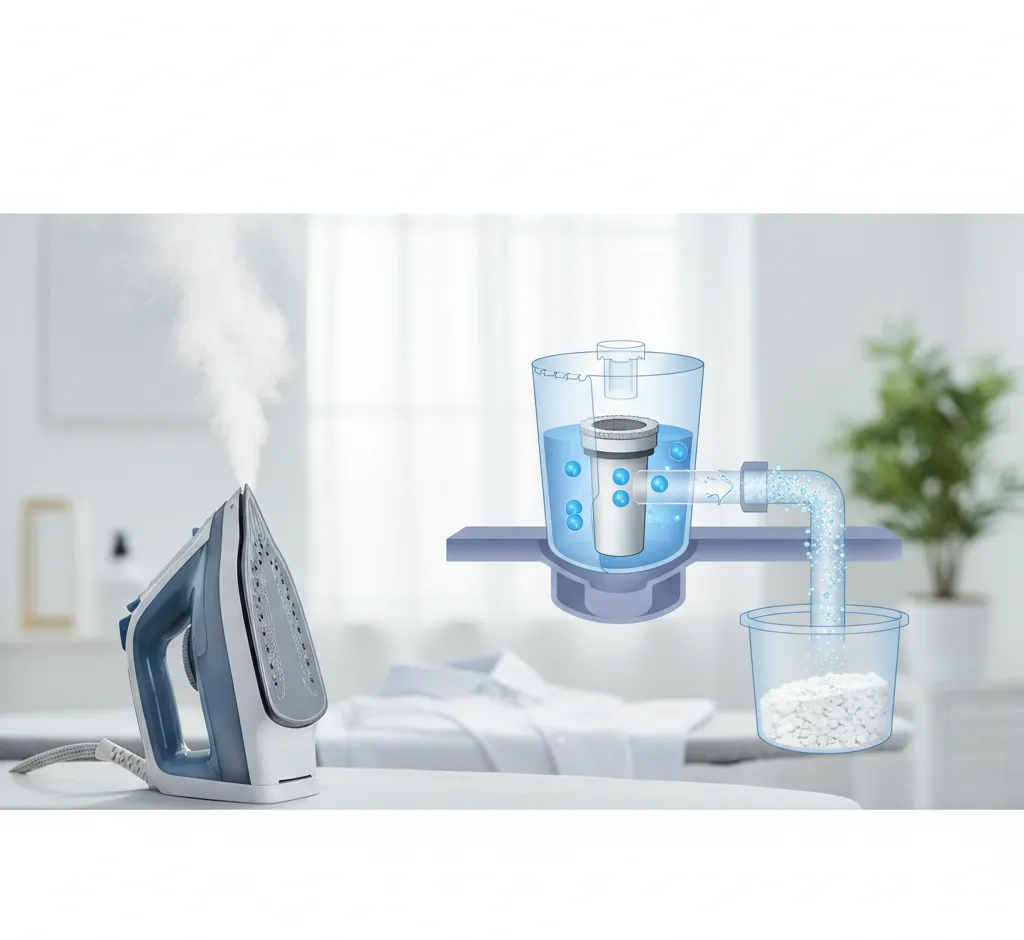
Over time, mineral deposits from tap water can clog steam holes and reduce the effective steam output. When this happens, you might feel like the iron has lost power and need more passes to get the same results.
- Use the self-clean function regularly, if available.
- Follow the manufacturer’s instructions about descaling.
- Consider using filtered or low-mineral water if your tap water is very hard.
A clean iron delivers steam more efficiently, so you retain the speed benefit your appliance was designed to provide.
Ironing on a poor-quality board
The surface under your garment matters. A soft, sagging, or uneven ironing board pad will absorb steam and heat instead of reflecting them back into the fabric.
- Use a firm, stable ironing board with a good-quality cover.
- Look for covers designed to reflect heat or allow steam to pass and dissipate evenly.
This improves the effectiveness of each burst of steam and reduces the number of strokes needed.
When a Steam Generator Is Worth It
Steam generators and boiler systems are more powerful and usually more expensive than standard steam irons. They are designed for higher steam output and pressure, but are they always necessary for home use?
Advantages for speed
A steam generator can significantly speed up ironing if you:
- Iron large loads weekly (e.g., for a family).
- Deal with many cotton or linen items.
- Want to iron thick fabrics with minimal effort.
The combination of high continuous steam, high pressure, and a large water tank allows you to iron continuously for longer periods, often cutting total ironing time noticeably.
When a standard steam iron is enough
If your ironing needs are moderate and you choose a quality iron with decent continuous steam (around 35–50 g/min), a steam generator may not offer enough additional benefit to justify the cost and storage space.
For many households, a good-quality steam iron plus a bit of technique and organization is sufficient to keep ironing time under control.
Key Takeaways: Choosing Steam for Faster Ironing
The relationship between steam output and ironing speed at home is straightforward: more effective steam usually means fewer passes, less effort, and shorter ironing sessions. However, the best choice depends on your fabrics, habits, and workload.
Quick guidelines
- For occasional light use, moderate steam (25–35 g/min) is usually enough.
- For regular family ironing, aim for 35–50 g/min continuous steam with a solid steam boost.
- For heavy fabrics and frequent large loads, consider a high-output steam iron or a steam generator.
- Combine adequate steam with a good soleplate, stable temperature, and a decent water tank for the best overall speed.
- Use proper technique: group fabrics, iron slightly damp clothes, and maintain your iron.
By understanding how steam output affects ironing speed and choosing the right equipment and habits, you can transform ironing from a slow, tiring chore into a short, efficient part of your household routine.