How to Brush Teeth Properly Every Day: A Complete Step‑by‑Step Guide
Learn how to brush your teeth properly every day with this complete step-by-step guide. Discover the best technique, how long and how often to brush, common mistakes to avoid, and expert tips for healthier teeth and gums.
Daily toothbrushing seems simple, but small mistakes repeated over months and years can lead to cavities, gum disease, bad breath, and expensive dental treatments. Learning how to brush teeth properly every day is one of the easiest ways to protect your smile, improve overall health, and feel more confident.
This guide explains exactly how to brush your teeth the right way, how long and how often to brush, which toothbrush and toothpaste to choose, and the most common mistakes to avoid. Follow these steps consistently and you will dramatically improve your oral hygiene and long‑term dental health.
Why Proper Toothbrushing Matters
Each day, a thin, sticky film of bacteria called plaque forms on teeth and along the gumline. If plaque is not removed effectively, it hardens into tartar, irritates the gums, and increases the risk of cavities and gum disease. Proper brushing breaks up and removes this plaque before it can cause damage.
- Prevents cavities: Brushing with fluoride toothpaste removes bacteria and food particles that attack tooth enamel.
- Protects gums: Gentle, thorough brushing along the gumline helps prevent gingivitis and periodontitis.
- Freshens breath: Removing plaque and debris reduces odor‑causing bacteria.
- Saves money and pain: Good daily brushing lowers the need for fillings, extractions, and other dental procedures.
- Supports overall health: Poor oral hygiene is linked to heart disease, diabetes complications, and other health problems.
Brushing correctly does not need to be complicated, but it does require a method and consistency.
How Often Should You Brush?
Most dentists recommend brushing teeth at least twice a day with fluoride toothpaste:
- Morning: After waking up or after breakfast to remove plaque and food debris accumulated overnight.
- Night: Right before bed, after the last meal or snack, to leave teeth clean while you sleep.
If possible, rinse your mouth with water after meals and snacks during the day. Some people also brush a third time after lunch, but the most important brushing session is the one before sleep, when saliva flow drops and teeth are more vulnerable.
How Long Should You Brush?
Proper brushing takes two full minutes each time. Many people only brush for 30–45 seconds, which is not enough to clean every surface properly.
- Aim for 30 seconds per quadrant (upper right, upper left, lower right, lower left).
- Use a timer, an electric toothbrush with a built‑in timer, or play a short song as a guide.
Brushing longer than two minutes occasionally is fine, but avoid over‑brushing with too much pressure, which can damage enamel and gums.
Choosing the Right Toothbrush
Manual vs. electric toothbrush
Both manual and electric toothbrushes can clean effectively if used with the right technique. However, many people find electric brushes easier for thorough cleaning.
- Manual toothbrush: Affordable and widely available. Requires more attention to technique and brushing time.
- Electric toothbrush: Provides consistent motion and often includes timers and pressure sensors. Helpful for people with braces, limited hand mobility, or poor technique.
Bristle type and head size
Regardless of the type, pay attention to bristles and size:
- Soft bristles: Always choose soft or extra soft bristles. Hard bristles can wear down enamel and irritate gums.
- Small to medium head: A smaller head reaches the back teeth and tight spaces more easily, especially in children and people with smaller mouths.
- Comfortable handle: Choose a handle that feels good in your hand, giving you control without forcing you to squeeze tightly.
Replace your toothbrush or electric brush head every 3–4 months, or sooner if the bristles look frayed or splayed.
Choosing the Right Toothpaste
Toothpaste does more than freshen breath. It delivers fluoride and other ingredients that protect and strengthen teeth.
- Fluoride: Most people benefit from fluoride toothpaste, which helps repair early enamel damage and prevent cavities.
- Sensitivity formulas: If you have sensitive teeth, look for products designed for sensitivity and use them consistently.
- Whitening toothpastes: These can help remove surface stains but should not replace professional whitening for deeper discoloration.
- Children’s toothpastes: For young children, choose age‑appropriate formulas and use only a small amount.
If you have specific oral health concerns (such as dry mouth, gum disease, or frequent cavities), ask a dentist which toothpaste is best for your situation.
Step‑by‑Step: How to Brush Teeth Properly
Use this step‑by‑step routine twice a day for a complete clean. Adjust the technique slightly for a manual or electric toothbrush, but the basic principles remain the same.
1. Prepare your toothbrush
- Rinse the toothbrush briefly with clean water.
- Apply a pea‑sized amount of fluoride toothpaste for adults and older children.
- For children under three, use a smear of toothpaste about the size of a grain of rice, unless a dentist advises otherwise.
2. Divide your mouth into quadrants
To make sure no area is missed, mentally divide your mouth into four sections:
- Upper right
- Upper left
- Lower left
- Lower right
Spend about 30 seconds on each quadrant, focusing on all surfaces of the teeth: outer (cheek side), inner (tongue side), and chewing surfaces.
3. Position the brush correctly
- Place the brush at a 45‑degree angle to the gumline.
- Let the bristles touch both the tooth surface and the edge of the gums.
This angle helps clean where plaque often builds up—right where the teeth and gums meet.
4. Use gentle, short strokes
- Use small, gentle circular motions or short back‑and‑forth strokes, covering only a few teeth at a time.
- Avoid harsh scrubbing motions that can wear away enamel and push gums back.
- Apply light pressure, just enough to feel the bristles against the gums without bending them sharply.
If you are using an electric toothbrush, guide the brush slowly along the teeth and gumline and let the brush do the work. Do not press hard or scrub manually.
5. Clean the outer surfaces
Start with the outer surfaces (facing the cheeks and lips):
- Upper right outer surfaces, then upper left outer surfaces.
- Lower left outer surfaces, then lower right outer surfaces.
Maintain the 45‑degree angle to the gums and use gentle circular or vibrating motions.
6. Clean the inner surfaces
The inner surfaces of the teeth are often missed, especially behind the front teeth.
- For the inner surfaces of the front teeth, hold the brush vertically and use up‑and‑down strokes with the tip of the brush.
- For the inner surfaces of back teeth, use the same 45‑degree angle and small circular motions as on the outer surfaces.
7. Clean the chewing surfaces
- Use short back‑and‑forth strokes on the chewing surfaces (tops) of the molars and premolars.
- Pay attention to the grooves and pits where food and bacteria tend to collect.
Ensure that every chewing surface is brushed, especially the back molars, which are common sites for cavities.
8. Brush the tongue and roof of the mouth
Many odor‑causing bacteria live on the tongue surface and soft tissues inside the mouth.
- Gently brush the tongue from back to front.
- Optionally, brush the roof of the mouth and inside of the cheeks lightly.
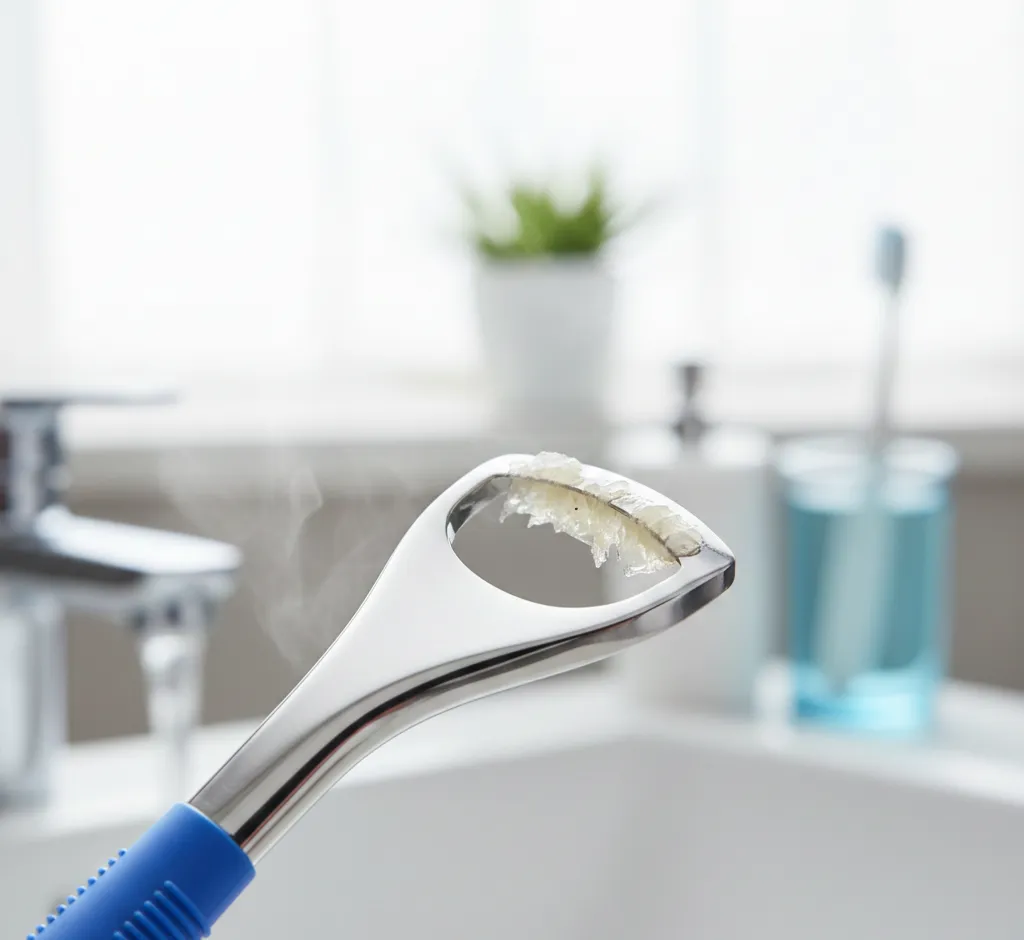
- If you prefer, use a dedicated tongue scraper instead of the toothbrush.
This step helps reduce bad breath and gives a cleaner, fresher feeling.
9. Spit, do not rinse immediately
After brushing, spit out the excess toothpaste foam instead of rinsing your mouth vigorously with water right away. Leaving a small amount of toothpaste on your teeth allows the fluoride more time to strengthen the enamel.
- If you feel the need to rinse, use just a small sip of water.
- Avoid rinsing with mouthwash straight after brushing unless instructed by a dentist, as it can also wash away fluoride.
10. Rinse and store the toothbrush
- Rinse the toothbrush head thoroughly under running water to remove toothpaste and debris.
- Store it upright in an open holder so it can air dry.
- Avoid covering the brush or storing it in a closed container while still wet, as this encourages bacterial growth.
Brushing Tips for Children
Good brushing habits start early. Parents play a key role in helping children learn proper technique and consistency.
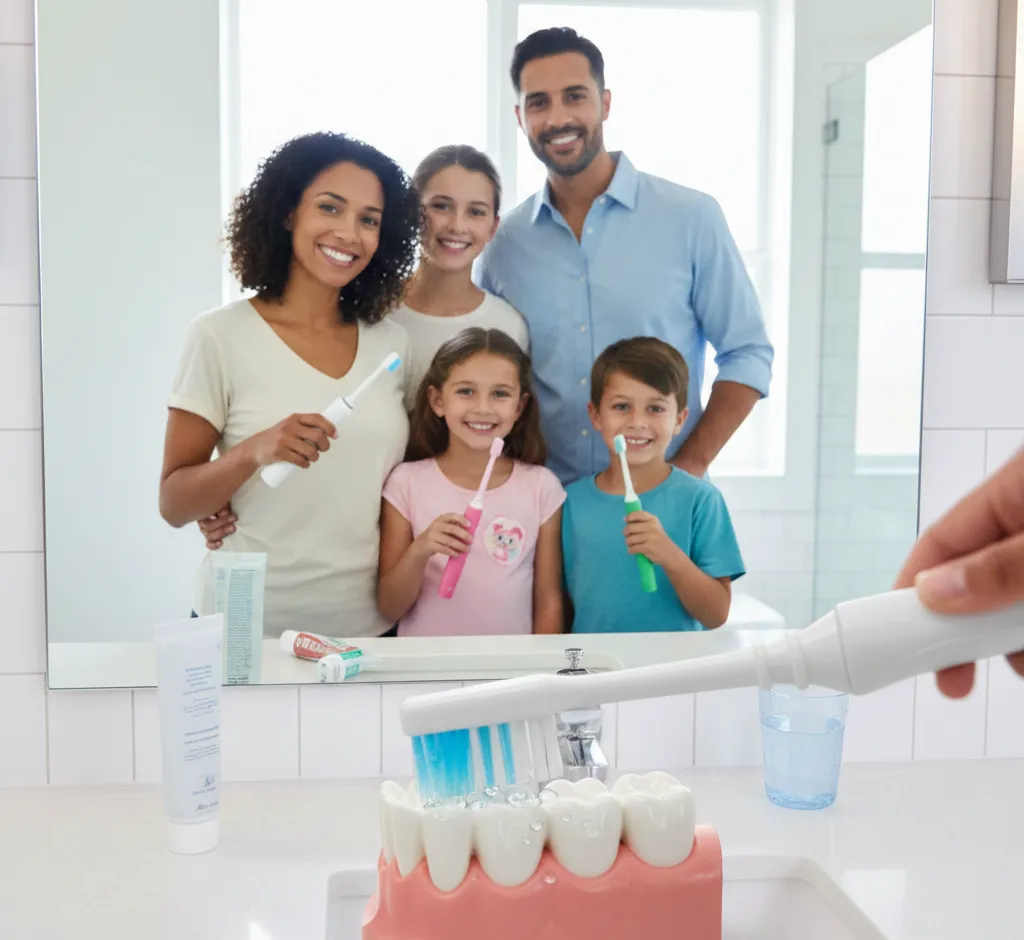
- Assist young children: An adult should brush a child’s teeth for them or supervise closely until at least age 7–8, or until the child can write neatly, which indicates good hand control.
- Use the right amount of toothpaste: For children under three, use a tiny smear; for ages 3–6, use a pea‑sized amount.
- Make it fun: Use a colorful brush, play a two‑minute song, or use a brushing chart and stickers as rewards.
- Teach spitting: Encourage children to spit out toothpaste, not swallow it.
Regular dental checkups for children also help catch problems early and reinforce good brushing habits.
Common Brushing Mistakes to Avoid
Even people who brush twice a day often make errors that reduce effectiveness or cause long‑term damage. Avoid these common mistakes:
- Brushing too hard: Pressing firmly does not clean better; it can erode enamel and cause gum recession.
- Using a hard‑bristled brush: Stiff bristles scrape tooth surfaces and irritate gums.
- Rushing: Brushing for less than two minutes leaves plaque behind, especially in hard‑to‑reach areas.
- Skipping the gumline: Plaque often accumulates where teeth and gums meet, so this area needs special attention.
- Forgetting inner surfaces and back teeth: These areas are out of sight but highly vulnerable to decay.
- Not replacing the toothbrush: Old, frayed bristles are far less effective at removing plaque.
- Rinsing aggressively right after brushing: This washes away protective fluoride too soon.
Brushing Alone Is Not Enough
Proper daily brushing is essential, but it is only one part of a complete oral hygiene routine. For the best protection:
- Floss once a day: Flossing removes plaque and food trapped between teeth where the toothbrush cannot reach.
- Use mouthwash if recommended: Antimicrobial or fluoride mouthwashes can provide extra protection, especially for people at higher risk of cavities or gum disease.
- Limit sugary snacks and drinks: Frequent sugar intake feeds harmful bacteria and speeds up decay.
- Drink plenty of water: Water helps wash away food particles and supports healthy saliva flow.
- Visit the dentist regularly: Professional cleanings and exams, typically every 6–12 months, catch problems early and remove tartar that brushing alone cannot handle.
Frequently Asked Questions About Daily Toothbrushing
Is it possible to brush too much?
Brushing more than three times a day, especially with heavy pressure, can wear down enamel and damage gums. Focus on two thorough, gentle sessions per day instead of many quick, aggressive ones.
Should you brush before or after breakfast?
Many dental professionals suggest brushing before breakfast to remove overnight plaque and coat teeth with fluoride before eating. If you prefer to brush after a meal, wait about 30 minutes, especially if you had acidic foods or drinks, so softened enamel can re‑harden before brushing.
What if gums bleed when brushing?
Occasional light bleeding can happen when improving brushing or flossing habits, especially if gums are inflamed. Continue to brush gently along the gumline and floss regularly. If bleeding is heavy, painful, or lasts more than a week, schedule a dental checkup to rule out gum disease or other issues.
Is an electric toothbrush worth it?
For many people, electric toothbrushes make it easier to brush for the full two minutes with consistent, effective motion. They are especially helpful for people with braces, arthritis, or difficulty maintaining good technique with a manual brush. However, a manual toothbrush used correctly can still deliver excellent results.
Make Proper Brushing a Daily Habit
Brushing teeth properly every day does not require special skill—only the right technique, tools, and consistency. Use a soft‑bristled brush, fluoride toothpaste, and a gentle 2‑minute routine that covers every surface, every time.
Combined with daily flossing, a balanced diet, and regular dental visits, correct brushing is one of the simplest and most effective ways to protect your teeth, keep your gums healthy, and enjoy a fresh, confident smile for life.