How to Choose a Modern Glass Desk and the Perfect Matching Chair
Learn how to choose a modern glass desk and perfectly matching chair. Discover style pairings, ergonomic tips, sizing, colors, and practical advice for a comfortable, contemporary workstation.
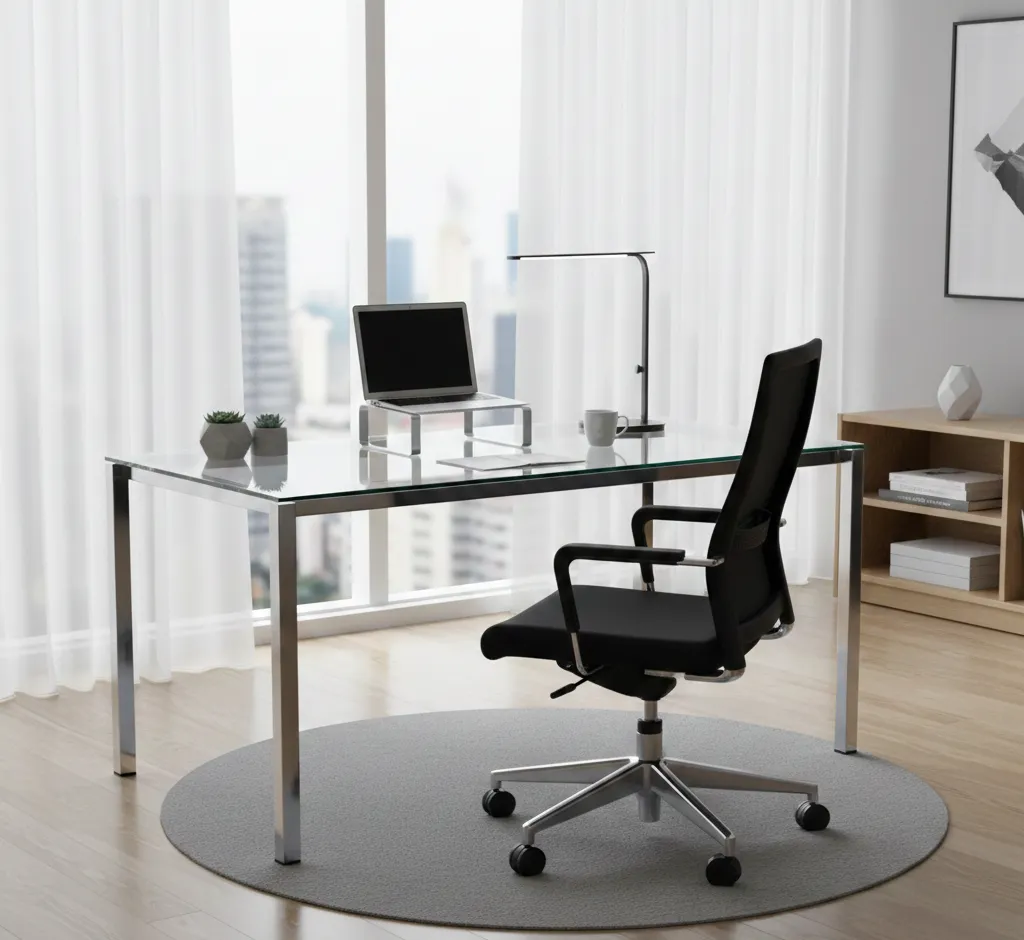
Modern glass desks have become a go-to choice for home offices and contemporary workplaces. They look light, elegant, and help small rooms feel more open. But the real magic happens when you pair your glass desk with the right chair. A well-matched chair does not just complete the look; it also supports your posture, boosts productivity, and makes your workspace truly comfortable.
In this guide, you will learn how to choose a modern glass desk and a perfectly matching chair that work together visually, ergonomically, and practically. We will cover style, comfort, materials, color coordination, sizing, and maintenance so you can make a confident, long-term investment in your workspace.
Why Modern Glass Desks Are So Popular
Before choosing a matching chair, it helps to understand what makes glass desks unique. Glass offers several advantages that influence the kind of chair you should pair with it.
- Visual lightness: Glass tops do not block light or views, so they make rooms feel larger, less cluttered, and more modern.
- Clean, minimal aesthetic: Glass desks fit easily into minimalist, contemporary, and even industrial interiors.
- Material versatility: Glass can be combined with metal, wood, or acrylic legs, which opens up many styling options for your chair.
- Reflective surfaces: The glass surface reflects light and nearby colors, which makes color harmony with your chair especially important.
Because glass is visually delicate, the wrong chair can easily overpower it or look mismatched. That is why you should evaluate both items together, as a pair, rather than buying them in isolation.
Step 1: Choose the Right Glass Desk
Start by selecting your desk. Once you know its size, height, base material, and style, you will find it easier to narrow down the best matching chair.
Desk size and shape
The size and shape of your glass desk will determine how much space you have for a chair and how much visual weight the chair can carry.
- Small rectangular desks (up to 120 cm wide): Best for compact task chairs or armless office chairs that easily slide under the top.
- Standard desks (120–160 cm wide): Work well with most ergonomic office chairs, including models with armrests and high backs.
- L-shaped or corner glass desks: Provide more surface area, making them ideal for larger ergonomic chairs with adjustable headrests and wider seats.
- Round or oval glass desks: Often used as multi-purpose or meeting desks, so consider swivel chairs or conference chairs with a smaller footprint.
Make sure there is enough clearance under the desk for your thighs and knees, especially if the glass top is supported by a frame, crossbar, or drawers.
Desk height and ergonomics
Most modern desks, including glass ones, are about 72–76 cm high. This height works for most people when combined with an adjustable chair, but small differences still matter.
- If your desk is on the higher side (around 76 cm), you will need a chair with a taller seat range.
- If your desk feels low, you may prefer a chair that can go lower while still supporting your back.
Ideally, you want to sit so that your elbows form roughly a right angle when typing, and your feet rest flat on the floor. A good chair will provide the required seat-height range to match your particular desk.
Desk frame material and style
While the glass top is the star, the base often dictates which chair styles will look harmonious.
- Glass + metal frame: Sleek and modern, pairs well with mesh office chairs, minimalist task chairs, and chrome or black bases.
- Glass + wood frame: Warmer and more natural, goes great with upholstered chairs, leather office chairs, or chairs with wooden accents.
- Glass with acrylic or clear legs: Ultra-minimal, works best with lightweight, visually simple chairs that do not overpower the transparent look.
Take photos or measurements of your desk base before shopping for a chair. This will help you compare finishes (like black metal, chrome, or oak) and match them more accurately.
Step 2: Define the Role of Your Workspace
How you plan to use your glass desk should strongly influence the type of chair you select. A stylish guest chair that works for short sessions will not feel comfortable for full-time remote work.
For full-time work or long study sessions
If you will sit at your glass desk for many hours each day, prioritize an ergonomic office chair with the following features:
- Adjustable seat height and tilt.
- Adjustable lumbar (lower back) support.
- Comfortable armrests (fixed or adjustable).
- Breathable backrest (mesh or well-ventilated upholstery).
- Stable base with smooth-rolling casters.
In this scenario, comfort and support come first, but that does not mean sacrificing aesthetics. Look for slim-profile ergonomic chairs or models with clean lines that complement the lightness of your glass desk.
For occasional work, make-up desks, or side tasks
If you use the desk mainly for quick laptop sessions, writing, or as a vanity table, you can prioritize style a bit more and choose:
- Compact upholstered chairs.
- Armless fabric chairs with slim legs.
- Scandinavian-style wooden chairs with a padded seat.
These options can feel more like decor pieces while still offering basic support for shorter periods.
For shared or multipurpose spaces
In living rooms or shared home offices, the desk and chair must look good from multiple angles and blend with existing furniture. Look for:
- Neutral colors (gray, beige, white, black) that do not clash with your sofa or dining chairs.
- Chairs that look good when tucked under the glass top so that the room still feels open.
- Swivel chairs or conference-style chairs with a lower back for a more streamlined look.
Step 3: Match Styles Without Overcomplicating
Style matching is about balance. Your glass desk sets a modern tone by default, but you can lean more industrial, minimalist, luxurious, or cozy depending on your chair choice.
Popular style pairings
- Minimalist pairing: Glass desk with a simple white or black task chair, clean lines, and minimal cushioning. Works well in small spaces and contemporary studios.
- Luxury pairing: Glass desk with a leather executive chair, chrome base, and subtle stitching. Ideal for professional home offices or executive spaces.
- Scandinavian pairing: Glass top on a light wood frame with a soft, fabric-upholstered chair in beige, light gray, or dusty pastels.
- Industrial pairing: Glass with dark metal frame and a chair featuring black metal details, darker upholstery, or leather in tan or chestnut tones.
When in doubt, choose one hero piece (either the desk or the chair) and keep the other visually simpler. For example, pair a striking sculptural chair with a clean, straightforward glass desk, or choose a bold, architectural glass desk and keep the chair minimal.
Coordinating colors and finishes
Color pairs can make or break the combination. Because glass reflects surroundings, clashing shades become more obvious.
- Match or echo the frame: If your glass desk has black legs, a black chair base or armrests creates instant harmony.
- Use a neutral plus one accent: For example, a clear glass desk with a chrome frame and a soft gray chair, plus a single accent color in accessories.
- Consider the floor: Dark floors often look good with lighter chairs, while light floors pair well with medium or dark chairs.
Avoid overly busy prints or bright neon colors on the chair in a small room; the reflection on the glass can make the space feel chaotic.
Step 4: Get the Proportions Right
Even a stylish chair will look out of place if it is the wrong size for your glass desk. Aim for visual and functional proportion.
Seat height vs. desk height
Most office chairs allow you to adjust the seat from about 42 to 52 cm from the floor. For a standard desk height (around 74–75 cm), that works for most adults. Check the specifications for both desk and chair and make sure the ranges overlap comfortably.
When seated, you should be able to:
- Place your feet flat on the floor or on a footrest.
- Keep your knees close to a 90-degree angle.
- Maintain elbows at or slightly above desk height while typing.
Chair width and depth
Measure the space between the desk legs or supports. Your chair should glide in and out without scraping or getting stuck.
- Leave at least a few centimeters of clearance on each side of the chair.
- Mind armrests; they can collide with the underside of the glass or the frame.
- Check the depth so that, when tucked in, the chair does not stick too far into the walkway behind you.
Backrest height and visual balance
High-back chairs can look very commanding behind a delicate glass desk. Sometimes that is the goal; other times it feels overwhelming.
- Use high-back or executive chairs in larger rooms or with wider, more substantial glass desks.
- Choose mid-back or low-back chairs in compact spaces or with ultra-minimal glass tables to preserve the airy look.
Step 5: Prioritize Comfort and Ergonomics
Design matters, but comfort will determine whether you actually enjoy using your modern glass desk every day. A visually perfect chair that hurts your back is not a good investment.
Key ergonomic features to look for
- Lumbar support: A curve that supports the natural S-shape of your lower spine.
- Adjustable seat height: Essential for matching desk height and your body proportions.
- Seat depth: You should be able to sit back against the backrest while leaving a small gap between the front of the seat and the back of your knees.
- Armrests (optional but helpful): They reduce strain on shoulders and neck, especially during long typing sessions.
- Tilt and recline: A slight recline can lower pressure on your spine and make long sessions more comfortable.
Materials and breathability
The material of the chair has both comfort and aesthetic implications when paired with glass.
- Mesh: Very breathable and inherently modern; pairs beautifully with metal-framed glass desks.
- Fabric: Softer and cozier; ideal when you want to balance the cool feel of glass with warmth.
- Leather or faux leather: Luxurious and easy to wipe clean; best matched with more substantial glass desks or professional environments.
Choose materials that suit your climate as well. In warmer rooms, mesh or lighter fabrics are usually more comfortable than thick leather.
Step 6: Practical Considerations with Glass
Glass desks look stunning, but they also show fingerprints, dust, and cable clutter more easily. When choosing your chair, consider how it will interact with these realities.
Protecting the floor and the glass
- Use soft casters or an appropriate floor mat if you have hardwood, laminate, or delicate floors.
- Ensure that no part of the chair frame hits or rubs against the glass edge when you move it.
- Check that armrests do not strike the glass top when you pull the chair close.
These small details make a big difference in preventing scratches, chips, and long-term wear.
Cleaning and maintenance
Both the glass desk and the chair will benefit from a simple maintenance routine.
- Wipe the glass top regularly with a suitable glass cleaner and a soft cloth.
- Dust or vacuum fabric and mesh chairs and spot-clean stains as soon as they appear.
- Condition leather occasionally (if real leather) to prevent cracking and preserve its look.
Because glass makes everything visible, a clean chair and cable-managed setup will instantly elevate the entire workstation.
Step 7: Planning the Overall Workspace Layout
The relationship between your modern glass desk and matching chair does not exist in a vacuum. Consider their position in the room and how people move around them.
Allow enough clearance
Make sure there is enough space behind and around the chair for you to move comfortably.
- Leave at least 75–90 cm behind the chair for standing up and sitting down easily.
- In narrow rooms, you may need a smaller chair to maintain good flow.
Use accessories to tie the look together
Accessories help connect the glass desk and chair into a cohesive design story.
- Choose a desk lamp with a finish that matches the chair base (black, chrome, brass).
- Add a small rug under the desk area that complements the chair color without competing with the transparency of the glass.
- Use cable organizers to keep wires tidy, so the reflections on the glass remain clean and minimalist.
Common Mistakes to Avoid
To make your decision easier, here are some frequent pitfalls to watch out for when pairing a modern glass desk with a chair.
- Choosing style over comfort: A beautiful but uncomfortable chair will frustrate you quickly, especially if you work long hours.
- Ignoring measurements: Failing to check desk height, chair range, or leg spacing often leads to poor ergonomics and awkward fitting.
- Overly bulky chairs with delicate desks: A massive executive chair can visually crush a slim glass desk, particularly in small spaces.
- Clashing colors and finishes: Mismatched metals or overly bright fabrics can feel chaotic when reflected in the glass.
- Neglecting floor protection: Hard casters on delicate floors can cause damage, especially at a fixed desk position.
Putting It All Together
Selecting a modern glass desk and a matching chair is about balancing aesthetics, ergonomics, and practicality. Start by understanding the role of your workspace, then choose a glass desk that fits your room and style. From there, narrow down chair options that match the desk's height, frame material, and visual weight.
Focus on comfort and long-term use, especially if you spend many hours at your desk. Coordinate colors and finishes so the chair feels like a natural extension of the glass desk rather than an afterthought. Finally, pay attention to clearance, maintenance, and protection of floors and glass surfaces.
When all these elements come together, the result is a workspace that looks clean and modern, supports your body, and encourages you to sit down and do your best work every day.