How to Choose a Quiet Professional Hair Dryer for Your Salon
Learn how to choose a quiet professional hair dryer for your salon. Discover key features, ideal decibel levels, motor types, and practical tips to create a calmer, more comfortable salon environment without sacrificing performance.
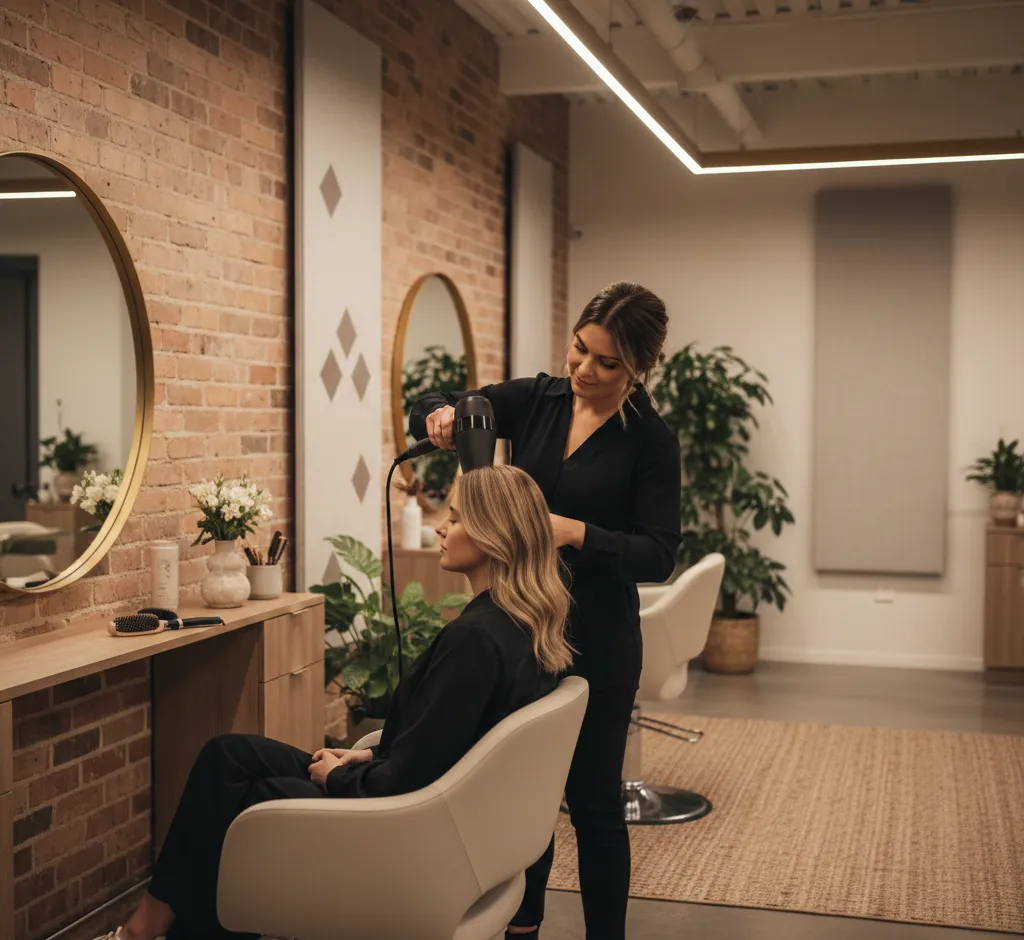
Noise levels in salons are rising. Between blow dryers, clippers, background music, and conversation, the sound environment can quickly become tiring for stylists and clients alike. That is why more and more salon owners are actively looking for quiet professional hair dryers that combine power, speed, and comfort without the constant roar.
This guide explains how to select the right low-noise dryer for your salon, what technical features matter most, how decibel ratings really work, and how to balance silence with performance and durability. Use it as a practical checklist before your next purchase.
Why Quiet Hair Dryers Matter in a Salon
Health and comfort for stylists
Stylists spend hours each day working with hair dryers near their ears. Prolonged exposure to noise above safe levels can contribute to fatigue, stress, and long-term hearing issues. A quiet professional hair dryer:
- Reduces ear fatigue over long shifts.
- Lowers stress levels by creating a calmer working environment.
- Supports compliance with occupational health recommendations related to noise exposure.
Better client experience
Clients visit salons not only for services but also for relaxation and connection. High noise levels make conversation difficult and can create a rushed or stressful impression. Using quieter dryers helps you:
- Maintain easy conversation during blowouts and styling.
- Create a spa-like feel, especially in premium or boutique salons.
- Improve perceived quality of your overall service and brand.
Professional image and differentiation
Investing in quiet technology signals that your salon cares about detail and comfort. It can differentiate you from competitors and justify higher pricing, especially when you position your space as a relaxing, wellness-oriented environment.
Understanding Noise Levels: Decibels and Perceived Loudness
When comparing quiet professional hair dryers, you will often see noise measured in decibels (dB). Understanding these numbers helps you make smarter choices.
What decibel ratings mean
Decibels are a logarithmic scale. This means that small numerical changes can represent big differences in perceived loudness:
- A dryer rated around 60–70 dB is considered relatively quiet for professional use.
- Typical older salon dryers can reach 80–90 dB or more, which feels significantly louder.
- Every increase of about 10 dB is perceived as roughly twice as loud to the human ear.
Noise level vs. sound quality
Two dryers can have similar dB ratings but sound very different. Pay attention to:
- Pitch of the sound – high-pitched whines can be more annoying than a lower hum.
- Vibration and rattling – poor build quality increases perceived noise over time.
- Consistency – a smooth, even sound is less tiring than fluctuating loudness.
Whenever possible, test dryers in person or listen to real-life video reviews recorded in salon settings rather than relying only on manufacturer specifications.
Key Features of Quiet Professional Hair Dryers
Silence alone is not enough in a professional environment. Your hair dryer still needs power, control, and reliability. Here are the main features to evaluate.
1. Motor type and technology
The motor is the heart of any hair dryer and a major factor in both noise and performance.
- Brushless digital motors (often marketed as "digital" or "EC" motors) are typically lighter, more energy-efficient, and can be engineered to operate with reduced noise.
- AC motors are traditional salon-grade motors known for durability and strong airflow, but some older designs can be loud.
- DC motors are generally lighter and cheaper, often used in consumer dryers, but may not be as durable under heavy salon use.
For quiet professional performance, look for modern brushless or well-designed AC motors specifically marketed as low-noise or acoustic-optimized.
2. Airflow and wattage
Many stylists equate higher wattage with more power, but airflow design is just as important as the number on the box.
- Professional quiet dryers often range from 1,600 to 2,200 watts.
- A well-engineered airflow path can deliver strong drying performance at moderate wattage and lower noise.
- Look for models that specify both airflow (m³/h or l/s) and noise level, not just wattage.
Your goal is to find a balance: strong, focused airflow for fast drying without the excessive roar.
3. Noise-reduction design
Manufacturers use different engineering techniques to suppress noise. When evaluating a quiet hair dryer, check for:
- Internal sound insulation around the motor and fan.
- Optimized air channels that reduce turbulence and whistling.
- Balanced fan blades to minimize vibration.
- Noise-dampening housings or special acoustic panels.
These design choices may not be obvious from the outside, so read product descriptions carefully and look for explicit references to noise reduction or acoustic technology.
4. Heat and speed settings
Having more control over heat and airflow lets you work more precisely while keeping noise manageable.
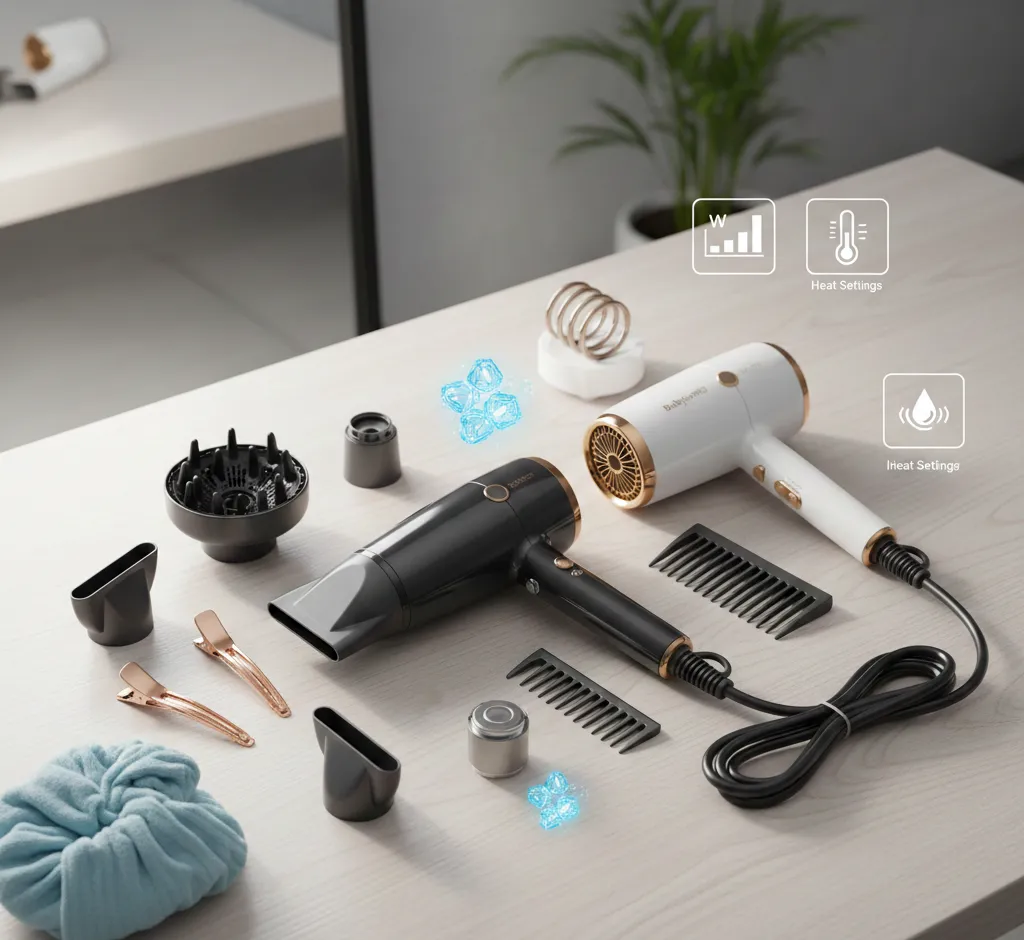
- Look for at least 3 heat settings and 2 speed settings, plus a cool shot button.
- Running the dryer at slightly lower speed often significantly reduces noise while still delivering great results, especially with the right nozzle.
- Consistent temperature control helps prevent heat damage even at lower settings, which is useful for fine or fragile hair.
5. Weight, balance, and ergonomics
A quiet dryer that is heavy or awkward will still cause fatigue. Since stylists use dryers for hours, prioritize:
- Lightweight construction, ideally under 500–600 g (without cord).
- Well-balanced design that does not strain wrist or shoulder.
- Comfortable grip with intuitive button placement.
Quieter motors often allow more compact, lighter bodies, which is a major advantage in a salon setting.
6. Attachments and accessories
The right attachments help you work faster and more quietly by controlling airflow more precisely.
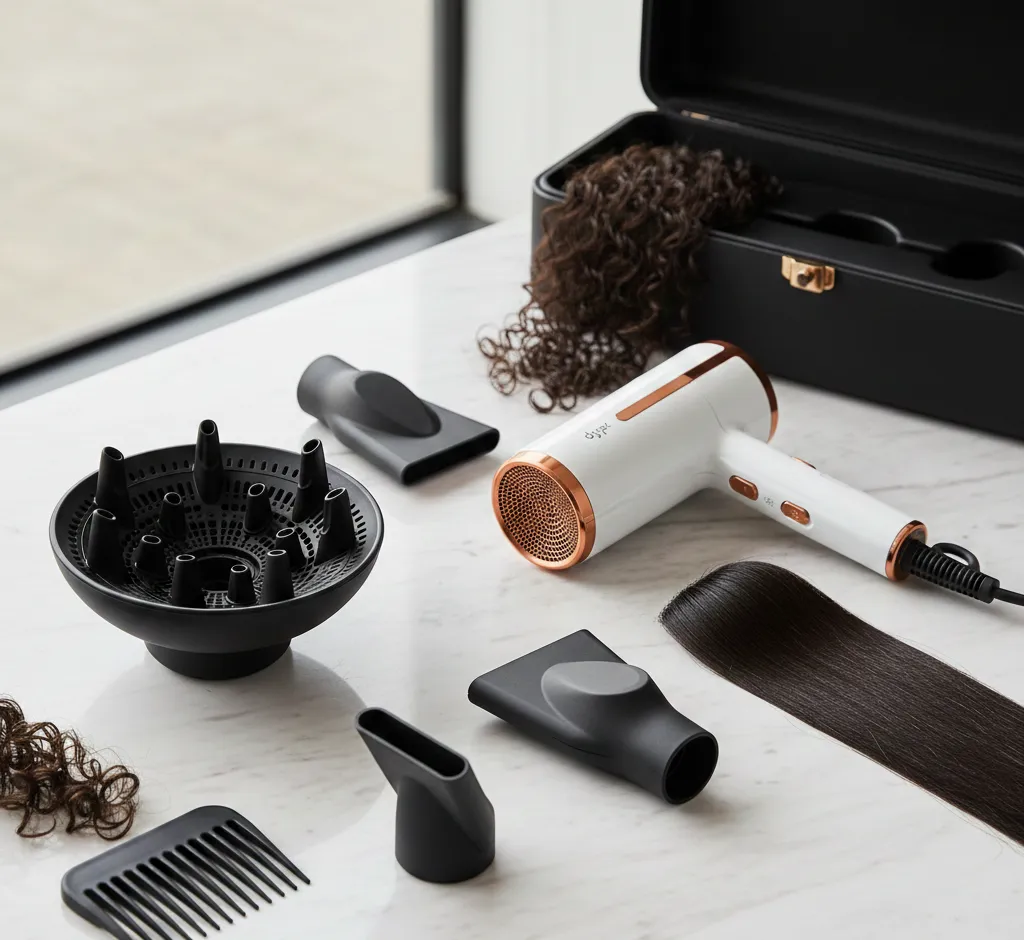
- Concentrator nozzles direct air for smooth blowouts and polishing.
- Diffusers enhance natural curls and waves while softening airflow, which can also feel quieter on the scalp.
- Noise-friendly design in attachments (smooth internal surfaces and secure fit) reduces whistling and rattling sounds.
7. Durability and maintenance
Any dryer can become noisier over time if it is not maintained properly. To preserve quiet operation, choose models with:
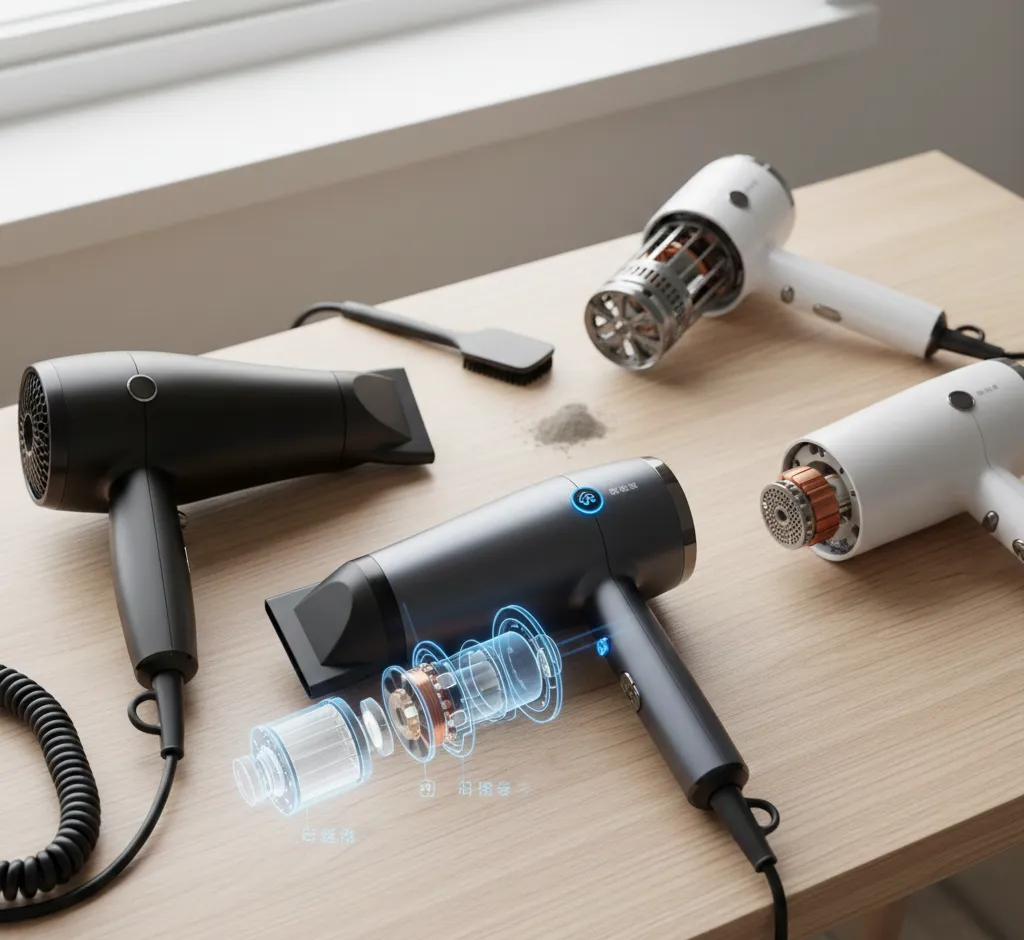
- Removable filters for easy cleaning of dust and hair.
- Quality materials that resist cracking and vibration.
- Professional warranties and reliable support from known brands.
Clean filters regularly to maintain airflow and avoid the motor working harder (and louder) than necessary.
How to Evaluate Quiet Hair Dryers Before Buying
Because "quiet" can be a marketing term, you need a systematic approach to evaluation.
1. Set your noise target
Start by deciding what you consider acceptable noise in your salon. For most professional spaces:
- A target of around 60–75 dB at normal working distance is a realistic range.
- If you offer spa-like or premium experiences, choose models closer to the lower end of this range.
2. Compare technical specifications
When narrowing down options, create a simple comparison table or checklist. For each model, note:
- Noise level (dB), if published.
- Motor type (brushless, AC, etc.).
- Wattage and airflow.
- Number of heat and speed settings.
- Weight and cable length.
This makes it easier to see which dryers offer the best mix of performance and quiet operation.
3. Listen to real-world reviews
Technical data is helpful, but real-world feedback is essential. Before deciding, look for:
- Video reviews where you can hear the dryer running in a typical room.
- Comments from other salon owners about noise levels during daily use.
- Feedback about changes in noise over time, especially after months of heavy use.
4. Test in your salon environment
If possible, order one unit to test before equipping all stations. During your trial:
- Use the dryer during several full working days.
- Ask stylists to rate perceived noise and comfort compared with your current dryers.
- Consider how easy it is to hold a conversation with clients while the dryer is on.
- Check whether noise from several dryers operating at once remains acceptable.
5. Balance price with total value
Quiet professional hair dryers often cost more than standard models, but look at the bigger picture:
- Improved stylist comfort and reduced fatigue.
- Better client experience and potential for higher retention.
- Brand positioning as a modern, wellness-focused salon.
When you factor in these benefits over the lifespan of the dryer, a higher initial investment in a quiet model is often justified.
Creating a Quieter Overall Salon Environment
Choosing quiet hair dryers is a major step, but you can go further by managing the acoustic environment of your salon as a whole.
Strategic layout of workstations
Plan your floor layout to minimize noise concentration in one area. Practical ideas include:
- Spacing styling stations so multiple dryers are not clustered too tightly.
- Separating wash basins and quiet treatment areas from the busiest blow-dry zones.
- Positioning reception away from the noisiest equipment.
Soft materials and sound absorption
Hard surfaces reflect sound and amplify noise. Introduce materials that absorb sound to complement your quiet equipment:
- Upholstered chairs or benches.
- Acoustic panels or decorative wall treatments.
- Rugs or soft floor runners in select areas where suitable.
Adjusting background music and ambience
Lowering the volume of background music can reduce the overall sound load and make conversation easier. Instead of covering dryer noise with louder music, focus on:
- Moderate, consistent volume throughout the day.
- Calming playlists that suit your brand identity.
- Occasional quiet periods for a more spa-like feel.
Practical Checklist: Selecting a Quiet Professional Dryer
Use this quick checklist when evaluating your next professional hair dryer purchase:
- Noise level: Is the dryer clearly marketed and reviewed as quiet or low-noise? Are dB levels provided, ideally in the 60–75 dB range?
- Motor type: Does it use a modern brushless or professional-grade motor optimized for low noise and longevity?
- Performance: Does it offer sufficient power and airflow for fast salon work without needing maximum settings all the time?
- Control: Are there multiple heat and speed settings, plus a cool shot, for flexible styling?
- Ergonomics: Is the dryer lightweight, well balanced, and comfortable for long use?
- Attachments: Do you receive professional nozzles and diffusers that support your most common services?
- Durability: Are materials, filters, and warranty suitable for daily salon use?
- Real-world feedback: Do other professionals confirm that the dryer remains quiet and reliable over time?
Frequently Asked Questions About Quiet Salon Dryers
Are quiet hair dryers less powerful?
Not necessarily. Modern engineering and brushless motors allow manufacturers to deliver strong airflow at lower noise levels. While some ultra-quiet models may trade a small amount of power for silence, many premium professional dryers achieve both fast drying and low noise through advanced design.
What is a realistic budget for a quiet professional dryer?
Professional quiet hair dryers generally sit in the mid to premium price range. While exact pricing varies by brand and region, expect to pay more than for basic consumer dryers. However, considering how many hours per day you use them, investing in higher-quality, low-noise tools usually pays off in comfort, professionalism, and client satisfaction.
How many quiet dryers should a salon have?
Ideally, every workstation should be equipped with a quiet professional dryer, especially if you want a consistently calm sound environment. If budget is limited, start by replacing the loudest, oldest models and gradually upgrade the rest as resources allow.
How often should filters be cleaned?
Filter cleaning frequency depends on usage and the amount of dust in your salon, but a good rule for busy salons is to check and clean filters at least once a week. This simple task keeps airflow strong, extends motor life, and prevents increasing noise caused by the motor straining against clogged vents.
Final Thoughts
Selecting the right quiet professional hair dryer for your salon is about more than just decibel numbers. It involves balancing noise reduction with power, ergonomics, quality, and the experience you want to deliver for both stylists and clients.
By understanding how noise levels work, evaluating the key technical features, and considering the overall acoustic design of your salon, you can create a space that feels modern, calm, and professional—without sacrificing speed or performance. When your tools work quietly in the background, the focus returns to what matters most: exceptional hair services and meaningful client relationships.