How to Choose a Scandinavian Style Home Office Chair
Learn how to select the perfect Scandinavian style home office chair that combines comfort, ergonomics, and minimalist design for a productive workspace.

Creating a comfortable and visually calm workspace starts with the chair you sit on every day. A Scandinavian style home office chair can transform your home office into a bright, minimal and functional environment that supports both productivity and wellbeing. This style blends clean lines, natural materials and ergonomic design so that your chair feels as good as it looks.
What Defines a Scandinavian Style Office Chair?
Scandinavian design is known for its minimalist aesthetic, emphasis on function and use of natural materials. A home office chair in this style usually features simple silhouettes, light color palettes and thoughtful details that never feel busy or overdesigned.
Instead of flashy shapes or bold colors, the visual impact comes from balance and proportion. The chair should look light and airy, with a form that fits seamlessly into a decluttered, calm workspace. This makes it easier to focus on work rather than on the furniture around you.
Key Visual Characteristics
- Clean lines: Straight or gently curved lines that feel streamlined rather than bulky.
- Light, neutral colors: Whites, soft greys, beige, sand and muted pastels that visually open up the room.
- Natural materials: Wood, especially oak, ash or beech, often paired with fabric or leather upholstery.
- Subtle detailing: Tapered legs, rounded edges and soft curves instead of ornate decoration.
Functional Design Principles
Scandinavian chairs follow the idea that every design decision should serve a purpose. That means no unnecessary elements, and every feature should support comfort, stability or ease of use. This functional mindset suits a home office perfectly, because it keeps the space efficient and uncluttered.
When you assess a chair, look for how each part contributes to your everyday work: how the backrest supports you, how the seat distributes weight, and whether adjustments are intuitive. A true Scandinavian style chair hides its practicality behind a calm and simple appearance.
Ergonomics First: Protecting Your Body
While style matters, your home office chair is a tool you use for hours every day. Ergonomics should be the first filter when selecting any chair, including Scandinavian designs. A beautiful chair that causes back or neck pain will quickly become an expensive mistake.
Ergonomic features work together to maintain a neutral posture. This reduces strain on joints, keeps blood circulating and helps you stay focused for longer periods without discomfort.
Essential Ergonomic Features
- Adjustable seat height: Your feet should rest flat on the floor with knees at roughly 90 degrees and thighs parallel to the ground.
- Lumbar support: The backrest should support the natural curve of your lower back instead of forcing it flat.
- Comfortable seat depth: There should be a small gap (around two to three fingers) between the front of the seat and the back of your knees.
- Supportive cushioning: Firm enough to hold shape during long sessions, yet soft enough to prevent pressure points.
- Stable base: A sturdy, preferably five-point base if it is a wheeled desk chair, for balance and smooth movement.
Balancing Ergonomics and Minimalism
A common assumption is that minimalist chairs are less ergonomic, but Scandinavian style shows that simplicity and support can coexist. Instead of bulky padding and complex mechanisms, the focus is on well-shaped forms and hidden adjustments.
When you test or evaluate chairs, pay less attention to how many knobs they have and more to how your body feels when seated. You should be able to maintain an upright, relaxed posture without muscular effort. The chair should help you sit well, not make you work to stay comfortable.
Materials and Finishes: Natural, Durable, Practical
The materials you choose affect not only the appearance of your home office chair, but also durability, comfort and maintenance. Scandinavian design traditionally favors honest, natural materials that age gracefully instead of plastic-heavy construction.
Wood, textiles and leather play a central role in creating warmth and a feeling of quality. Combined with a neutral color palette, these materials help make even a small home office feel welcoming and calm.
Wood Types and Bases
- Oak and ash: Popular for their light tones, visible grain and robustness. They pair well with white or grey interiors.
- Beech: Slightly warmer in color, ideal for adding a soft, cozy mood to a minimal office.
- Metal bases: Powder-coated steel or aluminum in white, black or light grey offer a modern contrast and higher durability in wheeled chairs.
For a pure Scandinavian look, opt for light or natural finishes instead of dark stains. Matte or satin finishes tend to feel more understated and refined than glossy varnishes.
Upholstery Options
- Fabric: Breathable and comfortable for long hours, available in subtle textures and neutral shades. Choose high abrasion resistance for better longevity.
- Leather or faux leather: Easy to wipe clean, more formal in appearance and well-suited for compact spaces that need sleek surfaces.
- Mesh: Offers excellent ventilation and a lighter visual profile, working particularly well in modern Nordic-inspired offices.
Whichever material you choose, consider how it will age and how much care it needs. Lighter fabrics show stains more easily, while darker ones can visually shrink the room. Aim for a balance between practicality and the bright, airy feel that defines Scandinavian style.
Choosing the Right Type of Chair
“Scandinavian office chair” covers several categories, from fully adjustable task chairs to simple wooden shell chairs. The best type for your home office depends on how many hours you sit, what kind of work you do and how flexible your workspace needs to be.
Before focusing on color or details, decide which general chair type matches your daily routine. This will prevent buying a chair that looks beautiful but does not suit how you actually work.
Ergonomic Task Chair
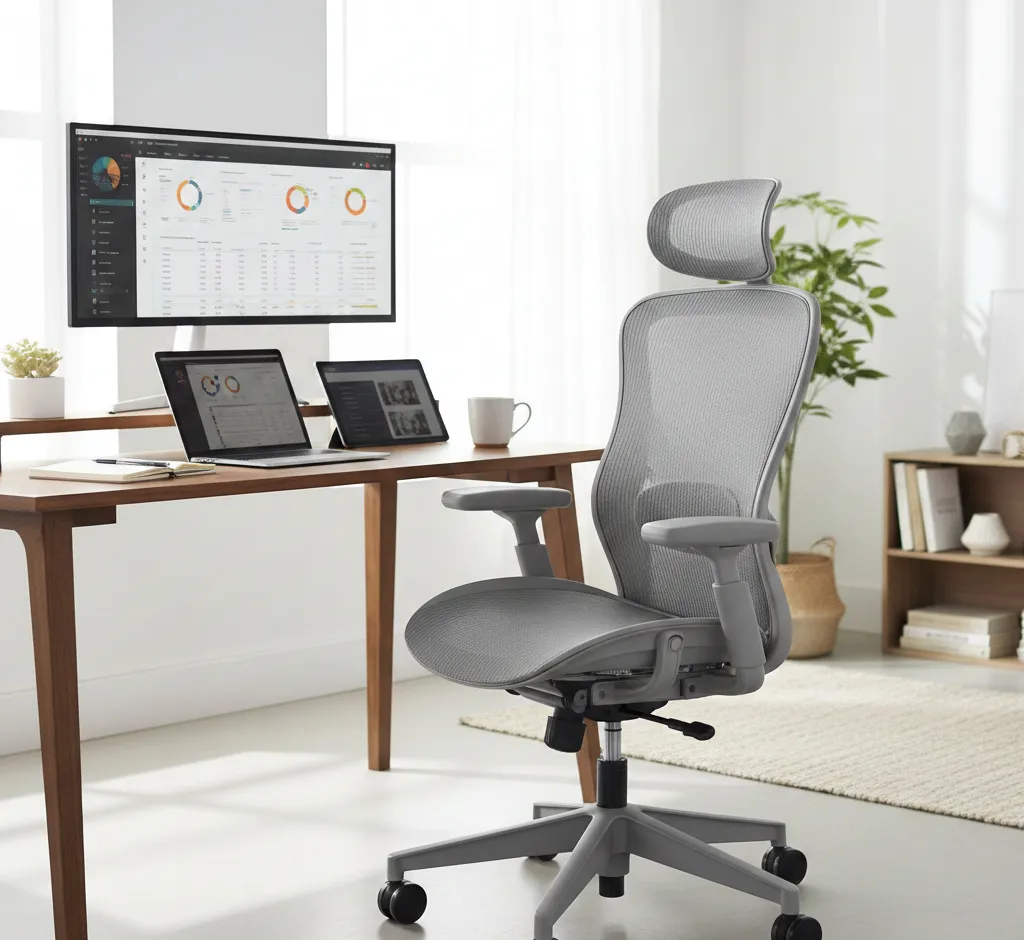
For full-time remote work or long computer sessions, a Scandinavian-inspired ergonomic task chair is often the healthiest option. It usually includes adjustable height, tilt and sometimes armrests, but keeps the design slim and understated.
- Ideal for 6–8+ hours of daily sitting.
- Best balance of lumbar support, adjustability and a clean silhouette.
- Often combines a metal or nylon base with a simple upholstered or mesh seat and back.
Wooden Shell or Dining-Style Chair
For shorter work periods or multi-purpose rooms, a wooden shell chair or dining-style chair in Scandinavian design can double as a desk and dining chair. These chairs are visually light and integrate easily into open-plan living spaces.
- Suitable for 2–4 hours a day of desk work.
- Works well when the desk is in a living room or bedroom and aesthetics are a priority.
- Should still offer a shaped back and seat; adding a thin cushion can improve comfort.
Armchair-Style Home Office Chair
If your work involves reading, planning or creative brainstorming rather than constant typing, an armchair-style Scandinavian seat can be a cozy alternative. With slightly reclined backs and soft upholstery, these chairs create a relaxed, “hygge” atmosphere.
- Best for creative or occasional work, not all-day desk use.
- Pairs well with a secondary task chair when you need a more upright position.
- Helps visually separate a reading or thinking corner from the main desk zone.
Size, Proportions and Space Planning
Even the most comfortable chair feels wrong if it overwhelms the room or doesn’t fit under the desk. Scandinavian style favors furniture that breathes, leaving space around pieces so the room looks open and orderly.
Measure your room, desk and walking paths before purchasing, and consider how the chair moves when you swivel or roll back. A good layout prevents visual clutter and physical bumps into walls or furniture.
Measuring for a Good Fit
- Seat height vs. desk height: Ideally, your forearms should rest roughly parallel to the desk surface when typing.
- Chair width: Make sure there is enough space between the chair arms (if any) and the desk legs or drawer units.
- Clearance behind the chair: Leave enough room to roll or slide the chair back and stand up comfortably.
A slightly smaller, visually lighter chair will often look better in compact home offices. Scandinavian design’s slim frames and thin legs are perfect for small spaces, making the room feel larger than it is.
Proportions with Other Furniture
The chair should feel in proportion with the desk and surrounding furniture. If the desk is slender and minimal, a heavy, bulky chair will feel out of place, and vice versa. Aim for similar visual weight and style language in both pieces.
Leg shapes and materials can also help tie everything together. Combining a wooden chair base with a wooden desk or matching metal finishes between desk and chair creates a cohesive and intentional look.
Color and Styling in a Scandinavian Home Office
Color plays a huge role in Scandinavian interiors, where light and calm are prioritized. Your office chair is a significant surface area of color, so choosing wisely can either support or disrupt your design.
Neutrals and nature-inspired tones work best for maintaining a soothing atmosphere. They also age well in terms of trends, keeping your office from looking dated too quickly.
Neutral and Accent Options
- Classic neutrals: White, grey and beige blend with most wall and floor colors, making the chair almost “disappear” visually.
- Warm naturals: Tan leather, sand tones and natural wood add warmth while staying understated.
- Soft accents: Dusty blue, sage green or muted terracotta can introduce personality without breaking the calm, Nordic mood.
If you want the chair to act as a subtle focal point, choose a slightly deeper tone than the rest of the room, but keep it within the same soft, desaturated palette. This keeps the look cohesive and harmonious.
Textiles and Accessories
To soften the minimal lines, consider adding a thin seat cushion, a small lumbar pillow or a cozy throw over the back of the chair. Stick to natural fibers like wool, cotton or linen in simple weaves and solid colors.
These accessories enhance comfort and bring in the signature Scandinavian coziness without clutter. Just avoid piling on too many items, as that can quickly break the clean, airy feeling you want to maintain.
Practical Considerations: Maintenance and Longevity
A home office chair is an investment item, so it should stay comfortable and attractive for many years. Scandinavian design naturally leans toward lasting quality, but you still need to evaluate construction and maintenance requirements before buying.
Look for signs of solid craftsmanship: joints that feel secure, bases that do not wobble and fabrics that are tightly stretched and neatly finished. Choosing quality now usually means fewer replacements later.
Cleaning and Care
- Fabric: Check whether covers are removable and washable or if the fabric is treated for stain resistance.
- Leather: Use appropriate cleaners and conditioners to keep it supple and to minimize cracking over time.
- Wood: Wipe with a soft damp cloth and avoid harsh chemicals; occasional oiling may be needed, depending on the finish.
In a light, Nordic-inspired palette, minor marks and dust are more visible, so regular quick maintenance can keep the chair looking fresh. Choosing slightly textured fabrics can help disguise daily wear compared with very flat, uniform textiles.
Build Quality and Warranty
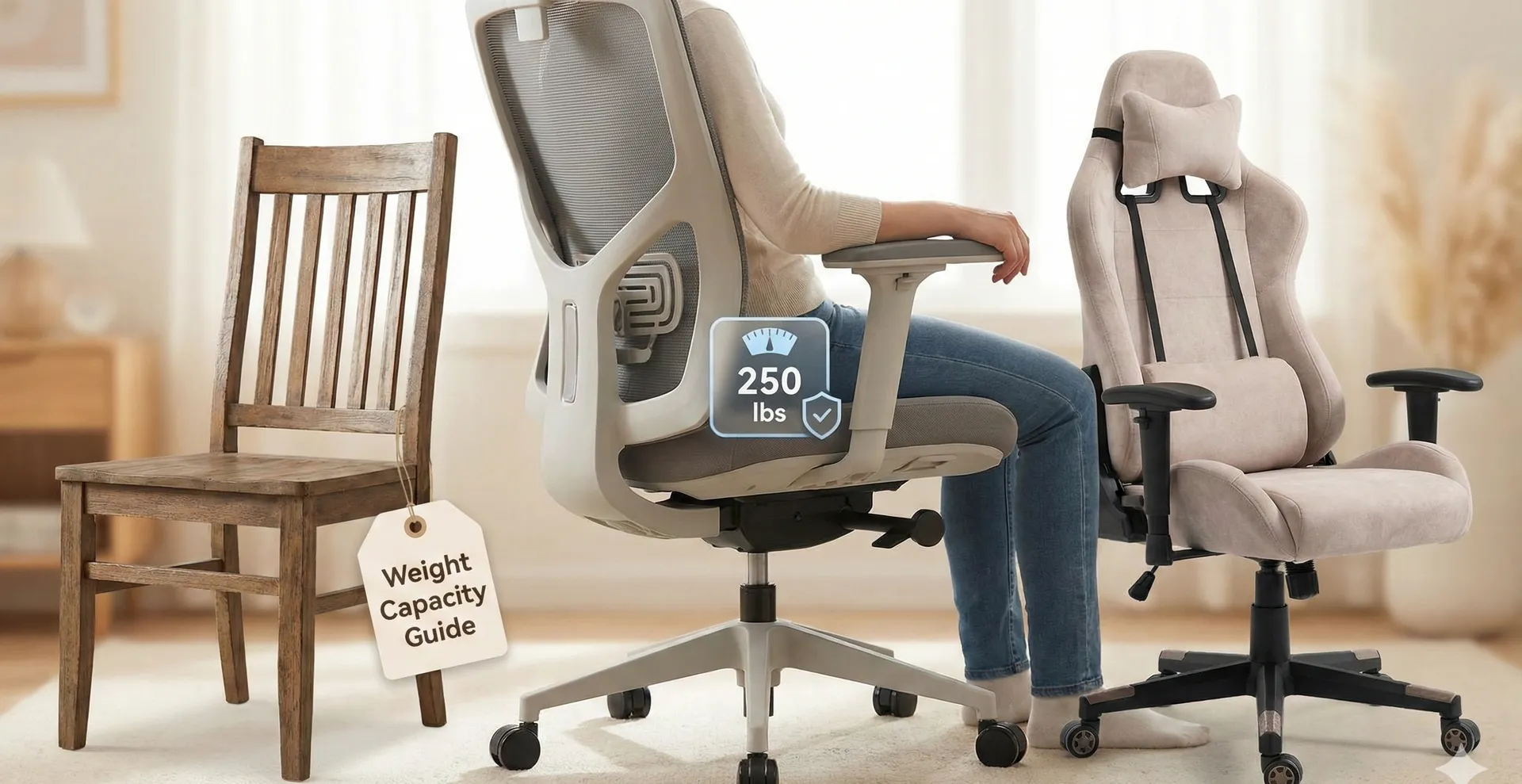
Pay attention to weight capacity, mechanism warranties and user reviews when possible. A Scandinavian style chair should not only appear minimal but also feel structurally solid and supportive under everyday use.
Many higher-quality chairs offer multi-year warranties on mechanical parts or upholstery. While they may cost more upfront, their durability and comfort often result in a lower cost per year of use than cheaper alternatives.
Aligning Your Chair with Your Work Habits
The best Scandinavian style home office chair is one that matches your actual work rhythm and lifestyle. A chair that suits a part-time student may not suit a full-time remote professional, even if both prefer Scandinavian aesthetics.
Before finalizing your purchase, reflect on how you spend a typical workday, how often you change posture and what kind of tasks you perform most.
Questions to Ask Yourself
- How many hours do I sit at the desk on a normal day?
- Do I need wheels and swivel for frequent reaching and turning, or is a static chair enough?
- Do I share the chair with anyone else who might need different height or support settings?
- Is my desk fixed in height, or can I adjust it to better match a new chair?
Your answers will guide you toward either a more ergonomic, adjustable model or a simpler shell chair. In both cases, sticking to Scandinavian design principles ensures you end up with a chair that is calm, functional and visually timeless.
Step-by-Step Checklist Before Buying
To bring everything together, use a simple checklist when comparing options online or in-store. This helps filter out chairs that look appealing but would not support your long-term comfort or design goals.
- Confirm ergonomics: Check for proper back support, appropriate seat height and enough depth for your legs.
- Evaluate materials: Choose natural or high-quality materials that match your maintenance preferences.
- Check proportions: Measure your desk and room to ensure the chair fits physically and visually.
- Align with color scheme: Select a neutral or softly colored finish that supports a calm, Scandinavian palette.
- Assess durability: Look at weight rating, construction details and any available warranty information.
- Reflect on habits: Match chair type (task, shell, or armchair-style) with how you actually use your home office.
Once a chair meets all of these criteria, you can feel confident that it will not only look beautiful in your Scandinavian style home office but also support your health and productivity every day.