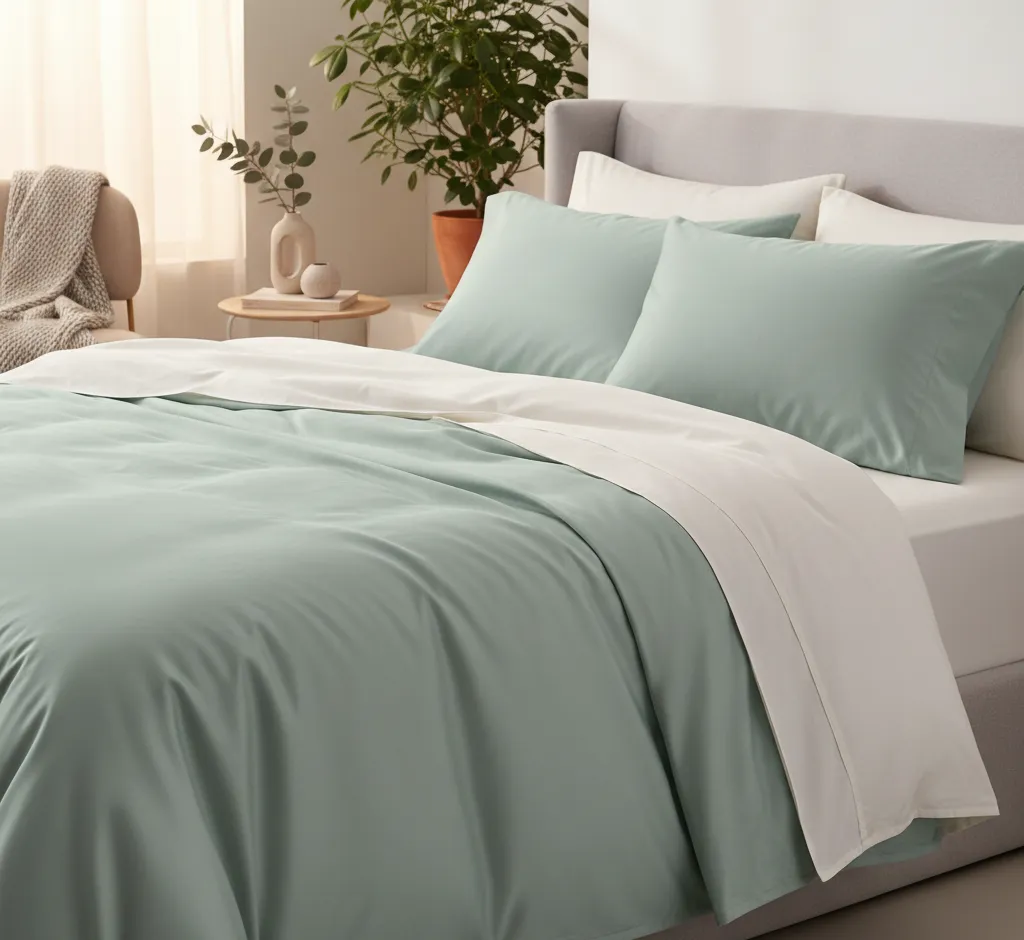
How to Choose Bedding for Platform Beds: A Complete Guide
Learn how to choose the best bedding for platform beds, from correct mattress and sheet sizes to duvet, comforter, and pillow choices. Get practical tips for style, comfort, and durability.
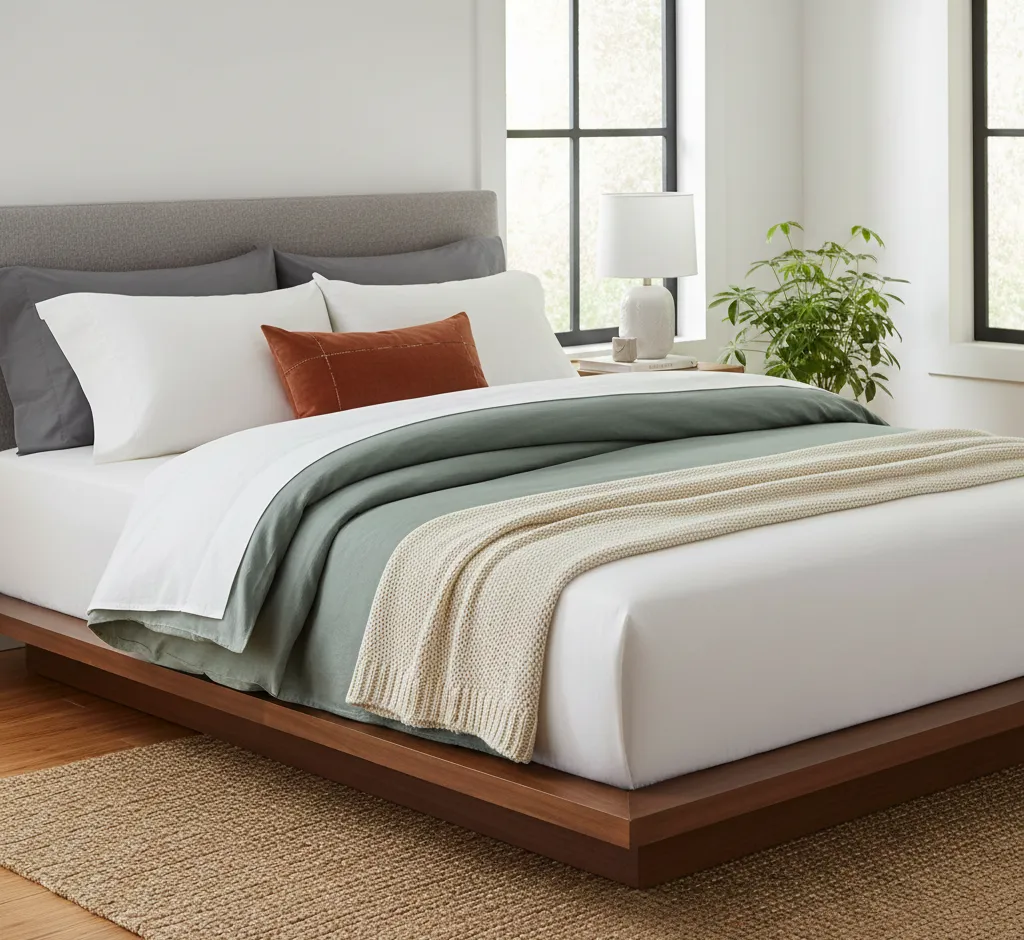
Platform beds have become a favorite in modern and minimalist interiors thanks to their clean lines, low profile, and sleek design. But while they look simple, choosing the right bedding for a platform bed is anything but basic. From getting the correct sheet depth to balancing proportions with duvets and pillows, small details can make the difference between a polished designer look and a bed that never feels quite right.
This guide walks you step-by-step through how to choose bedding for platform beds so your sleeping space can be as comfortable as it is stylish. We will cover mattress and sheet sizing, which bedding materials work best, how to layer for different climates, and how to style a platform bed for a finished, intentional look.
Understanding Platform Beds and Their Unique Needs
Platform beds differ from traditional beds because they do not require a box spring. The mattress rests directly on a solid or slatted base, which creates a lower, more streamlined profile. This design affects how bedding fits and how it looks from every angle.
Key characteristics of platform beds
- Lower height: Platform beds typically sit closer to the floor than traditional bed frames.
- Visible frame: The platform and side rails are often visible, making proportion and drape important.
- No box spring: The mattress sits directly on the platform, changing the total bed height and bedding fit.
- Modern aesthetic: They often work best with clean, tailored bedding rather than overly bulky layers.
Because of these features, bedding that works on a standard bed may look oversized or messy on a platform bed. Choosing the right size, weight, and style will help maintain the clean lines that make platform beds so popular.
Step 1: Choose the Right Mattress Size and Height
Before buying bedding, confirm the exact size and thickness of your mattress. This is essential for getting sheets and toppers that actually fit your platform bed.
Measure mattress size and thickness
- Measure length and width: Confirm whether your bed is Twin, Full, Queen, King, or another size, and double-check measurements in centimeters or inches.
- Measure thickness: Measure from the platform surface to the top of the mattress. Platform-bed mattresses are often between 20–35 cm thick, but can be thinner or thicker depending on the style.
- Consider toppers: If you use a mattress topper, include its height in your measurements.
Many standard sheet sets are designed for deeper, box-spring-style setups. If your mattress is thinner than average, the wrong fitted sheet can look loose and baggy, which ruins the neat, modern platform-bed look.
Best mattress height for platform beds
- Low profile (15–20 cm): Very sleek and modern, but can make the bed feel quite low. Works well in minimalist interiors.
- Standard height (20–30 cm): Comfortable, visually balanced on most platform frames, and easier to find fitted sheets for.
- Tall mattresses (over 30 cm): Offer a plush feel but can overpower a low platform base and look top-heavy.
Visually, aim for a mattress height that doesn’t overwhelm the frame and still leaves some of the platform edge visible if that is part of the bed’s design. This will influence how you select coordinating bedding pieces later.
Step 2: Selecting Sheets That Actually Fit a Platform Bed
Sheets are the foundation of your bedding. On a platform bed, they need to fit snugly to avoid bunching, slipping, or hanging awkwardly over the frame.
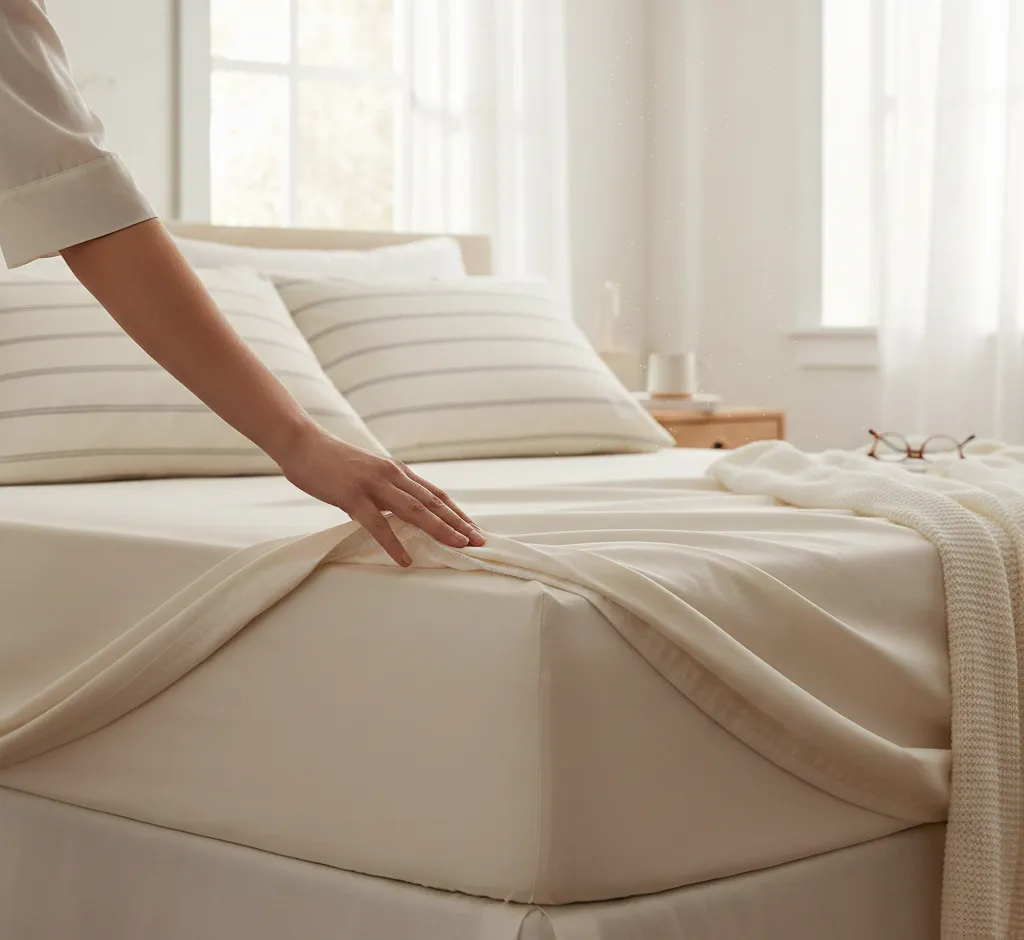
Fitted sheet depth and elastic
The most common fit issue on platform beds is sheet corners popping off or looking loose. To avoid that, pay close attention to pocket depth.
- Standard pocket (up to ~30 cm): Suitable for most platform-bed mattresses without thick toppers.
- Deep pocket (30–40+ cm): Good for very thick mattresses, but may be too loose on low-profile platforms.
- Fully elasticized edges: Look for fitted sheets with elastic around the entire perimeter (not just the corners) for a secure, tight fit.
Ideally, your fitted sheet pocket should be a few centimeters deeper than your mattress to allow for tuck, but not so deep that excess fabric pools on the surface.
Flat sheet size and drape
On a platform bed, a flat sheet that is too large can hang too low, hiding the beautiful lines of the frame. Choose a size that provides enough coverage for comfort without dragging on the floor.
- Check manufacturer dimensions: Not all brands size flat sheets the same, so compare measurements with your mattress size.
- Aim for a shorter drop: A slightly shorter drop on the sides can look neater on a low platform bed.
- Consider going one size down: If your bedding typically overwhelms the frame, a smaller flat sheet size can provide a cleaner look.
Sheet materials: comfort and style
The material you choose for your sheets influences both comfort and how the bed visually reads in the room.
- Cotton percale: Crisp, breathable, and ideal for warm sleepers. Works well in modern, minimal spaces.
- Cotton sateen: Softer and silkier with a slight sheen, great for a more luxurious look.
- Linen: Relaxed, textured, and breathable. Pairs perfectly with the casual elegance of many platform beds.
- Bamboo or TENCEL™: Smooth, cool, and eco-conscious. Good for hot sleepers and contemporary interiors.
- Jersey: Cozy and stretchy, ideal for casual bedrooms or guest rooms, but can look less tailored.
For a platform bed, fabrics with a bit of weight and structure (like percale or linen) tend to drape better and maintain a cleaner profile than very flimsy, thin fabrics.
Step 3: Choosing Comforters, Duvets, and Blankets
Your top layer defines the overall look of the bed. On a low-profile platform, the key is achieving balance: too bulky and the bed looks heavy; too thin and it can appear unfinished.
Duvet vs. comforter for platform beds
- Duvet + cover: Flexible and easy to wash. You can switch covers seasonally to refresh the room. Choose a duvet that is not overly lofty so it doesn’t overwhelm the low base.
- Comforter: A single-piece option that is simpler to style. Look for a medium loft and dimensions that don’t extend too far beyond the sides.
For a tailored, modern effect, many people prefer duvets in neutral tones, layered with throws and pillows for color and texture rather than bulk.
Size and drop for a sleek look
Because platform beds sit lower, the standard recommendations for duvet or comforter sizes may result in excessive overhang. Consider the visual drop you want on each side.
- Minimal drop (10–20 cm per side): Emphasizes the frame and keeps the focus on the bed’s architecture.
- Medium drop (20–30 cm): Softens the look while still showing some of the platform.
- Avoid floor-grazing lengths: These can look heavy and collect dust, which particularly clashes with the platform bed aesthetic.
If your comforter or duvet constantly covers the entire frame and hangs close to the floor, try sizing down or choosing a thinner insert to reduce bulk.
Fill and weight for comfort
Next, think about climate and personal comfort preferences.
- Down: Lightweight and insulating, ideal if you like a plush but not heavy feel.
- Down alternative: Hypoallergenic and easy to care for, with various warmth levels available.
- Cotton or wool: Natural, breathable options that regulate temperature well.
- Seasonal weights: Consider a lighter insert for summer and a heavier insert for winter if you use a duvet.
A platform bed with a very low profile looks best with a comforter or duvet that lies relatively flat and conforms to the mattress, instead of creating a high, pillowy mound.
Step 4: Layering Blankets and Throws
Blankets and throws let you add warmth, color, and texture without compromising the clean lines of a platform bed. They also help define the personality of the room.
Types of blankets that work well
- Cotton blankets: Lightweight, breathable, and easy to wash. Perfect for layering.
- Waffle-weave or honeycomb blankets: Add subtle texture and dimension without bulk.
- Wool or cashmere throws: Provide warmth and a refined, cozy feel for the foot of the bed.
- Knitted throws: Add visual interest and softness, especially in boho or Scandinavian-inspired rooms.
How to place blankets on a platform bed
- Base blanket: Lay a lightweight blanket flat over your sheets, tucked neatly at the sides and bottom for a tailored look.
- Accent throw: Fold a throw and place it at the foot of the bed either straight across or slightly angled for a relaxed but intentional look.
- Color balance: Use throws to introduce accent colors that tie into your rug, curtains, or wall art.
Since the bed is lower, these layers are more visible from across the room, so choose colors and textures that complement your overall design scheme.
Step 5: Pillows and Shams for Proportion
Pillow styling is especially important on platform beds because the headboard (if there is one) is often shorter or more minimal. Pillows provide height and help visually anchor the bed against the wall.
How many pillows should you use?
- Sleeping pillows: 2 for smaller beds (Twin/Full), 4 for Queen and larger.
- Shams or Euro pillows: 2 Euro shams for Queen, 3 for King to create a balanced backdrop.
- Accent cushions: 1–3 decorative throw pillows to add color and personality.
On a low platform bed, avoid too many small pillows, which can look cluttered and fight against the minimalist look. Instead, use fewer, larger pillows arranged in clean layers.
Pillow covers and fabrics
Match or complement your duvet cover or comforter for a cohesive look.
- Shams: Often come with your duvet set and create a unified, hotel-style appearance.
- Euro pillows: Great for softer headboards or no headboard at all, providing support and structure.
- Accent pillow covers: Choose interesting textures like velvet, linen, or bouclé to create contrast with your main bedding fabric.
Choose colors that either blend into the bedding for a serene look or stand out with bolder hues and patterns if you want the bed to be the focal point of the room.
Step 6: Matching Bedding Style to Your Platform Bed Design
Platform beds come in many styles: ultra-minimal, mid-century modern with wooden legs, upholstered, Japanese-inspired low frames, and more. Your bedding should enhance the character of the bed, not compete with it.
Minimalist and modern platform beds
- Choose solid colors or subtle patterns in whites, neutrals, charcoals, or earthy tones.
- Use clean lines and simple folds rather than overly layered, frilly bedding.
- Opt for matte, textured fabrics like washed cotton or linen for a sophisticated yet relaxed feel.
Wooden or mid-century platform beds
- Highlight warm wood tones with earthy colors like rust, olive, terracotta, or deep blues.
- Incorporate small-scale patterns—stripes, checks, or geometric prints—to echo mid-century style.
- Balance the warmth of wood with crisp white or cream sheets for contrast.
Upholstered platform beds
- Coordinate bedding tones with the headboard fabric for a harmonious look.
- Use layered textures like quilted covers, velvet cushions, or knitted throws to enhance softness.
- Keep patterns balanced—if the headboard is bold, use simpler bedding, and vice versa.
Ultra-low or Japanese-style platform beds
- Embrace a zen, minimal palette of neutrals and soft natural tones.
- Use lightweight duvets or coverlets instead of bulky comforters.
- Keep layers simple and low to respect the bed’s close-to-the-ground profile.
Step 7: Practical Considerations – Maintenance and Durability
Beautiful bedding should also be practical. Platform beds often become visual focal points, so maintaining fresh, clean bedding is important both for comfort and for style.
Easy-care fabrics
- Machine washable: Choose sheets, duvet covers, and blankets that are easy to machine wash and dry.
- Wrinkle resistance: Percale and linen naturally have a lived-in look, while sateen tends to appear smoother. Decide which you prefer.
- Colorfast dyes: Especially for darker or bold-colored bedding on light frames, choose high-quality dyes to prevent fading.
Protecting your mattress and platform
- Use a mattress protector to guard against spills and sweat, especially since the mattress is closer to the floor and more exposed to dust.
- Ensure your slats or platform base allow adequate airflow to prevent moisture buildup.
- Vacuum or dust around and under the bed regularly, as low beds can accumulate dust more quickly.
Step 8: Color, Pattern, and Room Cohesion
Bedding is one of the most impactful ways to set the mood in your bedroom. With a platform bed, the broad, horizontal surface of the mattress naturally draws the eye, so your color and pattern choices matter.
Choosing a color palette
- Calm and serene: Whites, soft grays, beige, and muted pastels create a relaxing retreat.
- Warm and cozy: Rich neutrals, browns, deep greens, and terracotta tones add depth and warmth.
- Bold and modern: High-contrast combinations like black and white or navy and white make a strong statement.
To keep the room cohesive, pull colors from existing elements like your rug, artwork, curtains, or headboard. This ensures your platform bed feels integrated into the space rather than visually isolated.
Using pattern thoughtfully
- Limit yourself to one or two main patterns to avoid visual clutter.
- Mix one patterned piece (like a duvet) with solid sheets and pillows for balance.
- Choose horizontal or simple geometric patterns that complement the strong lines of the platform.
Common Mistakes to Avoid with Platform Bed Bedding
To get a polished, magazine-worthy result, steer clear of these frequent errors when choosing bedding for platform beds.
- Using oversized bedding: Comforters or duvets that hang too low hide the platform and make the bed look bulky.
- Ignoring mattress thickness: Fitted sheets that are too deep or too shallow will slip or look untidy.
- Too many pillows: Overloading the bed with small pillows disrupts the clean lines of a platform bed.
- Clashing colors and patterns: Busy combinations can overwhelm the sleek base and make the room feel smaller.
- Neglecting quality: Thin, low-quality fabrics wear out quickly and detract from the bed’s appearance.
Quick Checklist: How to Choose Bedding for Platform Beds
Use this quick checklist when shopping or refreshing your platform bed bedding:
- Measure your mattress size and thickness accurately.
- Choose fitted sheets with the correct pocket depth and full elastic.
- Select flat sheets, duvets, or comforters that provide a neat, not floor-length, drop.
- Pick materials suited to your climate and style (percale, sateen, linen, bamboo, etc.).
- Layer with blankets and throws for texture rather than excess bulk.
- Use Euro shams and a few accent pillows to create height and proportion.
- Match bedding style to the design of your platform bed (minimalist, mid-century, upholstered, or Japanese-inspired).
- Ensure your choices are easy to maintain and durable.
By focusing on fit, proportion, and coordination with your room’s overall style, you can transform a simple platform bed into a comfortable, visually striking centerpiece. Thoughtfully chosen bedding will not only look beautiful but also support restful, restorative sleep night after night.