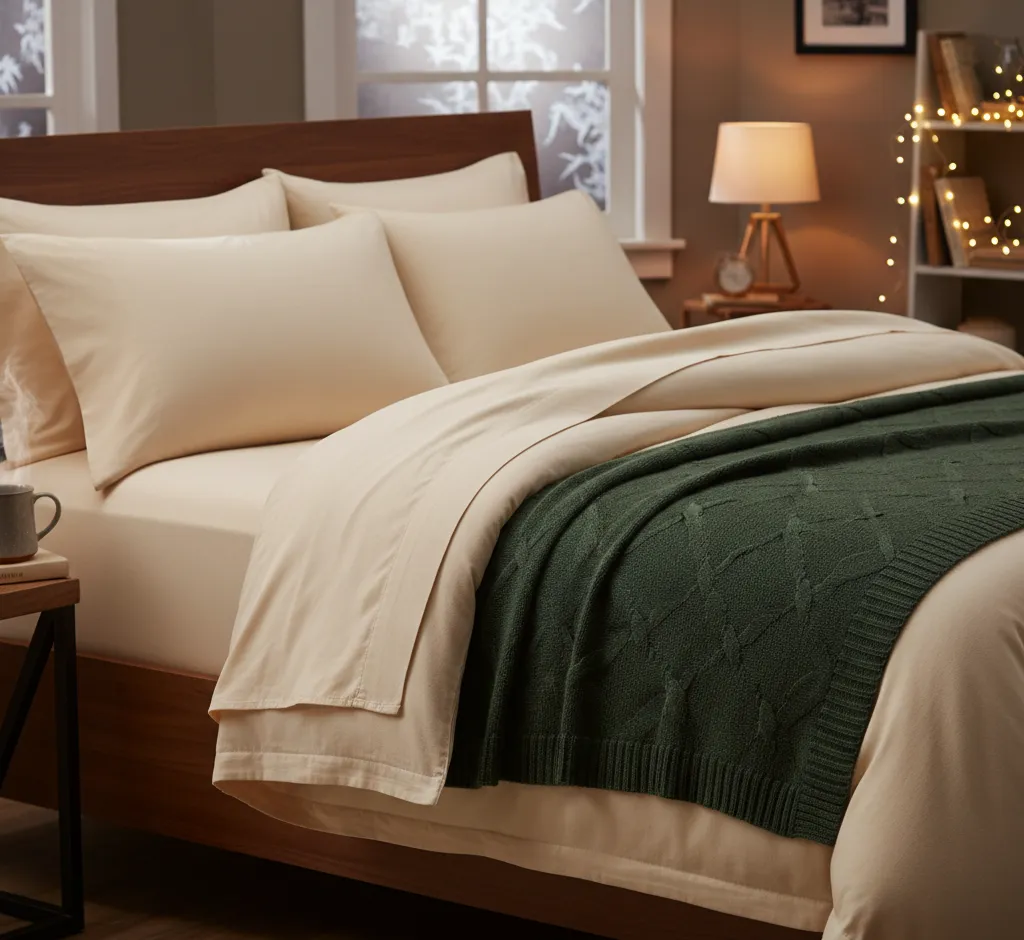
How to Choose Bedding for Waterbeds: A Complete Practical Guide
Learn how to choose bedding for waterbeds with this complete guide. Discover the best sheets, mattress pads, and comforters for hardside and softside waterbeds, plus sizing, fabric, and care tips.
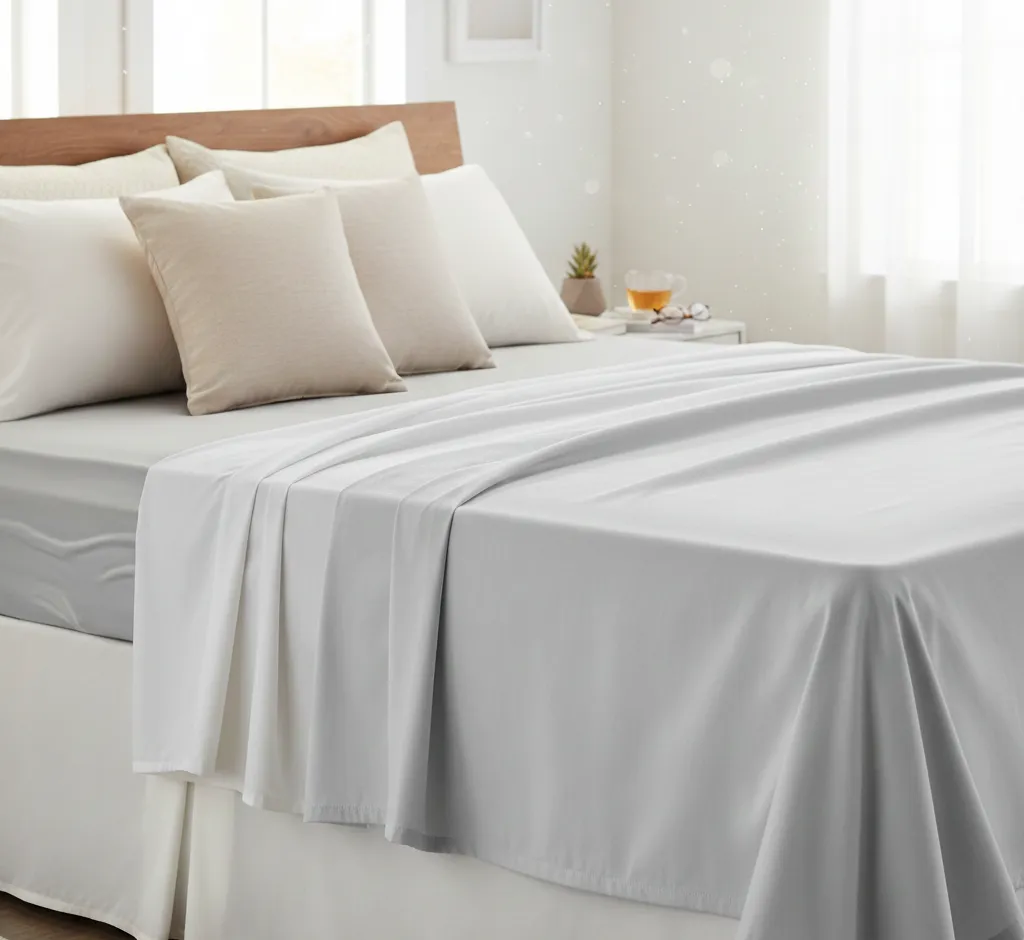
Waterbeds offer a unique level of comfort and support, but they also need specialized bedding to perform at their best. The right sheets, mattress pads, and accessories will help you sleep more comfortably, protect your mattress, and extend its lifespan. This guide explains exactly how to choose bedding for waterbeds so you can avoid common mistakes and get the most from your bed.
Why Waterbeds Need Special Bedding
Waterbeds are very different from traditional spring or foam mattresses, and that difference matters when you choose bedding. The surface shifts slightly as you move, the corners are shaped differently, and many waterbeds sit inside a wooden frame rather than on a box spring.
Because of this, standard bedding often doesn’t fit well, slides around, or wears out faster. Investing in bedding designed specifically for waterbeds ensures a snug fit, better comfort, and fewer nighttime adjustments.
Understand Your Type of Waterbed First
Before choosing any bedding, identify what type of waterbed you have. The structure and dimensions will determine the size and style of bedding you need.
Hardside vs. Softside Waterbeds
The most important distinction is between hardside and softside waterbeds.
- Hardside waterbeds: The vinyl water mattress sits inside a wooden frame. The frame provides structure and keeps the mattress in place. The sleeping surface is usually larger than standard mattresses and has square, rigid edges.
- Softside waterbeds: The water chambers are enclosed in a soft, padded casing that looks similar to a traditional mattress. Softside models often match standard mattress dimensions and can usually use conventional bedding if the depth is correct.
Hardside waterbeds nearly always require dedicated waterbed sheets and mattress pads. Softside waterbeds may work with deep-pocket standard sheets but often still benefit from bedding labeled specifically for softside designs.
Know Your Waterbed Size and Depth
Waterbed sizes don’t always match the usual twin, full, queen, or king labels. Even when the names are similar, the measurements may be different, especially for hardside models.
- Measure the length and width: Measure inside the frame for hardside beds and across the top surface for softside beds.
- Measure the depth: Deep water chambers and padded tops can make the mattress taller than average. Deep-pocket or extra-deep-pocket bedding may be needed.
- Check the manufacturer’s specs: When in doubt, refer to the owner’s manual or manufacturer website for exact dimensions and recommended bedding sizes.
Having accurate measurements will help you select sheets and pads that fit snugly without constantly popping off the corners.
Choosing the Best Sheets for Waterbeds
Sheets are the bedding pieces you feel against your skin every night, so comfort and fit are critical. For waterbeds, you want sheets that stay in place despite the mattress’s slight movement.
Look for Waterbed-Specific Sheet Sets
Many brands offer sheets made specifically for hardside or softside waterbeds. These sets often include extra-deep pockets, reinforced corners, or special anchor designs to keep them from slipping.
- Hardside sheets: Usually cut to fit the exact dimensions of a waterbed frame and may have corner straps or fitted corners that accommodate the raised edges of the frame.
- Softside sheets: Often resemble conventional deep-pocket fitted sheets, but with sizing tailored to common softside dimensions.
Whenever possible, choose sheets specifically labeled for your type of waterbed; it will significantly reduce frustration and improve sleep comfort.
Choose the Right Fabric
Waterbeds tend to feel slightly warmer because of the heater inside the mattress. The fabric you choose can enhance or balance that warmth.
- Cotton: Breathable, soft, and widely available. Long-staple cottons such as Egyptian or Pima offer more durability and a smoother feel.
- Cotton percale: A crisp, cool weave that works well if you sleep hot. Percale has a matte finish and resists pilling.
- Cotton sateen: Softer and silkier with a subtle sheen. Sateen holds warmth a bit more, which can feel cozy on a heated waterbed.
- Bamboo or viscose blends: Naturally smooth and moisture-wicking, ideal for hot sleepers or humid climates.
- Microfiber: Affordable and wrinkle-resistant, but can trap more heat and may not breathe as well as natural fibers.
- Flannel: Excellent for cold climates or if you keep the waterbed on a lower heat setting. Flannel sheets feel warm as soon as you get into bed.
Match the sheet fabric to your climate and personal temperature preferences. On a heated waterbed, breathable materials like cotton or bamboo often provide the best all-season comfort.
Thread Count and Quality
Thread count matters, but only up to a point. Extremely high thread counts can sometimes make sheets less breathable, which is not ideal on a warm waterbed.
- A range of 300–500 thread count is usually a sweet spot for soft, durable, and breathable cotton sheets.
- Focus on fiber quality (long-staple cotton, reliable brands) rather than just chasing high thread count numbers.
For synthetic or blended fabrics, use reviews and brand reputation to judge quality rather than thread count alone.
Design Features That Keep Sheets in Place
Because a waterbed surface can move slightly, sheets are more likely to slip or come untucked. Look for design details that improve stability.
- Deep pockets: Ensure the fitted sheet’s pocket depth is greater than the mattress height, especially on softside models.
- Elastic all around: A fully elasticized fitted sheet grips the mattress better than one with elastic only at the corners.
- Corner straps or anchor bands: Some waterbed sheets include built-in straps that hook under the mattress corners or frame to prevent shifting.
- Attachable top sheet sets: Certain waterbed sheet sets connect the flat sheet to the fitted sheet at the bottom, which keeps the flat sheet from twisting during the night.
Investing in sheets with good anchoring features reduces the need to remake the bed every morning.
Protecting Your Waterbed with Mattress Pads and Toppers
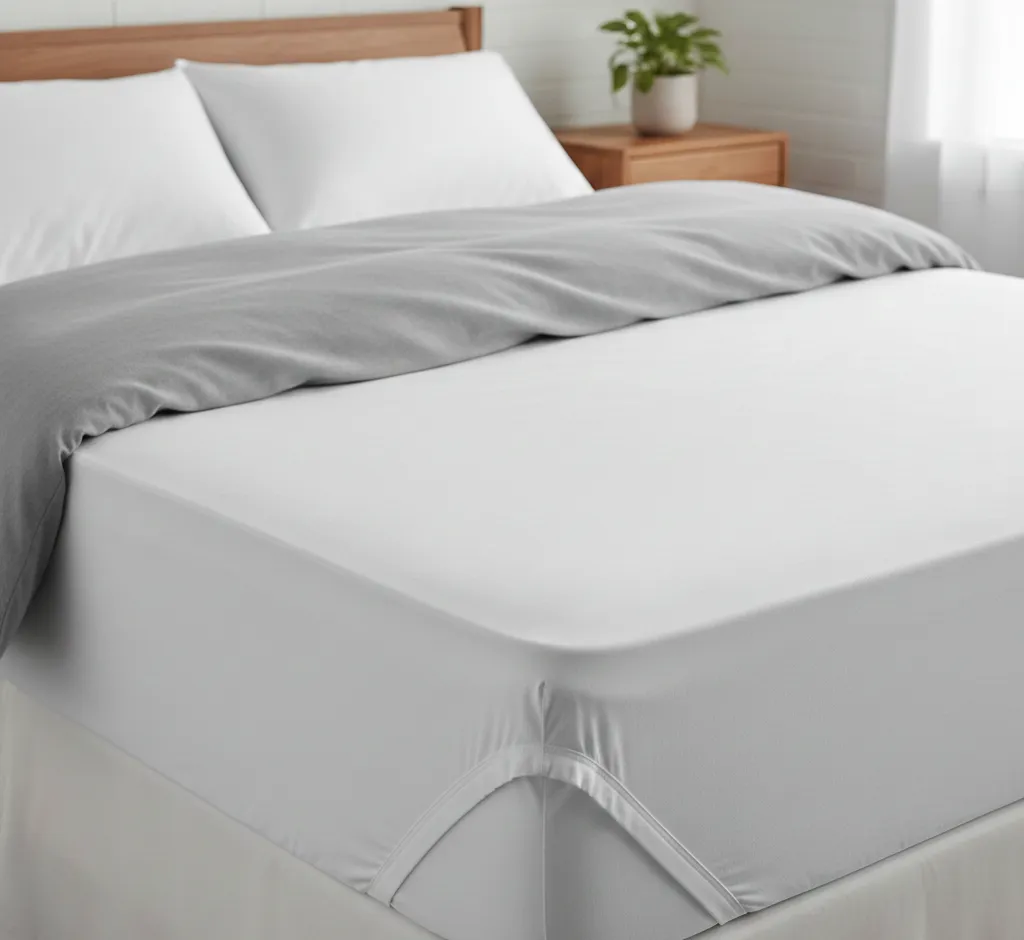
A quality mattress pad or topper is essential for waterbeds. It creates a comfortable layer between you and the vinyl mattress, protects against spills and sweat, and can fine-tune the feel of the bed.
Mattress Pads vs. Toppers
- Mattress pad: Typically thin and quilted, designed mainly for light cushioning and protection. Mattress pads are often easier to wash regularly.
- Mattress topper: Thicker and focused on changing the feel of the bed. Toppers may add plushness, firmness, or temperature regulation but are not always machine-washable.
Most waterbed owners benefit from at least a mattress pad; a topper is optional based on comfort needs.
Choosing the Right Mattress Pad
When selecting a mattress pad for a waterbed, look for these features:
- Waterbed-specific sizing: A pad designed for hardside or softside waterbeds will fit better than a standard pad.
- Secure fit: Elastic skirts or anchor straps help keep the pad from shifting as the water moves.
- Breathable materials: Cotton, bamboo, or moisture-wicking blends reduce heat buildup and help regulate temperature.
- Washability: A machine-washable pad makes it easier to keep the bed fresh and hygienic.
Some mattress pads are specifically marketed as waterbed covers, offering extra protection tailored to the unique shape and movement of waterbeds.
Adding Comfort with Toppers
If you want to adjust the firmness or surface feel of your waterbed, a topper can help. Popular options include:
- Memory foam: Adds contouring and pressure relief. Choose breathable or gel-infused foams to avoid trapping too much heat.
- Latex: Offers resilient support with a more responsive feel and better airflow than many memory foams.
- Down or down alternative: Provides a plush, cloud-like feel without significantly changing the waterbed’s underlying support.
Ensure any topper you choose is compatible with your waterbed’s dimensions and that your fitted sheet pockets are deep enough to accommodate the added height.
Balancing Warmth and Breathability
Waterbeds often include heaters to maintain a comfortable temperature. Bedding plays a major role in whether you feel perfectly cozy or overly warm.
Adjusting for Climate and Season
Match your bedding choices to both your local climate and the way you use your waterbed heater.
- Warm climates or hot sleepers: Use light, breathable sheets (cotton percale, bamboo) and a thin cotton or lightweight microfiber blanket.
- Cool climates or cold sleepers: Pair flannel sheets with a medium to heavy comforter, and consider a wool or fleece blanket for extra insulation.
- Transitional seasons: Layer several lighter blankets rather than relying on a single heavy one. This makes it easy to adjust as temperatures change.
Experiment with both your bed’s thermostat and bedding layers to find your ideal combination.
Choosing Comforters and Blankets for Waterbeds
Comforters for waterbeds should drape well over the sides without dragging excessively on the frame or floor.
- Size: Choose a comforter sized to your waterbed’s footprint so it covers you completely without bunching around the frame.
- Fill type: Down, down alternative, wool, and cotton all perform differently. Down and alternatives are lightweight and warm, while cotton and wool regulate moisture better.
- Weight: A mid-weight comforter works well for most heated waterbeds. You can always add a throw blanket on very cold nights.
If you use a duvet, opt for a breathable duvet cover and wash it regularly to keep the sleep surface fresh.
Fitted vs. Flat Sheets: What Works Best?
The movement and shape of waterbeds make sheet selection a bit different from traditional mattresses. Both fitted and flat sheets can work well if chosen and used properly.
Fitted Sheets for Waterbeds
Fitted sheets are convenient and popular, but they must fit correctly.
- Pros: Easy to put on, less likely to come loose if correctly sized, and create a smooth, tailored surface.
- Cons: Standard fitted sheets often pop off corners or fit too snugly on waterbeds without extra depth.
Always check that the fitted sheet is intended for waterbeds or has enough depth and elasticity to accommodate the mattress dimensions.
Flat Sheets Tucked for a Smooth Surface
Some waterbed users prefer oversized flat sheets that they tuck tightly around the mattress and frame.
- Pros: Highly adjustable fit, easy to tuck under the frame, and often less prone to popping off.
- Cons: Require more effort to make the bed and may need frequent re-tucking if not anchored firmly.
In some cases, a combination works best: a secure fitted sheet for the bottom and an oversized flat sheet on top, tucked under the foot of the mattress or connected with straps to keep it aligned.
Practical Care and Maintenance Tips
Good bedding should be easy to care for and designed to last. Proper maintenance will keep your waterbed clean, comfortable, and inviting.
Washing and Drying Waterbed Bedding
Most waterbed sheets and pads can be washed similarly to standard bedding, but always check the care label.
- Wash sheets and pillowcases every one to two weeks to remove oils, sweat, and dust.
- Use a gentle cycle and mild detergent to preserve fabric strength and color.
- Avoid high heat in the dryer, which can shrink or weaken elastic. Opt for low heat or line drying when possible.
- Wash mattress pads every one to three months, depending on use and whether you have allergies.
Well-maintained bedding feels better, smells fresher, and reduces wear on your waterbed’s vinyl surface.
Protecting the Vinyl Mattress
Even though the water mattress is hidden beneath layers of bedding, it still needs protection.
- Use a protective mattress pad between the vinyl and your sheets to shield against body oils and minor spills.
- Consider a waterproof or water-resistant cover if spills are a concern, but choose breathable options to avoid trapping condensation.
- Clean and condition the vinyl surface according to the manufacturer’s instructions whenever you change or rotate bedding extensively.
Taking care of the vinyl reduces the risk of cracks or leaks and can significantly extend the life of your waterbed.
Common Mistakes to Avoid When Buying Waterbed Bedding
Choosing bedding for waterbeds can be confusing at first. Avoiding these common mistakes will save time, money, and frustration.
Buying the Wrong Size
Guessing your bed’s dimensions or assuming a conventional queen or king will fit often leads to ill-fitting sheets and returns.
- Always measure your bed before ordering and compare your measurements with the size chart provided by the bedding manufacturer.
- Double-check whether your waterbed is hardside or softside, as sizing differs between the two types.
Ignoring Pocket Depth
Even if the length and width are correct, a fitted sheet with shallow pockets will not stay in place on a deep waterbed.
- Look for deep-pocket or extra-deep-pocket descriptions when shopping.
- Confirm the actual pocket measurement matches or exceeds your mattress height.
Overheating with Heavy Fabrics
Thick, non-breathable sheets and heavy comforters can trap too much heat when combined with a waterbed heater.
- Choose breathable fabrics and adjust your layers rather than turning the heater too low or too high.
- Test new bedding for a few nights and adjust either layers or heater settings as needed.
Choosing Cheap Bedding That Wears Out Quickly
Because waterbeds move more than traditional mattresses, thin or poorly constructed bedding wears out faster.
- Invest in mid-range or higher-quality sheets and pads with reinforced seams and durable elastic.
- Read customer reviews from other waterbed owners when possible to gauge real-world performance.
How to Shop Smart for Waterbed Bedding
With so many options available online and in specialty stores, it helps to approach waterbed bedding purchases with a plan.
Make a Simple Bedding Checklist
Before shopping, create a checklist that reflects your specific bed and preferences.
- Type and size of waterbed (hardside or softside, precise measurements).
- Preferred sheet fabric and weave (cotton, bamboo, percale, sateen, etc.).
- Required pocket depth or waterbed-specific sizing.
- Need for mattress pad, topper, or waterproof protection.
- Desired warmth level for blankets and comforters.
Use this list to filter products quickly and avoid impulse buys that don’t truly meet your needs.
Prioritize Fit and Comfort Over Style
Patterns and colors matter, but they should come after fit and comfort. Poorly fitting sheets, no matter how attractive, will quickly become a source of annoyance.
- Select neutral, versatile colors once you find a brand and fabric you find comfortable.
- Add personality with throw pillows or decorative blankets that do not affect the main sleep surface.
Consider Buying Multiple Sets
Waterbed sheets and pads are more specialized, so having backup sets makes laundry day easier.
- Keep at least two sets of sheets that fit perfectly, so one can be in use while the other is being washed.
- If you find a brand and style you love, consider purchasing an extra set in case it is discontinued later.
Final Thoughts: Creating a Comfortable Waterbed Sleep Environment
Choosing bedding for waterbeds is about more than just finding sheets that fit. The right combination of fabrics, sizes, and protective layers will help you sleep more comfortably, protect your investment, and simplify bed-making.
Start by identifying whether your waterbed is hardside or softside, then measure it carefully. Look for waterbed-specific bedding whenever possible, prioritize breathable, high-quality fabrics, and pay close attention to pocket depth and anchoring features. With the right bedding, your waterbed can offer a stable, cozy, and supportive sleep surface that feels as good as it looks—night after night.