How to Choose Cooling Gel‑Infused Bedding for Deeper, Cooler Sleep
Learn how to choose cooling gel‑infused bedding that truly keeps you comfortable at night. Compare mattresses, toppers, pillows, and pads, understand gel cooling technology, and find the best options for your sleep style, budget, and climate.
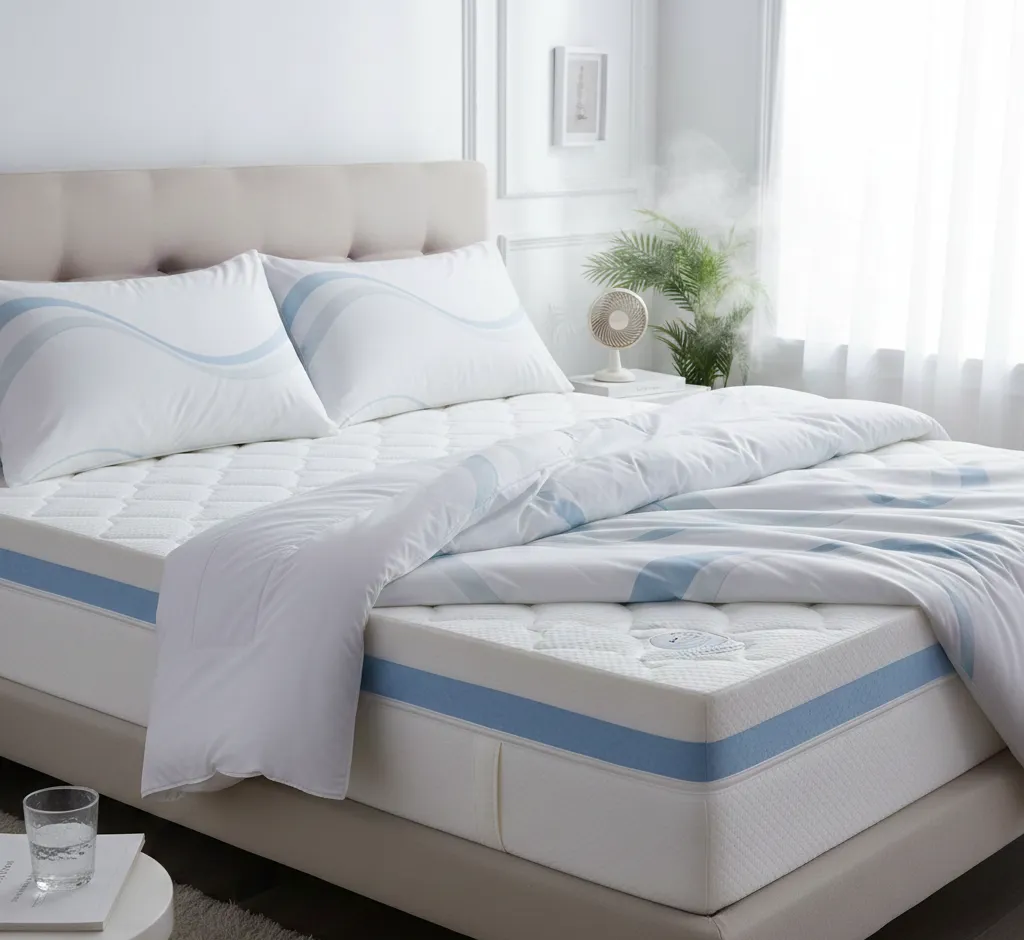
Overheating at night is one of the most common sleep disruptors. If you often wake up sweaty, toss and turn because you are too warm, or sleep better in cooler hotel rooms than at home, cooling gel‑infused bedding might be exactly what you need.
Modern cooling bedding does more than just “feel cool” to the touch. Gel‑infused foams and fibers are engineered to absorb, redistribute, and slowly release excess body heat so your temperature stays more stable through the night. However, not all products are created equal, and marketing terms can be confusing.
This guide explains how to choose cooling gel‑infused bedding step by step: what the technology actually does, what to look for in materials and certifications, how to match the product to your sleep style, and how to avoid common marketing traps.
What Is Cooling Gel‑Infused Bedding?
Cooling gel‑infused bedding refers to any sleep product that combines traditional bedding materials with gel particles, beads, layers, or coatings designed to help regulate temperature. You will most commonly see gel infusion in:
- Mattresses
- Mattress toppers
- Pillows
- Mattress protectors and pads
- Occasionally quilts, comforters, and specialty sheets
The gel can be integrated in different ways:
- Gel‑infused foam: Gel particles or beads are mixed into memory foam or polyfoam to improve heat transfer.
- Gel layers or pads: A separate gel layer is laminated or quilted into the surface of foam or fabric.
- Gel microbeads or capsules: Tiny gel units dispersed in fibers or foam to increase surface area for heat absorption.
Most gels support thermal regulation, not active cooling. They absorb and move heat away from your body, helping you avoid temperature spikes, but they do not work like an air conditioner.
Key Benefits of Gel‑Infused Cooling Bedding
Although results vary from person to person, well‑designed gel‑infused bedding can offer several tangible benefits.
- More stable body temperature: By absorbing and redistributing warmth, gel helps reduce sudden overheating and night sweats.
- Better sleep continuity: Fewer awakenings from feeling hot often translate into deeper, more restorative sleep.
- Enhanced pressure relief: When used in foam, gel can help maintain the contouring comfort of memory foam without the “stuck and sweaty” feeling.
- Improved comfort for hot climates: Warm or humid environments may feel more tolerable with cooling surfaces against the skin.
- Support for specific groups: Hot sleepers, people in menopause, athletes, and those with higher body weight often appreciate targeted cooling.
Types of Gel‑Infused Cooling Bedding
Choosing the right category of product is the first decision. Think about whether you need full‑body cooling, localized head and neck relief, or surface changes on a mattress you already own.
1. Gel‑Infused Mattresses
Gel‑infused mattresses integrate gel within the comfort layers, most often in memory foam. They are best if you:
- Are already considering replacing an old or uncomfortable mattress.
- Experience full‑body overheating, not just around the head or upper body.
- Want a long‑term solution rather than a temporary add‑on.
Key points for gel‑infused mattresses:
- Construction: Look for breathable covers, open‑cell foams, and possibly hybrid designs that pair foam with coils for airflow.
- Gel placement: Gel in the upper comfort layers is more effective for cooling than gel buried deep inside.
- Firmness and support: Match firmness to your sleep style (more on this below) and body type first, then compare cooling features.
2. Gel‑Infused Mattress Toppers
Gel mattress toppers sit on top of your existing mattress and can significantly change how warm or cool it feels. They are ideal if you:
- Own a relatively new mattress that is too warm or too firm.
- Want to test cooling foam before investing in a new mattress.
- Prefer a more budget‑friendly temperature upgrade.
When choosing a gel topper, consider:
- Thickness: Toppers usually range from 2–4 inches. Thicker options provide more pressure relief and a stronger change in feel but can also trap more heat if poorly ventilated.
- Density: Higher‑density foams offer better support and durability but may sleep slightly warmer. Balance density with ventilation features such as perforations or airflow channels.
- Cover materials: A breathable, removable cover (e.g., cotton, bamboo, or a moisture‑wicking knit) can improve cooling and hygiene.
3. Gel‑Infused Pillows
Gel pillows are one of the most noticeable cooling upgrades, because the head and neck are sensitive to temperature. They suit you if you:
- Often flip your pillow to the “cool side.”
- Wake up with a hot head, face, or neck.
- Experience night sweats around the upper body.
Common gel pillow designs include:
- Solid foam with gel infusion: Memory foam pillows with gel mixed into the foam for broad cooling.
- Foam with a gel surface layer: A cooling gel pad is bonded to one side for a pronounced cool‑to‑the‑touch sensation.
- Shredded foam or fiber with gel beads: Offers more airflow and adjustability, often feeling less dense.
Choose pillow loft (height) and firmness based on your sleep position, then refine your choice by cooling features.
4. Gel‑Infused Mattress Pads and Protectors
Some mattress pads and protectors incorporate thin gel layers or gel‑infused fibers. These can:
- Add a subtle cooling effect without significantly changing mattress firmness.
- Provide waterproof or spill protection along with temperature regulation.
- Be easier to wash and replace than a topper or mattress.
These are useful if you want incremental cooling but are satisfied with your mattress’s overall feel and support.
How Gel Cooling Technology Works
Understanding the basics helps you see through marketing and pick products that actually perform.
Heat Absorption and Redistribution
Gel materials typically have higher thermal conductivity than standard foams. This means they can absorb heat from your body and spread it out more efficiently through the material, rather than allowing heat to concentrate in one spot.
In practice, you may notice:
- A pleasantly cool initial touch when you first lie down.
- Less pronounced heat buildup under the heaviest parts of your body.
- More gradual temperature changes across the night.
Phase‑Change and Advanced Cooling Add‑Ons
Some gel‑infused bedding also incorporates phase‑change materials (PCMs) that change state (from solid to liquid and back) at specific temperatures. During this change, they absorb or release heat, helping maintain a narrower temperature range.
You might see marketing phrases like:
- "Outlast® technology"
- "Phase‑change cooling cover"
- "Temperature adaptive"
These features can boost the benefits of gel, especially in covers and top layers that sit closest to your skin.
Limits of Gel Cooling
Even the best gel‑infused bedding has limitations. It typically:
- Provides the strongest effect in the first part of the night.
- Relies on room airflow and humidity; a poorly ventilated, very hot bedroom will still feel warm.
- Cannot override heavy non‑breathable bedding like thick synthetic comforters.
For meaningful results, pair gel‑infused bedding with breathable sheets, appropriate blankets, and an adequately cool bedroom environment.
How to Match Cooling Bedding to Your Sleeping Style
Cooling alone is not enough; comfort and spinal support matter just as much. Start with how you sleep most of the night.
For Side Sleepers
Side sleepers need generous pressure relief at the shoulders and hips. Overheating often occurs where the body sinks deep into the surface.
- Mattress or topper firmness: Medium to medium‑soft. Look for gel‑infused comfort layers that contour without trapping heat.
- Pillow: Medium to high loft gel pillow that keeps your neck aligned with your spine.
- Priority cooling zones: Shoulders and hips benefit from breathable foams and ventilated gel layers.
For Back Sleepers
Back sleepers usually need moderate contouring and a stable, supportive feel.
- Mattress or topper firmness: Medium to medium‑firm, with gel‑infused comfort layers to prevent lower back overheating where contact pressure is highest.
- Pillow: Medium loft gel or gel‑memory foam pillow that supports the natural curve of the neck.
- Priority cooling zones: Upper back and pelvic area where most weight rests.
For Stomach Sleepers
Stomach sleepers tend to overheat around the chest and face and need firmer, flatter surfaces to protect the spine.
- Mattress or topper firmness: Medium‑firm to firm to prevent midsection sagging. Consider a firmer mattress with a thinner, gel‑infused comfort layer.
- Pillow: Thin, low‑loft gel pillow or no pillow at all, depending on your neck comfort.
- Priority cooling zones: Chest, stomach, and face benefit from cool‑touch covers and breathable pillowcases.
For Combination Sleepers
If you frequently change positions, you need versatile comfort and broad cooling.
- Mattress or topper firmness: Balanced medium feel that adapts well to all positions, with gel and airflow features spread across the surface.
- Pillow: Adjustable gel pillow (with removable filling or layers) so you can optimize loft over time.
- Priority cooling zones: Even distribution of cooling rather than targeted zones is more important.
Material Quality and Safety Considerations
Temperature is only one part of comfort. Material quality affects durability, support, and indoor air quality.
Foam Density and Durability
For foam‑based gel‑infused products, density is a good indicator of longevity:
- Lower density foams (often under 1.8 lb/ft³ in mattresses or very lightweight toppers) may feel cool initially but can break down faster and develop body impressions.
- Medium to high density foams are more supportive and durable, though some may feel slightly warmer without adequate ventilation.
Look for foams with ventilation channels, perforations, or open‑cell structures to balance density with breathability.
Fabric and Cover Choices
Covers and surrounding fabrics strongly influence how cool a product feels against your skin.
- Cotton: Naturally breathable and moisture‑absorbing, especially in percale or sateen weaves.
- Bamboo and viscose: Often smooth, breathable, and good at wicking moisture.
- Performance knits: Some synthetic blends are engineered specifically for moisture management and temperature regulation.
Avoid very thick, plastic‑like waterproof layers directly under your body, unless they use breathable membranes designed for airflow.
Certifications and Chemical Safety
To minimize exposure to harmful substances, consider products with recognized certifications, such as:
- CertiPUR‑US® for foam, which restricts certain chemicals and emissions.
- OEKO‑TEX® STANDARD 100 for textiles, verifying they are tested for a wide range of potentially harmful substances.
If you are sensitive to smells, check customer reviews for mentions of off‑gassing and allow time for new foam products to air out before use.
How to Evaluate Cooling Claims and Marketing
Cooling terminology can be confusing and sometimes exaggerated. Focus on concrete details instead of vague promises.
Look for Specific Technical Features
- Clear descriptions of where gel is used (top layer, infused in foam, beads in fill).
- Mention of ventilation (perforations, channels, breathable cover, mesh sides).
- Any independent testing or temperature regulation certifications, if available.
Phrases like "revolutionary cooling" or "always cool" without details are red flags. Authentic brands explain the mechanism, not just the feeling.
Read Real‑World User Feedback
Customer reviews and Q&A sections often reveal whether a gel‑infused product performs as advertised. When reading reviews, pay attention to:
- Comments from self‑described hot sleepers.
- Reports on how the product feels after several hours, not just at first contact.
- Notes about durability, sagging, or loss of cooling over time.
Balance glowing and negative reviews by looking for consistent patterns rather than isolated opinions.
Practical Buying Checklist
Use the following checklist when comparing cooling gel‑infused bedding options:
- Define your problem: Is the issue full‑body overheating, hot head/neck, night sweats, or a generally warm mattress?
- Choose the product type: Mattress, topper, pillow, or pad based on the intensity and location of heat buildup.
- Match firmness and support: Ensure the product fits your sleep position, body weight, and any back or joint issues.
- Assess gel technology: Where is the gel placed? Is it infused in foam, added as a layer, or integrated via beads or capsules?
- Check breathability: Look for perforated foams, airflow channels, mesh borders, and breathable fabrics.
- Review materials and certifications: Prioritize safer foams and textiles with recognized standards.
- Compare warranties and trials: Sleep trials and fair return policies reduce risk, especially for mattresses and toppers.
- Set a realistic budget: Higher price does not always mean better cooling; compare value, not just cost.
Caring for Gel‑Infused Bedding
Proper care extends both cooling performance and product life.
Cleaning and Maintenance
- Use protective covers: A breathable, washable mattress protector or pillowcase helps keep gels and foams clean.
- Follow care labels: Most gel‑infused foams should not be machine‑washed; instead, spot clean gently and allow to air dry.
- Rotate when recommended: Some mattresses and toppers benefit from occasional rotation to reduce body impressions.
Optimizing Cooling Performance
- Pair with breathable bedding: Lightweight, natural‑fiber sheets and blankets allow the cooling technology to work effectively.
- Keep the room ventilated: Fans, open windows, or air conditioning help disperse heat that gels absorb.
- Avoid heavy, heat‑trapping layers: Thick synthetic comforters or multiple heavy blankets can counteract the benefits of gel.
When Gel‑Infused Bedding May Not Be Enough
In some situations, cooling gel‑infused bedding alone may not fully solve overheating. Consider additional steps if:
- Your bedroom temperature stays consistently high, especially above 24–25 °C (75–77 °F).
- You experience medical conditions that cause intense night sweats and might require medical evaluation.
- Your existing mattress is very old, sagging, or structurally unsupportive.
In these cases, combining gel‑infused bedding with climate control, lighter sleepwear, and potentially a new mattress designed for airflow (such as a hybrid or latex model) may deliver better results.
Final Thoughts: Choosing the Right Cooling Gel‑Infused Bedding
The best cooling gel‑infused bedding for you depends on your specific sleep challenges, not just the strongest marketing claims. Start by identifying where and when you overheat, then choose the product type—mattress, topper, pillow, or pad—that targets that issue most directly.
From there, evaluate support, materials, certifications, and real‑world reviews. Combine your gel‑infused bedding with breathable fabrics and a comfortably cool room, and you will create a sleep environment that feels fresher, more stable, and genuinely more restful.