How to Choose Eco‑Friendly and Sustainable Bed Linens: A Complete Guide
Learn how to choose eco-friendly and sustainable bed linens with this complete guide. Compare materials like organic cotton, linen, hemp, and TENCEL™, understand certifications, avoid greenwashing, and discover low-impact care tips for a healthier, greener bedroom.
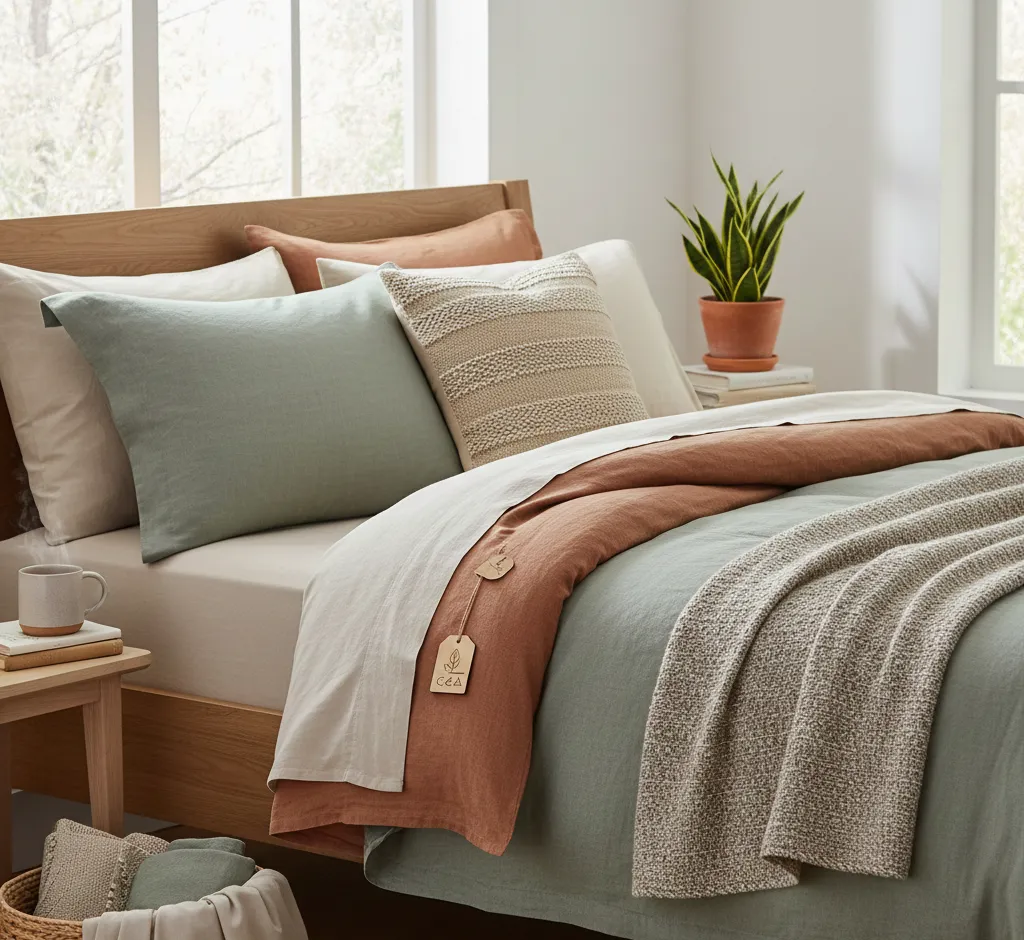
Choosing eco-friendly and sustainable bed linens is one of the simplest ways to reduce your environmental footprint while improving your sleep quality. From the type of fiber to certifications, dyes, and care habits, every decision you make has an impact on your health and the planet.
This guide explains what makes bed linens truly sustainable, which materials to look for (and avoid), how to read labels and certifications, and how to care for your sheets so they last longer. Use it as a practical checklist before your next purchase.
Why Eco‑Friendly Bed Linens Matter
The hidden footprint of conventional bedding
Conventional bed linens are often made from resource-intensive crops and processed with harsh chemicals. Traditional cotton, for example, typically uses large amounts of water, synthetic fertilizers, and pesticides. These inputs can pollute soil and waterways and contribute to biodiversity loss.
In addition, many fabrics are finished with chemical softeners, wrinkle-resist treatments, and dyes that may release volatile organic compounds (VOCs) or contain substances you would rather not sleep on every night.
Benefits for your health and comfort
Eco-friendly bed linens are usually made from natural or recycled materials with fewer toxic additives. This can be beneficial if you have sensitive skin, allergies, or respiratory issues. Breathable, natural fibers also help regulate temperature and wick moisture, improving comfort throughout the night.
When you choose sustainably made sheets, you also support brands that respect workers’ rights, pay fair wages, and reduce their environmental impact across the supply chain.
Key Criteria for Sustainable Bed Linens
1. Fiber origin and sustainability
The fiber used in your sheets is the foundation of sustainability. Look for materials that are renewable, require fewer inputs, or are produced in a closed-loop system.
- Organic cotton: Grown without synthetic pesticides or fertilizers, organic cotton reduces chemical use and often uses better farming practices. It tends to be soft, breathable, and familiar to most people.
- Linen (flax): Linen is made from flax, a hardy plant that usually needs less water and fewer pesticides than conventional cotton. Linen sheets are durable, breathable, and naturally hypoallergenic, though they may feel crisp at first.
- Hemp: Hemp is a fast-growing crop that typically requires minimal pesticides and water. Hemp fabrics are strong, breathable, and become softer over time.
- TENCEL™ Lyocell and Modal: These are regenerated cellulose fibers made from wood pulp in closed-loop systems where solvents and water are largely recovered and reused. TENCEL™ Lyocell from responsibly managed forests can be a very eco-conscious choice.
- Bamboo (with caution): While bamboo grows quickly, not all bamboo fabrics are eco-friendly. Bamboo viscose, for example, often uses intensive chemicals unless produced in a closed-loop process. Prefer bamboo lyocell (if clearly stated) over generic bamboo viscose.
- Recycled fibers: Sheets made from recycled cotton or recycled polyester (rPET) reduce waste and demand for virgin raw materials. However, synthetic fibers can shed microplastics, so use them mindfully.
2. Certifications you can trust
Labels and certifications help you identify products that meet recognized environmental and social standards. While no certification is perfect, they provide useful guidance.
- GOTS (Global Organic Textile Standard): Ensures that textiles are made with certified organic fibers and meet strict environmental and social criteria across the entire supply chain.
- OEKO‑TEX® STANDARD 100: Tests finished textiles for harmful substances. Sheets with this label are verified to be safe for human use within specified limits.
- Fairtrade: Focuses on fair wages, safe working conditions, and community development for farmers and workers.
- FSC® or PEFC™: For wood-based fibers (like TENCEL™ Lyocell), these certifications indicate that the wood comes from responsibly managed forests.
- EU Ecolabel or similar regional ecolabels: Signify products that meet high environmental standards throughout their life cycle.
When comparing options, favor products that combine multiple credible certifications rather than relying on vague marketing terms like “eco” or “green.”
3. Non‑toxic dyes and finishes
Sustainable bed linens should avoid harmful dyes and finishes that may affect both the environment and your health.
- Look for products described as low‑impact dyed or azo‑free, and for brands that clearly state their dyes are free from heavy metals and formaldehyde.
- Be cautious with wrinkle‑free, stain‑resistant, or anti‑bacterial claims, as these often rely on chemical treatments such as formaldehyde resins or silver nanoparticles.
- Choose undyed, natural, or lightly dyed fabrics if you want to minimize chemical exposure even further.
4. Durability and longevity
One of the most overlooked aspects of sustainability is how long a product lasts. Durable, well-made bed linens that stay comfortable and attractive over many years are more sustainable than cheaper sheets that wear out quickly.
- Check for strong stitching along seams and hems.
- Choose fabrics known for durability, such as linen, hemp, and higher-quality organic cotton.
- Read reviews to see how the sheets hold up over time and after repeated washing.
Understanding Thread Count, Weave, and Feel
Thread count myths and realities
Thread count is often used as a selling point, but higher numbers do not always mean better quality or greater sustainability. Extremely high thread counts can sometimes be achieved by twisting multiple low-quality yarns together or using finishing treatments to make the fabric feel smoother temporarily.
For most natural fibers, a moderate thread count is ideal: around 200–400 for cotton and similar fibers often provides a good balance of softness, breathability, and durability.
Common weaves and their impact
The way a fabric is woven affects its texture, breathability, and weight, which in turn influences your comfort and energy use (for example, how often you need heating or cooling).
- Percale: A plain weave that feels crisp, cool, and breathable. Great for hot sleepers and warm climates.
- Sateen: A weave that produces a smoother, silkier surface with a slight sheen. It tends to feel warmer and is often preferred in cooler environments.
- Twill: Recognizable by its subtle diagonal pattern, twill is durable and drapes well.
- Jersey knit: More like a T-shirt fabric, soft and stretchy but sometimes less durable than woven options.
Select the weave that best matches your climate and personal preferences. When your linens feel comfortable, you are less likely to overuse air conditioning or heating to stay comfortable at night.
Comparing Popular Eco‑Friendly Materials
Organic cotton vs. linen vs. TENCEL™ Lyocell
Each sustainable fiber has its own advantages. Understanding their differences makes it easier to choose what suits your lifestyle and values.
Organic cotton
Organic cotton is a familiar, versatile option. It feels soft against the skin, works in most climates, and is widely available.
- Pros: Widely available, soft, breathable, suitable for sensitive skin, often more affordable among eco options.
- Cons: Still relatively water-intensive compared to some alternatives, quality can vary significantly, and not all “organic” claims are certified.
Linen (flax)
Linen is prized for its breathability, moisture-wicking properties, and durability. It is especially well-suited to warm climates and people who sleep hot.
- Pros: Very durable, highly breathable, naturally antibacterial, can last decades with proper care.
- Cons: Often more expensive up front, feels crisp or slightly rough at first (though it softens with use), wrinkles easily.
TENCEL™ Lyocell
TENCEL™ Lyocell is made from wood pulp, typically from sustainably managed forests, in a closed-loop process that recycles most of the solvent and water.
- Pros: Very soft and smooth, excellent moisture management, often cooler than cotton, produced with efficient resource use.
- Cons: Can be more expensive, depends heavily on responsible sourcing and certified production.
When to consider blends
Blends, such as organic cotton and TENCEL™ Lyocell or hemp and cotton, can combine strengths of different fibers. They may enhance durability, reduce wrinkling, or improve softness. However, blended fabrics can be more difficult to recycle at end of life.
If recyclability is a high priority for you, choose linens made from a single, natural fiber. Otherwise, well-designed blends with sustainable components can still be a good choice.
How to Read Labels and Avoid Greenwashing
Spotting vague or misleading claims
Not every product marketed as “eco” or “natural” actually meets meaningful sustainability standards. To avoid greenwashing, look beyond buzzwords and examine the details.
- Be skeptical of phrases like “eco-friendly,” “green,” “natural,” or “sustainable” without any explanation or third-party certification.
- Look for specific percentages, such as “100% GOTS-certified organic cotton”, instead of vague statements like “made with organic materials”.
- Check the brand’s website for transparency about sourcing, manufacturing locations, and environmental initiatives.
Questions to ask before buying
Use the following questions as a quick mental checklist or write them down when comparing products online or in-store.
- What is the fiber content, and is it certified (e.g., GOTS, FSC, Fairtrade)?
- Does the brand provide details about dyes and finishes (OEKO‑TEX® certification, low‑impact dyes)?
- Are manufacturing locations and labor conditions disclosed?
- How long is the warranty or return policy, and what do customer reviews say about durability?
- Does the brand offer guidance on end‑of‑life options such as take‑back programs, recycling, or donation?
Balancing Sustainability, Budget, and Comfort
Prioritize what matters most to you
Sustainability is multi-dimensional. It includes environmental impact, social fairness, product longevity, and your own health and comfort. Most people cannot optimize every factor at once, so decide which aspects are most important for your situation and budget.
- If you have sensitive skin, prioritize non‑toxic materials and certifications like GOTS and OEKO‑TEX®.
- If resources and climate impact concern you most, focus on low‑impact fibers such as linen, hemp, or certified TENCEL™ Lyocell.
- If budget is tight, start with one high‑quality set and use it frequently, rather than rotating many cheaper sets.
Investing in fewer, better pieces
A powerful sustainable strategy is to buy fewer items of higher quality. Instead of multiple sets that wear out quickly, invest in one or two sets of well-made, certified eco-friendly linens.
This approach reduces overall resource use, clutter in your home, and long-term cost. It also makes it easier to care for and store your linens properly, extending their lifespan further.
Low‑Impact Care Tips for Eco Linens
Washing and drying
How you care for your linens has a major impact on both longevity and environmental footprint.
- Wash in cold or cool water: Most modern detergents clean effectively at lower temperatures, reducing energy use and fabric stress.
- Use eco-friendly detergents: Choose fragrance-free or naturally scented formulas with biodegradable ingredients and no optical brighteners.
- Avoid bleach and harsh chemicals: These can break down fibers prematurely and release harmful substances into waterways.
- Air dry when possible: Line-drying or using a drying rack saves energy and helps fabrics last longer. If you use a dryer, choose a low heat setting.
Reducing wrinkles without harsh treatments
If you prefer a smoother look without chemical wrinkle-resistant finishes, simple routines can help.
- Remove sheets from the washer promptly and shake them out before drying.
- Do not over-dry in the machine; slightly damp sheets wrinkle less.
- Fold or put sheets on the bed soon after drying, or use a quick warm iron or steamer on stubborn creases.
Repair, reuse, and recycle
Even the highest-quality linens eventually wear out, but you can still keep them out of landfills for longer.
- Repair minor damage: Mend small tears or loose hems before they worsen.
- Repurpose old sheets: Turn them into cleaning cloths, pillowcase liners, reusable wrapping, or craft projects.
- Donate when appropriate: If the sheets are still usable but no longer suit your needs, consider donating them to shelters or animal rescues.
- Check for textile recycling: Some communities and brands offer drop-off or mail-in programs for worn-out textiles.
Step‑by‑Step Checklist for Your Next Purchase
Practical decision guide
Use this simple checklist the next time you shop for bed linens to ensure your choice aligns with your sustainability goals.
- Define your priorities: Comfort, climate impact, non‑toxicity, fair labor, budget.
- Choose fiber type: Start with options like organic cotton, linen, hemp, or TENCEL™ Lyocell.
- Check certifications: Look for GOTS, OEKO‑TEX®, Fairtrade, FSC®, or equivalent labels.
- Select weave and weight: Percale for cool, crisp feel; sateen for smooth and cozy; linen for airy durability.
- Review brand transparency: Read about sourcing, manufacturing, and social responsibility.
- Compare longevity: Read reviews, examine construction quality, and consider warranty or guarantees.
- Plan for care: Ensure you can wash and maintain the linens in an energy-efficient, low-chemical way.
Making Your Bedroom More Sustainable Overall
Eco-friendly bed linens are an excellent starting point, but they can also inspire broader changes in how you design and maintain your bedroom.
- Choose natural, low‑VOC mattresses and pillows when possible.
- Use curtains and rugs from natural or recycled fibers to improve insulation and reduce energy use.
- Switch to LED lighting and consider dimmers to save energy and support sleep-friendly lighting at night.
- Introduce houseplants to improve air quality (where suitable) and create a calming atmosphere.
Every sustainable choice adds up. By selecting eco-friendly bed linens and caring for them thoughtfully, you create a healthier sleep environment for yourself and support more responsible practices across the textile industry.