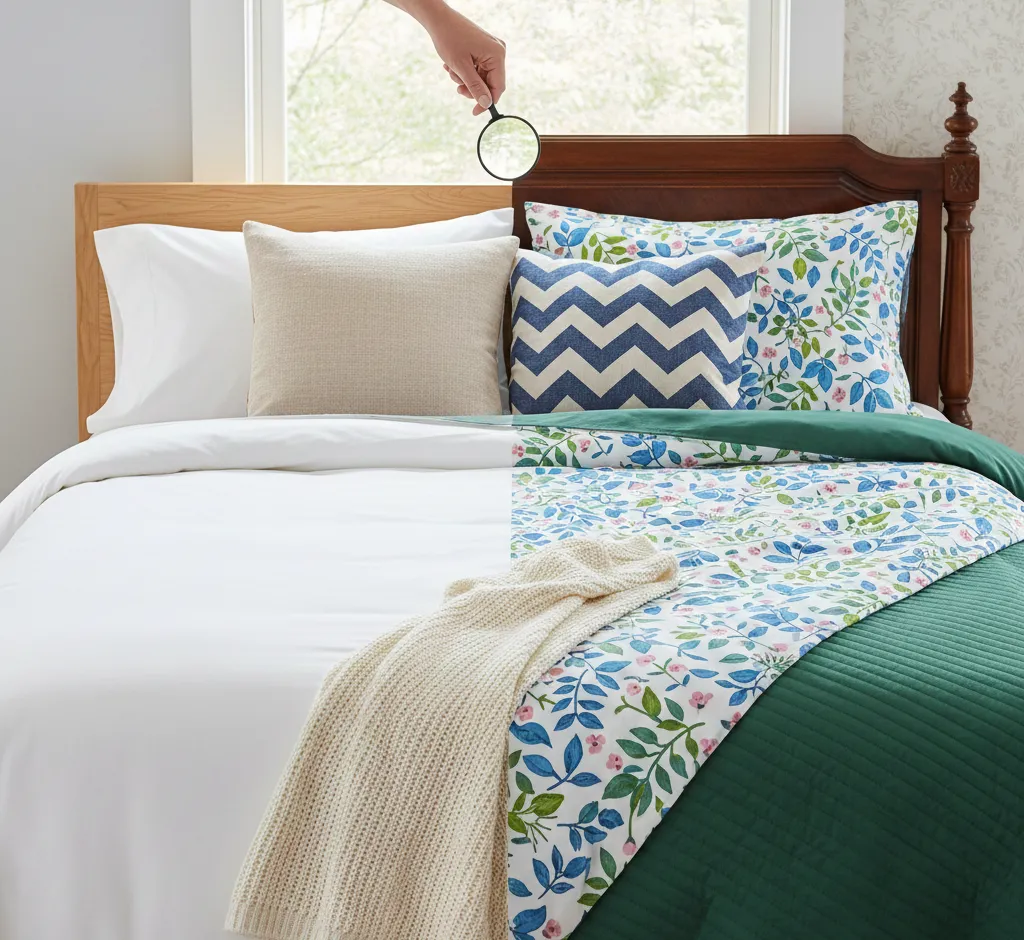
How to Choose Fade-Resistant Colored Bed Linens: A Complete Guide
Learn how to choose fade-resistant colored bed linens that stay vibrant wash after wash. Discover the best fabrics, dyes, colors, and care tips to keep your bedding looking new longer.
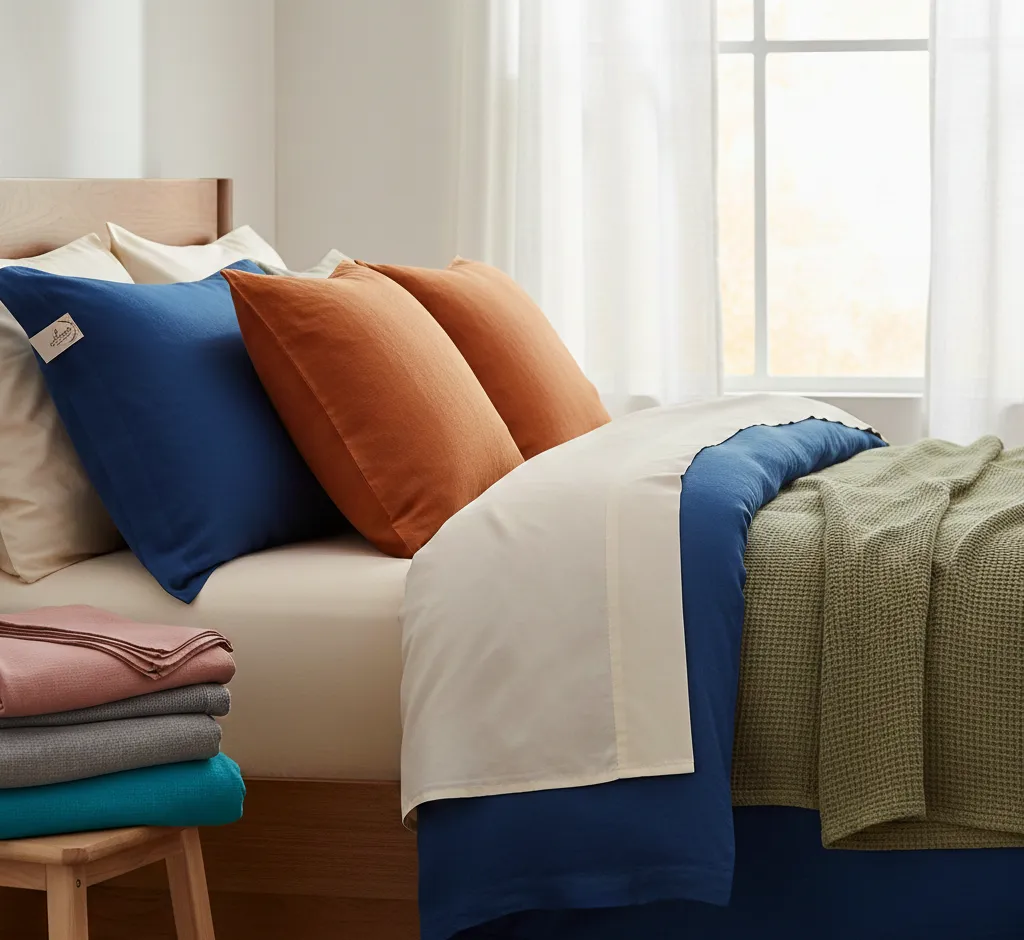
Colorful bed linens can transform a bedroom from ordinary to luxurious, but nothing ruins the look faster than dull, washed-out fabric. Choosing fade-resistant colored bed linens is essential if you want your bedding to stay vibrant, soft, and beautiful wash after wash. This guide explains what really causes color fading, which fabrics and dyes last the longest, and how to buy and care for linens that will keep their color for years.
Why Do Colored Bed Linens Fade?
Before learning how to prevent fading, it helps to understand what causes it. Color loss is usually the result of a combination of light, water, chemicals, and friction. When these factors interact with dyes and fibers, they gradually break down the pigments that give your linens their color.
Main causes of fading
- Sunlight and UV radiation: Direct sunlight breaks chemical bonds in many dyes. Over time, bright colors can look washed out or uneven, especially near windows.
- Harsh detergents and bleach: Strong cleaning agents strip color from fibers, fading the fabric and sometimes leaving patchy or streaky areas.
- High water temperature: Hot water accelerates dye loss, opening up fibers and allowing pigment to escape more quickly.
- Friction in the wash: Overloading the machine or using aggressive cycles increases abrasion, which wears down both fibers and color.
- Low-quality dyes and finishes: Cheaper linens may use less stable dyes that have not been properly fixed to the fabric, so color lifts off more easily during washing and use.
Understanding these causes allows you to look for materials and construction techniques designed to resist them.
Best Fabric Types for Fade-Resistant Bed Linens
Not all fabrics hold color in the same way. The type of fiber and how it is manufactured both affect fade resistance, breathability, softness, and durability. When shopping for colored bed linens, start by choosing a fabric with a reputation for long-lasting color.
Cotton and cotton blends
Cotton is one of the most popular choices for sheets and duvet covers because it is breathable, soft, and easy to care for. Its fade resistance depends largely on fiber quality and dyeing method.
- Long-staple cotton (e.g., Egyptian, Pima, Supima): Longer fibers create smoother yarns that accept and hold dye more evenly, reducing patchy fading and pilling.
- Cotton sateen: Woven with a satin-like structure, sateen has a soft sheen and rich color depth. High-quality sateen with good dyes can be quite fade resistant, though it needs gentle washing.
- Cotton percale: A crisp, matte weave that can hold color well when dyed correctly. Percale is known for its durability and is a good option for everyday bedding.
- Cotton-polyester blends: A small amount of polyester can improve color retention and wrinkle resistance, though some people find pure cotton more breathable.
Microfiber and polyester
Microfiber and polyester sheets are made from synthetic fibers that tend to cling to dyes more tightly than many natural fibers. This can result in strong color retention and resistance to fading.
- Microfiber: Usually very colorfast and budget-friendly. Colors often stay vivid for a long time, but microfiber can feel less breathable and may trap heat.
- Polyester blends: Often used in hotel-style or performance bedding, these blends are designed to retain color, dry quickly, and resist wrinkles.
For people with sensitive skin or those who sleep hot, it is often worth balancing fade resistance with breathability by choosing high-quality cotton or a carefully selected cotton blend.
Linen and other natural fibers
Linen (from the flax plant) has a naturally relaxed, textured look and is prized for its cooling properties. When garment-dyed or piece-dyed with good-quality dyes, linen can hold rich, slightly muted colors that actually look better as they age.
- Linen: Tends to develop a soft, lived-in patina over time rather than dramatic fading, especially in darker or earthier shades.
- Bamboo-viscose and modal: These semi-synthetic fibers can take on deep color and feel extremely soft. Fade resistance varies by brand and dye process, so ratings and reviews are important.
Understanding Dyeing Methods and Colorfastness
The way a fabric is dyed is just as important as the type of fiber. Some dyeing techniques color only the surface, while others color the fiber all the way through. For fade-resistant colored bed linens, aim for processes that lock color in as deeply as possible.
Common dyeing methods for bed linens
- Piece-dyed: The most common method. The fabric is woven first and then dyed. Quality varies widely, but reputable brands will often pre-wash and treat piece-dyed fabrics to improve colorfastness.
- Yarn-dyed: Yarns are dyed before weaving. This technique is often used for stripes, checks, and patterns. Because each thread is dyed, colors tend to stay true longer.
- Garment-dyed (or garment-washed): The finished product (like a duvet cover) is dyed and washed to create a soft, slightly relaxed look. Colors can be quite stable if the process is done professionally.
- Solution-dyed (for some synthetics): Color is added to the polymer solution before fibers are even formed. This is one of the most colorfast techniques and is common in performance textiles.
What colorfastness labels mean
On product labels or descriptions, look for references to colorfastness. These may appear as test ratings or as simple guarantees from the manufacturer.
- Colorfast to washing: Indicates that the fabric resists color loss when washed according to care instructions.
- Colorfast to light: Suggests that colors are less likely to fade under sunlight or indoor lighting.
- Pre-washed or pre-shrunk: Often signals that excess, unfixed dye has been removed, which can reduce bleeding and uneven fading.
If shopping online, scan the description for terms like “fade-resistant,” “colorfast,” “solution-dyed,” “yarn-dyed,” or “reactive dyes.” Reactive dyes, often used on cotton, form a chemical bond with the fiber and are generally more wash-resistant than direct dyes.
Choosing Colors That Stay Beautiful Longer
Some colors inevitably show fading more than others. A smart choice of color can help your bed linens look fresh, even as they age.
Colors that hide fading well
- Medium tones: Colors like denim blue, sage green, terracotta, or dusty rose often age gracefully, with subtle lightening that still looks intentional.
- Earthy neutrals: Clay, taupe, mushroom, olive, and warm gray are forgiving and still attractive if they soften slightly over time.
- Heathers and melanges: Fabrics with a mixed or mottled appearance make any small color changes much less obvious.
Colors that require more care
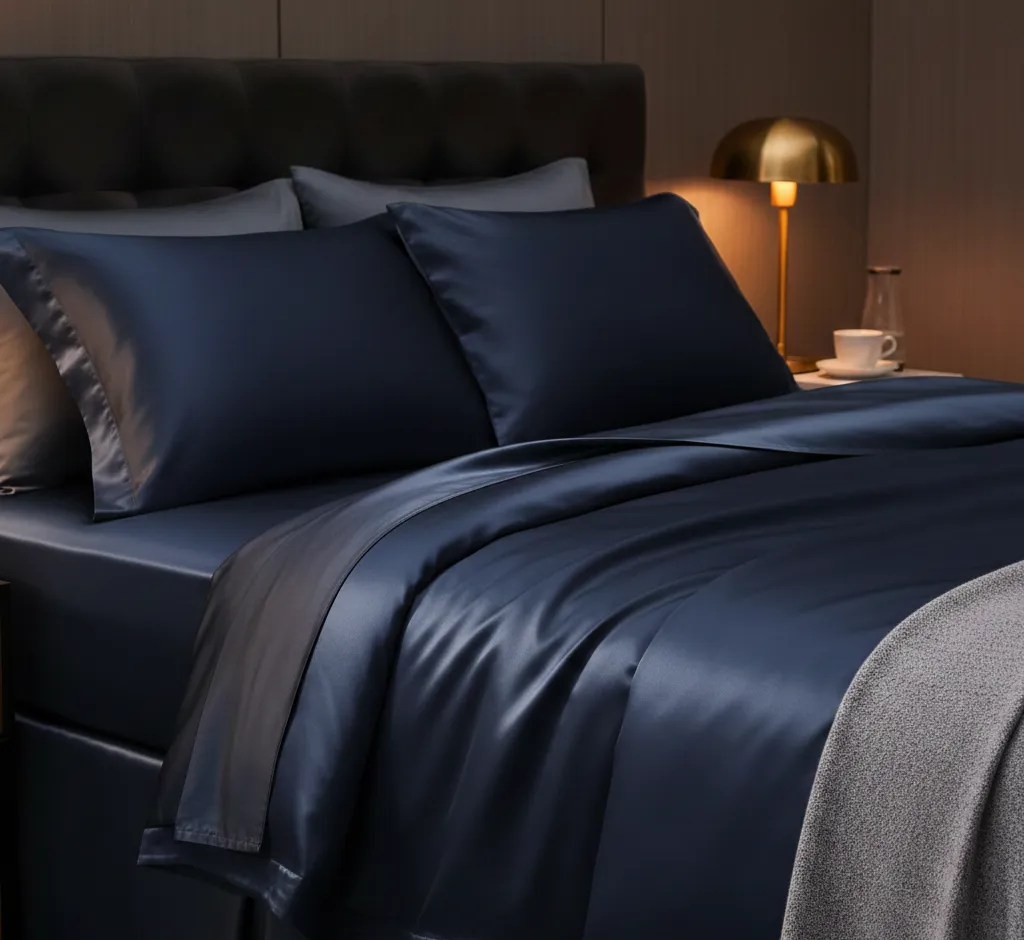
- Deep, saturated tones: Navy, charcoal, black, emerald, and rich jewel tones can look stunning but may show noticeable fading if exposed to sun or washed aggressively.
- Very bright shades: Vivid reds, fuchsias, neons, and intense turquoise can be more prone to color shift or dulling.
- Pure whites with prints: The colored portions may fade faster than the white background, making the pattern look less sharp.
There is nothing wrong with choosing dramatic dark or bright bedding. Just be prepared to follow care instructions closely and perhaps reserve the boldest sets for occasional use, while relying on more forgiving tones day to day.
Key Factors to Check Before Buying
When comparing products in a store or online, a few details can tell you a lot about how well the color will last. Paying attention to these factors helps you avoid disappointment later.
1. Fabric specifications
- Fiber content: Confirm whether it is 100% cotton, a blend, microfiber, linen, or another material. Choose based on your comfort needs and the fade resistance you want.
- Weave type: Sateen offers a rich color and smooth feel, while percale tends to be crisper and very durable. Both can work well if dyed properly.
- Thread count (for cotton): Extremely high thread counts are not always better. Look for a balanced range (often 200–400 for percale, 300–600 for sateen) from reputable brands.
2. Brand reputation and reviews
User reviews are a valuable tool when judging fade resistance. Look for repeated comments about how colors hold up after several months of washing.
- Scan reviews for phrases like “color still looks new,” “no fading after multiple washes,” or “color bled in the first wash.”
- Check whether reviewers followed care instructions. Proper care is part of the equation, but persistent complaints about fading are a red flag.
- Established bedding brands typically invest more in stable dyes and testing, which helps with long-term color performance.
3. Certifications and standards
Certifications do not directly measure fading, but they add reassurance about quality and safety.
- OEKO-TEX Standard 100: Ensures that dyes and finishes are tested for harmful substances. Many certified products also have consistent, reliable dyeing processes.
- Global Organic Textile Standard (GOTS): For organic cotton and environmentally responsible processing, including dyeing. Organic does not automatically mean more fade resistant, but it often correlates with higher overall quality.
How to Wash Colored Bed Linens to Prevent Fading
Even the best fade-resistant colored bed linens need proper care. Gentle, consistent washing habits protect dye molecules and fiber structure, helping your linens look newer for longer.
Before the first wash
- Read the care label: Follow the manufacturer’s instructions for water temperature, cycle type, and drying method.
- Wash separately: Wash new colored linens separately the first time. This allows any excess dye to rinse out without affecting other items.
- Use cold water: Starting with cold water sets a gentle precedent for the life of the fabric and reduces the risk of bleeding.
Routine washing tips
- Turn inside out: Turn duvet covers and pillowcases inside out to protect the visible surface from friction in the drum.
- Use mild detergent: Choose a liquid detergent formulated for colors, free of optical brighteners and bleach. Avoid heavy-duty formulas unless absolutely necessary.
- Skip bleach and strong stain removers: These can strip color and damage fibers. Pre-treat stains gently and test on an inconspicuous area when in doubt.
- Wash in cold or cool water: For most colored linens, cold or up to lukewarm water provides adequate cleaning while preserving color.
- Do not overload the machine: Overcrowding increases friction and uneven washing. Give linens enough room to move freely.
Drying and ironing
- Dry on low heat: High dryer temperatures can weaken fibers and dull colors. Use a low or medium setting and remove linens while slightly damp.
- Line-dry in the shade: If air-drying outside, avoid direct sun exposure. Hang in a shaded or indoor area to protect colors from UV rays.
- Iron carefully: If ironing, use the recommended setting and avoid very high heat on saturated colors, which can cause shine or uneven light spots.
Extra Strategies to Keep Colors Vivid
Beyond basic washing and drying, a few extra habits can significantly extend the life of your colored bed linens.
Rotate your linens
Instead of relying on a single favorite set, keep at least two or three sets of sheets and pillowcases in your rotation. This spreads wear and washing across multiple sets, slowing down fading and fabric fatigue on each individual set.
Reduce unnecessary washing
Washing is the main cause of long-term fading. While sheets should be washed regularly for hygiene, duvet covers and decorative shams may not need to be laundered as frequently.
- Use a top sheet to protect your duvet cover from direct skin contact.
- Spot-clean minor marks rather than washing the entire set.
- Aim for a reasonable schedule that balances cleanliness and fabric preservation.
Protect from sunlight
If your bed sits near a bright window, sunlight can fade the same area of your bedding day after day.
- Close curtains or blinds during the brightest part of the day, especially if you use deep or bright colors.
- Rotate the duvet cover or flip the top edge occasionally so any light exposure is more evenly distributed.
Balancing Style, Comfort, and Durability
Choosing fade-resistant colored bed linens means finding the right balance among appearance, feel, and longevity. A set that looks stunning but feels rough or traps heat will probably not get much use, and one that feels great but fades fast will quickly disappoint.
Questions to ask yourself
- Do you sleep hot or cold? Hot sleepers often prefer breathable cotton or linen, even if some synthetic options are more colorfast.
- How often will the linens be washed? For guest rooms, occasional-use sets can be more delicate. Everyday linens should be especially durable and easy to care for.
- Do you like bold colors or subtle ones? If you love deep, saturated colors, prioritize high-quality fabrics, trusted brands, and strict care habits.
- What is your budget? Sometimes paying a bit more for reputable, well-dyed linens saves money in the long run because you will not need to replace them as often.
Building a versatile linen collection
One effective strategy is to build a small but thoughtful linen collection designed around fade resistance and flexibility.
- Start with a neutral base: Invest in a few high-quality, fade-resistant sets in timeless, medium-tone neutrals that match your bedroom decor.
- Add accent colors: Introduce bolder pillowcases, shams, or one or two statement sheet sets in your favorite colors. Rotate them to minimize wear.
- Mix textures and weaves: Combine smooth sateens, crisp percales, and relaxed linen to keep your bedding visually interesting without relying only on very bright colors.
Summary: Key Takeaways for Fade-Resistant Bedding
To choose colored bed linens that stay vibrant, focus on a few core principles:
- Select quality fabrics such as long-staple cotton, linen, or well-made microfiber that are known for good color retention.
- Look for clues in product descriptions, like “yarn-dyed,” “solution-dyed,” “reactive dyes,” and “colorfast,” and rely on reviews from real customers.
- Choose forgiving, medium-tone colors for everyday use and reserve the deepest or brightest hues for special sets or carefully managed routines.
- Follow gentle care practices: wash in cold water, use mild detergents, avoid bleach, dry on low heat, and protect linens from prolonged direct sunlight.
- Rotate multiple sets and avoid over-washing to reduce friction and wear.
With a bit of attention to fabric, dye quality, and care, you can enjoy colorful bed linens that stay rich, soft, and inviting long after the first wash. Thoughtful choices today mean a more beautiful, comfortable bedroom tomorrow, without the disappointment of early fading.