How to Choose the Best Steam Iron for Large Family Laundry Loads
Learn how to choose the best steam iron for large family laundry loads. Compare types, key features, and practical tips to save time, improve results, and handle big ironing jobs with ease.
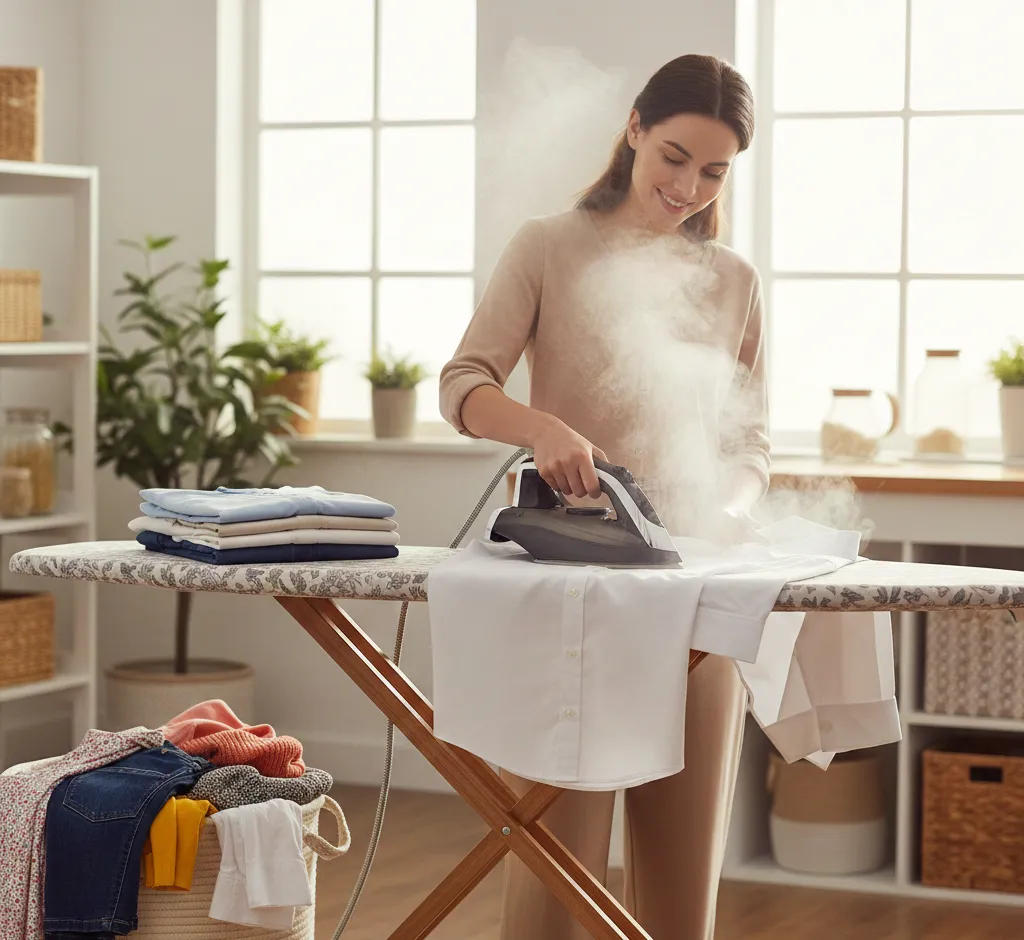
Managing laundry for a large family can feel like a full-time job. School uniforms, work shirts, dresses, bedding, and table linens all pile up quickly. A good steam iron will not only help you keep up with the load but also make the entire process faster, easier, and more effective.
However, not all steam irons are created equal—especially when you are dealing with high volumes of clothes every week. In this guide, you will learn how to choose the best steam iron specifically for large family laundry loads, what features really matter, and how to get the most value for your money.
Why the Right Steam Iron Matters for Large Families
When you iron for one or two people, almost any basic iron can get the job done. But with a big family, the demands are much higher. You need an iron that can work for long periods without slowing down, produce strong and consistent steam, and handle a variety of fabrics.
- Time savings: A powerful iron reduces the number of passes required to remove wrinkles.
- Better results: Strong continuous steam gives a smoother, more professional finish.
- Less fatigue: Ergonomic design and smart features reduce strain on your hand, wrist, and back.
- Durability: A well-built iron survives years of heavy weekly use.
Investing in the right steam iron pays off in time saved, clothes that look better for longer, and less frustration on laundry day.
Key Types of Steam Irons for Heavy Laundry Use
Before digging into features, it helps to understand the main types of steam irons you can choose from. Each has its pros and cons for big households.
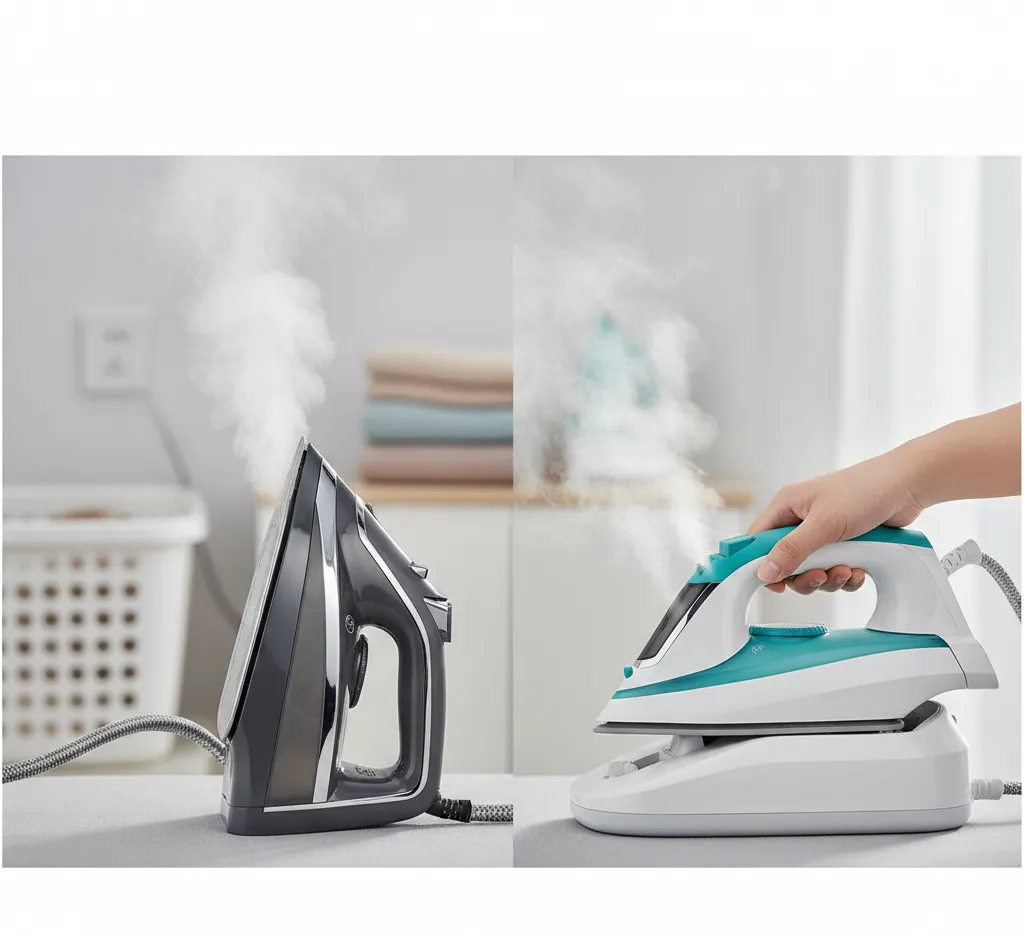
Traditional Steam Iron
A traditional steam iron has a built-in water tank and heats directly on the soleplate. It is the most common type and usually the most affordable.
- Pros: Compact, easy to store, simple to use, budget-friendly.
- Cons: Smaller water tank, may struggle with continuous high steam output for long sessions.
For small families, a standard steam iron is often enough. For large families, it can still work if you choose a powerful model with a larger tank and strong steam capacity.
Steam Generator Iron
Steam generator irons have a separate water tank connected to the iron by a hose. The base unit generates high-pressure steam that is delivered to the iron.
- Pros: Very powerful steam, much larger water tank, faster ironing, ideal for large loads and frequent use.
- Cons: More expensive, larger footprint, requires more storage space.
If you regularly iron for a large family and want to cut your ironing time significantly, a steam generator iron is often the best investment.
Cordless Steam Iron
Cordless irons sit on a heated base and are used without a power cord attached to the iron itself. This gives you more freedom of movement.
- Pros: Excellent maneuverability, no cord tangling, great for tricky areas like sleeves and pleats.
- Cons: Limited heat and steam time before needing to recharge on the base, may be less suitable for marathon ironing sessions.
For large family loads, cordless irons can be convenient, but they are rarely the best primary option if you regularly iron for long stretches.
Essential Features for Large Family Laundry Loads
When you compare steam irons, look beyond the brand name or color. Focus instead on the features that will directly affect your daily use.
1. Steam Output and Steam Boost
Steam output is one of the most important features for large loads. It is usually measured in grams per minute (g/min) and tells you how much steam the iron produces continuously.
- Continuous steam: For family loads, look for at least medium to high continuous steam levels. Stronger continuous steam means faster wrinkle removal.
- Steam boost: A powerful steam boost is useful for stubborn creases, thick fabrics like denim, and heavily wrinkled items from overfilled laundry baskets.
If you often iron cotton shirts, jeans, uniforms, and heavy fabrics, prioritize irons with both high continuous steam and an effective steam boost function.
2. Water Tank Capacity
A small water tank means frequent refills, which interrupts your flow and adds time to already long ironing sessions.
- Standard irons: Aim for a larger-than-average tank if you iron in big batches.
- Steam generators: These usually include large tanks that can easily handle an entire family load without refilling.
Transparent or translucent tanks make it easier to see the water level at a glance, helping you avoid running out of steam unexpectedly.
3. Soleplate Material and Glide
The soleplate is the ironing surface that comes into direct contact with your clothes. Its material and finish affect how smoothly the iron glides and how evenly heat is distributed.
- Stainless steel: Durable, good glide, easy to clean.
- Ceramic: Very smooth glide, distributes heat well, gentle on delicate fabrics.
- Non-stick coatings: Can glide easily, but quality varies and coatings may wear over time.
For large loads, choose an iron with a high-quality soleplate that glides smoothly to reduce wrist strain and speed up your work.
4. Power (Wattage) and Heat-Up Time
More powerful irons (higher wattage) heat up faster and recover heat more quickly as you move from garment to garment. This is particularly useful when you switch between thick and thin fabrics or iron back-to-back loads.
- High wattage usually means faster start-up, so you can begin ironing sooner.
- Stable temperature reduces the risk of uneven results and repeated passes.
If you frequently tackle large piles of laundry in one session, a higher wattage iron can be a real time-saver.
5. Temperature and Fabric Settings
Large families often mean a wide range of fabrics: delicate school blouses, synthetic sportswear, cotton shirts, linens, and sometimes even wool or silk. A good steam iron should make changing settings quick and intuitive.
- Clear controls: Look for easy-to-read temperature dials or digital settings with fabric labels.
- Automatic adjustment: Some irons can automatically adjust temperature and steam for different fabrics, reducing the risk of damage.
- Vertical steaming: Helpful for refreshing hanging garments, curtains, or quick touch-ups without the board.
Accurate temperature control protects clothes from scorching while still providing effective wrinkle removal.
6. Anti-Scale and Self-Clean Functions
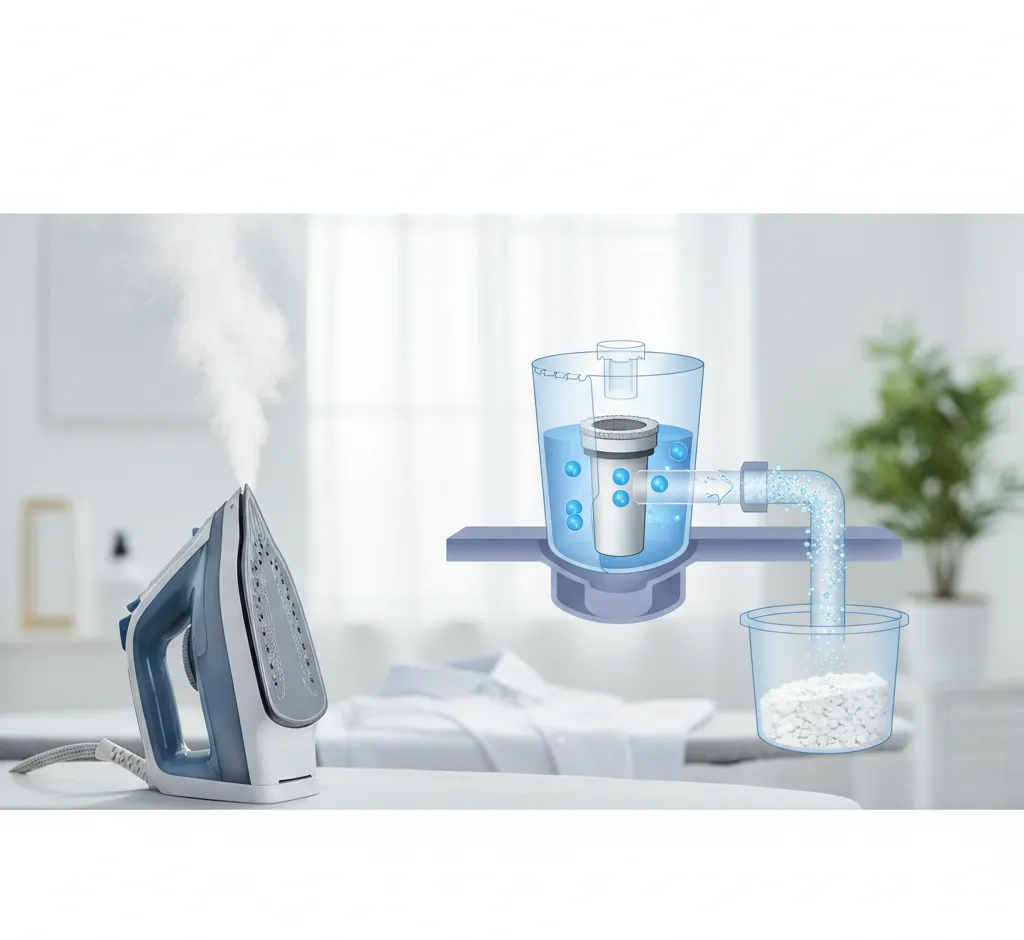
For families who iron frequently, limescale build-up can quickly reduce steam performance, especially in hard water areas. Anti-scale solutions help your iron maintain its power and extend its life.
- Anti-scale cartridges or systems: These capture minerals and reduce limescale formation.
- Self-clean function: Allows you to flush out scale and deposits with minimal effort.
If you live in a region with hard water and iron several times a week, an iron with strong anti-scale features is a smart investment that will save you money in the long term.
7. Safety Features for Busy Households
In a family home, interruptions are constant: children calling, phones ringing, doors knocking. A safe steam iron reduces the risk of accidents if you need to step away suddenly.
- Auto shut-off: Automatically turns the iron off after a period of inactivity, whether it is upright or left face down.
- Stable heel rest: A wide, non-slip base prevents tipping over when you set the iron down.
- Secure cord design: Swiveling cords reduce tangling and accidental pulls.
For homes with children and pets, safety features are not optional—they are essential.
8. Weight, Ergonomics, and Handling
When you iron a lot, comfort matters. A very heavy iron may press out wrinkles well but can cause fatigue in your wrist and arm over time. A very light iron may require more passes.
- Balanced weight: Look for an iron that feels solid but still comfortable to lift and move.
- Comfortable handle: An ergonomic grip reduces strain during long sessions.
- Cord length: A longer cord or cordless option improves mobility around your ironing board.
If possible, test how an iron feels in your hand before buying or pay close attention to reviews that mention comfort and handling.
Choosing the Right Steam Iron for Your Family’s Needs
Every family is different. The number of people in your household, the types of clothes you wear, and how often you iron will influence which iron is best for you.
Assess Your Weekly Ironing Load
Start by estimating your typical weekly ironing:
- How many shirts, trousers, and dresses do you iron?
- Do you also iron bed linens, duvet covers, and tablecloths?
- Do you iron in one big session or several shorter ones?
If you often face a towering pile of clothes on weekends, a steam generator iron with a large tank and strong continuous steam will significantly reduce your ironing time.
Consider Your Fabric Mix
Next, think about the types of fabrics you regularly iron:
- Lots of cotton and linen: Prioritize strong steam and higher wattage.
- Many delicate or synthetic items: Look for precise temperature control and reliable low-heat settings.
- School uniforms and workwear: Consistent steam and a good-quality soleplate are important for crisp results.
A versatile iron with multiple fabric settings helps you switch smoothly between different garments without constantly worrying about damage.
Factor in Storage Space and Setup
Larger irons and steam generator systems require more storage and a sturdy ironing board. Before purchasing, check:
- Where you will store the iron and board between uses.
- Whether your board is strong enough to support a heavy steam generator base.
- How easily you can set up and pack away the system on busy days.
If storage is limited, a powerful traditional steam iron may be a better compromise than a full steam generator system.
Set a Realistic Budget
Steam irons range from very affordable models to high-end steam generators. When you buy for a large family, think about long-term value rather than just the lowest price.
- Spending a bit more upfront can save you time and energy every week.
- Durable models with anti-scale and safety features can last many years of heavy use.
- Reading reviews from other families can help you identify reliable models in your price range.
Choose the best iron within your budget that matches your real-life needs rather than paying for features you will never use.
Practical Tips to Maximize Efficiency
Even the best steam iron will not perform at its peak if you use it inefficiently. With large family loads, a few smart habits can dramatically improve your ironing experience.
Organize Laundry Before Ironing
Sorting your laundry before you start ironing saves time and reduces hassle.
- Group clothes by fabric type and recommended temperature.
- Begin with items that require lower heat, then move up to higher temperatures.
- Stack clothes neatly after ironing to prevent new wrinkles.
This approach minimizes constant temperature changes and makes your ironing session flow more smoothly.
Use Steam Smartly
Steam is your best ally against stubborn wrinkles, but using it wisely will give better results and extend your iron’s life.
- Use continuous steam for general ironing and reserve steam boost for thick or heavily wrinkled areas.
- For very delicate fabrics, use little or no steam and consider a pressing cloth.
- Try vertical steaming to freshen garments that are not heavily creased.
Managing your steam output carefully also reduces how often you need to refill the water tank during large sessions.
Maintain Your Iron Regularly
To keep your iron working effectively for years, incorporate basic maintenance into your routine.
- Follow the manufacturer’s instructions for descaling and self-cleaning.
- Empty remaining water from the tank after each use to reduce mineral build-up.
- Wipe the soleplate regularly to remove residues and keep it gliding smoothly.
Regular care helps you avoid performance drops just when you have most laundry to handle.
When to Upgrade Your Steam Iron
Many families keep using an old iron long after it starts underperforming, not realizing how much extra time and effort it costs them. Consider upgrading if you notice any of the following:
- The iron takes a long time to heat up or cannot maintain consistent temperature.
- Steam output has noticeably dropped, even after descaling.
- The soleplate is scratched, sticky, or snags fabrics.
- Water leaks or spits from the iron, staining clothes.
- You frequently iron for long sessions and feel that the process is slow and tiring.
Upgrading to a more powerful and efficient steam iron—or a steam generator system—can transform laundry day from a frustrating chore to a faster, more manageable task.
Final Thoughts: Matching the Iron to the Family
Choosing the right steam iron for large family laundry loads does not have to be complicated. Start with a clear picture of your weekly ironing habits, the types of fabrics you deal with, and the time you want to spend on this task.
For some households, a robust traditional steam iron with strong steam output, a generous water tank, and good safety features will be more than enough. For others—especially those who regularly iron mountains of shirts, uniforms, and linens—a steam generator iron can dramatically cut ironing time and deliver professional-level results at home.
By focusing on key features such as steam power, water capacity, soleplate quality, anti-scale systems, and ergonomic design, you can choose a steam iron that keeps up with your family’s needs today and for years to come.