How to Choose the Right Bedding for Adjustable Bed Bases: Complete Guide
Learn how to choose the best sheets, blankets, and protectors for adjustable bed bases. Discover the right sizes, fabrics, and designs for split and standard adjustable beds and keep your bedding secure and comfortable in every position.
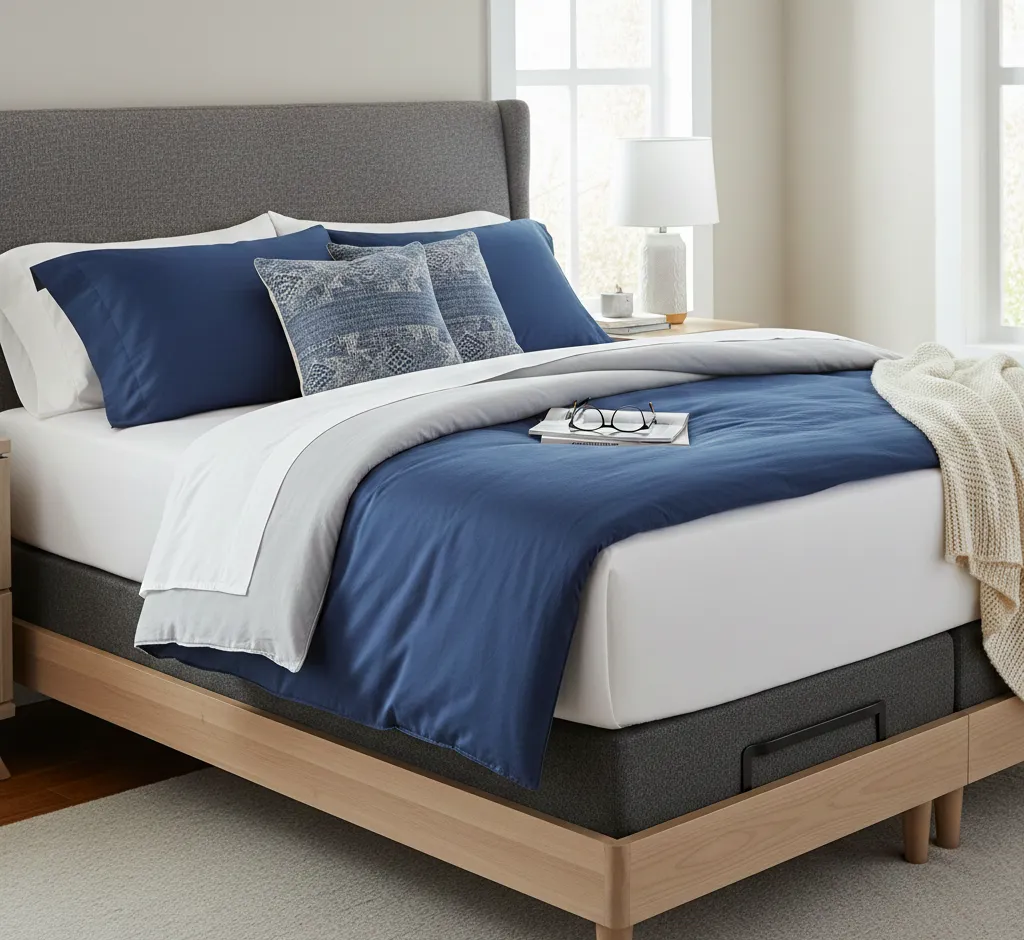
Adjustable bed bases are no longer just for hospitals and luxury hotels. More people are bringing them into their homes to improve comfort, reduce pain, and enhance sleep quality. But once you upgrade to an adjustable base, a new question appears: how do you choose bedding that actually works with it?
Standard sheets and bedding sets are usually designed for flat, non-moving mattresses. On an adjustable bed, poor-fitting sheets can pop off, bunch up, or wear out quickly. The good news is that with a bit of planning, you can find bedding that stays in place, looks great, and feels amazing in every sleep position.
Why Adjustable Beds Need Special Bedding
Before you shop, it helps to understand why adjustable beds place different demands on your bedding compared to a traditional flat bed.
Movement and friction
When you raise the head or foot of an adjustable base, the mattress bends and shifts slightly. This movement:
- Stretches the fitted sheet around the corners.
- Creates extra friction along the surface as your body and bedding move.
- Can pull sheets loose if the pockets are too shallow or the elastic is weak.
That is why deep pockets, strong elastic, and some flexibility in the fabric are essential for adjustable bed bedding.
Split mattresses and independent sides
Many adjustable bases allow each side of the bed to move independently. Popular setups include:
- Split king: Two twin XL mattresses side by side on one frame.
- Split California king: A similar concept with Cal king dimensions.
- Dual adjustable bases for queen or full-size beds.
These configurations often need separate fitted sheets for each side, while still sharing a top sheet, blanket, or duvet. That affects what sizes and sets you should buy.
Step 1: Measure Your Mattress and Base
The first and most important step in choosing bedding for adjustable beds is getting accurate measurements. Even small differences in depth or style matter for fit and function.
Measure mattress thickness (depth)
Mattress depth can vary from less than 20 cm to more than 35 cm. Adjustable-friendly mattresses, such as memory foam and hybrids, are often on the thicker side. To measure:
- Place the mattress on the adjustable base with any toppers you plan to use.
- Use a measuring tape from the bottom edge (where it meets the base) to the top of the mattress.
- Write down the measurement in centimeters or inches.
When shopping for sheets, look for pocket depth that matches or slightly exceeds this number. For example, a 30 cm mattress usually needs at least a 35–40 cm pocket to account for movement and tuck under the mattress.
Confirm the bed size and configuration
On adjustable bases, size labels can be confusing. Examples you may encounter include:
- Queen on a single adjustable base.
- King with one large mattress and one adjustable mechanism.
- Split king with two twin XL mattresses and two independently adjustable sides.
Make sure you know whether you have a standard or split setup. This will determine whether you need one fitted sheet or two.
Step 2: Choose the Right Sheet Types
Sheets are the foundation of comfortable, functional bedding on an adjustable bed. You will usually need:
- A well-fitted bottom sheet that stays secure.
- A top sheet (optional, depending on your sleeping preferences).
- Possibly sheet straps or grippers for extra security.
Fitted sheets with deep pockets
For adjustable bases, fitted sheets are a must. Make sure you look for these features:
- Deep pockets: Ideal for mattresses above 25–28 cm, especially with toppers.
- High-quality, full-perimeter elastic: Elastic on all four sides, not just the corners, helps keep the sheet in place when the bed moves.
- Stretch fabric or blends: Materials with a bit of stretch (such as jersey knit or spandex blends) adapt better to bending and elevation.
Some brands offer “adjustable bed compatible” or “stay-put” sheets. These usually feature extra strong elastic bands or design elements specifically for moving bases.
Flat sheets and top sheets
Flat sheets can still work well on adjustable beds, but they may need more frequent tucking. To improve your experience:
- Choose a slightly larger size for more tuck-in length at the foot.
- Practice a hospital corner fold to secure the sheet more firmly.
- For split king beds, use one shared flat sheet across both mattresses if you prefer closeness, or two separate top sheets if each sleeper wants independent coverage.
Sheet straps and grippers
If you love the feel of your current sheets but they keep popping off, sheet accessories can help. Options include:
- Sheet straps: Elastic straps that clip across the corners underneath the mattress.
- Sheet suspenders: Cross-shaped systems that pull the fitted sheet taut from multiple angles.
- Elastic bands: Wide bands that wrap around the entire mattress to keep the fitted sheet in place.
These accessories are affordable and can extend the life of your bedding by reducing stress on seams and elastic.
Step 3: Select Comfortable, Flexible Fabrics
The fabric you choose matters for both comfort and performance on an adjustable base. You want something that feels good against the skin and can handle frequent movement.
Cotton and cotton blends
Cotton remains the most popular sheet fabric for its breathability, softness, and durability. For adjustable beds, consider:
- Long-staple cotton (like Egyptian or Pima) for a smoother, more durable feel.
- Percale weave for a crisp, cool finish that works well for hot sleepers.
- Sateen weave for a silkier, slightly heavier feel that drapes nicely over an adjustable mattress.
- Cotton blends with a small percentage of polyester or spandex for added stretch and wrinkle resistance.
Jersey knit sheets
Jersey sheets are made from a knit fabric (similar to a T-shirt), which gives them a natural stretch. This makes them ideal for adjustable bases, because they:
- Move easily with the mattress when it bends or lifts.
- Resist excessive tension, reducing the risk of popping off.
- Feel cozy and soft, especially in cooler seasons.
If you prefer a relaxed, casual feel to your bedding, jersey knit is a strong choice.
Bamboo and Tencel
Bamboo viscose and Tencel (lyocell) sheets offer a silky, cool feel that many people love. They are usually:
- Highly breathable and moisture-wicking.
- Gentle on sensitive skin.
- Good at draping smoothly over the mattress curves.
However, these fabrics can be more delicate. Look for reinforced seams and strong elastic to handle the extra movement of an adjustable bed.
Microfiber and synthetic fabrics
Microfiber sheets are affordable, smooth, and resistant to wrinkles. They can work with adjustable beds, but keep in mind:
- They are less breathable than natural fibers, which may feel hot to some sleepers.
- Higher-quality microfiber with strong elastic tends to perform best on moving bases.
If you live in a cooler climate or prefer a warm, enveloping feel, microfiber can be a good budget-friendly option.
Step 4: Plan Bedding for Split Adjustable Beds
Split adjustable beds give each partner control, but they also complicate your bedding choices slightly. The goal is to balance independence and togetherness.
Fitted sheets for each side
For split king or split queen setups, you will typically use:
- Two fitted sheets (one for each mattress).
- One shared flat sheet or blanket, or two separate top sheets depending on preference.
When each side of the bed moves independently, having separate fitted sheets prevents one side from pulling the other loose when elevated.
Unified look with blankets and duvets
If you want your split bed to look like one continuous mattress, try this layering approach:
- Place individual fitted sheets on each mattress.
- Add a shared flat sheet across both sides (optional).
- Use a single large duvet or comforter that covers the entire bed.
- Finish with a bedspread or decorative coverlet that hides the split line.
For less disruption when one partner moves their side, choose a lightweight, flexible comforter rather than a stiff, heavy one.
Scandinavian-style individual duvets
If you and your partner have different temperature preferences, consider the popular Scandinavian approach:
- Each person has their own duvet or comforter.
- The duvets may differ in warmth level and thickness.
- This works especially well on split adjustable beds, where each person can elevate their side without pulling on a shared blanket.
Visually, you still can create a cohesive look by using duvet covers in matching or complementary colors.
Step 5: Choose Comforters, Blankets, and Quilts
Comforters, duvets, and blankets also need to cooperate with your adjustable base. Focus on weight, drape, and flexibility.
Light to medium weight is best
Heavy, stiff bedding can bunch up or slide when you raise the head or foot of the bed. Instead, aim for:
- Light to medium-weight comforters that are easy to move and adjust.
- Layering multiple thinner blankets instead of one very heavy one.
- High-loft, fluffy duvets that compress and bend easily with the mattress.
Flexible fills and materials
Comforters and duvets with soft, flexible fills adapt best to adjustable beds. Good options include:
- Down or down-alternative fill for softness and compressibility.
- Quilts with multiple smaller stitched sections to distribute the fill evenly and allow easy bending.
- Knitted blankets and coverlets that stretch slightly and drape smoothly.
Try to avoid extremely stiff bedspreads or covers with rigid decorative elements, which can tug at the sheets when the bed moves.
Step 6: Protect Your Mattress Without Restricting Movement
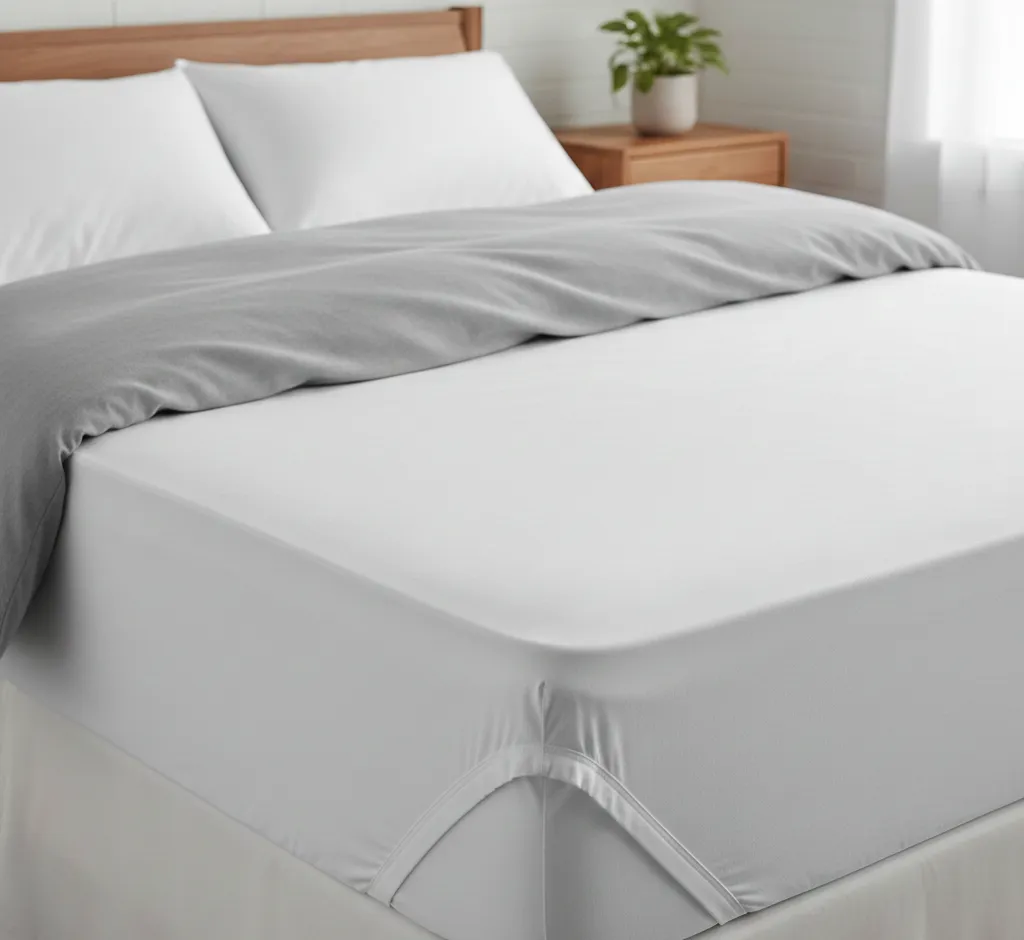
A mattress protector is strongly recommended for any mattress, but especially for high-end models on adjustable bases. The key is to pick one that does not interfere with movement.
Look for flexible, snug-fitting protectors
Choose a protector that:
- Is made from thin, flexible, and breathable materials.
- Has a fitted-sheet style with deep pockets and full elastic.
- Is labeled as compatible with memory foam or adjustable beds if possible.
A bulky or stiff protector can make the mattress feel less comfortable or pull tight when the bed elevates, increasing stress on your sheets.
Waterproof versus breathable
Waterproof protectors are great for guarding against spills and accidents, but some trap heat. On an adjustable base, where you may sleep in more upright positions, heat can feel even more noticeable. To balance comfort and protection:
- Consider a breathable, waterproof membrane (often polyurethane) instead of a thick plastic layer.
- Pair a lightweight protector with natural fiber sheets such as cotton or bamboo to improve airflow.
Care and Maintenance Tips for Adjustable Bed Bedding
Adjustable beds create extra wear and tear on bedding because of frequent movement, friction, and pressure at the bend points. Good care habits will help your sheets and blankets last longer.
Washing and drying
Follow these general guidelines:
- Wash sheets and pillowcases every 1–2 weeks to maintain hygiene and fabric performance.
- Use a gentle cycle and mild detergent to preserve elastic and fibers.
- Avoid excessive high heat in the dryer, which can damage elastic and shrink fabrics.
- Remove bedding from the dryer promptly to reduce wrinkles and stress on the fabric.
Rotate sets and inspect elastic
To extend the life of your bedding:
- Keep at least two or three sheet sets in rotation so no single set wears out too quickly.
- Periodically check the elastic and seams on fitted sheets for signs of stretching or fraying.
- Replace sheets when they no longer stay snug on the mattress, even with straps.
Adjust the base before making the bed
An easy but often overlooked tip: when you are putting on fresh bedding, raise the head and foot sections slightly. This:
- Makes it easier to pull sheets over the corners without straining your back.
- Helps you position the fitted sheet properly along the bend points.
- Ensures there is enough slack for movement once the bed returns to a flat or inclined position.
Common Mistakes to Avoid
As you set up bedding for your adjustable base, try to avoid these frequent missteps:
Buying standard sheets with shallow pockets
Sheets designed for older, thinner mattresses are often not deep enough. This leads to:
- Corners sliding off whenever you elevate the head or foot.
- Excessive strain on the fabric and elastic.
- Frequent readjustment that interrupts your comfort and sleep.
Using overly stiff or heavy bedding
Thick, rigid bedspreads and overly heavy comforters may look impressive but do not work well with adjustable beds. They can:
- Pull tightly against the sheet when the bed bends, loosening the corners.
- Bunch up behind your back or legs when elevated.
- Make it harder to change positions or adjust your base during the night.
Ignoring independent control needs on split beds
On a split adjustable base, forcing a single fitted sheet or overly tight shared bedding across both sides defeats the purpose of independent control. Instead, respect the split configuration with separate fitted sheets and flexible top layers.
Creating a Comfortable, Cohesive Look
Functional bedding does not have to sacrifice style. You can create a bedroom that looks polished while fully supporting the features of your adjustable bed.
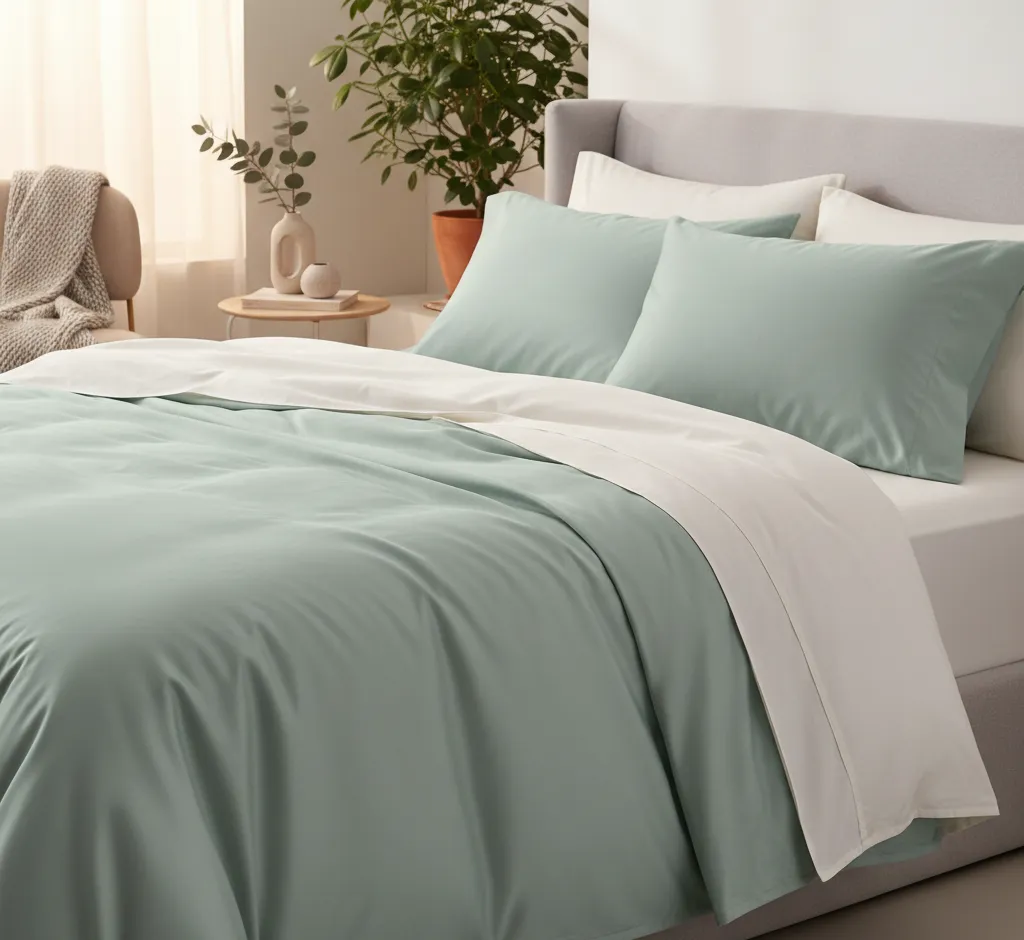
Layering for style and comfort
Consider this simple layering formula:
- A soft, flexible mattress protector.
- Deep-pocket fitted sheet that matches your color scheme.
- Optional flat sheet in a complementary shade or pattern.
- A lightweight quilt or coverlet that drapes cleanly over the bed.
- A decorative throw blanket and a few accent pillows to finish the look.
This setup looks inviting in the flat position and still functions well when you raise the head or foot for reading or watching TV.
Color and pattern choices
Because adjustable beds often have a modern, tech-forward appearance, many people prefer simple, calming bedding designs. Try:
- Neutral base colors like white, beige, or gray for sheets and covers.
- Accent pillows or throws in bolder colors to add personality.
- Subtle patterns (stripes, small geometric designs) that still feel sophisticated.
Neutrals also make it easier to mix and match bedding as you rotate sets or swap out seasonal blankets.
Final Thoughts: Prioritize Fit, Flexibility, and Feel
Choosing bedding for an adjustable bed base is not complicated once you know what to look for. The main priorities are:
- Fit: Deep pockets, strong elastic, and the correct size for your mattress and configuration.
- Flexibility: Sheets, blankets, and protectors that move easily with the bed without pulling or bunching.
- Feel: Fabrics that match your temperature preferences and comfort needs.
When these elements are in place, your adjustable bed will feel like a true upgrade, not just in technology but in everyday comfort. Take your time to measure, compare materials, and choose bedding designed to cooperate with motion. Your reward will be smoother adjustments, fewer nightly disruptions, and a sleep environment that looks and feels as good as it performs.